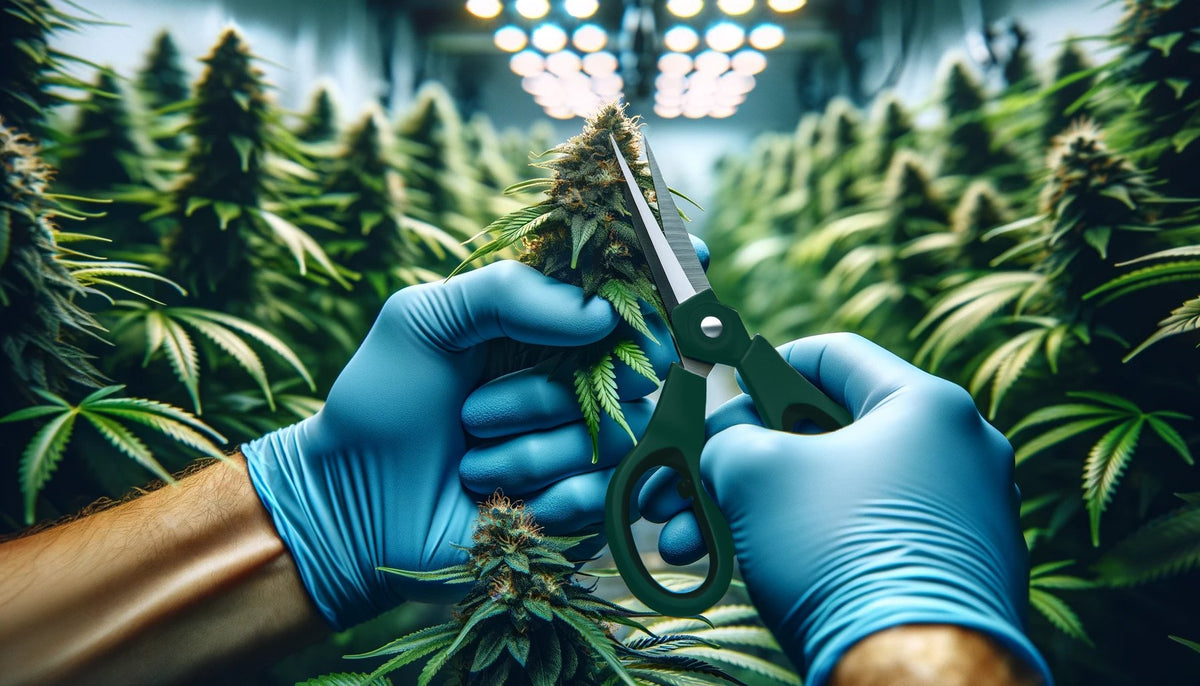
Best Practices for Pruning Medical Cannabis to Enhance Growth
Pruning is an essential horticultural technique for cannabis growers, particularly for those cultivating medical cannabis. It involves the strategic removal of certain parts of the plant—leaves, branches, or buds—to promote healthy growth, improve yield, and ensure that the plant directs its energy toward developing optimal structures. For medical cannabis cultivation, where quality, consistency, and efficacy of cannabinoids are paramount, pruning becomes an even more critical practice. This detailed guide explores the best pruning practices that medical cannabis growers can adopt to enhance growth, with a focus on medical applications and yields, while excluding any recreational use.
1. The Importance of Pruning in Medical Cannabis Growing
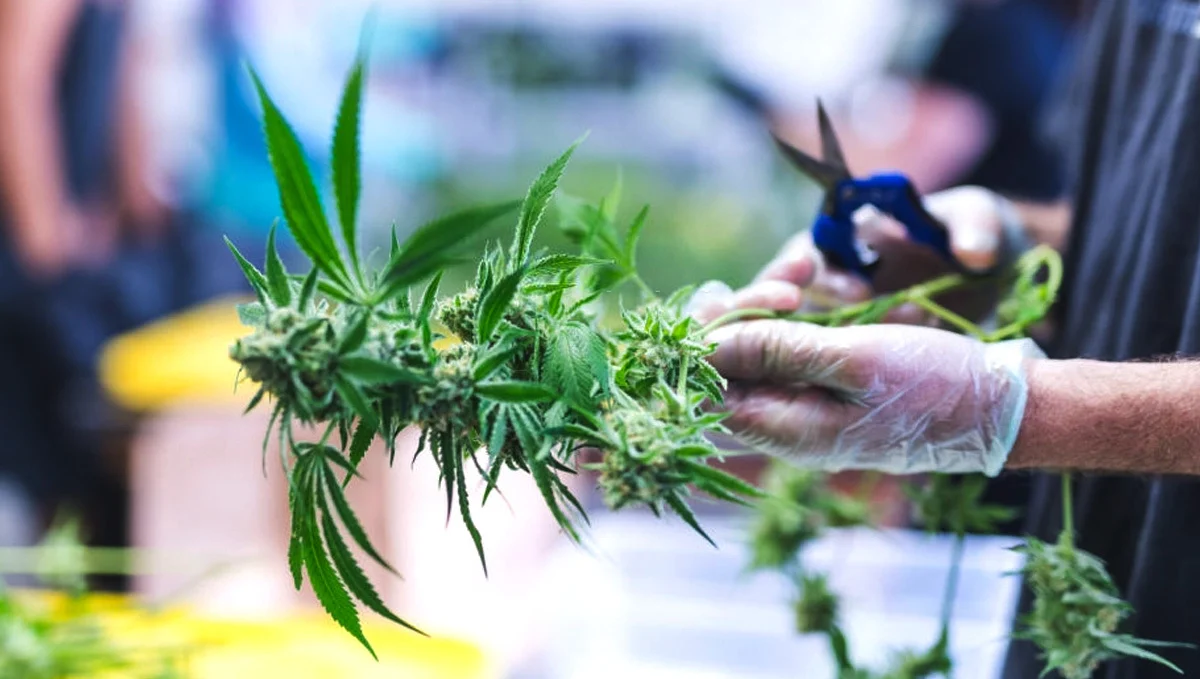
Pruning plays a pivotal role in creating the right environment for cannabis plants to flourish. When growing medical cannabis, where potency, cannabinoid profile, and consistency are vital, pruning can help:
- Improve Light Penetration: Pruning contributes to the development of a canopy structure that lets light enter the plant’s lower sections. Light is essential for photosynthesis, which directly affects plant health and flower production. In medical cannabis, where cannabinoid consistency is important, ensuring even light distribution improves uniformity in plant development.
- Enhance Airflow: A well-pruned cannabis plant has better airflow between its branches. This reduces the likelihood of mold and mildew, particularly important in medical cannabis where contamination can compromise the quality and safety of the product.
- Focus Energy on Flower Production: Pruning allows the plant to focus its energy on producing larger, denser, and higher-quality buds, especially those that contain therapeutic cannabinoids such as THC, CBD, and CBG, which are essential in the medical field.
- Facilitate Easier Monitoring and Maintenance: Pruning reduces plant density, making it easier for growers to inspect for pests, diseases, and nutrient deficiencies, thus improving overall plant health and ensuring a clean, therapeutic-grade product.
2. Types of Pruning Techniques for Medical Cannabis
There are several pruning techniques that growers can use depending on the desired outcomes and the growth stage of the plant. Below are the most common types of pruning methods that can be employed for medical cannabis.
2.1 Topping
Topping is one of the most common pruning methods used in cannabis cultivation. With this technique, the top of the main stem is chopped off to promote the growth of several colas, or flowering tops, on the plant. Topping is highly effective in medical cannabis growing as it helps:
- Increase Yield: Topping encourages the plant to produce more lateral branches, leading to more colas. More colas translate to more buds, thus increasing the potential cannabinoid yield.
- Promote Even Growth: By removing the dominant main cola, the plant distributes energy equally among the remaining branches. This ensures that no single part of the plant outgrows the others, making it easier to manage and maintain even cannabinoid production.
- Strengthen Plant Structure: A topped plant develops a wider, bushier structure, making it more resilient to wind or heavy buds. This structural integrity is essential for outdoor medical cannabis, where environmental factors can affect plant quality.
2.2 Fimming
Fimming (short for “F*** I Missed”) is similar to topping but involves cutting about 75% of the new growth at the top of the plant. The result is that the plant produces multiple colas but in a more compact and less severe way than topping. Fimming is a useful technique for medical cannabis growers who want:
- Maximized Canopy Area: Fimming encourages dense growth, resulting in more leaves and buds forming at the top of the plant. This is beneficial for medical cannabis plants, as the increased canopy can absorb more light, leading to enhanced cannabinoid production.
- Less Stress to the Plant: Fimming is less stressful than topping, allowing plants to recover faster, which is ideal for medical cannabis growers who need to maintain precise growth schedules.
- More Compact Plants: Fimming can help manage plant height, making it easier to grow medical cannabis in smaller, controlled environments such as indoor grow rooms or greenhouses.
2.3 Lollipopping
Lollipopping refers to pruning the lower branches and leaves of the cannabis plant, leaving the top portion untouched. The goal is to focus the plant’s energy on developing the upper colas, where most of the light reaches. This technique is particularly advantageous in medical cannabis cultivation as it:
- Redirects Energy to Main Bud Sites: By removing the lower growth that receives little to no light, the plant redirects its resources to the upper buds, which are often richer in cannabinoids and terpenes. This ensures higher-quality medicinal flowers.
- Improves Air Circulation: Removing the lower branches also improves airflow around the base of the plant, reducing the risk of mold and pathogens that could compromise the quality of medical cannabis.
2.4 Defoliation
Defoliation involves removing fan leaves to improve light penetration and airflow throughout the plant’s structure. In medical cannabis, defoliation can be used during both the vegetative and flowering stages:
- Increased Light Exposure: By selectively removing fan leaves that block light, more light reaches the lower buds, enhancing their cannabinoid production.
- Improved Airflow: Defoliating dense areas of the plant allows better airflow, reducing the risk of moisture buildup and mold growth, which is critical for ensuring the safety of medical cannabis.
3. When to Prune Medical Cannabis Plants
For the technique to yield the greatest benefits, pruning must be done at the right time. Pruning a plant too soon or too late might cause stress and affect its ability to produce cannabinoids, which can stunt its growth.
3.1 Pruning During the Vegetative Stage
The vegetative stage is the optimal time to begin pruning medical cannabis plants. At this stage, the plant is focusing on growing stems and leaves, making it more resilient to the stress caused by pruning.
- Timing: Start pruning once the plant has developed at least 5-6 nodes (leaf sets). This ensures that the plant is mature enough to handle the stress of pruning while still having time to recover and continue growing before flowering.
- Frequency: Light pruning can be done throughout the vegetative stage, but more intensive pruning (such as topping or fimming) should be done early in this stage to give the plant time to recover and grow additional branches before transitioning to flowering.
3.2 Pruning During the Flowering Stage
Pruning during the flowering stage is generally discouraged, as it can cause stress and affect bud development. However, light pruning and defoliation can still be useful during the early weeks of flowering to:
- Remove Lower Growth: Lollipopping can be done in the first 1-2 weeks of flowering to remove lower branches that won’t receive enough light. This helps focus energy on developing the upper buds.
- Defoliate Sparingly: Light defoliation in the early flowering stage can help improve light penetration to lower buds. On the other hand, overdefoliation should be avoided as it can hinder the plant’s capacity to create cannabinoids through photosynthetic processes.
4. Best Tools for Pruning Medical Cannabis
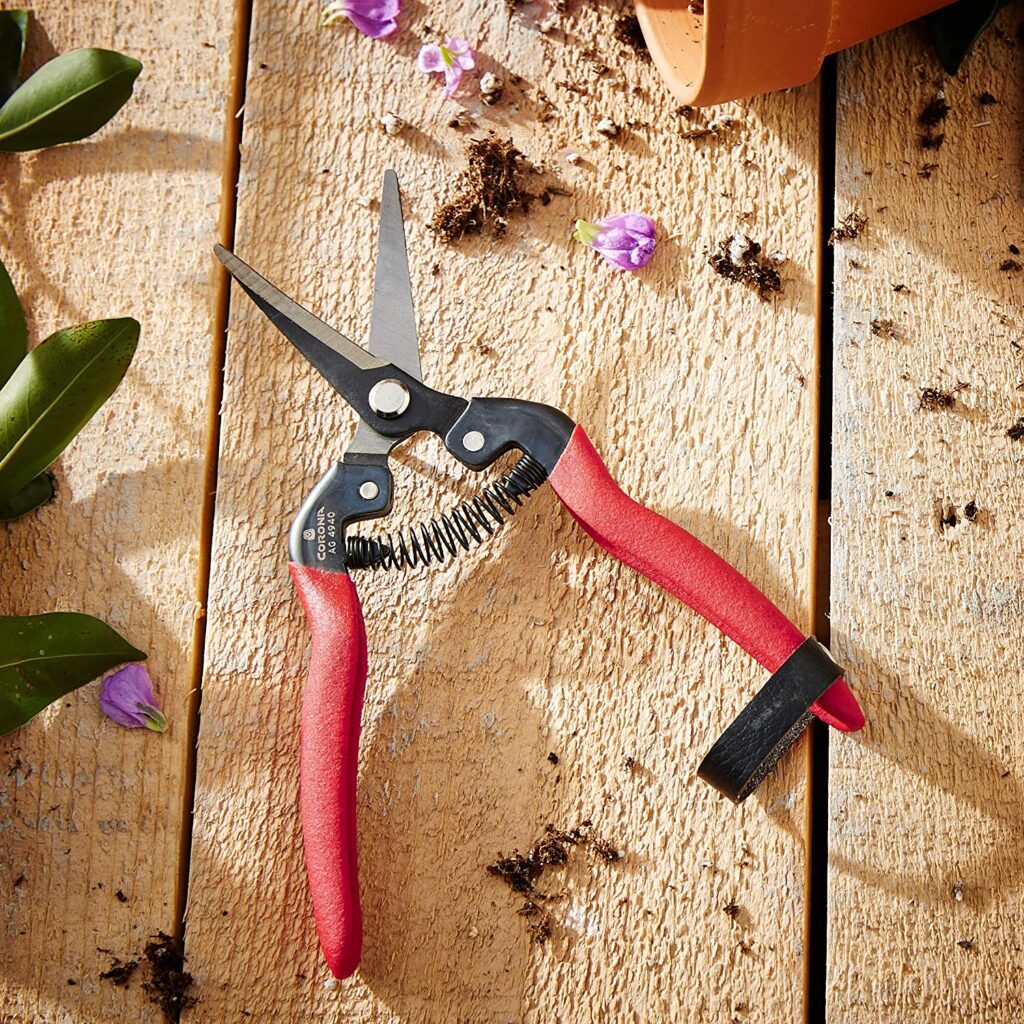
Using the right tools for pruning is essential to minimize damage to the plant and reduce the risk of introducing diseases. Below are some of the best tools for pruning medical cannabis plants:
- Pruning Shears: Pruning shears that are clean and sharp are necessary to make precise cuts without harming the plant tissue. As a result, the plant experiences less stress and recovers more quickly.
- Scissors: Fine-pointed scissors can be used for detailed pruning work, such as defoliating small fan leaves or removing lower bud sites.
- Sterilization Materials: Keeping pruning tools sterile is crucial for preventing the spread of pathogens. Before and after trimming every plant, always sanitize the instruments with rubbing alcohol or a comparable disinfectant.
- Protective Gloves: Wearing gloves protects both the plant and the grower from contamination and allows for better handling of sticky resinous buds.
5. Pruning to Enhance Medical Cannabinoid Production
For medical cannabis, the production of specific cannabinoids such as THC, CBD, CBG, and CBN is crucial. Pruning techniques can directly impact the cannabinoid profile of the plant:
5.1 Promoting Higher THC and CBD Levels
By focusing on pruning methods that direct energy toward the development of larger, healthier buds, growers can encourage the plant to produce higher levels of THC or CBD. Topping and lollipopping are particularly effective in promoting the production of these cannabinoids by allowing the plant to channel energy into fewer but higher-quality buds.
5.2 Encouraging Consistent Cannabinoid Production
A well-pruned plant with good light exposure and airflow will produce buds that are more uniform in size and potency. This is critical for medical cannabis growers who need consistent cannabinoid profiles to meet medical standards and provide reliable treatment outcomes for patients.
5.3 Targeting Specific Terpenes
Terpenes are mostly responsible for the therapeutic effects of cannabis. For example, myrcene, pinene, and limonene each offer unique therapeutic benefits such as anti-inflammatory, anti-anxiety, and pain-relieving properties. Pruning that enhances light and airflow can improve terpene production, resulting in more effective medical cannabis.
6. Common Pruning Mistakes to Avoid
While pruning can significantly enhance the growth and cannabinoid production of medical cannabis, improper pruning techniques can harm the plant. Some common mistakes to avoid include:
- Pruning Too Early: Pruning young plants before they have established several sets of leaves can stunt growth and reduce yield. Always wait until the plant has developed at least 5-6 nodes before starting any major pruning.
- Over-Pruning: When too much of a plant is removed all at once, it may become shocked and take longer to recover. Prune gradually, especially during the vegetative stage, to allow the plant time to recover.
- Pruning During Late Flowering: Pruning too late in the flowering stage can reduce bud size and potency. Limit pruning to the first 1-2 weeks of flowering and avoid any major cuts after this point.
- Using Dirty Tools: Failing to sterilize pruning tools can introduce diseases to the plant, compromising its health and cannabinoid production. Always clean tools before and after use.
7. Environmental Factors that Influence Pruning Success
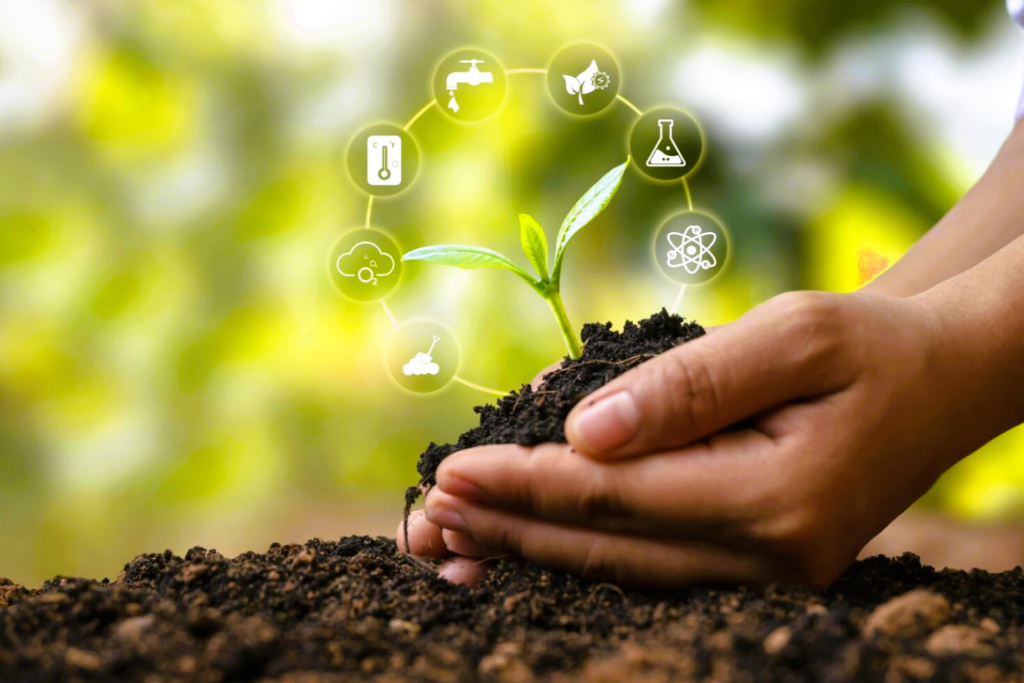
Pruning is most effective when the plant is growing in an optimal environment. Ensuring the right balance of light, nutrients, temperature, and humidity is essential for helping the plant recover from pruning and encouraging healthy growth.
7.1 Light
One of the most important elements in cannabis development, particularly after pruning, is light. Proper pruning exposes more parts of the plant to light, allowing for more effective photosynthesis and higher cannabinoid production. Indoor growers should ensure that they use appropriate lighting (e.g., LED or HPS lights) and maintain optimal light cycles to support the plant’s recovery and growth.
7.2 Nutrients
Medical cannabis plants require specific nutrients to recover from pruning and support healthy bud development. Nitrogen, phosphorus, and potassium are all necessary components of a balanced nutrition regimen, particularly in the vegetative and early flowering periods. Some growers also use supplements such as calcium and magnesium to boost plant resilience and support cannabinoid production.
7.3 Temperature and Humidity
For plants to recuperate from pruning, the proper temperature and humidity conditions must be maintained. Temperatures between 70-85°F (20-30°C) and humidity levels around 40-60% are ideal for cannabis plants. Lower humidity during flowering helps prevent mold, especially when combined with the improved airflow from pruning.
Restrictions on Growing and Using Cannabis in the Medical Field and as a Last Resort
The use and cultivation of cannabis in the medical field are subject to stringent regulations to ensure patient safety, product quality, and adherence to legal standards. Medical cannabis is typically viewed as a treatment of last resort, particularly for patients who have not responded to conventional therapies. Here is an overview of the key restrictions and guidelines governing its use and cultivation in the medical field.
1. Legal Regulations on Growing Medical Cannabis
In many jurisdictions, growing cannabis for medical purposes is highly regulated and typically allowed only by licensed cultivators. These regulations are in place to ensure that cannabis used for medical purposes meets specific quality standards and is free from contaminants, including pesticides, molds, and harmful chemicals.
- Licensing Requirements: Cultivators must obtain government-issued licenses to grow medical cannabis, and they are often required to meet strict conditions regarding security, traceability, and testing.
- Strict Monitoring of Growing Conditions: Medical cannabis is grown under controlled conditions, including regulated light, humidity, and nutrient regimens to ensure that cannabinoid profiles, particularly THC and CBD, meet medical-grade standards. Regular inspections by authorities ensure compliance with health and safety protocols.
- Limits on Cultivation: In some regions, cultivation is restricted to certain areas or limited in terms of the number of plants or quantity produced, to prevent diversion for recreational use.
2. Using Cannabis as a Last Resort in the Medical Field
Cannabis is often considered a last-resort treatment in the medical field, meaning it is prescribed only after other treatments have proven ineffective. This approach minimizes unnecessary exposure to cannabis’ psychoactive compounds, especially THC, which can produce unwanted effects in patients.
- Prior Treatment Requirement: Patients typically must demonstrate that they have exhausted conventional treatments (e.g., opioids, anti-inflammatory medications, or physical therapies) before cannabis can be considered. This ensures that cannabis is used when truly necessary for symptom management.
- Special Cases for Chronic Conditions: Conditions such as chronic pain, epilepsy, multiple sclerosis, and chemotherapy-induced nausea are among the most common reasons medical cannabis is prescribed. However, strict medical oversight is required, particularly when it is used long-term.
3. Monitoring THC Levels to Prevent Psychoactive Effects
One of the primary concerns with medical cannabis is managing its psychoactive properties, particularly from THC (tetrahydrocannabinol). THC is responsible for the “high” associated with cannabis, and high concentrations can lead to undesirable cognitive effects, particularly in vulnerable patients.
- Low-THC, High-CBD Strains: Medical cannabis formulations often focus on high-CBD (cannabidiol) and low-THC strains to minimize psychoactive effects while still delivering therapeutic benefits such as pain relief, anti-anxiety properties, and anti-inflammatory effects.
- Dosing Guidelines: Medical professionals carefully monitor THC levels in cannabis-based medications. Formulations with THC levels below a specific threshold (often 0.3% to 1%) are considered safer for most patients, particularly those who need to avoid psychoactive effects.
- Patient Monitoring: Ongoing assessment of patients using medical cannabis is essential. Physicians adjust THC levels in prescribed formulations based on how patients respond, ensuring that therapeutic effects are achieved without compromising the patient’s cognitive or psychological well-being.
Conclusion
Strict laws regulate the use and production of cannabis in medicine to guarantee patient safety and effectiveness. Growing medical cannabis requires licensing, adherence to quality standards, and ongoing monitoring to prevent contamination and ensure a consistent cannabinoid profile, particularly regarding THC and CBD levels. These laws are essential for stopping abuse and guaranteeing that medical marijuana grows adhere to the strictest guidelines.
In medical practice, cannabis is typically viewed as a treatment of last resort, used only when conventional treatments have failed. This cautious approach helps protect patients from unnecessary exposure to the psychoactive effects of THC and ensures that cannabis is prescribed when it offers genuine therapeutic value, such as for chronic pain, epilepsy, or chemotherapy side effects. Physicians monitor patients carefully to ensure that cannabis, particularly low-THC, high-CBD formulations, delivers therapeutic benefits without causing unwanted cognitive or psychological effects.
In conclusion, the integration of cannabis into the medical field is tightly controlled to prioritize patient safety and treatment efficacy. The emphasis on using cannabis as a last resort, combined with rigorous monitoring of THC levels, underscores the commitment to minimizing psychoactive effects while harnessing cannabis’ medical potential for those who need it most.
