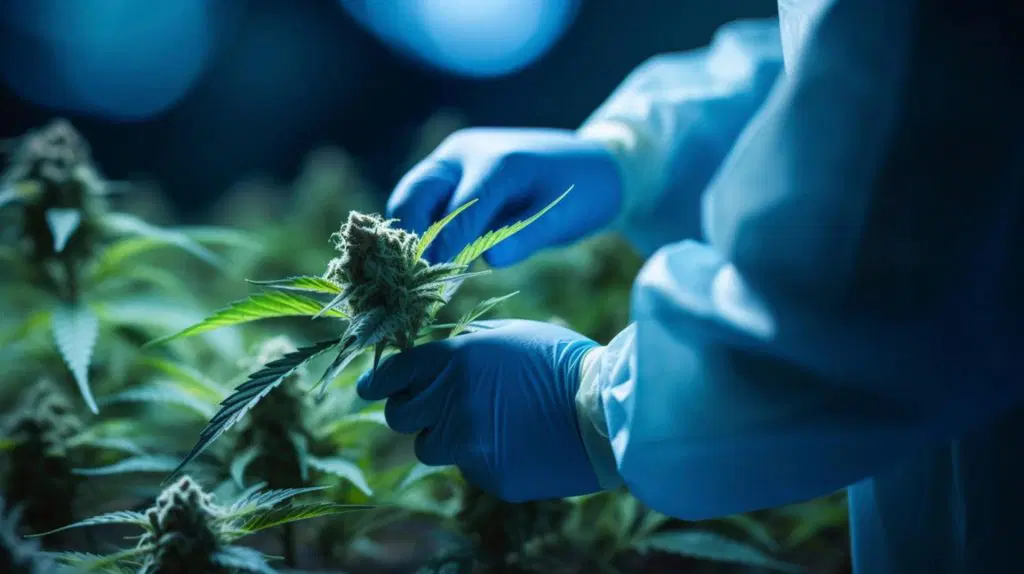
Best Practices for Harvesting Medical Cannabis for Maximum Potency
Harvesting medical cannabis is a delicate process that directly impacts the potency and quality of the final product. For medical cannabis users, especially those dealing with chronic conditions, the potency of cannabinoids like THC and CBD can determine the effectiveness of the medicine. Ensuring maximum potency during the harvesting process requires a careful and scientific approach that accounts for several factors, including the timing of harvest, environmental conditions, and post-harvest handling.
This guide will provide an in-depth examination of best practices for harvesting medical cannabis, focusing on how to preserve cannabinoid and terpene content, ensure medical efficacy, and avoid degradation. It is essential to note that the focus here is solely on medical use, excluding any recreational aspects.
1. The Importance of Harvest Timing
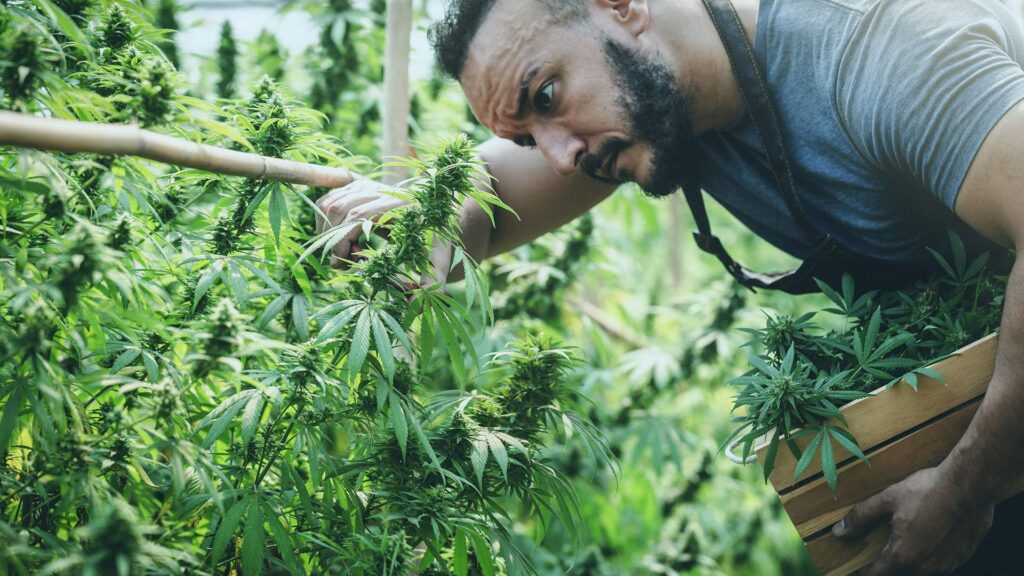
The timing of your cannabis harvest plays a critical role in determining the potency and efficacy of the final product. Harvesting medical cannabis at the right time allows for optimal cannabinoid development, including THC and CBD, as well as terpenes, which contribute to the medicinal benefits.
A. Trichome Color: A Key Indicator
The surface of cannabis flowers and leaves contains microscopic, sticky glands called trichomes. Most of the terpenes and cannabinoids in the plant are found in them. When your cannabis is ready to be harvested, one of the best ways to tell is to keep an eye on the color of the trichomes:
- Clear trichomes: This stage indicates that the cannabinoids are still immature, and harvesting at this point will result in a less potent product.
- Milky or cloudy trichomes: At this stage, THC levels have reached their peak, and this is generally considered the best time to harvest for medical cannabis high in THC. The milky appearance suggests that cannabinoids are fully developed.
- Amber trichomes: Once trichomes turn amber, THC starts to degrade into CBN (cannabinol), a cannabinoid known for its sedative effects. For certain medical conditions that require a more calming or sleep-inducing effect, some growers may prefer to wait until trichomes have started to amber.
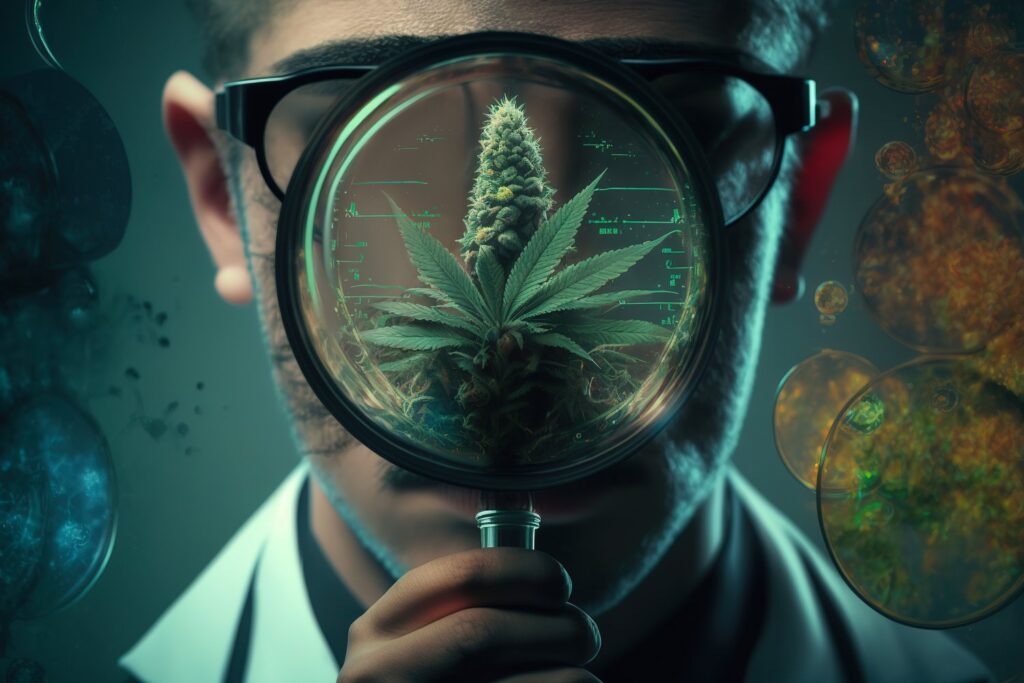
Best Practice: Use a jeweler’s loupe or a digital microscope to monitor the trichome color on your plants regularly as they near maturity.
B. Pistil Color
The pistils, which are the tiny hair-like structures on the buds, can also serve as an indicator of ripeness. Early in the flowering phase, pistils are white and straight. As the plant matures:
- 50% to 70% of pistils are brown/orange: This is the ideal harvest window for most growers focused on THC production, as the potency is at its peak.
- Over 70% of pistils are brown/orange: This stage may be suitable for users looking for higher levels of CBN or other secondary cannabinoids that can provide sedative effects.
Best Practice: In combination with trichome observation, the pistil method can help growers fine-tune the exact timing for harvesting based on their medical goals.
2. Environmental Factors and Their Influence on Harvesting
The environmental conditions during the flowering stage and immediately before harvest have a substantial impact on the potency of medical cannabis. Ensuring optimal environmental conditions can prevent degradation of cannabinoids and terpenes.
A. Temperature
High temperatures can degrade terpenes and cannabinoids, especially as the plants reach maturity. To preserve potency:
- Optimal Temperature: Keep the growing environment between 65-75°F (18-24°C) during the flowering stage and the final two weeks before harvest.
- Night Temperature: Cooler night temperatures (down to 60°F or 15°C) can help preserve terpenes and enhance the medicinal quality of the buds.
B. Humidity
Excess moisture in the air can lead to mold and mildew growth, which not only ruins potency but also poses a risk to patients who rely on cannabis for medical purposes. Moldy cannabis is especially dangerous for individuals with compromised immune systems or respiratory conditions.
- Optimal Humidity: During the late flowering stage, keep relative humidity between 40-50%. Lowering it to around 40% in the final two weeks helps protect against mold while preserving cannabinoid and terpene levels.
Best Practice: Use hygrometers and climate control tools to regulate temperature and humidity precisely in the grow space. Ensure consistent airflow to prevent moisture buildup.
3. Preparing for Harvest
Before you begin the actual harvesting process, it is essential to prepare the plants and the growing environment. A well-prepared grower can minimize cannabinoid and terpene loss during this critical phase.
A. Flushing the Plants
Flushing refers to the practice of watering cannabis plants with pure water (or water with a flushing agent) to remove any remaining nutrients from the soil or growing medium. This is crucial for medical cannabis, as excess nutrients can affect both the taste and safety of the final product.
- When to Flush: Begin flushing 10-14 days before your intended harvest date.
- Flushing Process: Stop feeding your plants any nutrients and give them only water. This process allows the plant to use up any remaining nutrients, ensuring that no residual chemicals are left in the final buds.
Best Practice: Flushing is especially important for patients using cannabis for medicinal purposes, as residual chemicals from fertilizers or pesticides can compromise the therapeutic value of the product.
B. Dark Period Before Harvest
Many growers swear by a period of extended darkness before harvesting, believing that this can increase resin production and preserve terpene content.
- Duration: Keep the plants in complete darkness for 24-48 hours before harvesting.
- Purpose: The theory is that the lack of light stress forces the plants to produce more resin as a protective mechanism, potentially boosting potency.
While the scientific evidence supporting this practice is still being debated, many growers report improved cannabinoid and terpene content after a dark period.
Best Practice: If choosing to implement a dark period, ensure that the grow room is sealed off from any light leakage during this phase.
4. Harvesting Techniques
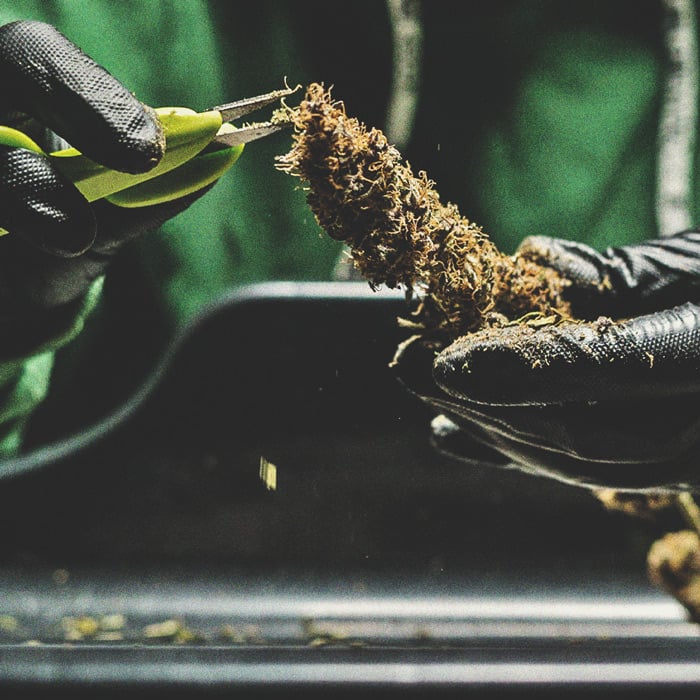
The method you use to cut and handle the cannabis plant during the harvest phase is just as important as the timing. Proper handling ensures that the trichomes remain intact, preserving the medical potency of the buds.
A. Manual Harvesting
For medical-grade cannabis, manual harvesting is always preferable to mechanical methods. Machines can be rough on the delicate trichomes, resulting in a loss of potency. When harvesting by hand:
- Use sharp scissors or pruning shears: A clean cut minimizes damage to the plant, which can affect the trichomes.
- Wear gloves: Trichomes are sticky and can be easily damaged by contact with bare hands. Nitrile gloves are a good choice, as they protect the trichomes without introducing contaminants.
- Handle gently: The less you touch the buds, the better. Trichomes are extremely delicate and can break off easily if handled too much.
Best Practice: Harvest the plants early in the morning when terpenes are most concentrated in the buds. Avoid exposure to direct sunlight during the harvest process, as this can degrade cannabinoids and terpenes.
B. Wet vs. Dry Trimming
Trimming refers to the process of removing the leaves surrounding the buds. There are two methods: wet trimming (immediately after harvesting) and dry trimming (after the buds have dried).
- Wet Trimming: This method is faster and helps reduce moisture content more quickly, which is beneficial in humid environments. However, wet trimming can be rough on the buds and trichomes, potentially reducing potency.
- Dry Trimming: Many growers prefer to hang their plants to dry before trimming. This allows the buds to cure more slowly, preserving cannabinoids and terpenes. Dry trimming is gentler on the buds, but it does require more time and care.
Best Practice: For medical-grade cannabis, dry trimming is usually the better option, as it ensures that the terpenes and cannabinoids remain intact.
5. Drying and Curing Cannabis for Maximum Potency
Once your cannabis plants have been harvested, the drying and curing processes are critical to preserving potency. Proper drying and curing maximize cannabinoid development, preserve terpenes, and prevent mold.
A. Drying Cannabis
It is best to dry slowly in a regulated setting. Rushing this process can cause cannabinoids to degrade and lead to a harsh final product.
- Ideal Drying Conditions: Aim for a temperature of around 60-70°F (15-21°C) with humidity levels between 45-55%.
- Airflow: Use fans to maintain consistent airflow, but avoid pointing them directly at the plants, as this can dry them out too quickly and cause terpene loss.
- Drying Time: The drying process typically takes 7-10 days. When the stems snap rather than bend, you’ll know the buds are dry.
Best Practice: Hang the plants upside down to dry in a dark room, as exposure to light can degrade cannabinoids and terpenes.
B. Curing Cannabis
Curing is the process of storing dried cannabis buds in airtight containers for several weeks to allow the cannabinoids and terpenes to fully mature. This step is crucial for enhancing both the potency and flavor of medical cannabis.
- Containers: Use glass jars with airtight seals for curing. Avoid plastic, as it can impart unwanted flavors and allow moisture to escape.
- Curing Time: Curing can take anywhere from 2-4 weeks, with some growers curing for several months to achieve maximum potency and flavor.
- Burping: During the first week of curing, open the jars for 10-15 minutes each day to allow excess moisture to escape and fresh air to circulate.
Best Practice: Monitor the moisture levels inside the jars carefully. If buds feel too dry, add humidity packs to maintain a consistent environment. Proper curing can significantly enhance the medical efficacy of the cannabis by preserving terpenes and stabilizing cannabinoids.
6. Post-Harvest Storage for Potency Preservation
After the curing process, how you store your cannabis is critical for maintaining its medical potency over time. Since terpenes and cannabinoids are susceptible to air, heat, and light, proper storage can stop their deterioration.
A. Storage Conditions
- Temperature: Keep the cannabis in a cool, dark place, ideally between 60-70°F (15-21°C).
- Humidity: Maintain humidity levels around 55-62%. Too much moisture can lead to mold growth, while too little can dry out the buds and reduce potency.
- Light Exposure: Since THC and other cannabinoids can be degraded by UV light, cannabis should always be stored in a dark atmosphere.
- Airtight Containers: Use glass jars with airtight seals. Avoid plastic or metal, as these materials can affect the flavor and quality of the cannabis.
Best Practice: For long-term storage, consider vacuum-sealing the cannabis in airtight bags and storing them in a cool, dark location. This will reduce exposure to light and air, two factors that might degrade cannabinoids.
7. Testing for Potency
For medical cannabis, testing cannabinoid and terpene levels after harvest is essential to ensure that the product meets the required standards for patient use. Many medical cannabis growers send samples to third-party laboratories for analysis, which can provide a detailed breakdown of THC, CBD, and other cannabinoid concentrations.
A. Potency Testing
- Laboratory Testing: Send a sample of your cured cannabis to a certified lab to measure the exact levels of cannabinoids and terpenes. Lab tests will also screen for contaminants like pesticides and mold.
- DIY Potency Testing Kits: If sending to a lab is not feasible, some growers use home potency testing kits. These kits can provide a rough estimate of cannabinoid levels but are not as accurate as professional labs.
Best Practice: For medical cannabis, always opt for laboratory testing when possible. Accurate potency results are essential for providing patients with the correct dosage and medical effects.
Restrictions on Growing and Using Cannabis in the Medical Field Only
In many regions around the world, strict regulations govern the cultivation and use of cannabis, particularly in the medical field. These limitations are intended to guarantee that cannabis is grown in a safe, regulated setting and used only for medical purposes.
- Licensed Growers Only: In most countries, only individuals or organizations with proper licenses from governmental health authorities are permitted to grow medical cannabis. These licenses ensure that growers meet stringent safety and quality standards.
- Strict Quality Control: Medical cannabis is subject to regular inspections and quality tests to ensure it is free from contaminants such as pesticides, mold, or harmful chemicals.
- Specific Conditions: Medical cannabis is often only approved for use in treating specific medical conditions such as epilepsy, chronic pain, multiple sclerosis, and certain cancers. Patients must usually have a doctor’s prescription and undergo an evaluation to confirm that cannabis is the most suitable treatment option.
Using Cannabis as a Last Resort in Medical Treatment
Cannabis is often considered a treatment of last resort, meaning that it is only prescribed when other, more traditional treatments have proven ineffective or unsuitable. This is primarily due to the limited long-term clinical research available on cannabis, as well as its psychoactive properties.
- Prioritizing Standard Treatments: Medical professionals are typically required to exhaust conventional treatments before recommending cannabis. This guarantees that cannabis will only be used when it is medically required, especially for people who don’t react well to other drugs.
- Medical Oversight: Cannabis prescriptions must be carefully monitored by a physician, who ensures that the patient is responding positively to the treatment and not experiencing adverse effects.
Monitoring THC Levels to Prevent Psychoactive Effects on Patients
One of the primary concerns with medical cannabis is its THC content, which is responsible for its psychoactive effects. In medical settings, particularly for vulnerable patients such as the elderly or children, it is crucial to monitor THC levels to avoid unwanted psychoactive side effects.
- Low-THC Strains: Many medical cannabis strains are bred to have low THC levels and high CBD content, which can offer therapeutic benefits without the psychoactive effects. For example, strains like CBD ACDC or Charlotte’s Web are often used for medical purposes.
- THC Monitoring in Medications: When cannabis is formulated into medical products such as oils, tinctures, or capsules, THC levels are carefully monitored and often reduced to minimal levels. This guarantees that patients will benefit medically from cannabis without getting “high.”
- Regular Testing: In the medical field, cannabis-based medications undergo frequent laboratory testing to ensure consistent potency and purity, with a particular focus on keeping THC levels within safe limits.
Conclusion
In conclusion, the cultivation and use of cannabis in the medical field are governed by strict practices and regulations to ensure patient safety and therapeutic efficacy. Growing medical cannabis requires adherence to stringent licensing, quality control, and cultivation standards to avoid contamination and ensure consistency in cannabinoid levels. Additionally, medical cannabis is often considered a last-resort treatment, prescribed only when conventional therapies have proven ineffective. This approach helps minimize unnecessary use and ensures cannabis is reserved for those patients who genuinely need it for conditions such as epilepsy, chronic pain, or multiple sclerosis.
Moreover, the monitoring of THC levels in medical cannabis is critical to preventing unwanted psychoactive effects, especially in vulnerable patients such as children or the elderly. By prioritizing low-THC, high-CBD strains and regularly testing medical cannabis products, healthcare providers can deliver the therapeutic benefits of cannabis without compromising patient well-being. Ensuring that THC content remains within safe limits is essential in promoting the safe use of cannabis in a medical setting.
Overall, these restrictions and best practices collectively ensure that cannabis remains a reliable and effective tool in medical treatment while mitigating the risks associated with its psychoactive properties. By maintaining high standards, the medical cannabis industry can continue to provide safe, controlled access to this valuable medicine for those in need.
