Table of Contents
Best movies to watch high
Introduction to High Viewing: Choosing the Right Film

The process of selecting the ideal film for viewing under the influence of cannabis, often termed “high viewing,” combines both artistic sensitivity and scientific thought. This document aims to outline the essential factors and guidelines for selecting films that complement and enhance the altered states of awareness brought on by marijuana. Through an analysis of different cinematic genres and themes, as well as viewer preferences, this guide intends to assist individuals in optimizing their enhanced viewing experience.
Cannabis’s Influence on Viewer Perception
Cannabis is recognized for its ability to alter perceptions, intensifying sensory experiences and modifying the viewer’s engagement with visual and auditory content. Selecting films for high viewing should consider how marijuana affects cognitive and emotional responses. Generally, cannabis may amplify the appreciation for detailed visuals, enhance emotional receptiveness, and allow for greater engagement with leisurely paced stories.
Genre Selection
Choosing a suitable genre is critical when planning a high viewing session:
- Comedy: This genre is particularly favored due to cannabis’s euphoria-inducing properties, making humorous content more enjoyable and laughter more likely.
- Visual Spectacles: Films that focus on visual storytelling, like those in the fantasy or science fiction genres, are enhanced by the heightened visual and auditory sensitivity that comes with cannabis use, making their elaborate visuals and soundscapes especially impressive.
- Dramas: Those looking for a deeper emotional experience might find dramas more captivating, as they provide rich narratives and complex character studies that resonate on a deeper level when enhanced by cannabis.
- Documentaries: Engaging documentaries, especially those exploring topics like nature, philosophy, or technology, can stimulate profound thought and wonder, enriching the viewer’s understanding and appreciation.
Considerations of Mood and Environment
The setting in which the film is watched and the viewer’s mood are pivotal in choosing the appropriate film. A comfortable and safe environment enhances the experience, as does selecting a film that matches the viewer’s emotional state to avoid adverse reactions.
Individual Preferences and Experiences
Personal preferences and past experiences with cannabis and film also play a significant role in film selection. It is beneficial to consider one’s comfort with various genres and past reactions to cannabis when choosing a film, especially for those new to high viewing, opting for lighter or more familiar genres may be preferable.
Conclusion
Selecting an appropriate film for high viewing involves understanding the nuanced effects of cannabis on personal experience and matching these with suitable cinematic choices. By aligning film genre with individual preferences, mood, and environment, viewers can greatly enhance their enjoyment and engagement with the film. As always, responsible use and mindfulness are advised to ensure a positive and safe cinematic experience while under the influence of cannabis.
Classic Stoner Comedies: Timeless Favorites
This essay explores the enduring appeal of classic stoner comedies, a genre that blends humor with cannabis culture, offering both entertainment and a critique of societal norms. These films, known for their lighthearted depictions of marijuana use and ensuing comedic situations, have maintained their popularity by combining humor, character arcs, and societal commentary effectively. This analysis examines the elements that have established these movies as perennial favorites in the cinematic landscape.
Historical Emergence and Context
Emerging prominently in the late 20th century, stoner comedies mirrored a shifting cultural acceptance of marijuana, challenging existing stereotypes and legal restrictions. Originating with groundbreaking films like Cheech & Chong’s Up in Smoke (1978), the genre introduced cannabis culture into mainstream cinema, paving the way for future films to explore these themes with humor and openness.
Characteristics of Stoner Comedies
Typically centered around protagonists whose lifestyles include regular cannabis use, stoner comedies thrive on the comedic potential of their misadventures. The humor often stems from the contrast between the protagonists’ relaxed approach to life and the more rigid, sometimes chaotic societal structures around them. These narratives usually depict the characters navigating a series of absurd events that highlight their nonconformity to societal expectations, serving both as a source of laughter and a critique of mainstream societal values.
Cultural Significance and Lasting Popularity
The lasting popularity of classic stoner comedies is due to their resonance with cultural perspectives on authority, personal freedom, and nonconformity. Films like Dazed and Confused (1993) and The Big Lebowski (1998) capture the spirit of their times while providing escapism and addressing the era’s social and cultural issues. The characters’ relatable, carefree escapades offer viewers a humorous release from societal pressures.
Key Contributions to the Genre
Several films are notable for their impactful contributions to the stoner comedy genre. For example, Half Baked (1998) is renowned for its straightforward comedic portrayal of marijuana, broadening the genre’s appeal. Additionally, Pineapple Express (2008) demonstrates the genre’s versatility by blending comedy with action elements, appealing to a broader audience.
Conclusion
Classic stoner comedies continue to be celebrated within film history, appreciated for their distinctive blend of humor, cultural critique, and celebration of life’s quirks through the perspective of cannabis use. These films not only entertain but also offer valuable insights into social dynamics, cementing their status as timeless favorites. As cultural attitudes toward marijuana evolve, the relevance and appreciation of stoner comedies are expected to increase, highlighting their significant impact on both film and broader cultural discourse.

Visual Spectacles: Movies with Stunning Cinematography
This paper examines the critical role of cinematography in creating visually stunning films, highlighting how this art form enhances narrative storytelling through sophisticated visual techniques. Cinematography involves the complex integration of camera work, lighting, and composition, serving as an essential narrative device that deepens the visual appeal and emotional impact of a film. This analysis will focus on movies renowned for their exceptional cinematography, exploring how they employ these elements to engage and mesmerize audiences.
The Essence of Cinematography in Cinema
Cinematography is both an art and a technique of film imaging and capture. It encompasses various elements such as framing, composition, lighting, and color, all orchestrated to fulfill and enrich the director’s visual narrative. The cinematographer, also known as the director of photography, is pivotal in transforming the director’s vision into compelling visual narratives that emotionally and intellectually engage the audience.
Influence of Cinematography on Viewer Experience
Outstanding cinematography transforms a film into a visual feast that elevates it beyond simple storytelling. Through creative camera techniques and lighting, cinematographers forge immersive worlds that pull viewers deeper into the story, making the viewing experience more engaging and emotional. Techniques like expansive panoramas, detailed close-ups, and dynamic movements enrich the film’s visual narrative, adding layers of meaning and sophistication.
Highlighting Films Notable for Cinematographic Excellence
Several films have achieved acclaim for their cinematographic prowess; notable examples include:
- “Lawrence of Arabia” (1962) – Directed by David Lean: Celebrated for its grand desert scenes captured on 70mm film, Freddie Young’s cinematography in this historical epic is considered one of the cinematic greats. The vast landscapes and meticulous composition are not just scenic backdrops but are integral to the film’s deeper themes.
- “Blade Runner” (1982) – Directed by Ridley Scott: In this neo-noir sci-fi, Jordan Cronenweth’s cinematography crafts a visually rich, futuristic cityscape using shadows and neon lights. The moody lighting and rain-drenched settings contribute to the film’s atmospheric depth, enhancing its dystopian narrative.
- “The Revenant” (2015) – Directed by Alejandro González Iñárritu: Emmanuel Lubezki’s decision to shoot entirely with natural light in this survival drama demonstrates the impactful use of naturalistic cinematography. The stark, relentless landscapes shot with wide-angle lenses fully immerse the viewer in the film’s harsh environmental and emotional landscape.
Conclusion
In summary, films distinguished by their cinematography not only dazzle visually but also enrich the viewer’s sensory and emotional engagement with the story. Through the skilled lenses of cinematographers, films become more than just visual narratives; they evoke emotions, convey themes, and leave lasting impressions. As cinematographic techniques continue to evolve, they promise new possibilities for exploring the limitless visual potential of cinema, ensuring that the art of cinematography will remain a mesmerizing and influential force in filmmaking.
Mind-Bending Sci-Fi and Fantasy Films
This scholarly examination focuses on the profound impact and unique characteristics of mind-bending science fiction and fantasy films within the cinematic landscape. Renowned for their exploration of abstract concepts and elaborate narratives, these genres challenge traditional perceptions of reality and expand the horizons of narrative cinema. The aim of this paper is to explore how these films address philosophical questions, utilize advanced visual techniques, and influence cultural discussions regarding technology and the human condition.
Key Features of Mind-Bending Sci-Fi and Fantasy Films
Mind-bending sci-fi and fantasy films are distinguished by their complex storytelling, intricate character arcs, and elaborately crafted worlds that often defy conventional notions of time, space, and identity. These films commonly integrate elements of the surreal and speculative to tackle existential themes, prompting viewers to reevaluate the nature of reality and their own existence.
Philosophical Depth and Thematic Exploration
These genres excel in probing deep philosophical and existential questions, serving as mediums for reflecting on human existence and the essence of reality. Films like Blade Runner (1982) and Inception (2010) explore the intricacies of human consciousness and the ethical dimensions of technological advancement, engaging audiences in thoughtful contemplation. Fantasy films like Pan’s Labyrinth (2006) use mythical elements intertwined with historical realities to comment on themes of innocence, oppression, and the power of escapism.
Innovations in Film Technology
The narrative impact of mind-bending sci-fi and fantasy films is often enhanced by technological advancements in film-making, particularly in areas like CGI and visual effects. These tools are not only pivotal for creating visually captivating scenes but also essential for conveying the thematic substance of the films. For instance, the innovative visual effects in The Matrix (1999) were not just visually striking but integral to the film’s conceptual and narrative depth.
Cultural Relevance and Audience Impact
Mind-bending sci-fi and fantasy films resonate deeply with audiences by mirroring modern societal concerns about technology, identity, and the future. They act as cultural barometers that influence public discourse and encourage dialogue on pressing issues such as the moral implications of AI or the societal impacts of technological progress.
Conclusion
In summary, mind-bending science fiction and fantasy films are vital cultural and artistic expressions that enrich the cinematic experience. By challenging narrative and visual norms, they offer profound insights into the human psyche, stimulate intellectual engagement, and inspire the imagination. As these genres continue to develop, their role in fostering philosophical discussion, driving technological innovation, and influencing cultural dialogue is expected to grow, maintaining their appeal and significance to global audiences.
Animated Films: A Trip Through Colors and Creativity
This essay investigates the vibrant domain of animated films, emphasizing their ability to enchant audiences through a masterful combination of color and creative expression. As a distinct genre, animation transcends traditional cinematic boundaries, offering a canvas where imagination reshapes reality. This analysis will discuss how animated films leverage color, artistic design, and innovative techniques to forge engaging narratives and build captivating worlds.
Foundations of Artistic Expression in Animation
Animation merges classical art principles with modern technology, creating a unique medium where the visual narrative is limited only by the creator’s imagination. Unlike live-action films, which are anchored in physical reality, animation is crafted through the imaginative assembly of images, giving life to ideas and objects that otherwise lack animation, thus opening endless possibilities for storytelling.
Significance of Color in Animation
In animated films, color is not merely a visual element but a critical narrative and emotional tool. It sets the scene’s tone, differentiates characters, and highlights key themes. For instance, Inside Out (2015) uses distinct colors to symbolize various emotional states, deepening viewers’ engagement with the characters’ experiences. Coco (2017) utilizes a vivid palette to amplify its cultural narrative and enhance the storytelling impact.
Technological Innovations in Animation
Animation has evolved through significant technological advancements, from classic hand-drawn techniques to contemporary computer-generated imagery (CGI). Each method contributes uniquely to the film’s aesthetic. Traditional animation, as seen in The Lion King (1994), offers intricately detailed environments, while Toy Story (1995), as the first fully computer-animated feature, showcased how CGI could create lifelike 3D environments, setting new industry standards.
Cultural Significance and Broad Appeal
Animated films appeal universally, engaging both children and adults while transcending cultural boundaries. They address fundamental themes such as identity, ethics, and belonging, making them relevant across different life stages and cultures. The adaptability of animation to various cultural aesthetics enhances its role as a medium for cultural representation and dialogue.
Conclusion
In summary, animated films stand out as a synthesis of art and technology, captivating audiences through visually innovative and deeply narrative experiences. As both an artistic medium and a storytelling form, animation has widespread appeal, merging visual innovation with significant narrative depth. With continual technological progress, animation remains a dynamic field in cinema, poised to continue captivating global audiences with its creativity and cultural depth. Thus, animated films maintain their essential role in the cinematic world, continually engaging and inspiring viewers worldwide.

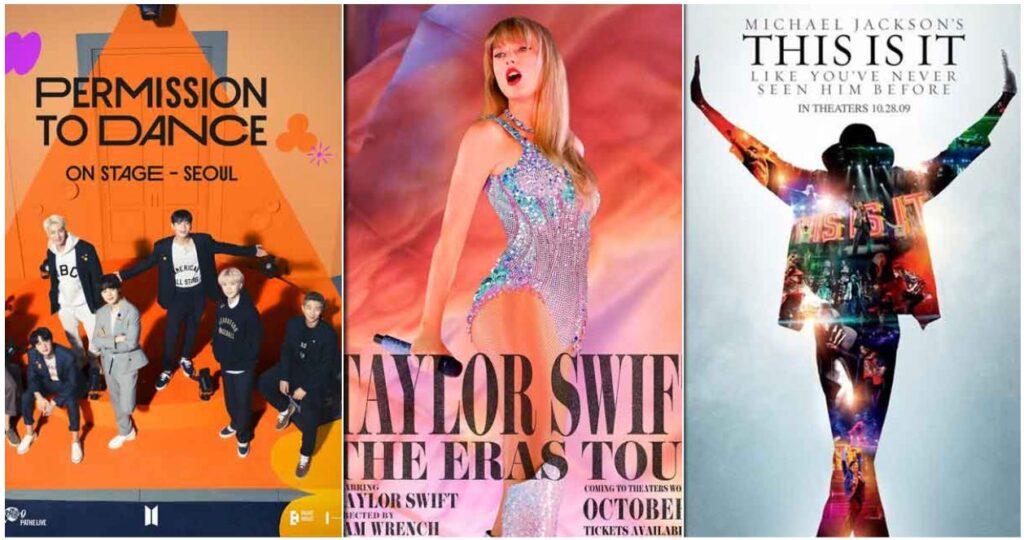
Music and Concert Films: Enhanced by Highs
This academic essay examines the enhancement of music and concert films through altered states induced by cannabis consumption, analyzing how these states heighten sensory perceptions and enrich the viewer’s engagement with the film. Music and concert films, merging audio and visual elements, offer immersive experiences that are uniquely susceptible to enhancement through such psychoactive experiences. The aim is to explore how these altered states can intensify both the aesthetic appeal and emotional depth of these films.
Deepened Sensory and Emotional Engagement
Cannabis is known for its ability to amplify sensory perceptions and elevate emotional responses. In the context of music and concert films, this can lead to a deeper connection with both the visual presentation and the music itself. The psychoactive effects of cannabis may make the music seem more profound and the visuals more striking, transforming a typical viewing into a vivid, immersive experience akin to attending a live concert.
Enhanced Appreciation of Musical Elements
The enhancement of musical appreciation under the influence of cannabis is well-documented, with users often experiencing increased sensitivity to aspects like sound depth, pitch, and rhythm. This heightened auditory awareness can allow viewers of concert films to discern finer details in the musical performance, such as nuances in the artist’s vocal delivery, the intricacies of instrumental arrangements, and the emotional undertones of the music, thereby enriching the viewing experience.
Increased Emotional Resonance
Music and concert films aim to foster a connection between the performer and the audience, an effect that can be magnified by cannabis consumption. The emotional enhancement that often accompanies cannabis use can deepen viewers’ emotional responses, promoting a greater sense of communion with the performers and fellow viewers. This amplified emotional engagement can make the energy and passion of live performances more tangible and emotionally striking.
Considerations and Cultural Implications
The enhancement provided by cannabis can significantly elevate the experience of music and concert films, though individual reactions can vary greatly. It is crucial to consider the personal and subjective nature of cannabis effects, as not all viewers may experience an enhanced film experience. Furthermore, the evolving legal and cultural landscapes surrounding cannabis use must be considered when discussing its application in enhancing cinematic experiences.
Conclusion
Ultimately, the synergy between cannabis-induced altered states and music and concert films can greatly amplify the sensory and emotional aspects of these films. This enhanced engagement can lead to a more profound appreciation of the artistic expressions within music and cinematography, as well as a deeper emotional connection to the performances. As societal attitudes towards and understanding of cannabis continue to advance, its role in enhancing artistic and cinematic experiences will likely be increasingly recognized and valued, leading to novel forms of engaging with cinema.
Cult Classics: Weird, Wonderful, and Trippy
This academic paper explores the unique domain of cult classics, films that might not have initially achieved widespread acclaim but have cultivated a fervent and dedicated following over time. Characterized by their unconventional plots, quirky characters, and surreal visuals, cult classics are celebrated for their deviation from mainstream cinematic norms. This discussion aims to dissect the key attributes that forge a film’s status as a cult classic and to consider the broader cultural implications of these idiosyncratic cinematic works.
Hallmarks of Cult Classics
Cult classics distinguish themselves through their innovative, often radical, approaches to film form and content. These films might employ avant-garde visual styles, unusual narrative techniques, or tackle themes that mainstream films shy away from, often addressing existential queries or societal critiques. Films such as A Clockwork Orange (1971) and Eraserhead (1977) are prime examples, featuring provocative imagery and unconventional story structures that challenge and engage viewers on multiple levels.
Stylistic and Thematic Elements
The narrative and visual style of cult classics typically includes elements that are unusual, intriguing, or mind-bending. The use of surreal, sometimes bizarre visuals alongside unique storytelling often deepens the thematic exploration, prompting audiences to reconsider norms about morality, reality, and social order. These stylistic choices not only define the aesthetic of the films but also enhance their philosophical undertones, engaging audiences in a deeper contemplation of complex themes.
Community Engagement and Legacy
Cult classics excel in creating and sustaining dedicated fan communities. These films inspire devoted viewership, where fans may engage deeply with the content through repeated viewings, quoting lines, or dressing as characters during public screenings. This level of engagement not only perpetuates the films’ popularity over time but also fosters a sense of community among fans, spanning across diverse demographic and generational lines.
Impact on Cultural Dialogue
Cult classics significantly impact the cultural landscape, shaping various elements of popular culture, including music, fashion, and language. They often reflect and resonate with subcultural movements, offering insights into alternative societal perspectives. By challenging conventional filmmaking norms and provoking thoughtful discourse, these films invite viewers to critically engage with both the content and the medium itself.
Conclusion
In summary, cult classics continue to captivate for their boldness in artistic expression and their impact on cultural dialogue. Their distinct, often eccentric elements not only entertain but provoke thought, discussion, and cultural analysis. As such, cult classics remain pivotal in their contribution to the arts and culture, consistently challenging the boundaries of traditional cinema and inspiring vibrant, enduring communities of fans.
Horror Movies: A Thrill-Seeking Experience
This scholarly paper examines the horror genre within cinema, highlighting the unique ways in which these films cater to the thrill-seeking tendencies of their audiences. Renowned for eliciting fear, suspense, and a wide array of intense emotional responses, horror movies capitalize on human fascination with the macabre and the physiological excitement that comes with experiencing fear. This analysis seeks to explore the psychological appeal of horror films, their defining thematic and stylistic characteristics, and the cultural impact they wield.
Psychological Appeal of Horror Cinema
The fascination with horror films is intricately linked to human psychology. These films engage deeply with our most primal fears and survival instincts, offering viewers a vicarious confrontation with terrifying scenarios. This genre leverages the ‘fight or flight’ response to provide a controlled environment where viewers can experience intense emotional stimulation without real danger, serving a cathartic role that fulfills our innate need for fear-induced excitement.
Thematic and Cinematic Techniques
Horror films are adept at employing specific cinematic techniques to induce fear, such as suspenseful music, dimly lit settings, jump scares, and unsettling visuals. These elements work together to create an atmosphere filled with tension and foreboding, maximizing the emotional effect on the audience. Thematically, horror films often delve into universal concerns like mortality, the unknown, and existential fears, while also reflecting on social issues by portraying monsters and supernatural phenomena as metaphors for real-world anxieties.
Societal Reflections and Impact
The prevalence of horror films often increases during periods of societal tension, suggesting that these movies provide a medium for society to engage with and manage collective fears in a symbolic way. Horror movies thus act as a mirror, reflecting and sometimes amplifying the prevalent anxieties and moral quandaries of the times.
Community and Shared Experience in Horror Viewing
The experience of watching horror movies is frequently a communal activity, which enhances their appeal. Experiencing fear in a group setting can foster a sense of bonding as viewers collectively navigate the emotional highs and lows presented by these films. The act of sharing theories, reactions, and relief after frightening sequences can solidify community ties and enhance the overall enjoyment of the genre.
Conclusion
In essence, horror movies provide a sophisticated blend of psychological engagement, artistic expression, and social commentary, offering audiences a compelling thrill-seeking experience. They allow viewers to confront fears in a safe setting while also inviting them to reflect on deeper societal issues and personal anxieties. As such, the horror genre maintains its significant position in film history as a continually evolving form of cinema that both enthralls and educates its audiences.
Viewer Recommendations: Top Picks from the Cannabis Community
This scholarly article delves into the film preferences prevalent within the cannabis community, presenting a collection of films that have garnered significant appreciation from this group. These selections are celebrated for their thematic richness, imaginative visual presentation, and their resonance with the psychosocial effects of cannabis use, providing a distinctive viewing experience that is particularly valued by cannabis enthusiasts. The aim of this paper is to outline the community’s preferred films, examining the reasons for their popularity and their capability to enhance the sensory experience augmented by cannabis.
Selection Criteria
Films favored by the cannabis community often share common features: they offer immersive visuals, explore themes of altered consciousness, and foster relaxation, humor, or deep contemplation. Additionally, films that provide an escape from reality or creatively manipulate perceptions of time and space are highly regarded. This selection is based on active discussions in cannabis forums, critiques from cannabis lifestyle media, and community surveys.
Top Film Picks
- “Pineapple Express” (2008) – Blending action and comedy centered around marijuana, this film has become a staple within the cannabis culture for its humorous depiction of a cannabis-centric adventure, offering both amusement and a positive portrayal of cannabis users.
- “Inception” (2010) – Renowned for its intricate plot and stunning visual effects, “Inception” delves into themes of the mind, dreams, and altered realities. Its complex narrative and surreal visuals make it particularly appealing to those experiencing the enhanced cognitive and perceptual states induced by cannabis.
- “The Big Lebowski” (1998) – This film’s cult following stems from its eccentric characters, philosophical overtones, and a laid-back, meandering storyline. Its blend of visual and dialogue-driven humor makes it a favorite among cannabis users.
- “Fantasia” (1940) – This timeless classic combines classical music with vivid animations in a way that is both soothing and visually captivating. The lack of a structured narrative allows for a free-flowing interpretation of music and imagery, which is often enhanced by the effects of cannabis.
Cultural and Psychological Alignment
The films cherished by the cannabis community resonate not just through their narrative or aesthetics but also by aligning with the altered states of consciousness typical of cannabis use. These movies amplify aspects such as enhanced sensory perception, altered awareness of time and space, and a deeper contemplative engagement, all of which are valued by cannabis users.
Conclusion
In conclusion, the recommended films from the cannabis community are particularly suited to augmenting the unique sensory experiences associated with cannabis consumption. These films are appreciated not merely for their entertainment value but also for their ability to complement and intensify the introspective and perceptual shifts experienced by cannabis users. This selection provides valuable insight into the interaction between cannabis-induced effects and film appreciation, offering an important resource for both enthusiasts and researchers interested in the intersection of cannabis use and cinematic experience.
