
Best Growing Mediums for Medical Cannabis
Growing medical cannabis is an intricate process that requires careful attention to various factors, including the choice of growing medium. The medium not only provides structural support to the plant but also affects nutrient delivery, water retention, and root aeration—all of which play crucial roles in producing high-quality medical cannabis. Different growing mediums offer unique benefits, and understanding them is essential for cultivators aiming to grow cannabis with specific therapeutic properties.
In this detailed analysis, we will explore the best growing mediums for cultivating medical cannabis. We’ll delve into each medium’s characteristics, advantages, and disadvantages in the context of medical cannabis cultivation, and provide insights on how they can be optimized for producing cannabis for medical use.
1. Soil
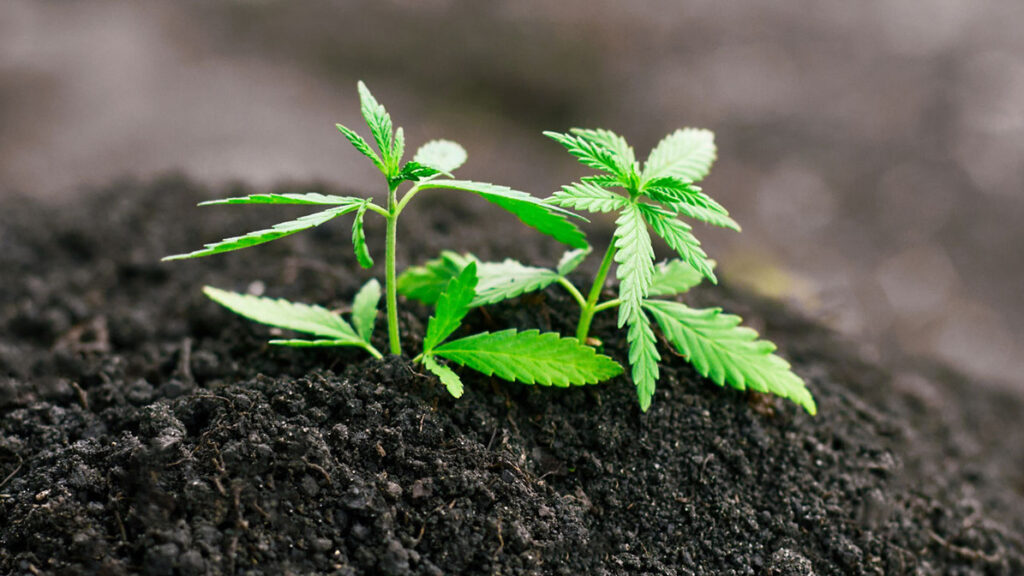
Soil is one of the most traditional and widely used growing mediums for cannabis cultivation. When properly amended, it can offer an ideal balance of nutrients, moisture retention, and aeration for growing medical cannabis.
Characteristics:
- Nutrient-rich: Soil, especially organic soil, can naturally contain essential nutrients required for cannabis growth.
- Microbial life: High-quality soil fosters beneficial microbial life, which aids in nutrient uptake by the plant and helps protect against pathogens.
- Water retention: Soil tends to hold moisture well, ensuring that roots remain hydrated between waterings.
- pH buffering: Soil has a natural ability to buffer pH fluctuations, making it easier to maintain an optimal pH range for cannabis growth.
Best Soil Types for Medical Cannabis:
- Loamy soil: This is often considered the best type of soil for growing medical cannabis due to its well-balanced mixture of sand, silt, and clay. Loamy soil retains enough moisture and nutrients while offering appropriate drainage.
- Super soil: Super soil is a pre-amended, organic soil mixture containing a variety of natural nutrients such as compost, earthworm castings, and other organic matter. Super soil requires minimal additional fertilization and is favored by many medical cannabis growers who want to avoid synthetic inputs.
Medical Use Considerations:
Soil-grown cannabis often has a rich terpene profile, which can enhance the plant’s medicinal properties. For patients using cannabis to treat chronic pain, anxiety, or sleep disorders, the broader range of cannabinoids and terpenes found in soil-grown plants can enhance the “entourage effect”—a synergistic interaction between cannabinoids and terpenes that enhances the therapeutic effects of cannabis.
Challenges:
- Nutrient control: Soil’s natural nutrient composition can make it harder to precisely control nutrient levels, which could lead to nutrient imbalances.
- Pest issues: Soil can attract pests like fungus gnats or soil-borne pathogens that can negatively impact cannabis health.
- Water retention: While soil’s water retention properties can be beneficial, overwatering can lead to root rot or other fungal diseases.
2. Coco Coir
Coco coir, made from the fibers of coconut husks, is a popular growing medium in the cannabis industry due to its environmentally friendly nature and versatility.
Characteristics:
- Aeration: Coco coir is an excellent medium for promoting root aeration due to its loose structure.
- Water retention: Coco coir holds water well but also drains easily, reducing the risk of overwatering and promoting healthy root growth.
- Sustainability: As a byproduct of the coconut industry, coco coir is a renewable and sustainable growing medium, making it an eco-friendly choice for cannabis cultivation.
- Neutral pH: Coco coir has a neutral pH, making it easy for growers to manage the pH levels required for optimal cannabis growth (typically 5.8-6.2).
Best Coco Coir Mixes for Medical Cannabis:
- Coco coir with perlite: Mixing coco coir with perlite (a volcanic rock that enhances aeration) improves drainage and further prevents waterlogging, making it an excellent choice for medical cannabis growing.
- Buffered coco coir: Some forms of coco coir are pre-buffered with calcium and magnesium, ensuring that the medium is balanced for nutrient uptake.
Medical Use Considerations:
Coco coir’s ability to promote rapid root development and healthy plant growth can lead to high yields of medical-grade cannabis. This is particularly important for producing consistent, potent medicine for patients who require cannabis for conditions such as cancer-related nausea, epilepsy, or chronic pain. Coco-grown cannabis often has a clean flavor profile, which is ideal for patients sensitive to contaminants or additives.
Challenges:
- Nutrient supplementation: Coco coir lacks inherent nutrients, so growers must supply a complete nutrient solution to ensure optimal plant health. This may require a lot of resources in the long run.
- Calcium and magnesium deficiencies: Coco coir has a tendency to bind with calcium and magnesium, leading to deficiencies if not properly supplemented.
3. Perlite and Vermiculite
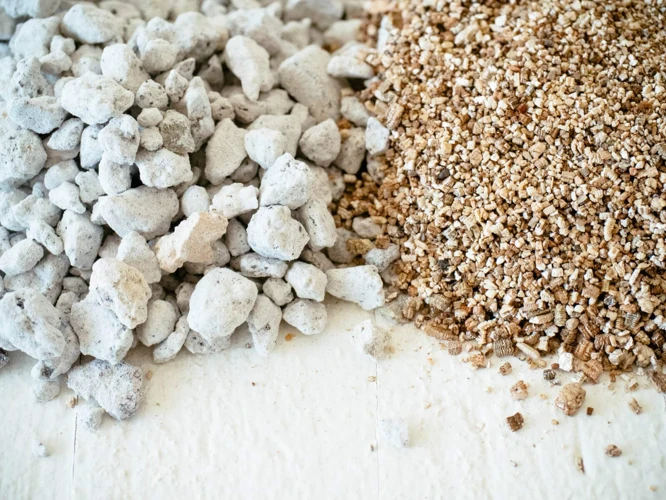
Perlite and vermiculite are both lightweight, mineral-based growing mediums often used in cannabis cultivation to improve aeration and water retention.
Characteristics of Perlite:
- Aeration: Perlite is a highly porous medium that improves aeration in soil or coco coir, allowing roots to access more oxygen.
- Water drainage: Perlite’s porous structure also enhances drainage, preventing waterlogging and root rot.
- Neutral pH: Perlite has a neutral pH, making it a versatile amendment to a variety of growing mediums.
Characteristics of Vermiculite:
- Water retention: Vermiculite holds moisture more effectively than perlite, making it an ideal additive in dry environments or for plants that require more consistent moisture.
- Aeration: While vermiculite provides some aeration, it is less effective than perlite in this regard, so it is often used in conjunction with other aerating mediums.
Best Mixes for Medical Cannabis:
- Soil-perlite mix: A blend of perlite and soil can improve drainage and prevent overwatering, while still allowing the plant to benefit from the organic matter in the soil.
- Coco-perlite mix: Adding perlite to coco coir enhances the aeration and water management of this medium, ensuring robust root growth for medical cannabis plants.
Medical Use Considerations:
The use of perlite or vermiculite in cannabis growing ensures that the plant’s root system remains healthy, reducing the risk of diseases or pests that could compromise the quality of the medicine. For patients who rely on cannabis for conditions such as multiple sclerosis or post-traumatic stress disorder (PTSD), a clean, disease-free crop is essential to maintaining the efficacy of their treatment.
Challenges:
- Minimal nutrients: Both perlite and vermiculite are inert and do not provide any nutrients, requiring cultivators to rely on a comprehensive nutrient regimen.
- Potential for over-watering with vermiculite: Due to its high water retention, vermiculite can lead to over-watering if not carefully managed.
4. Rockwool
Rockwool, a hydroponic growing medium made from melted rock fibers, is commonly used in high-tech cannabis cultivation facilities.
Characteristics:
- Water retention: Rockwool holds a significant amount of water, making it a reliable medium for hydroponic systems.
- Sterile medium: As a man-made material, rockwool is sterile and free from pests, pathogens, and weed seeds, reducing the risk of contamination.
- Root aeration: Rockwool’s fibrous structure provides excellent aeration for roots, promoting healthy growth and nutrient uptake.
Best Rockwool Systems for Medical Cannabis:
- Hydroponic drip systems: When water and nutrients are given straight to the roots of plants via hydroponic drip systems, rockwool performs incredibly well.
- Ebb and flow systems: Rockwool can also be used in ebb and flow systems, where the growing medium is periodically flooded with a nutrient solution before draining.
Medical Use Considerations:
Rockwool-grown cannabis is often highly potent and consistent, which is critical for medical patients who need reliable dosages for chronic conditions like glaucoma, arthritis, or neurological disorders. The sterile nature of rockwool ensures a contamination-free environment, reducing the risk of molds or pathogens that could degrade the quality of the medical product.
Challenges:
- pH fluctuations: Rockwool can cause pH fluctuations, requiring careful monitoring and adjustment of the nutrient solution.
- Environmental concerns: Rockwool is not biodegradable, raising concerns about its environmental impact, particularly for cultivators focused on sustainable practices.
5. Hydroponics
Hydroponics is a soilless growing method where cannabis plants are cultivated in nutrient-rich water solutions, often using inert growing mediums like coco coir, perlite, or rockwool.
Characteristics:
- Nutrient control: Hydroponics allows for precise control over nutrient delivery, leading to optimized growth rates and higher yields.
- Faster growth: Without the resistance of soil, cannabis plants can grow faster in hydroponic systems, producing more medicine in less time.
- Water efficiency: Hydroponics systems can be more water-efficient than traditional soil-based methods, as water is recirculated in closed-loop systems.
Best Hydroponic Systems for Medical Cannabis:
- Deep water culture (DWC): Water, oxygen, and nutrients are always available to the plant roots in DWC systems because the roots are suspended in a nutrient-rich solution.
- Aeroponics: In aeroponic systems, plant roots are suspended in the air and misted with a nutrient solution, promoting extremely fast growth and efficient nutrient uptake.
Medical Use Considerations:
Hydroponic cannabis is prized for its potency and purity, making it ideal for producing medical cannabis for patients with severe conditions like cancer, Crohn’s disease, or epilepsy. The precision offered by hydroponics ensures consistent cannabinoid and terpene profiles, leading to uniform therapeutic effects across different batches.
Challenges:
- Technical expertise: For novice gardeners, hydroponic systems can be difficult to operate since they demand a greater degree of technical expertise and oversight.
- Equipment cost: The initial setup costs for hydroponic systems can be prohibitive, although they often pay off in terms of higher yields and faster growth.
6. Aeroponics
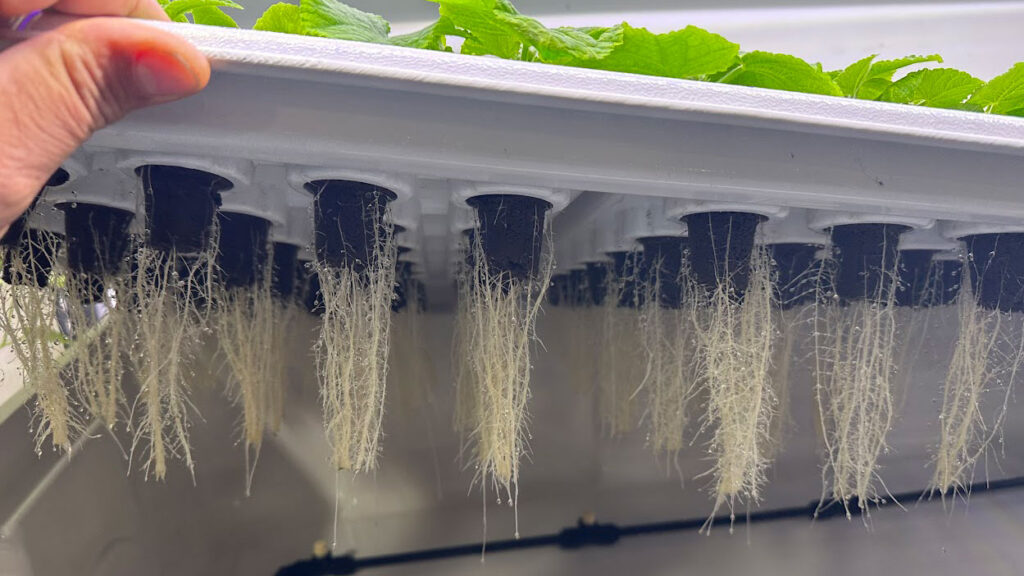
Aeroponics, a specialized form of hydroponics, involves growing plants with their roots suspended in the air, misted periodically with a nutrient-rich solution. This cutting-edge method is gaining popularity for medical cannabis cultivation due to its high efficiency and ability to promote rapid growth.
Characteristics:
- Maximum oxygenation: By suspending the roots in the air, aeroponics provides maximum oxygenation, promoting faster growth and better nutrient uptake.
- Water conservation: Aeroponics uses less water than traditional hydroponic methods, making it one of the most water-efficient growing techniques.
- Precise nutrient delivery: Aeroponics, like other hydroponic techniques, provides exact control over the nutrient solution, guaranteeing ideal growing circumstances for medical marijuana.
Best Aeroponics Systems for Medical Cannabis:
- Vertical aeroponics: Vertical aeroponic systems maximize space efficiency, making them ideal for indoor medical cannabis cultivation where space may be limited.
Medical Use Considerations:
Aeroponics allows for extremely rapid growth and high yields of medical cannabis, which can be crucial for patients with conditions requiring a continuous supply of cannabis, such as those undergoing chemotherapy. The sterile environment of aeroponic systems minimizes the risk of contaminants, ensuring a high-quality medicinal product.
Challenges:
- High cost and complexity: Aeroponics systems are more expensive and complex than other growing methods, requiring significant technical expertise to manage.
- Vulnerability to system failure: Because aeroponics relies on continuous misting, any disruption in the system (e.g., pump failure) can quickly damage the plants.
7. Living Soil (No-Till)
Living soil is a type of organic soil that fosters a thriving ecosystem of beneficial microbes, fungi, and other organisms. It mimics natural soil ecosystems and is increasingly popular among medical cannabis growers focused on sustainable and organic practices.
Characteristics:
- Organic and sustainable: Living soil promotes natural nutrient cycling through the activities of microbes and earthworms, reducing the need for synthetic fertilizers.
- Improved terpene and cannabinoid profiles: Plants grown in living soil often have more complex terpene profiles, which can enhance the medicinal effects of cannabis.
- Soil longevity: In no-till systems, the soil is left undisturbed between grow cycles, allowing the soil ecosystem to develop over time.
Best Living Soil Systems for Medical Cannabis:
- No-till beds: No-till systems allow growers to plant cannabis directly into beds of living soil without disturbing the microbial ecosystem.
Medical Use Considerations:
Living soil-grown cannabis is often sought after for its enhanced flavor and medicinal effects, particularly for patients with conditions like fibromyalgia, depression, and insomnia. The natural microbial activity in living soil can lead to healthier, more resilient plants that produce a diverse range of cannabinoids and terpenes, improving the therapeutic potential of the final product.
Challenges:
- Initial setup time: It can take several grow cycles to fully establish a living soil system, making it a longer-term investment.
- Pest management: Living soil systems can attract pests, though beneficial insects can be used to manage them organically.
Restrictions on Growing and Using Cannabis in the Medical Field
The growing and use of cannabis in the medical field is subject to strict regulations across most countries. These restrictions are designed to ensure that cannabis is only used when it is medically necessary, often as a last resort when other treatments have failed.
- Growing Restrictions:
- Licensing: Medical cannabis growers must obtain specific licenses from government agencies. These licenses often limit the number of plants that can be grown and require adherence to safety, security, and quality standards.
- Regulated cultivation practices: Medical cannabis must be grown under conditions that meet pharmaceutical-grade standards. This includes strict monitoring of pesticide use, contaminant levels, and growing environments to ensure patient safety.
- Track-and-trace systems: Many jurisdictions require growers to use systems that monitor the plant’s life cycle from seed to sale to ensure that the product is not diverted to recreational markets.
- Use Restrictions:
- Medical necessity: Cannabis is usually administered as a last choice in cases where other treatments are not working or are causing unacceptable negative effects. Physicians must provide documentation showing that other therapies have been exhausted before recommending cannabis.
- Patient eligibility: In most cases, only patients with certain qualifying conditions (e.g., chronic pain, epilepsy, cancer) are eligible for medical cannabis use. The conditions for which cannabis can be prescribed vary between countries and states.
- Doctor oversight: Medical cannabis use is closely monitored by healthcare providers. This oversight ensures proper dosing and that patients are using cannabis for approved medical purposes only.
- THC Monitoring:
- THC levels: One of the primary concerns with medical cannabis is managing the levels of THC to prevent unwanted psychoactive effects. Medical cannabis strains are often bred to have higher CBD (cannabidiol) levels and lower THC levels to reduce the risk of psychoactivity.
- Testing requirements: Before medical cannabis products can be sold, they are subjected to rigorous testing for cannabinoid content. THC levels must fall within specific limits to ensure that the product does not produce significant psychoactive effects in patients.
- Custom formulations: In some cases, especially for sensitive patients, cannabis medications are specifically formulated with very low or no THC to prevent psychoactivity while still delivering therapeutic benefits through other cannabinoids and terpenes.
Conclusion
In the evolving field of medical cannabis, numerous considerations must be taken into account to ensure safe and effective cultivation and use, particularly when treating vulnerable populations. From selecting the right growing mediums to cultivating high-quality medical cannabis to ensuring regulatory compliance, each aspect is critical in producing consistent, therapeutic-grade cannabis for patients.
- Best Growing Mediums: The choice of growing medium significantly influences the quality, potency, and yield of medical cannabis. Whether using soil, coco coir, hydroponics, or advanced systems like aeroponics, each medium has its own advantages and challenges. Cultivators must balance factors like nutrient control, water retention, aeration, and environmental sustainability to produce cannabis that meets medical standards.
- Restrictions in the Medical Field: Strict regulations govern the growing and use of medical cannabis, ensuring that it is used as a last resort when other treatments are insufficient. Licensing, controlled cultivation practices, and track-and-trace systems are key components that ensure the responsible use of cannabis in the medical field. Similarly, its prescription is tightly monitored to ensure that only eligible patients with qualifying conditions have access to cannabis-based treatments.
- THC Level Monitoring: One of the most critical aspects of medical cannabis use is managing THC levels to prevent psychoactive effects. This is particularly important for patients who may need cannabis for therapeutic purposes but cannot tolerate or do not require the psychoactive component. By closely monitoring THC levels through testing, formulations can be tailored to meet patients’ needs without inducing unwanted effects.
Overall, the integration of best practices in growing and strict regulatory oversight ensures that medical cannabis remains a viable, safe, and effective treatment option for patients in need, emphasizing therapeutic benefits over recreational aspects. Through careful cultivation, usage restrictions, and THC monitoring, medical cannabis can offer relief for a wide range of conditions while safeguarding patient well-being.
