Best Growing Mediums for Indoor vs Outdoor Medical Cannabis (Medical Use Only)
The cultivation of medical cannabis has gained significant attention due to its potential health benefits for patients suffering from chronic pain, neurological disorders, anxiety, and other medical conditions. It takes meticulous attention to detail, accuracy, and a thorough understanding of plant requirements to grow cannabis for medical purposes. The growing medium is one of the most important variables that affects the well-being and potency of cannabis plants. The choice of growing medium can significantly impact the quality and yield of the final product, making it essential to understand the various options available for both indoor and outdoor cultivation.
This guide will explore the best growing mediums for indoor and outdoor medical cannabis, emphasizing the unique challenges and benefits associated with each growing environment. We will cover a range of mediums, including soil, soilless mixtures, hydroponics, and organic options, offering a comprehensive understanding of how to optimize cannabis growth for medicinal use.
Understanding the Role of the Growing Medium
A growing medium serves as the foundation for cannabis plants, providing support for the roots, supplying water and nutrients, and facilitating the exchange of gases. While soil is the traditional medium used for plant growth, advancements in agricultural science have led to the development of soilless mixtures, hydroponic systems, and other innovative growing mediums. Each of these mediums offers distinct advantages and disadvantages, particularly when it comes to growing medical cannabis.
Key Factors for Choosing a Growing Medium
When selecting a growing medium for medical cannabis, several factors must be considered:
- Nutrient Retention and Delivery: Medical cannabis plants require specific nutrients to thrive, and the growing medium must be capable of retaining and delivering these nutrients efficiently.
- Water Retention and Drainage: Overwatering or underwatering can cause root problems, so the medium should retain water without becoming waterlogged, while also allowing excess water to drain away.
- Aeration: Roots need oxygen to function properly, so the medium must allow air to reach the roots.
- pH Level: Cannabis plants are sensitive to pH fluctuations, so the medium should maintain a stable pH that is conducive to cannabis growth (typically between 6.0 and 7.0 for soil and 5.5 to 6.5 for soilless systems).
- Sterility: Especially for medical use, it’s important to minimize the risk of pathogens, pests, and contaminants in the growing medium.
Now, let’s delve into the specific mediums suitable for indoor and outdoor cultivation of medical cannabis.
Indoor Growing Mediums for Medical Cannabis
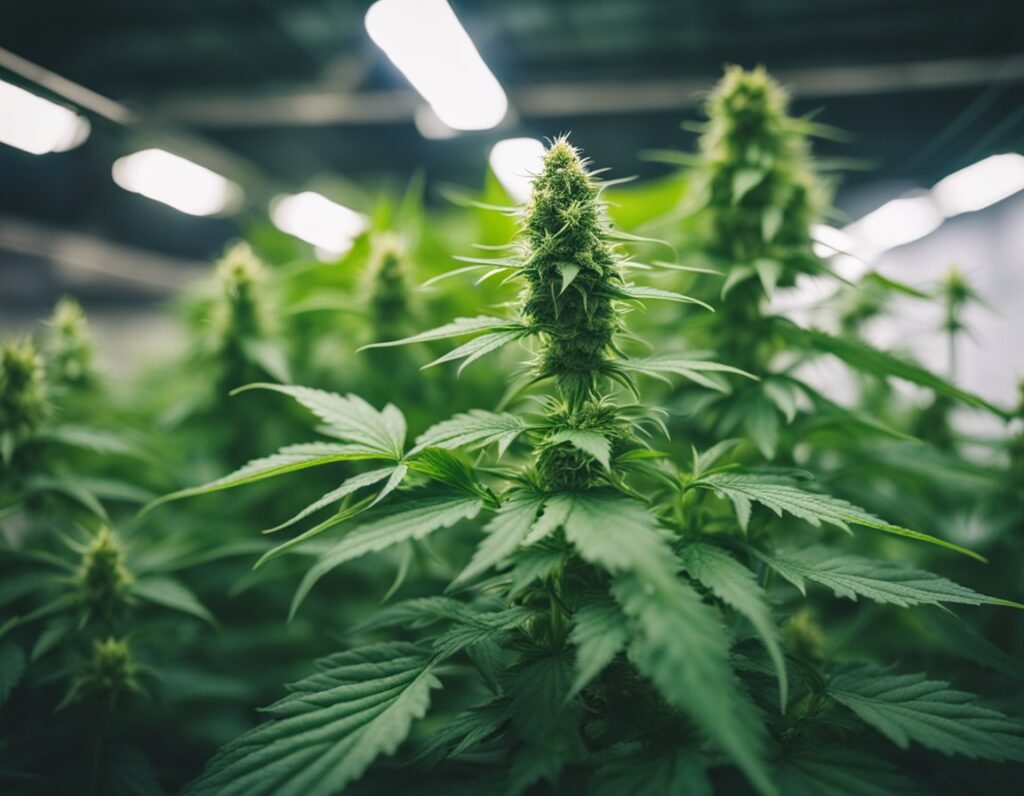
Growers have more control over the environment when they cultivate indoors, as they can adjust light, temperature, and humidity levels. However, this also means that the growing medium must be carefully selected to ensure that plants receive everything they need without relying on natural elements like rain or sunlight.
1. Soil for Indoor Medical Cannabis
Soil remains one of the most popular and traditional growing mediums for cannabis, especially for indoor cultivation. The right type of soil can offer a balanced environment for cannabis plants, providing adequate nutrients, water retention, and aeration.
- Best Soil Types: Loamy soil, a combination of sand, silt, and clay, is ideal for growing medical cannabis indoors because it offers good drainage, nutrient retention, and aeration. Many growers prefer to use organic soil mixes, which contain composted materials that slowly release nutrients over time.
- Advantages: Soil is relatively forgiving for beginner growers and requires fewer adjustments than hydroponic systems. Organic soils also enhance the flavor and medicinal quality of the cannabis, which is a key consideration for patients seeking medical relief.
- Disadvantages: Soil can be prone to pests, mold, and other contaminants if not properly sterilized. It also requires more space than soilless or hydroponic systems, which can be a limitation for indoor growers.
Organic Soil Mixes
For medical cannabis, organic soil mixes are highly recommended because they provide a natural source of nutrients, improve plant health, and produce cleaner, safer buds for medical use. Organic soil mixes typically include ingredients like worm castings, bat guano, compost, and perlite for aeration.
- Why Organic is Important for Medical Cannabis: Patients using medical cannabis require clean and contaminant-free products. Chemical fertilizers and pesticides, which can leave residues on the finished product, are less necessary when using organic growing techniques. Moreover, organically grown cannabis often has a more robust cannabinoid and terpene profile, enhancing its therapeutic effects.
2. Coco Coir for Indoor Medical Cannabis
Made from coconut husks, coco coir is a well-liked soilless medium with superior aeration and water retention. It has gained popularity among indoor growers because of its environmentally friendly nature and ability to support healthy root development.
- Advantages: Coco coir retains water well while allowing for adequate drainage, reducing the risk of overwatering or underwatering. Moreover, it possesses inherent antifungal qualities that may aid in preventing root rot and other typical issues with cannabis growing.
- Disadvantages: Coco coir does not contain any nutrients on its own, so growers must supplement with nutrients throughout the growing process. It also requires careful pH monitoring, as it can cause nutrient lockout if the pH becomes too acidic or alkaline.
Coco Coir and Nutrient Management
Growers have complete control over the nutrients supplied to the plants because coco coir is an inert medium. This allows for precise management of nutrient levels, which is critical for producing high-quality medical cannabis. Nutrient deficiencies or imbalances can negatively impact the cannabinoid profile, reducing the medicinal effectiveness of the plant.
- Best Practices: Many growers combine coco coir with perlite to improve aeration and drainage further. Additionally, it is critical to routinely rinse the coco coir to avoid salt accumulation, which can damage the roots.
3. Hydroponics for Indoor Medical Cannabis
Hydroponic systems have become increasingly popular for indoor cannabis cultivation because they allow for precise control over nutrient delivery and environmental conditions. In a hydroponic system, plants grow in a nutrient-rich water solution rather than soil, and the roots are suspended in an inert medium like clay pellets, rockwool, or coco coir.
- Advantages: In comparison to soil-based systems, hydroponic systems offer the best control over nutrient levels, resulting in faster growth rates and larger harvests. The lack of soil also reduces the risk of pests and soil-borne diseases.
- Disadvantages: Hydroponic systems require a higher level of expertise and constant monitoring. The initial setup can be expensive, and even minor mistakes in nutrient delivery or pH balance can lead to serious problems for the plants.
Best Hydroponic Mediums for Indoor Medical Cannabis
- Rockwool: This is a popular hydroponic medium because it retains water well and provides excellent support for the roots. However, rockwool has a high pH and must be conditioned before use.
- Clay Pellets (Hydroton): These are pH neutral, reusable, and offer excellent aeration and drainage. However, they can be prone to algae buildup if not properly maintained.
- Perlite/Vermiculite: These inert mediums provide good aeration and drainage. Perlite is often used in combination with coco coir or peat moss to improve air flow to the roots.
4. Peat-Based Soilless Mixes for Indoor Medical Cannabis
Peat moss, often combined with perlite or vermiculite, is a common ingredient in soilless growing mixes. These mixes are popular among indoor cannabis growers because they offer a lightweight, easy-to-use medium that retains moisture while providing adequate aeration.
- Advantages: Peat-based mixes are readily available and easy to work with, making them a good choice for beginner growers. They also have excellent water retention properties and are relatively sterile.
- Disadvantages: Since peat moss is not a renewable resource, using it might not be the best choice in terms of environmental sustainability. Additionally, peat-based mixes tend to become compacted over time, which can reduce aeration to the roots.
Outdoor Growing Mediums for Medical Cannabis
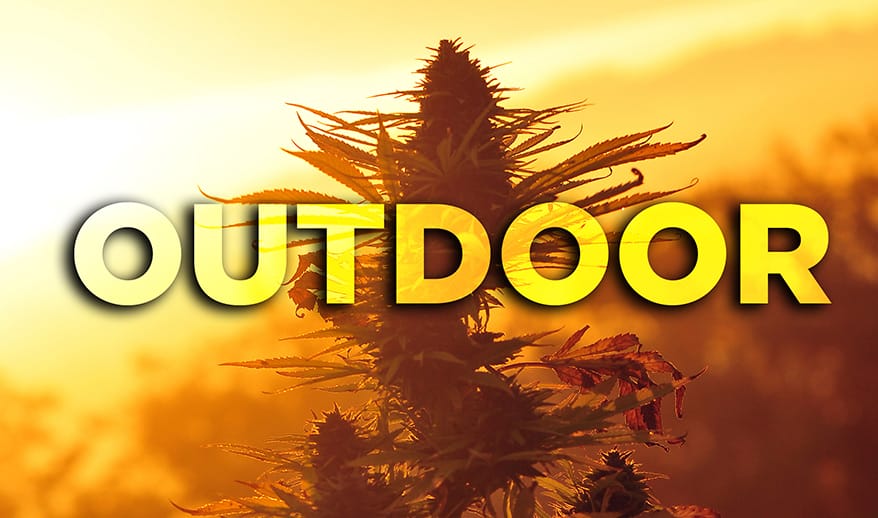
Outdoor cannabis cultivation involves working with the natural environment, which presents its own set of challenges and advantages. Outdoor growers have less control over environmental factors such as light, temperature, and humidity, but they benefit from natural sunlight, rain, and often more space for larger plants. The choice of growing medium is crucial to ensuring that outdoor medical cannabis plants thrive in their environment.
1. Native Soil for Outdoor Medical Cannabis
Many outdoor growers opt to plant cannabis directly in the ground, using the native soil available on their land. Native soil can be highly variable, ranging from sandy or clay-heavy soils to loamy, nutrient-rich soils.
- Advantages: Growing cannabis in native soil allows the plants to benefit from the natural ecosystem, including microorganisms that help break down organic matter and make nutrients available to the plants. Native soil also allows for large root systems, which can lead to bigger plants and higher yields.
- Disadvantages: Native soil is often inconsistent in terms of nutrient content and drainage. It may require significant amendment with organic matter or fertilizers to support cannabis growth. Soil testing is crucial before planting to ensure that the pH and nutrient levels are appropriate for cannabis.
Amending Native Soil
In many cases, native soil must be amended with organic materials like compost, manure, or peat moss to improve its structure, drainage, and nutrient content. Adding perlite or sand can improve aeration, while organic matter increases water retention and provides slow-release nutrients.
- Composting for Medical Cannabis: Creating a compost pile with organic waste materials can provide a rich, nutrient-dense soil amendment that improves the quality of outdoor cannabis. By enhancing the soil with vital nutrients and advantageous bacteria, compost helps plants develop healthily and lessens the need for artificial fertilizers.
2. Raised Beds and Garden Soil for Outdoor Medical Cannabis
For growers who prefer more control over the growing environment, raised beds filled with high-quality garden soil offer an excellent solution. Raised beds allow growers to optimize drainage, prevent soil compaction, and maintain consistent nutrient levels.
- Advantages: Raised beds can be filled with a custom soil mix that is tailored to the specific needs of medical cannabis plants. Additionally, they offer superior drainage than in-ground planting and warm up faster in the spring—two qualities that can be very helpful in areas that receive a lot of rainfall.
- Disadvantages: Raised beds require an initial investment in materials and soil. They also need to be maintained throughout the growing season, with regular watering, fertilizing, and monitoring for pests.
Best Soil Mix for Raised Beds
A typical raised bed mix for medical cannabis includes a blend of organic soil, compost, perlite or pumice for aeration, and organic amendments like bat guano, kelp meal, and worm castings. This mix provides a rich, well-draining environment that supports healthy root growth and maximizes the medicinal properties of the cannabis plant.
3. Living Soil for Outdoor Medical Cannabis
Living soil is an organic growing medium that mimics the natural soil ecosystem, containing a diverse array of microorganisms, fungi, and beneficial bacteria that work together to support plant health. Living soil is becoming increasingly popular for growing medical cannabis outdoors because it creates a self-sustaining environment that reduces the need for synthetic fertilizers and pesticides.
- Advantages: Living soil promotes strong, healthy plants by providing a continuous source of nutrients through the breakdown of organic matter. The microbial activity in living soil enhances the availability of nutrients and improves the overall quality of the cannabis plant. This is particularly important for medical cannabis, as a healthy plant produces more potent medicinal compounds.
- Disadvantages: Living soil requires careful management to maintain the balance of microorganisms and organic matter. It also takes time to build up a living soil system, so it’s not an instant solution for new growers.
Building and Maintaining Living Soil
To build living soil, growers typically start with a base of organic soil or compost and add a variety of organic amendments, such as fish meal, bone meal, kelp meal, and rock dust. Cover crops like clover or alfalfa can be planted alongside cannabis to fix nitrogen in the soil and improve soil structure. Utilizing organic materials for mulching, such as leaves or straw, preserves moisture and safeguards the ecosystem of the soil.
- Long-Term Benefits for Medical Cannabis: Living soil not only enhances the cannabinoid and terpene profiles of medical cannabis but also promotes sustainability by reducing the need for external inputs. It supports a more holistic approach to cannabis cultivation, which is especially important for patients seeking natural and organic medicine.
4. Super Soil for Outdoor Medical Cannabis
Super soil is a pre-fertilized, organic soil mix that provides cannabis plants with all the nutrients they need throughout the growing cycle. It is often used by outdoor growers who want to minimize the need for additional fertilizers and focus on producing clean, high-quality medical cannabis.
- Advantages: Super soil is designed to be “water-only,” meaning that growers do not need to add fertilizers or supplements throughout the growing cycle. This makes it an excellent choice for medical cannabis, as it ensures that the plants are not exposed to synthetic chemicals or contaminants.
- Disadvantages: Super soil can be expensive to purchase or time-consuming to create, as it involves mixing and composting a variety of organic materials over several months.
Ingredients in Super Soil
A typical super soil recipe includes organic materials like compost, earthworm castings, bat guano, fish meal, and blood meal, along with amendments like bone meal, dolomite lime, and Epsom salts. The soil is composted for several months before use to allow the organic materials to break down and become available to the plants.
- Why Super Soil is Ideal for Medical Cannabis: Super soil provides a rich, nutrient-dense environment that promotes healthy plant growth without the need for chemical fertilizers. This is crucial for medicinal cannabis in particular since patients need a pure, natural product without any hazardous leftovers. Super soil also enhances the flavor and aroma of cannabis, which can contribute to its therapeutic effects.
Restrictions on Growing and Using Medical Cannabis (Outdoors or Indoors)

- Legal Compliance: Medical cannabis cultivation is strictly regulated by state or national laws. Growers must obtain licenses to cultivate cannabis for medical purposes, whether indoors or outdoors. Home growing for medical use may be allowed in some regions but with restrictions on the number of plants and location (e.g., secure, private property).
- Use as a Last Resort: Medical cannabis is typically prescribed as a last resort after other conventional treatments have failed. Physicians must document the medical necessity and ensure the patient has tried other therapeutic options.
- THC Monitoring: The psychoactive compound THC must be carefully monitored in medical cannabis products to minimize its intoxicating effects. Medical cannabis producers often focus on creating low-THC, high-CBD strains, which provide therapeutic benefits without the strong psychoactive experience. Regulations often require lab testing to confirm THC levels meet medical safety standards.
- Patient Safety: Dosage and strain selection must be tailored to the patient’s medical condition. Doctors closely monitor the effects of cannabis treatment to ensure it doesn’t interfere with the patient’s cognitive abilities or cause any unwanted side effects.
- Environmental Controls: Whether growing indoors or outdoors, the environment must be controlled to prevent contamination and ensure the plants are free from pesticides, mold, or other harmful substances that could compromise patient safety.
Conclusion
The cultivation and use of medical cannabis require a careful balance of legal, medical, and environmental considerations to ensure patient safety and efficacy. Choosing the right growing medium—whether for indoor or outdoor cultivation—is crucial for producing high-quality cannabis that meets medical standards. Each medium, from traditional soil to advanced hydroponic systems, offers unique benefits and challenges, and must be selected based on the grower’s goals, resources, and environmental conditions.
When growing cannabis for medical purposes, strict legal regulations must be followed, including proper licensing, plant count limits, and location security. Cannabis is often used as a last resort in medical treatment, prescribed after other therapeutic options have been explored. Monitoring THC levels in medical cannabis is critical to minimizing its psychoactive effects and ensuring patients receive only the therapeutic benefits, particularly in cases where cognitive impairment must be avoided.
The quality of the growing environment—whether organic soils for outdoor grows or precise nutrient control in indoor hydroponics—directly influences the potency and safety of the final product. For medical cannabis, particularly for patients with serious conditions, it is essential that the growing process eliminates the risk of contaminants like pesticides or molds. Both indoor and outdoor growers must maintain strict environmental controls to ensure the safety and purity of the plants.
In conclusion, cultivating medical cannabis responsibly involves not only selecting the right growing medium but also adhering to regulatory and medical standards. By focusing on safe, controlled growing environments, and ensuring cannabis is used as a last resort under medical supervision, growers can produce high-quality, effective medicinal products that provide relief without harmful side effects.
