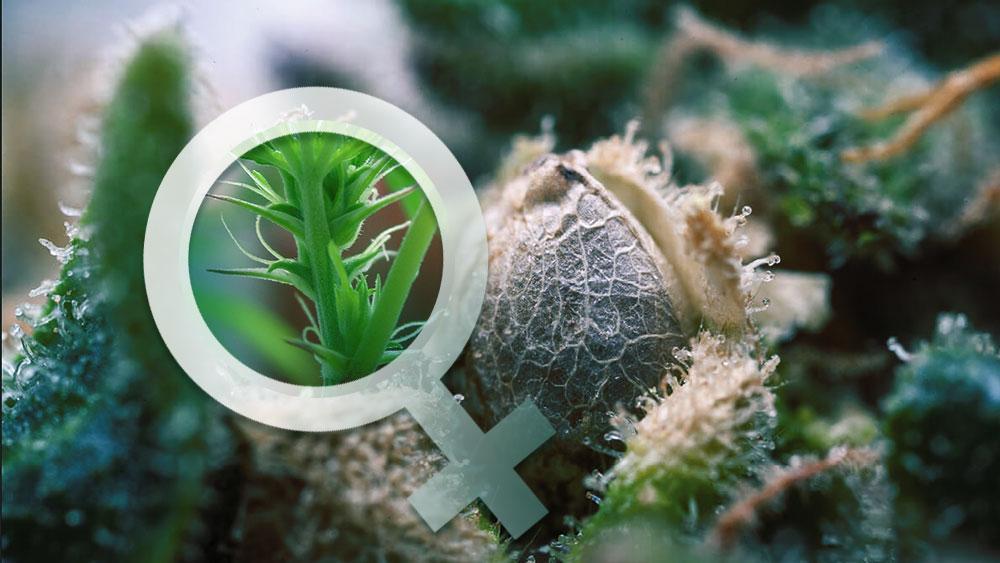
Best Feminized Medical Seeds: Top 12 Female Cannabis Seeds
Medical cannabis has gained significant attention over the past few decades for its potential therapeutic benefits. Feminized seeds ensure that nearly every plant will be a female, which are the ones that produce the coveted buds rich in cannabinoids. This article highlights the top 12 feminized medical cannabis seeds, detailing their medical uses and properties, ensuring patients get the best from their cultivation efforts.
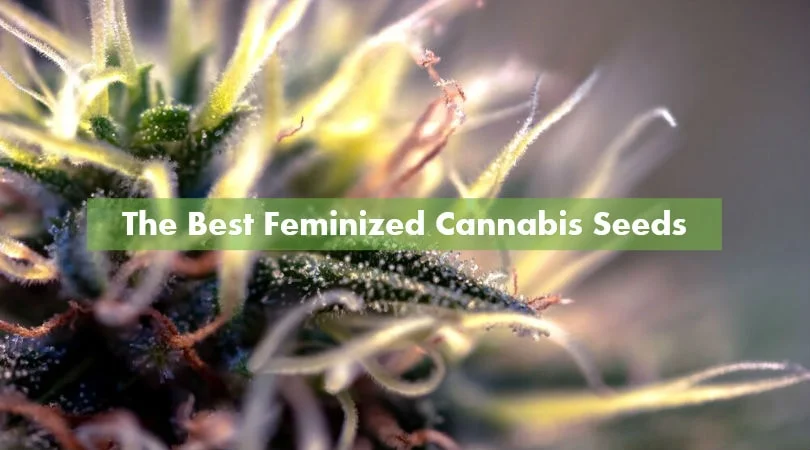
1. Charlotte’s Web
Charlotte’s Web is well known for having a high CBD content and low THC concentration. It was created in order to help Charlotte Figi, a young child with severe epilepsy. This strain has been instrumental in reducing seizure frequency and severity, making it a top choice for those with epilepsy and other seizure disorders.
- Medical Uses: Epilepsy, seizures, anxiety, pain, inflammation.
- Cannabinoid Profile: High CBD, low THC.
- Effects: Non-psychoactive, calming, anti-inflammatory.
2. Harlequin
Harlequin is a Sativa-dominant strain known for its consistent 5:2 CBD to THC ratio. This makes it effective in managing pain without producing a strong high, making it ideal for patients who need to stay clear-headed.
- Medical Uses: Chronic pain, inflammation, anxiety, PTSD, muscle spasms.
- Cannabinoid Profile: High CBD, moderate THC.
- Effects: Clear-headed, relaxing, pain relief.
-
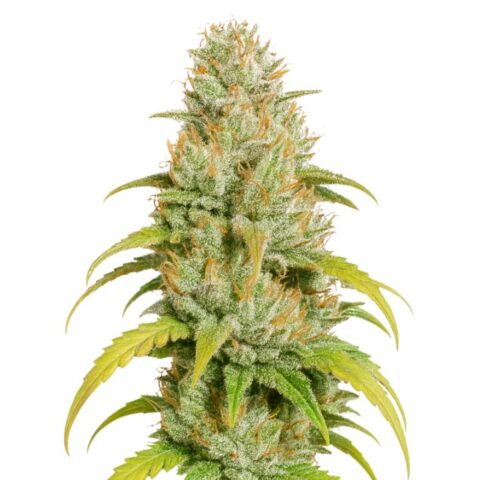 Harlequin CBD Cannabis SeedsFrom: $24.99
3. ACDC
ACDC is a phenotype of Cannatonic, featuring a remarkable CBD to THC ratio of 20:1. It is frequently used to treat a wide range of illnesses without having the same euphoric effects as THC.
- Medical Uses: Epilepsy, multiple sclerosis, chronic pain, anxiety, chemotherapy side effects.
- Cannabinoid Profile: High CBD, low THC.
- Effects: Non-psychoactive, uplifting, anti-inflammatory.
-
 CBD ACDC Cannabis SeedsFrom: $24.99
4. Cannatonic
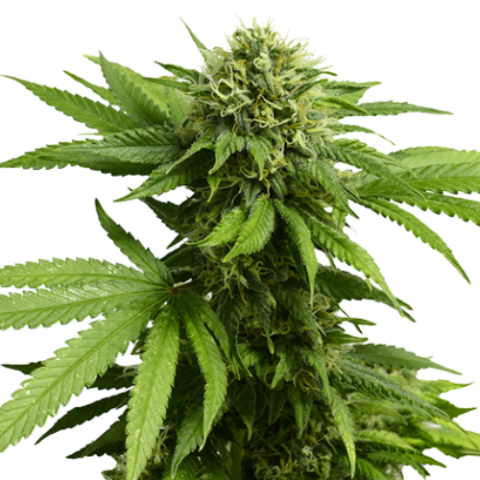
Cannatonic is a hybrid strain specifically bred for its low THC content and high CBD content. It provides a mellow, relaxing effect without significant psychoactivity, making it a popular choice for medical users.
- Medical Uses: Pain, muscle spasms, anxiety, migraines, depression.
- Cannabinoid Profile: Balanced CBD and THC.
- Effects: Relaxing, uplifting, focused.
-
Cannatonic CBD Cannabis SeedsFrom: $24.99
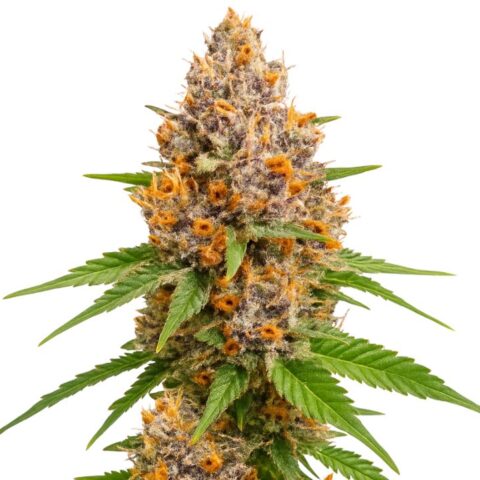
5. Pennywise
Pennywise is an Indica-dominant strain with a balanced CBD to THC ratio. It is known for its calming effects and is often used to treat neurological disorders and cancer-related symptoms.
- Medical Uses: PTSD, arthritis, epilepsy, cancer symptoms, neurological disorders.
- Cannabinoid Profile: Balanced CBD and THC.
- Effects: Calming, relaxing, pain relief.
-
Pennywise CBD Cannabis SeedsFrom: $24.99
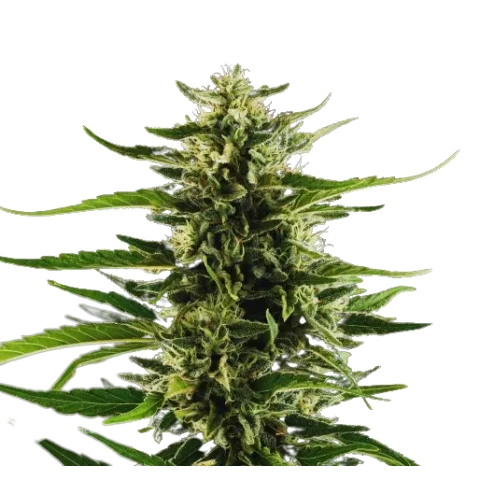
6. Stephen Hawking Kush
Named after the renowned physicist, this strain is part of the High-CBD Kush lineage. It offers a 1:1 CBD to THC ratio and is valued for its potential neuroprotective properties.
- Medical Uses: ALS, MS, stress, pain, nausea.
- Cannabinoid Profile: Balanced CBD and THC.
- Effects: Relaxing, pain relief, anti-nausea.
7. CBD Therapy
CBD Therapy is one of the first strains bred specifically for medical use with high CBD and very low THC content. It is used extensively for treating conditions without the psychoactive effects of THC.
- Medical Uses: Epilepsy, chronic pain, anxiety, inflammation, insomnia.
- Cannabinoid Profile: High CBD, very low THC.
- Effects: Non-psychoactive, calming, anti-inflammatory.
-
CBD Therapy Cannabis SeedsFrom: $24.99
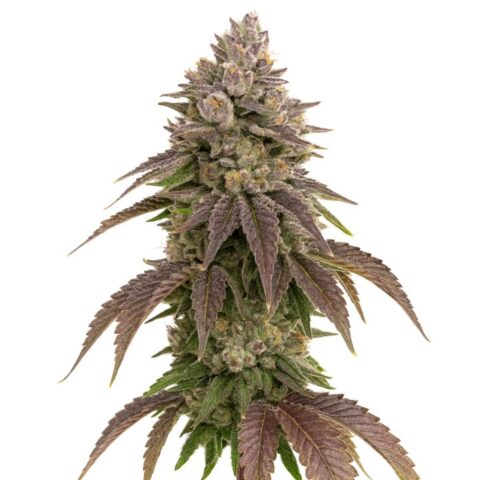
8. Sour Tsunami
Sour Tsunami was one of the first strains bred for high CBD content. It offers a balanced experience with minimal psychoactivity, making it ideal for daytime use for medical patients.
- Medical Uses: Pain, inflammation, seizures, anxiety, depression.
- Cannabinoid Profile: High CBD, low THC.
- Effects: Clear-headed, calming, pain relief.
-
 Sour Tsunami CBD Cannabis SeedsFrom: $24.99
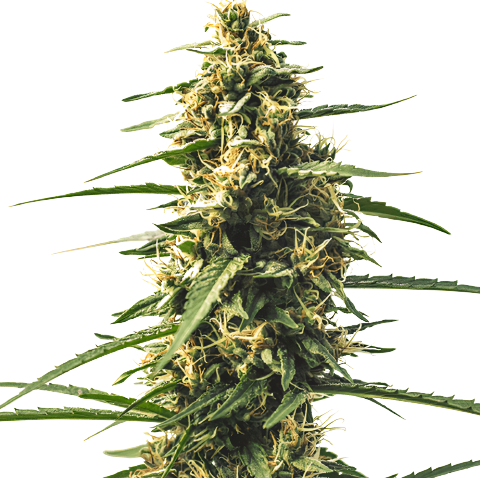
9. CBD Critical Mass
CBD Critical Mass is a hybrid strain known for its significant CBD content. It is effective in pain management and provides a relaxing effect without heavy sedation, making it suitable for various medical conditions.
- Medical Uses: Chronic pain, muscle spasms, anxiety, insomnia, inflammation.
- Cannabinoid Profile: High CBD, low THC.
- Effects: Relaxing, calming, pain relief.
-
CBD Critical Mass Cannabis SeedsFrom: $24.99
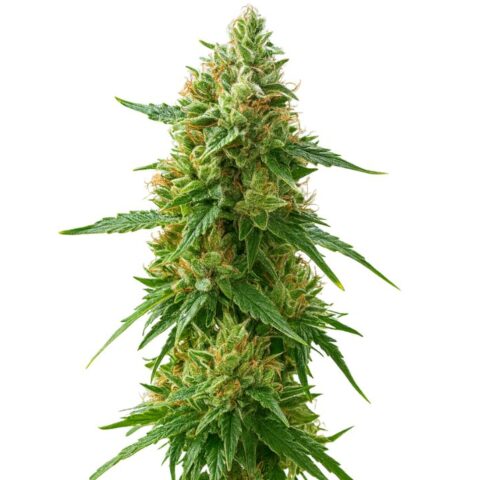
10. Ringo’s Gift
Named after CBD activist Lawrence Ringo, Ringo’s Gift is a hybrid cross of Harle-Tsu and ACDC. It has a high CBD content and is used for a broad spectrum of medical issues.
- Medical Uses: Anxiety, inflammation, chronic pain, PTSD, autism.
- Cannabinoid Profile: High CBD, low THC.
- Effects: Non-psychoactive, uplifting, anti-inflammatory.
11. Harle-Tsu
Harle-Tsu is a cross between Harlequin and Sour Tsunami, boasting a high CBD content and low THC. It provides potent pain relief and anti-inflammatory properties without a psychoactive high.
- Medical Uses: Pain, inflammation, anxiety, stress, epilepsy.
- Cannabinoid Profile: High CBD, low THC.
- Effects: Clear-headed, calming, pain relief.
-
 Harle-Tsu CBD Cannabis SeedsFrom: $24.99
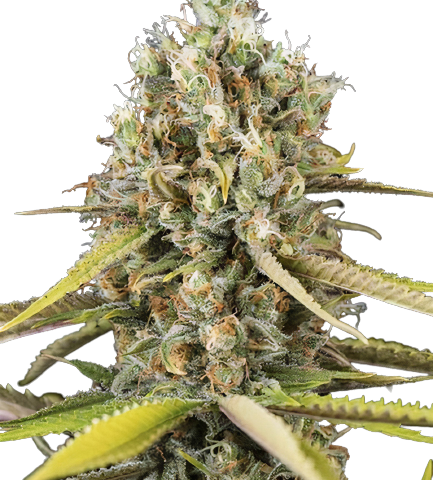
12. CBD Shark
CBD Shark is an Indica-dominant strain with a balanced CBD and THC content. It is used primarily for pain and inflammation, providing a mild relaxing effect that doesn’t overpower the user.
- Medical Uses: Pain, inflammation, anxiety, muscle spasms, sleep disorders.
- Cannabinoid Profile: Balanced CBD and THC.
- Effects: Relaxing, calming, pain relief.
-
CBD Shark Cannabis SeedsFrom: $24.99
Detailed Medical Benefits
Epilepsy and Seizure Disorders
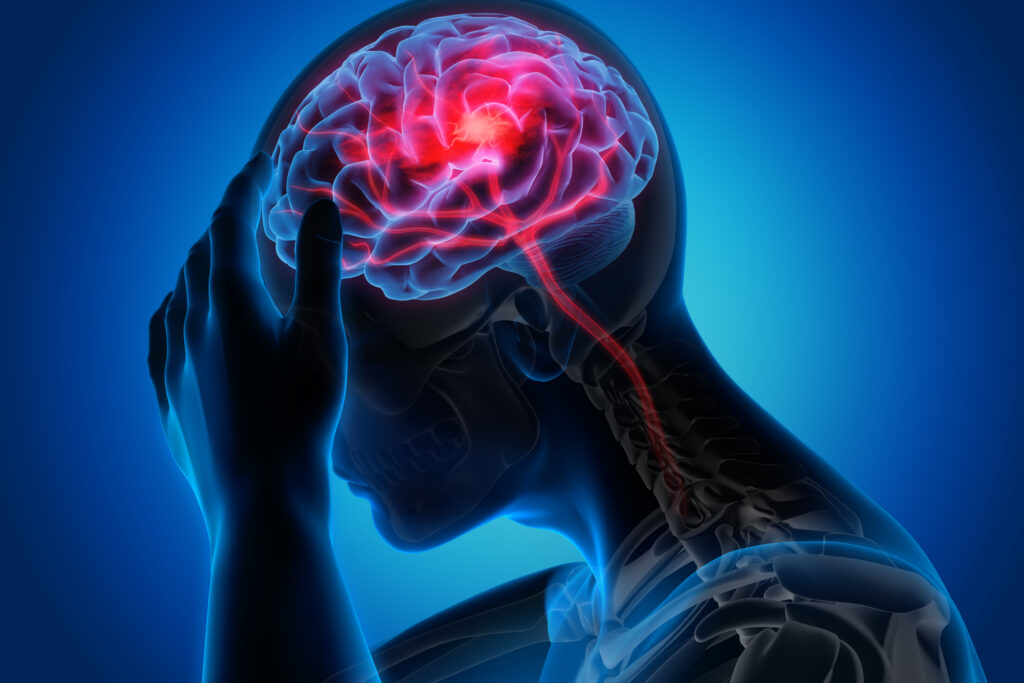
Cannabis strains high in CBD, such as Charlotte’s Web, ACDC, and Ringo’s Gift, have shown significant promise in reducing seizure frequency and severity. CBD’s anticonvulsant properties help stabilize the brain’s electrical activity, making it an essential treatment for epilepsy and other seizure disorders.
Chronic Pain and Inflammation
Strains like Harlequin, Cannatonic, and CBD Critical Mass are highly effective for chronic pain and inflammation. The balanced or high CBD content interacts with the body’s endocannabinoid system to reduce pain signals and inflammation without causing significant psychoactive effects.
Anxiety and PTSD
Harlequin, Pennywise, and Ringo’s Gift are noted for their ability to manage anxiety and PTSD. The calming effects of CBD combined with low THC levels help reduce anxiety symptoms and promote relaxation, providing relief without impairing cognitive function.
Multiple Sclerosis and Muscle Spasms
Stephen Hawking Kush and CBD Critical Mass are beneficial for multiple sclerosis (MS) and muscle spasms. These strains’ muscle-relaxant properties help alleviate spasticity and improve mobility for MS patients.
Cancer-Related Symptoms
Pennywise and CBD Therapy are used to manage cancer-related symptoms such as pain, nausea, and loss of appetite. These strains’ balanced cannabinoid profiles offer symptomatic relief without intense psychoactivity, allowing patients to maintain their quality of life during treatment.
Neuroprotection
Stephen Hawking Kush and Harle-Tsu provide neuroprotective benefits, which are particularly useful for neurodegenerative diseases like ALS and Alzheimer’s. CBD’s anti-inflammatory and antioxidant qualities enhance cognitive performance and shield brain cells from harm.
Insomnia and Sleep Disorders

CBD Critical Mass and CBD Shark are effective for insomnia and sleep disorders. Their relaxing and calming effects help improve sleep quality and duration without the heavy sedation often associated with high-THC strains.
Growing Feminized Medical Cannabis
Growing feminized medical cannabis requires careful planning and execution to ensure a successful and productive harvest. Feminized seeds are designed to produce female plants, which are the ones that generate the resinous buds rich in therapeutic cannabinoids. This guide covers the essential steps and considerations for cultivating feminized medical cannabis, from selecting the right strains to harvesting and curing the final product.
Selecting the Right Strains
- Medical Benefits
- Choose strains with the desired cannabinoid profile to address specific medical conditions. For example, high-CBD strains like Charlotte’s Web or ACDC are ideal for conditions like epilepsy and chronic pain, while balanced THC and CBD strains like Cannatonic are suitable for anxiety and inflammation.
- Growing Conditions
- Consider the environmental requirements of each strain. While some strains grow well outside, others are better suited for growing indoors. Pay attention to factors like climate, humidity, and light cycles.
- Seed Quality
- Purchase seeds from reputable suppliers to ensure genetic stability and high germination rates. Look for feminized seeds that have been thoroughly tested and verified.
Setting Up the Grow Space
- Indoor Growing
- Grow Room or Tent: Choose a dedicated space with adequate ventilation and light control. Grow tents are a popular option for their ease of setup and environmental control.
- Lighting: Use high-quality grow lights, such as LED or HID, to provide the necessary light spectrum for vegetative growth and flowering. Ensure a proper light schedule (18/6 for vegetative and 12/12 for flowering).
- Ventilation: Install fans and exhaust systems to maintain airflow and control temperature and humidity. Insect and mold infestations are avoided by adequate ventilation.
- Growing Medium: Choose a good growing medium, such as hydroponics, soil, or coco coir. Each medium has its benefits and requires specific nutrients and maintenance.
- Outdoor Growing
- Site Selection: Choose a location with ample sunlight, good soil drainage, and protection from strong winds. Ensure the area complies with local regulations regarding cannabis cultivation.
- Soil Preparation: Enrich the soil with organic compost and nutrients to support healthy plant growth. Test the soil pH and adjust it to the optimal range (6.0-7.0).
- Pest Management: Implement preventive measures, such as companion planting and organic pesticides, to protect plants from pests and diseases.
Germination and Seedling Care
- Germination
- Method: Use the paper towel method, direct planting, or starter plugs to germinate seeds. Maintain a warm, humid atmosphere to promote sprouting.
- Monitoring: Check daily for signs of germination, typically within 3-7 days. Once the taproot appears, transfer the seedlings to their growing medium.
- Seedling Care
- Light: Provide 18-24 hours of light daily to support robust seedling growth. Keep the light source close but not too close to avoid burning the young plants.
- Watering: Make sure the growing medium is damp but not soggy. Gently spritz the seedlings with a spray bottle.
- Nutrition: Start with a light nutrient solution or compost tea to provide essential nutrients. Gradually increase the nutrient concentration as the plants grow.
Vegetative Stage
- Lighting and Photoperiod
- Indoor: Maintain an 18/6 light schedule (18 hours of light, 6 hours of darkness) to promote vegetative growth.
- Outdoor: Make sure the plants get 6 to 8 hours a day in direct sunlight.
- Nutrients
- Nitrogen-Rich Diet: Use a nutrient solution high in nitrogen to support vigorous vegetative growth. Supplement with phosphorus and potassium as needed.
- Feeding Schedule: Follow a regular feeding schedule, adjusting nutrient levels based on plant response and growth stage.
- Training and Pruning
- Low-Stress Training (LST): Gently bend and tie down branches to encourage horizontal growth and maximize light exposure.
- Topping: To encourage bushier growth and more colas, trim the top of the main stem.
- Pruning: Remove lower leaves and branches that receive little light to improve airflow and direct energy to the main colas.
Flowering Stage
- Light and Photoperiod
- Indoor: Switch to a 12/12 light schedule (12 hours of light, 12 hours of darkness) to initiate flowering.
- Outdoor: Flowering is triggered by the natural shortening of daylight hours in late summer and fall.
- Nutrients
- Bloom Nutrients: Transition to a nutrient solution higher in phosphorus and potassium to support bud development. Lower the nitrogen content to avoid overly rapid vegetative development.
- Feeding Schedule: Continue regular feeding, adjusting nutrient levels based on plant response and flowering stage.
- Environmental Control
- Temperature and Humidity: Maintain optimal temperature (65-80°F) and humidity (40-50%) levels to prevent mold and support healthy bud formation.
- Airflow: Ensure good ventilation to prevent heat buildup and humidity spikes.
Harvesting
- Trichome Monitoring
- Trichome Color: Use a magnifying glass or microscope to monitor trichome development. Harvest when trichomes are mostly milky white with some amber for a balanced effect.
- Timing: Harvest at the peak of cannabinoid and terpene production to maximize potency and flavor.
- Harvesting Process
- Cutting: Use clean, sharp scissors to cut the branches from the plant. Take care not to damage the trichomes by handling the buds roughly.
- Trimming: Cut sugar leaves near to the buds and remove huge fan leaves. This improves the final product’s appearance and smoothness.
Curing and Storing
- Drying
- Environment: Hang trimmed branches upside down in a dark, well-ventilated space with a temperature of 60-70°F and humidity of 50-60%.
- Duration: Dry for 7-14 days until the stems snap easily, indicating proper dryness.
- Curing
- Containers: Place dried buds in airtight glass jars. Fill the jars loosely to allow for airflow.
- Burping: During the first week, open the jars every day to let fresh air and excess moisture escape. Gradually reduce the frequency to once a week over the next few weeks.
- Duration: Cure for a minimum of 2-4 weeks to develop the full flavor and potency. Longer curing times can enhance the quality further.
- Storage
- Conditions: Store cured buds in a cool, dark place away from direct light and heat. To keep freshness intact, store in sealed containers.
- Longevity: Properly cured and stored cannabis can retain its potency and flavor for several months to a year.
Restrictions on Using Cannabis as a Last Resort
- Legal and Regulatory Framework
- FDA Approval: In the United States, the Food and Drug Administration (FDA) regulates the approval and use of cannabis-based medications. Only a few cannabis-derived products, such as Epidiolex for epilepsy, have received FDA approval.
- State Laws: State-level regulations vary widely. Some states permit the use of medical cannabis under specific conditions, while others have more restrictive policies. Healthcare providers must comply with both federal and state laws when recommending cannabis as a treatment option.
- Clinical Guidelines
- Established Treatments: Cannabis is typically considered only after conventional treatments have failed. This includes standard pharmaceuticals, physical therapies, and other approved medical interventions.
- Documentation: Physicians must thoroughly document the patient’s medical history, previous treatments, and the rationale for considering cannabis as a last resort. This ensures a clear justification for its use.
- Patient Eligibility
- Qualifying Conditions: Only patients with specific medical conditions, such as chronic pain, epilepsy, or multiple sclerosis, may be eligible for medical cannabis. Each state or country may have a defined list of qualifying conditions.
- Informed Consent: Patients must be fully informed about the potential benefits and risks of using medical cannabis. They should provide written consent acknowledging their understanding and acceptance of these factors.
Monitoring THC Levels in Medications
- Formulation and Dosage Control
- CBD-Dominant Strains: To minimize psychoactive effects, medical cannabis products often use strains high in cannabidiol (CBD) and low in tetrahydrocannabinol (THC). Since CBD doesn’t get you high, it can be used therapeutically without being psychoactive.
- Standardized Extracts: Pharmaceutical companies produce standardized cannabis extracts with precise ratios of CBD to THC. These formulations ensure consistent dosing and predictable effects.
- Testing and Quality Assurance
- Laboratory Testing: Medical cannabis products undergo rigorous testing in accredited laboratories to verify cannabinoid content. This includes measuring THC levels to ensure they fall within safe and therapeutic ranges.
- Quality Control: Manufacturers implement strict quality control processes to maintain consistency across batches. This helps prevent variations in potency and ensures patient safety.
- Prescription and Administration
- Physician Oversight: Healthcare providers must prescribe medical cannabis based on individual patient needs, taking into account factors such as age, weight, and medical history. Dosing should start low and gradually increase to find the optimal therapeutic level.
- Monitoring and Adjustments: Regular follow-up appointments are necessary to monitor the patient’s response to treatment. Physicians should adjust dosages as needed to balance therapeutic benefits with minimal side effects.
- Education and Training
- Healthcare Providers: Continuous education for healthcare providers on the use of medical cannabis is essential. This includes understanding pharmacology, potential interactions with other medications, and monitoring protocols.
- Patients and Caregivers: Educating patients and their caregivers on the proper use of medical cannabis, potential side effects, and the importance of adhering to prescribed dosages is crucial for effective treatment.
Challenges and Considerations
- Research and Evidence
- Limited Clinical Trials: While anecdotal evidence and preliminary studies suggest benefits, there is a need for more extensive clinical trials to establish the efficacy and safety of medical cannabis for various conditions.
- Stigma and Perception: Despite growing acceptance, stigma surrounding cannabis use can impact patient and physician willingness to consider it as a treatment option. Public education and advocacy are needed to shift perceptions.
- Insurance and Accessibility
- Coverage: Insurance coverage for medical cannabis varies, with many patients paying out-of-pocket. Advocating for broader coverage and affordable access is crucial for equitable treatment options.
- Availability: Ensuring a reliable supply of high-quality medical cannabis is essential. This includes supporting licensed dispensaries and addressing any regulatory barriers that limit access.
- Legal and Ethical Considerations
- Compliance: Physicians and patients must navigate complex legal landscapes, particularly in regions where cannabis remains federally illegal. Respecting and being aware of local laws is essential.
- Ethical Dilemmas: Balancing the potential benefits of medical cannabis with ethical considerations, such as avoiding recreational misuse, requires careful judgment and oversight.
Conclusion
The cultivation of feminized medical cannabis involves a comprehensive and meticulous approach, integrating careful selection of strains, optimal growing conditions, and precise cultivation techniques to achieve a high-quality therapeutic product. This process not only ensures that the cannabis plants are rich in the desired cannabinoids but also minimizes the psychoactive effects, making them suitable for medical use.
Understanding the Medical Benefits: The therapeutic potential of cannabis strains like Charlotte’s Web, Harlequin, ACDC, and others, lies in their unique cannabinoid profiles. High-CBD strains are particularly effective in managing conditions such as epilepsy, chronic pain, anxiety, and inflammation without significant psychoactive effects, while balanced CBD and THC strains can offer additional benefits for conditions like PTSD and cancer-related symptoms.
Regulatory and Ethical Considerations: Using cannabis as a last resort in medical treatment is governed by stringent regulations and clinical guidelines to ensure patient safety and therapeutic efficacy. Healthcare providers must navigate complex legal landscapes and adhere to strict documentation and monitoring protocols, particularly concerning THC levels, to prevent psychoactive effects and ensure patient compliance.
Growing Feminized Medical Cannabis: Successful cultivation of feminized medical cannabis involves several key steps:
- Selecting the Right Strains: Choosing strains with the appropriate therapeutic properties and suitable growing conditions.
- Setting Up the Grow Space: Creating an optimal environment, whether indoors or outdoors, with adequate lighting, ventilation, and nutrient-rich mediums.
- Germination and Seedling Care: Ensuring healthy seedling growth through proper germination techniques and early-stage care.
- Vegetative and Flowering Stages: Providing the right nutrients and light cycles to promote growth and bud development, along with techniques like training and pruning to optimize yield.
- Harvesting, Curing, and Storing: Harvesting at the right time, followed by proper drying, curing, and storage to maintain the quality and potency of the final product.
Challenges and Considerations: Despite the potential benefits, there are challenges, including limited clinical trials, varying legal regulations, and the need for comprehensive education for both healthcare providers and patients. Ensuring reliable access, quality control, and affordability are also critical factors in the successful use of medical cannabis.
Conclusion on the Whole Topic: Growing feminized medical cannabis offers significant therapeutic benefits for patients with various medical conditions. By adhering to best practices in cultivation, regulation, and patient care, the potential of cannabis as a valuable medical treatment can be fully realized. As research and acceptance of medical cannabis continue to grow, informed and careful cultivation practices will play a crucial role in providing safe, effective, and personalized medicine. This holistic approach ensures that patients can access high-quality medical cannabis tailored to their specific health needs, improving their overall well-being and quality of life.
