Best Cannabis Strains for Managing Chemotherapy Side Effects
Chemotherapy, a common treatment for cancer, comes with a variety of side effects, including nausea, vomiting, appetite loss, pain, fatigue, and anxiety. The use of medical cannabis is becoming more widely acknowledged for its potential to manage these adverse effects and enhance the quality of life for chemotherapy patients. With an emphasis on their histories, chemical makeup, therapeutic uses, and cultivation circumstances, this comprehensive guide examines some of the top cannabis strains that have demonstrated promise in reducing symptoms associated with chemotherapy. Here, the focus is exclusively on their medicinal application; intake and use for recreational purposes are not included.
1. Harlequin
-
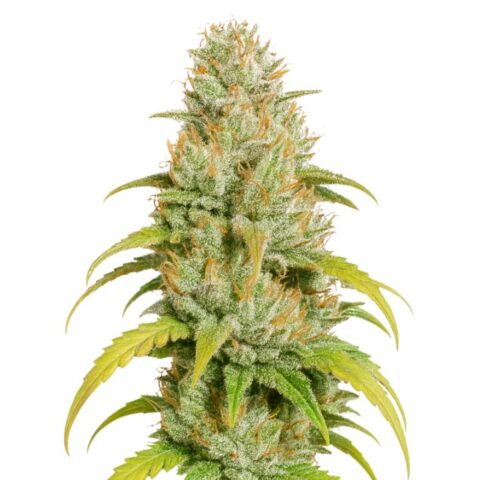 Harlequin CBD Cannabis SeedsFrom: $24.99
Origins:
Harlequin is a hybrid strain that is known for its high cannabidiol (CBD) content. It is a cross between Colombian Gold, a Nepali indica, Thai sativa, and a Swiss landrace strain. This unique blend provides Harlequin with a diverse genetic background, contributing to its wide-ranging medical benefits.
Chemical Profile:
Harlequin typically contains a CBD-to-THC ratio of 5:2, making it a high-CBD strain that minimizes the psychoactive effects of THC. The strain often has about 7-10% CBD and 4-6% THC, though variations can occur. Other cannabinoids like cannabichromene (CBC) and cannabigerol (CBG) may also be present in smaller amounts, along with terpenes such as myrcene, pinene, and caryophyllene.
Medical Benefits:
Harlequin is highly recommended for chemotherapy patients due to its potent anti-inflammatory and anti-nausea properties. The high CBD content helps reduce pain, minimize nausea, and promote appetite, making it an excellent choice for patients struggling with chemotherapy-induced appetite loss and digestive issues. It also helps manage anxiety and stress without causing the “high” typically associated with high-THC strains.
Growing Conditions:
Harlequin thrives best in a controlled indoor environment, where temperature and humidity can be carefully regulated. It prefers a warm, Mediterranean-like climate with temperatures ranging between 70-85°F (21-29°C). The strain can also be grown outdoors but may need protection from excessive rain or humidity. Harlequin plants typically flower in 8-9 weeks, yielding moderate but consistent harvests. Growers should pay attention to its susceptibility to mold and mildew, making proper ventilation and humidity control critical.
2. ACDC
-
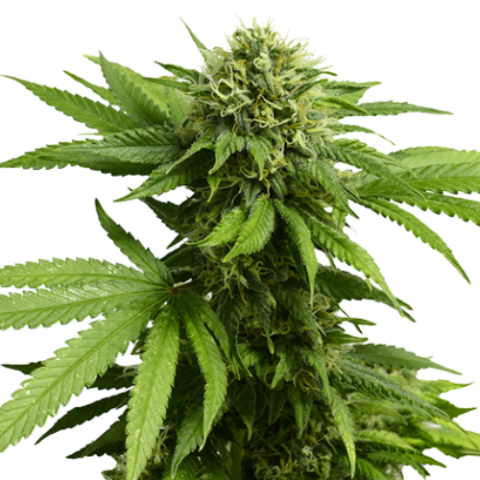
 CBD ACDC Cannabis SeedsFrom: $24.99
Origins:
ACDC is a phenotype of the popular Cannatonic strain, which is known for its high CBD content. This sativa-dominant hybrid was developed specifically for medical use, with a particular focus on strains that minimize psychoactive effects while maximizing therapeutic benefits.
Chemical Profile:
ACDC is renowned for its exceptionally high CBD content, often reaching up to 20%, while its THC levels remain extremely low (typically less than 1%). The strain’s cannabinoid profile is well-suited for medical purposes, particularly for patients looking to avoid any psychoactive effects. Its relaxing and anti-inflammatory properties are attributed to terpenes like caryophyllene, myrcene, and pinene.
Medical Benefits:
This strain is particularly effective for patients dealing with chemotherapy-induced nausea, vomiting, and pain. ACDC’s high CBD content provides potent relief from inflammation and neuropathic pain, which is common during chemotherapy. It is also known for its ability to reduce anxiety and promote relaxation, without the cognitive impairment that can be caused by higher-THC strains. Additionally, ACDC helps stimulate appetite, which can be crucial for patients who experience weight loss and malnutrition during treatment.
Growing Conditions:
ACDC is considered moderately challenging to grow, primarily because it requires precise care to flourish. It prefers an indoor environment where temperature and humidity levels can be easily controlled, but it can also be grown outdoors in a sunny, Mediterranean climate. The strain takes approximately 9-10 weeks to flower and offers a moderate yield. Since ACDC is particularly sensitive to mold and pests, it is crucial to maintain a clean growing environment and provide adequate ventilation.
3. Cannatonic
-
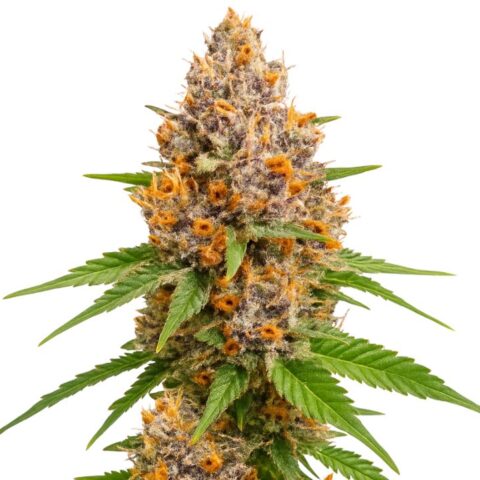
Cannatonic CBD Cannabis SeedsFrom: $24.99
Origins:
Cannatonic is a hybrid strain created by crossing the female MK Ultra with the male G13 Haze, both of which are famous for their therapeutic properties. Cannatonic was developed especially for medicinal purposes, with an emphasis on its capacity to alleviate symptoms without producing strong psychoactive effects.
Chemical Profile:
Cannatonic is well known for its balanced ratio of CBD to THC, typically ranging between 6-9% CBD and 6-9% THC. This balanced cannabinoid profile allows it to offer therapeutic benefits while minimizing psychoactivity. Cannatonic is also rich in terpenes like myrcene, limonene, and pinene, which contribute to its calming and pain-relieving effects.
Medical Benefits:
Due to its balanced cannabinoid profile, Cannatonic is frequently recommended for managing chemotherapy side effects. It is particularly effective at treating pain, muscle spasms, and anxiety, which are common issues for chemotherapy patients. Its anti-nausea properties also make it an ideal choice for reducing chemotherapy-induced nausea and vomiting. The moderate levels of THC, combined with high CBD, provide a mild euphoric feeling that helps boost mood without overwhelming psychoactive effects.
Growing Conditions:
Cannatonic grows best indoors, where environmental conditions can be controlled. It prefers a warm, dry climate and typically flowers in 9-10 weeks. Although it can be grown outdoors in temperate climates, growers must be cautious of high humidity, which can make the plant susceptible to mold. The strain is known for its relatively low yields, but its medical benefits make it a favorite among patients and growers alike.
4. Blueberry
-
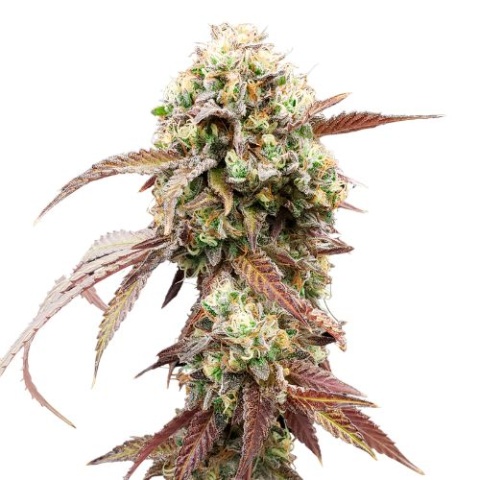
Blueberry Cannabis SeedsFrom: $24.99
Origins:
Blueberry is an indica-dominant hybrid strain created in the 1970s by the legendary breeder DJ Short. It is a cross between Afghani, Purple Thai, and Thai landrace strains. Blueberry is renowned for its sweet, fruity aroma and its potent therapeutic effects.
Chemical Profile:
Blueberry typically contains 16-18% THC and 2% CBD. While its THC content is higher than some other strains on this list, its relaxing and sedative effects make it a valuable strain for managing certain chemotherapy side effects. The strain is also rich in terpenes such as myrcene, which enhances its pain-relieving and anti-inflammatory properties, and limonene, which contributes to its mood-boosting effects.
Medical Benefits:
Blueberry is especially effective at reducing pain, inflammation, and stress, making it a popular choice for chemotherapy patients who experience chronic pain or anxiety. Its sedative properties are also beneficial for patients struggling with insomnia or difficulty sleeping due to chemotherapy-related discomfort. Additionally, Blueberry can help stimulate appetite, making it useful for patients dealing with chemotherapy-induced weight loss and anorexia.
Growing Conditions:
Blueberry is relatively easy to grow, making it suitable for novice growers. It can be grown both inside and outside, though growing it indoors is advised because you have more control over the environment. The plant thrives in a Mediterranean-like climate, with temperatures ranging between 70-80°F (21-27°C). Blueberry plants typically flower in 8-9 weeks and produce moderate to high yields. Growers should be aware that Blueberry plants can be susceptible to pests and mold, so proper ventilation and cleanliness are essential.
5. Northern Lights
-
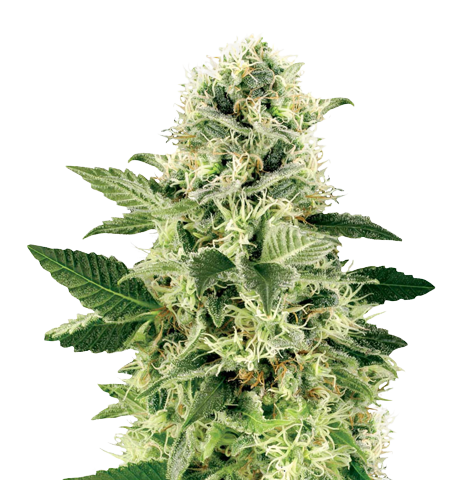
 Northern Lights Cannabis SeedsFrom: $24.99
Origins:
It is thought that Afghani and Thai landrace strains are the source of the legendary indica strain Northern Lights. It was first bred in the 1980s and has since become one of the most iconic cannabis strains in the world. Northern Lights is celebrated for its calming and pain-relieving properties, making it a top choice for medical cannabis users.
Chemical Profile:
Northern Lights typically contains around 16-21% THC and 1% CBD. While its THC levels are higher than some other strains used for medical purposes, its strong indica effects make it highly effective for managing pain and discomfort. The strain also contains terpenes like myrcene, caryophyllene, and pinene, which contribute to its anti-inflammatory and sedative effects.
Medical Benefits:
Northern Lights is particularly effective at treating pain, making it a go-to strain for chemotherapy patients who suffer from chronic pain or neuropathy. Its strong sedative effects help promote relaxation and sleep, which can be crucial for patients experiencing insomnia due to chemotherapy side effects. Additionally, Northern Lights is known to reduce nausea and stimulate appetite, providing relief from two of the most common and distressing side effects of chemotherapy.
Growing Conditions:
Even for novices, growing Northern Lights is a reasonably simple task for this hardy cultivar. Both indoor and outdoor cultivation are possible, however indoor cultivation offers more control over the growing environment. The strain thrives in a warm, sunny climate, similar to the Mediterranean, and typically flowers in 7-9 weeks. Northern Lights plants produce high yields and are resistant to common issues like mold and pests, making them a reliable option for growers.
6. Purple Kush
-
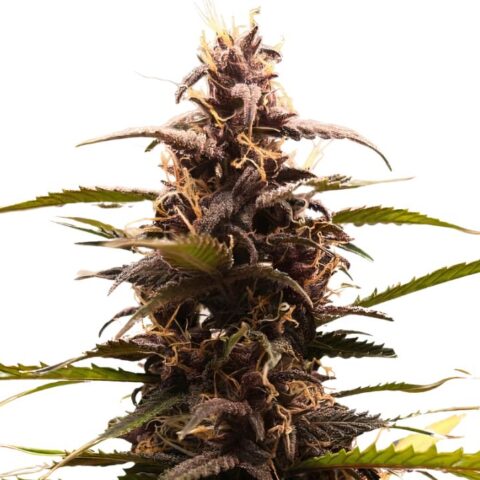
Purple Kush Cannabis SeedsFrom: $24.99
Origins:
The Hindu Kush mountains are the source of the pure indica strain known as Purple Kush. It is a cross between two indica landraces: Hindu Kush and Purple Afghani. Purple Kush is known for its deeply relaxing effects and vibrant purple hues.
Chemical Profile:
Purple Kush typically contains 17-22% THC and less than 1% CBD. While its THC content is relatively high, its strong indica properties make it ideal for managing pain and insomnia. The strain is rich in terpenes such as myrcene, caryophyllene, and humulene, which enhance its anti-inflammatory, pain-relieving, and sedative effects.
Medical Benefits:
Purple Kush is especially effective for managing pain, making it a valuable strain for chemotherapy patients dealing with chronic pain or neuropathy. Its strong sedative properties also make it an excellent choice for patients struggling with insomnia or difficulty sleeping due to chemotherapy-related discomfort. Purple Kush is also known to stimulate appetite and reduce nausea, helping patients regain their strength and nutrition during treatment.
Growing Conditions:
Purple Kush is relatively easy to grow and can be cultivated both indoors and outdoors. It prefers a warm, sunny climate with temperatures between 65-75°F (18-24°C). Purple Kush plants typically flower in 8-9 weeks and produce moderate yields. The strain is known for its resistance to mold and pests, making it a good option for beginner growers. Growers should be mindful of the plant’s vulnerability to low temperatures, since it may have an impact on the plant’s development and productivity.
7. CBD Critical Mass
-
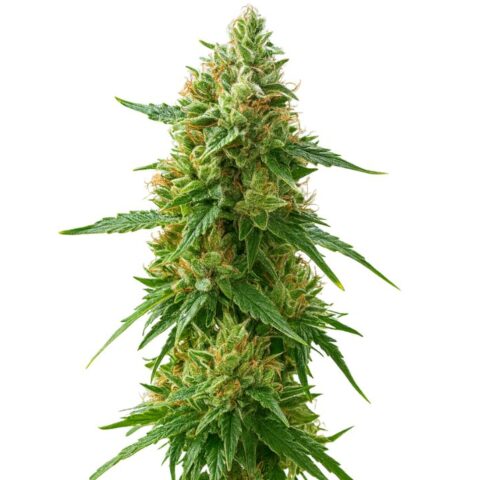
CBD Critical Mass Cannabis SeedsFrom: $24.99
Origins:
CBD Critical Mass is a hybrid strain that is a cross between Critical Mass and an undisclosed high-CBD strain. This strain was bred specifically for its high CBD content and its therapeutic effects, making it an ideal choice for medical cannabis patients.
Chemical Profile:
CBD Critical Mass typically contains a CBD-to-THC ratio of 1:1, with both CBD and THC levels ranging between 5-10%. This balanced cannabinoid profile provides therapeutic benefits without causing strong psychoactive effects. The strain also contains terpenes such as myrcene, caryophyllene, and pinene, which contribute to its pain-relieving and anti-inflammatory properties.
Medical Benefits:
CBD Critical Mass is highly effective at reducing pain, making it a popular choice for chemotherapy patients experiencing chronic pain or neuropathy. Its balanced CBD-to-THC ratio provides relief from inflammation and pain while minimizing psychoactive effects. The strain is also known for its ability to reduce nausea and stimulate appetite, helping patients manage chemotherapy-induced weight loss and malnutrition. Additionally, CBD Critical Mass can help reduce anxiety and promote relaxation, improving the overall quality of life for chemotherapy patients.
Growing Conditions:
CBD Critical Mass is relatively easy to grow and is known for its high yields. It can be grown both inside and outside, though growing it indoors is advised because you have more control over the environment. The strain thrives in a warm, Mediterranean-like climate and typically flowers in 8-9 weeks. CBD Critical Mass plants are resistant to mold and pests, making them a good option for both novice and experienced growers.
Restrictions on Using Cannabis Strains in the Medical Field as a Last Resort and Monitoring THC Levels in Medications
Cannabis use in the medical field is subject to numerous restrictions and regulations, particularly when using strains with notable THC content, which can induce psychoactive effects. Many of the strains recommended for managing chemotherapy side effects, such as Harlequin, ACDC, Cannatonic, Blueberry, Northern Lights, Purple Kush, and CBD Critical Mass, contain varying levels of THC, necessitating careful consideration in medical settings, especially when prescribed as a last resort.
Restrictions on Use in the Medical Field

- Regulatory Approval:
Medical cannabis, including these strains, is often reserved as a last resort when conventional treatments have failed or are inadequate. In many jurisdictions, cannabis must meet stringent regulatory standards before it can be prescribed for medical purposes. Physicians typically require authorization to prescribe cannabis, and in some regions, patients need to obtain a medical cannabis card. The use of these strains may be restricted to specific conditions, such as chronic pain, chemotherapy-induced nausea, and spasticity related to multiple sclerosis. Moreover, the use of high-THC strains in pediatric care or for vulnerable populations such as the elderly or mentally ill may face additional scrutiny or restrictions. - Controlled THC Content:
Strains like Purple Kush and Northern Lights, which have high THC levels, are more likely to induce psychoactive effects, making them less suitable for patients sensitive to THC. High THC cannabis strains should only be used medicinally in cases where all other treatments have failed. Some countries limit the permissible THC content in medical cannabis products, mandating the use of high-CBD, low-THC strains, like Harlequin or ACDC, especially for patients who may experience adverse reactions to THC, such as dizziness, anxiety, or paranoia. - Legal Framework and Scheduling:
In many countries, cannabis is classified as a controlled substance, with THC-containing products often falling under more stringent regulations than CBD-dominant strains. These legal frameworks limit how, when, and where cannabis can be prescribed, and under what conditions it can be accessed as a last resort. Patients may also be required to demonstrate that other treatments have been tried and failed before cannabis can be prescribed.
Monitoring THC Levels to Prevent Psychoactive Effects

- Precision Dosing:
One of the key challenges in medical cannabis use is maintaining a therapeutic dose that provides symptom relief without causing unwanted psychoactive effects. Strains like Harlequin and Cannatonic, with a balanced or high CBD-to-THC ratio, are preferred in medical contexts to mitigate these effects. Close monitoring of THC levels in medications is essential to ensure that patients do not experience psychoactive symptoms like disorientation, altered perception, or cognitive impairment, especially when cannabis is being used as a last-resort treatment. - Standardized Testing:
Medical cannabis products must be subjected to rigorous testing to ensure consistency in cannabinoid content, including THC levels. Healthcare providers often rely on lab-tested products with clearly labeled THC and CBD ratios to make informed decisions about dosing. By doing this, the possibility of unintended psychoactive side effects is reduced and patients are guaranteed a consistent therapeutic dosage. - Formulation of Medications:
In some cases, medical cannabis products are formulated to reduce THC content or eliminate it altogether. High-CBD strains like ACDC are ideal for formulations intended to minimize psychoactive effects while providing therapeutic relief. For chemotherapy patients, formulations containing minimal THC and higher levels of CBD or other non-psychoactive cannabinoids (such as cannabigerol or cannabinol) can be particularly effective for symptom relief without impairing cognition.
Conclusion
The medical application of cannabis is a promising yet intricate field, especially when it comes to treating the negative effects of chemotherapy. The strains discussed—Harlequin, ACDC, Cannatonic, Blueberry, Northern Lights, Purple Kush, and CBD Critical Mass—offer significant medical benefits for patients undergoing chemotherapy. These strains have been shown to alleviate pain, reduce nausea, stimulate appetite, and ease anxiety, improving the quality of life for patients during cancer treatment. Each strain’s unique chemical profile, with varying levels of THC, CBD, and terpenes, contributes to its therapeutic potential, offering targeted relief for specific chemotherapy side effects.
However, the medical use of these strains comes with a set of restrictions and regulatory challenges. Cannabis, especially strains with notable THC content, is subject to stringent controls in many countries. When traditional medicines have not worked effectively for a patient, medical cannabis is frequently employed as a last-resort treatment. Regulatory frameworks require healthcare professionals to carefully monitor cannabinoid levels in medications, particularly THC, to prevent psychoactive effects. This is especially important for patients who may be vulnerable to THC’s cognitive and psychological effects, such as the elderly, children, or those with mental health conditions.
Precision dosing and standardized testing of medical cannabis products are essential to ensuring consistent therapeutic effects while minimizing risks. High-CBD, low-THC strains, like Harlequin and ACDC, are particularly valuable for patients who need the medical benefits of cannabis without the psychoactive impact of THC. These strains help to reduce pain, nausea, and anxiety while promoting appetite and sleep, making them ideal for chemotherapy patients who are already dealing with significant physical and emotional stress.
In conclusion, the therapeutic potential of cannabis strains for managing chemotherapy side effects is clear, but their use must be carefully regulated and monitored. The medical field must strike a balance between providing effective symptom relief and preventing the psychoactive effects that can arise from THC. By adhering to regulatory guidelines, employing precise dosing methods, and favoring high-CBD strains, healthcare providers can ensure that cannabis is used safely and effectively to improve the quality of life for chemotherapy patients.
