Table of Contents
Best Cannabis Seeds for Cold Climates
Growing cannabis in cold climates presents unique challenges, but with the right seed choices, cultivators can still achieve impressive results. Cold climates typically mean shorter growing seasons, temperature fluctuations, and risks of frost, particularly during early spring and late fall. Therefore, selecting strains that are hardy, fast-flowering, mold-resistant, and adaptable to cooler environments is critical.
Before narrowing down genetics for cold weather performance, it helps to understand how climate, plant structure, and seasonal timing influence cannabis growth, which is explained in our cold climate cannabis cultivation overview.
Key Considerations for Growing in Cold Climates
1. Short Flowering Time
Cold regions often have abbreviated growing seasons. Strains with a short flowering period (typically 6–9 weeks) are ideal because they can reach maturity before the first frost hits in early autumn.
2. Mold and Mildew Resistance
Humidity from rain or morning dew in cold areas can foster mold. Mold-resistant strains especially those with dense buds are essential.
3. Autoflowering Genetics
Autoflowering cannabis varieties, which flower based on age rather than light cycles, are well-suited for regions with inconsistent sunlight or long summer days. These strains also tend to have shorter lifecycles.
4. Ruderalis Influence
Cannabis ruderalis, a cold-hardy subspecies, contributes genetics that are naturally adapted to harsh environments. Many autoflowering strains are crossed with ruderalis to enhance their hardiness and rapid development.
5. Indica Dominance
Indica-dominant strains tend to grow short, bushy, and finish faster than sativa strains, making them ideal for cold climates.
Top Cannabis Strains for Cold Climates
1. Frisian Dew
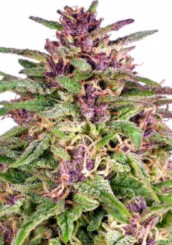
- Type: Hybrid (50/50 Indica/Sativa)
- Flowering Time: 7–8 weeks
- THC: ~15%
- Why It’s Ideal: Frisian Dew is one of the most resilient outdoor strains developed by Dutch Passion. Bred in the Netherlands, it’s genetically equipped to handle cold, wet environments. It resists mold and mildew exceptionally well and finishes flowering before the first frost.
- Effect: Balanced cerebral and body high, slightly uplifting.
2. Hindu Kush
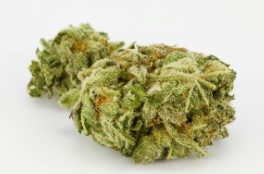
- Type: 100% Indica
- Flowering Time: 7–9 weeks
- THC: ~20%
- Why It’s Ideal: Originating from the Hindu Kush mountain range, this landrace strain is naturally adapted to high-altitude, cold environments. It is robust, resilient, and finishes flowering relatively quickly.
- Effect: Deeply relaxing, sedative, and calming.
3. Northern Lights
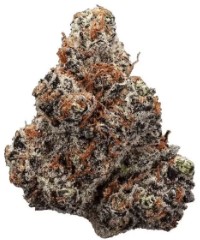
- Type: Indica-dominant
- Flowering Time: 6–8 weeks
- THC: 18–21%
- Why It’s Ideal: One of the most well-known Indica strains globally, Northern Lights is hardy, compact, and finishes quickly—perfect for northern climates. Additionally, it is inherently resistant to mold and pests.
- Effect: Full-body relaxation with mild euphoria.
4. Durban Poison
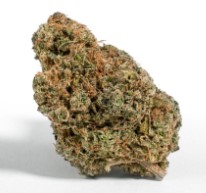
- Type: 100% Sativa
- Flowering Time: 8–9 weeks
- THC: 16–20%
- Why It’s Ideal: A rare sativa suitable for colder climates, this South African strain thrives in cool, outdoor conditions. It has an unusually fast flowering time for a sativa, and it handles stress and poor weather well.
- Effect: Energetic, focused, and uplifting.
5. Auto Blueberry
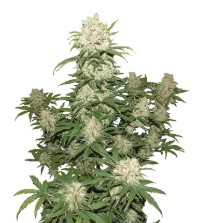
- Type: Indica-dominant Autoflower
- Flowering Time: 8–10 weeks from seed
- THC: ~16%
- Why It’s Ideal: Auto Blueberry combines the sweet, fruity profile of Blueberry with fast autoflowering traits. The plant is compact and flowers fast—ideal for short, cold seasons.
- Effect: Relaxing, with mood-lifting euphoria.
6. Quick One
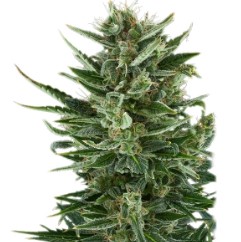
- Type: Indica-dominant Autoflower
- Flowering Time: 8–9 weeks from seed
- THC: ~13%
- Why It’s Ideal: As one of the first commercial autoflowers, Quick One is bred to grow fast and finish early. It thrives in outdoor gardens with short summers and handles temperature dips well.
- Effect: Gentle body buzz and light mental stimulation.
7. Swiss Cheese
- Type: Hybrid (Indica-dominant)
- Flowering Time: 6–8 weeks
- THC: 15–18%
- Why It’s Ideal: This strain was bred by Nirvana Seeds specifically for cooler, wetter conditions. Swiss Cheese develops quickly and has moderate resistance to mold.
- Effect: Euphoric and calming, with a cheesy, skunky aroma.
8. Green Crack Auto
- Type: Sativa-dominant Autoflower
- Flowering Time: 9–10 weeks from seed
- THC: 18–22%
- Why It’s Ideal: Despite being sativa-leaning, Green Crack Auto grows quickly and is bred to resist environmental stress. It performs well in northern latitudes when planted early in the season.
- Effect: Energizing and mood-lifting.
9. Early Skunk
- Type: Indica-dominant
- Flowering Time: 7–9 weeks
- THC: ~15–20%
- Why It’s Ideal: Developed by Sensi Seeds, Early Skunk is known for its ability to finish fast in colder conditions. It combines Skunk #1’s power with the early-flowering genetics of Early Pearl.
- Effect: Potent, relaxing, and slightly euphoric.
10. Auto Mazar
- Type: Indica-dominant Autoflower
- Flowering Time: 10–11 weeks from seed
- THC: ~20%
- Why It’s Ideal: Auto Mazar is derived from Mazar a strain known for its hardiness and heavy yield and crossed with ruderalis to create a resilient, fast-finishing autoflower.
- Effect: Strong body stone, deeply sedating.
Cultivation Tips for Cold Climates
- Start Indoors or in a Greenhouse: Germinate seeds indoors and transplant after the last frost. A cold frame or greenhouse can help extend the growing season.
- Use Raised Beds or Containers: These retain heat better than in-ground soil and allow better root development.
- Watch Daylight Hours: In high latitudes, autoflowers thrive due to long daylight hours even if temperatures are lower.
- Harvest Before the Frost: Always monitor local weather forecasts and plan to harvest before temperatures drop below 5°C (41°F), which can damage trichomes and overall plant health.
- Mulching and Soil Insulation: Using organic mulch can help retain warmth in the root zone during cold nights.
- Frost Covers or Row Tunnels: These protective tools can guard against unexpected cold snaps and allow for better humidity control.
Final Thoughts
Growing cannabis in cold climates is entirely feasible with the right seed choices and cultivation techniques. Autoflowering varieties and hardy indica-dominant strains are often the best bets, given their speed and resilience. Cultivators should also consider genetic lineage especially those involving ruderalis or landrace genetics from mountainous or northern regions as these plants have evolved natural resistance to cold and moisture.
By choosing proven cultivars such as Northern Lights, Frisian Dew, or Hindu Kush and employing smart planting strategies growers in northern Europe, parts of Canada, or cooler U.S. states like Oregon, Vermont, and Michigan can enjoy successful harvests despite the climatic challenges. Selecting quality seeds and timing the grow season well makes all the difference when maximizing yield and potency in colder regions.
