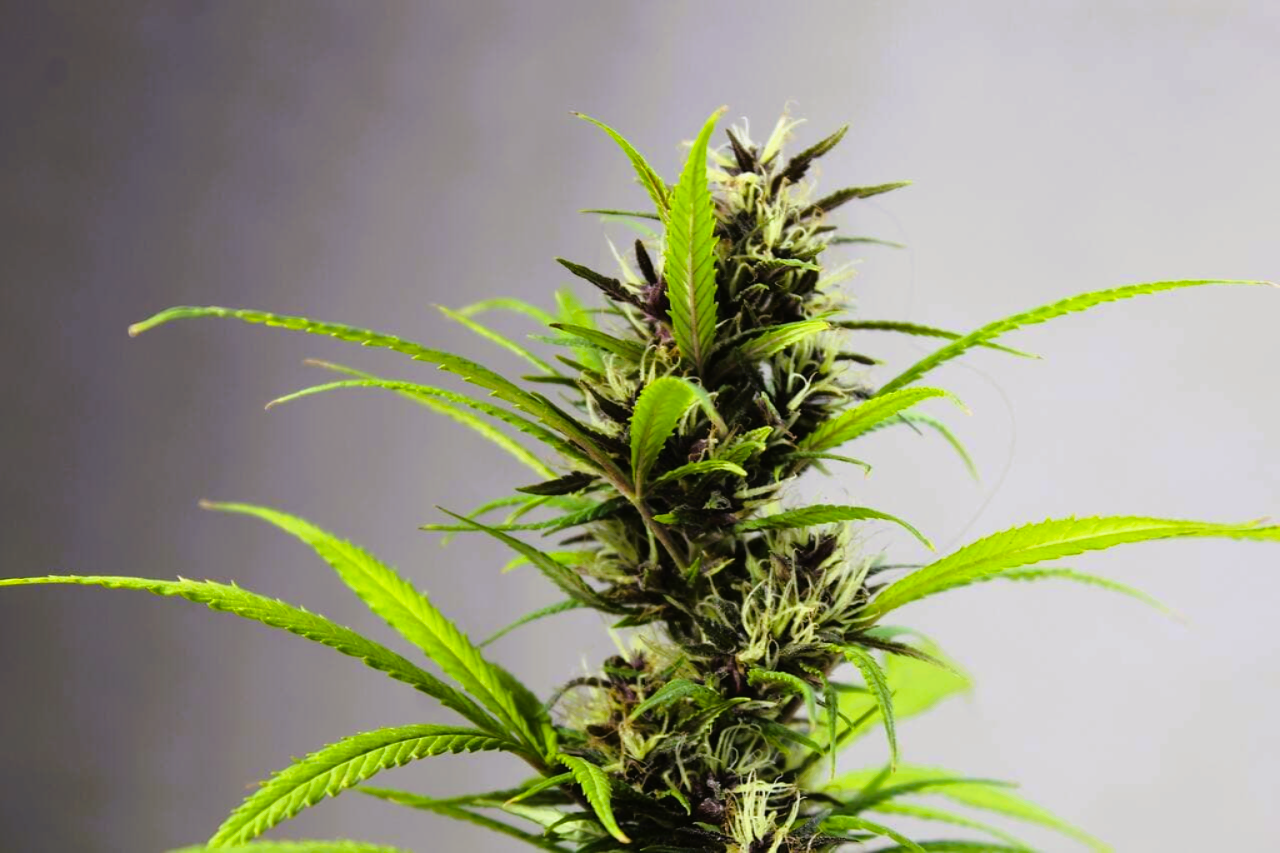
Best Cannabis Haze Strains to Grow for Medical Purposes
Cannabis Haze strains have gained a reputation for their potent effects, primarily characterized by their uplifting, energizing, and euphoric qualities. These strains are particularly sought after for medical use due to their ability to alleviate symptoms of various conditions such as depression, anxiety, chronic pain, and stress. Haze strains generally have a high THC content and a unique terpene profile, making them both flavorful and effective for medicinal purposes.
Overview of Haze Strains
Haze strains are typically Sativa-dominant hybrids known for their tall, lanky growth and extended flowering periods. Originating in California in the 1960s and 1970s, the original Haze was a result of crossbreeding several landrace strains, including Mexican, Colombian, Thai, and Indian varieties. The outcome was a strong and distinctive strain that served as the model for numerous contemporary hybrids.
Key Characteristics of Haze Strains
- Effects: Haze strains are renowned for their cerebral effects. Users often experience an uplifting and euphoric high, which can boost creativity and energy. This makes Haze strains ideal for daytime use and for patients who need relief from fatigue or depression without feeling sedated.
- Flavor and Aroma: The flavor profile of Haze strains is typically complex, with a mix of earthy, citrus, and spicy notes. These distinct flavors and scents are a result of the presence of terpenes including myrcene, limonene, and pinene.
- Growing Requirements: Haze strains usually require a longer flowering time compared to other strains, often ranging from 10 to 14 weeks. They also tend to grow tall and may need significant vertical space if cultivated indoors. These strains thrive in warm, sunny climates but can be successfully grown indoors with proper light and nutrient management.
Top Haze Strains for Medical Purposes
Haze strains are celebrated in the medical cannabis community for their diverse therapeutic effects. These strains, primarily Sativa-dominant, are known for their uplifting and energizing properties, making them suitable for a variety of medical conditions. Here, we explore some of the top Haze strains specifically selected for their medical benefits.
1. Amnesia Haze
Genetics: A hybrid with roots in South Asian and Jamaican landraces.
Effects: Euphoric, uplifting, and energizing. Often used to combat depression and anxiety.
Medical Uses: Amnesia Haze is particularly effective for patients dealing with depression, anxiety, and chronic pain. Its energizing qualities might also aid in relieving weariness.
Growing Information: Requires a warm climate or controlled indoor environment. Long flowering time of 10-12 weeks. This strain can be challenging to grow, making it more suitable for experienced cultivators.
2. Super Lemon Haze
Genetics: A cross between Lemon Skunk and Super Silver Haze.
Effects: Energetic, uplifting, and stress-relieving.
Medical Uses: Effective for treating fatigue, depression, and stress. The energizing effects make it a good choice for patients needing a daytime medication.
Growing Information: Prefers a Mediterranean climate but can also be grown indoors. Flowering time is around 9-10 weeks. Super Lemon Haze is known for its high yields and vibrant flavor.
-
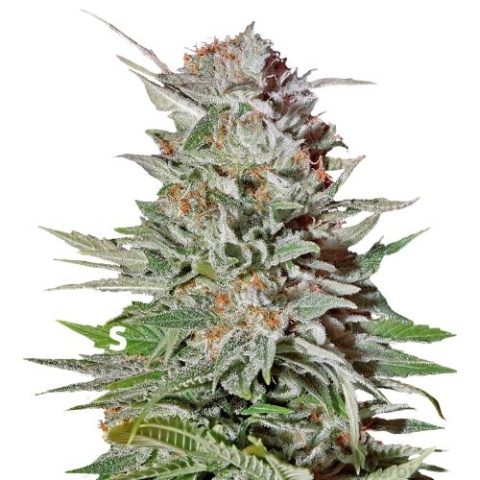 Super Lemon Haze Cannabis SeedsFrom: $24.99
3. Blueberry Haze
Genetics: A hybrid of Blueberry and Haze.
Effects: Relaxing, euphoric, and slightly sedative.
Medical Uses: Good for pain relief, stress, and insomnia. The relaxing effects can help patients unwind and reduce anxiety.
Growing Information: Can be grown both indoors and outdoors. Flowering time is 9-10 weeks. This strain produces dense buds with a fruity aroma.
-
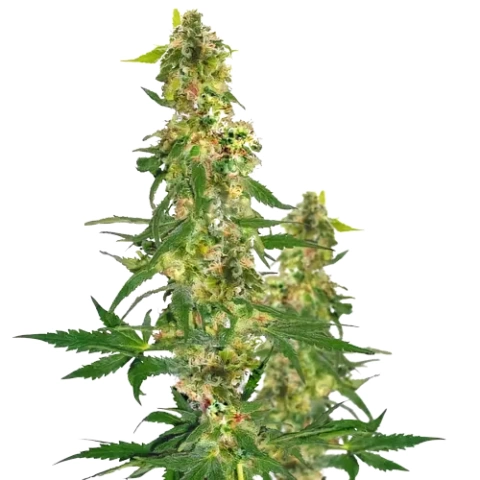 Blueberry Haze Cannabis SeedsFrom: $24.99
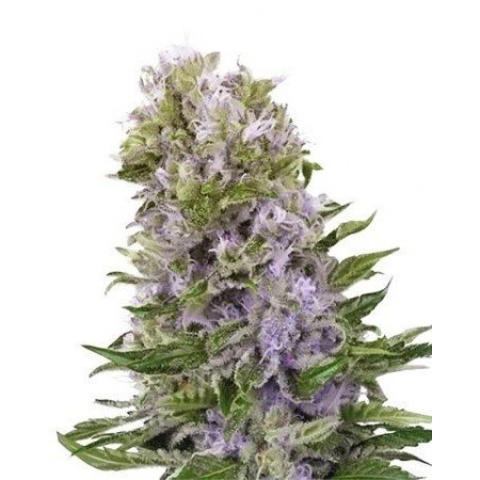
4. Purple Haze
Genetics: A mix of Purple Thai and Haze strains.
Effects: Creative, euphoric, and uplifting.
Medical Uses: Helps with stress, depression, and mild pain. The creative boost it provides can also benefit patients engaged in artistic or intellectual work.
Growing Information: Thrives in warm climates. Flowering time is about 9 weeks. Purple Haze is known for its vibrant purple hues and sweet aroma.
-
 Purple Haze Cannabis SeedsFrom: $24.99
5. Lemon Haze
Genetics: A cross between Lemon Skunk and Silver Haze.
Effects: Uplifting, happy, and energizing.
Medical Uses: Useful for managing depression, stress, and lack of appetite. Its uplifting effects are particularly beneficial for mood enhancement.
Growing Information: Suitable for indoor and outdoor cultivation. Flowering time is around 8-9 weeks. Lemon Haze is appreciated for its zesty lemon flavor and aroma.
-
 Lemon Haze Cannabis SeedsFrom: $24.99

6. Haze Berry (Blue Dream Haze)
Genetics: A hybrid of Blue Dream and Haze.
Effects: Relaxed, euphoric, and pain-relieving.
Medical Uses: Effective for chronic pain, depression, and stress. The balanced effects make it versatile for both daytime and nighttime use.
Growing Information: Prefers a temperate climate. Flowering time is 9-10 weeks. This strain is known for its high yields and sweet berry flavor.
7. Silver Haze
Genetics: A combination of Northern Lights and Haze.
Effects: Cerebral, uplifting, and energizing.
Medical Uses: Helps with fatigue, depression, and stress. The energetic effects make it suitable for daytime use.
Growing Information: Requires a warm climate or indoor growing setup. Flowering time is 9-10 weeks. Silver Haze is noted for its high THC content and sparkling trichomes.
-
 Silver Haze Cannabis SeedsFrom: $24.99

8. Liberty Haze
Genetics: A cross between G13 and Chem Dawg 91.
Effects: Euphoric, uplifting, and creative.
Medical Uses: Effective for anxiety, depression, and pain. The creative boost can be beneficial for those needing mental stimulation.
Growing Information: Grows well in temperate climates. Flowering time is 8-9 weeks. Liberty Haze is popular for its balanced effects and fast flowering time.
-
Liberty Haze Cannabis SeedsFrom: $24.99
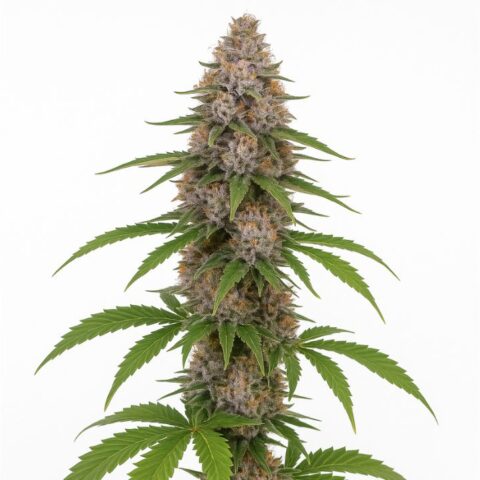
Growing Tips for Haze Strains
Growing Haze strains can be rewarding due to their potent effects and unique flavors. However, these strains can also be challenging to cultivate, especially for beginners. Here are some comprehensive growing tips to help you successfully grow Haze strains and maximize their yield and potency.
1. Climate Considerations
Haze strains thrive in warm and sunny climates, similar to their tropical landrace origins. If you’re growing outdoors, aim for a climate that provides plenty of sunlight and stable temperatures.
- Outdoor Growing: Ideal for regions with long, warm growing seasons. Ensure plants receive at least 12 hours of direct sunlight daily.
- Indoor Growing: Use high-intensity grow lights (such as HPS or LED) to replicate the sunlight. Keep the temperature throughout the day between 70–85°F (21–29°C), and at night a little bit lower.
2. Space and Height Management
Haze strains are known for their tall, lanky growth. Managing their height and ensuring adequate space is crucial.
- Vertical Space: Ensure you have enough vertical space if growing indoors. Haze plants can exceed 6-8 feet in height.
- Training Techniques: Use training methods such as topping, low-stress training (LST), or the Screen of Green (ScrOG) technique to control height and promote even canopy development.
3. Soil and Growing Medium
Choosing the right growing medium can significantly impact the health and yield of your Haze plants.
- Soil: Choose nutrient-rich, well-draining soil with a pH of 6.0 to 6.5, which is slightly acidic. Think of including organic materials like worm castings or compost.
- Hydroponics: For more control over nutrient intake, hydroponic systems can be effective. Ensure you monitor pH and nutrient levels closely.
4. Nutrient Requirements
Haze strains can be nutrient-hungry, especially during the flowering stage. Providing a balanced nutrient regimen is essential.
- Vegetative Stage: Focus on nutrients high in nitrogen (N) to support healthy leaf and stem growth.
- Flowering Stage: Transition to nutrients higher in phosphorus (P) and potassium (K) to promote bud development. Monitor for signs of nutrient deficiencies or excesses, and adjust accordingly.
5. Watering Practices
Proper watering is critical for the health of your Haze plants.
- Watering Frequency: Allow the top inch of soil to dry out between waterings to prevent overwatering. Overwatering can lead to root rot and other issues.
- pH Levels: Ensure the water you use has a pH level of 6.0-6.5 for soil grows and 5.5-6.0 for hydroponic systems.
6. Light Requirements
Haze strains require ample light to reach their full potential.
- Light Intensity: Provide high-intensity lighting for indoor grows. It is advised to use HPS or LED lighting, with a light schedule of 12 hours during the flowering period and 18–24 hours during the vegetative stage.
- Light Distance: Keep lights at an appropriate distance from the canopy to prevent light burn while ensuring adequate light penetration.
7. Flowering Time and Harvesting
Haze strains generally have a longer flowering period, which requires patience and proper timing for harvesting.
- Flowering Period: Expect a flowering time of 10-14 weeks. To choose the best time to harvest, keep an eye on your trichomes. Trichomes that have reached the height of their cannabis content should be milky white with slight amber colors.
- Harvesting: Use sharp, clean scissors to cut the buds. Handle them gently to preserve trichomes.
8. Pest and Disease Management
Keeping your Haze plants healthy involves preventing and managing pests and diseases.
- Pest Control: Regularly inspect plants for signs of pests such as spider mites, aphids, and whiteflies. Employ natural pest management techniques, including using beneficial insects or neem oil.
- Disease Prevention: Maintain proper airflow and humidity levels to prevent mold and mildew. Make sure there is enough drainage and don’t overwater.
9. Curing and Storing
Proper curing and storage are essential to preserve the potency, flavor, and aroma of your Haze buds.
- Drying: Hang trimmed buds upside down in a dark, well-ventilated space with a temperature of 60-70°F (15-21°C) and humidity around 50%.
- Curing: Place dried buds in airtight glass jars and store them in a cool, dark place. Open the jars daily for the first few weeks to release moisture and allow for proper curing. Continue curing for at least 2-4 weeks for optimal results.
Additional Tips
- Strain Selection: Choose Haze strains that match your growing environment and experience level. Some strains may be more forgiving and easier to grow than others.
- Record Keeping: Keep detailed records of your growing conditions, nutrient schedules, and any issues encountered. You can increase future growth and technique refinement by doing this.
- Patience and Observation: Regularly monitor your plants and be patient. Growing Haze strains can be challenging, but the rewards are well worth the effort.
Medical Benefits of Haze Strains
Haze strains are highly regarded in the medical cannabis community for their potent therapeutic effects. These strains, primarily Sativa-dominant, are known for their uplifting and energizing properties, making them suitable for a variety of medical conditions. Here are some of the key medical benefits of Haze strains:
1. Relief from Depression
One of the most notable benefits of Haze strains is their effectiveness in alleviating symptoms of depression. The uplifting and euphoric effects can help improve mood and provide a sense of well-being.
- Mechanism: Haze strains often have high THC content, which interacts with the endocannabinoid system to release dopamine and serotonin, neurotransmitters associated with happiness and mood regulation.
- Strains: Amnesia Haze, Super Lemon Haze, and Purple Haze are particularly known for their mood-enhancing properties.
2. Anxiety Reduction
While not all strains are suitable for anxiety due to potential overstimulation, many Haze strains can help reduce anxiety when used appropriately.
- Mechanism: The balanced ratio of cannabinoids and terpenes in some Haze strains can produce calming effects without the heavy sedation associated with Indica strains.
- Strains: Liberty Haze and Blueberry Haze are effective in providing anxiety relief due to their balanced effects.
3. Pain Management
Haze strains can provide significant relief from chronic pain and inflammation, making them a popular choice for patients with conditions such as arthritis, fibromyalgia, and migraines.
- Mechanism: The anti-inflammatory and analgesic properties of THC and other cannabinoids help in reducing pain perception and inflammation.
- Strains: Haze Berry and Blueberry Haze are known for their pain-relieving effects.
4. Fatigue and Energy Boost
The energizing properties of Haze strains make them suitable for combating fatigue and providing an energy boost. This can be particularly beneficial for patients with chronic fatigue syndrome or those experiencing fatigue due to other medical conditions.
- Mechanism: The Sativa dominance in Haze strains promotes cerebral stimulation, increasing alertness and energy levels.
- Strains: Super Lemon Haze and Silver Haze are renowned for their stimulating effects that help fight fatigue.
5. Stress Relief
Haze strains are effective in reducing stress and promoting relaxation without causing sedation. This makes them suitable for patients who need to remain functional during the day while managing stress.
- Mechanism: The balanced effects of cannabinoids and terpenes help reduce cortisol levels, a hormone associated with stress.
- Strains: Purple Haze and Liberty Haze are excellent choices for stress relief.
6. Enhanced Creativity and Focus
For patients requiring mental clarity and focus, such as those with ADHD or creative professionals, Haze strains can enhance creativity and concentration.
- Mechanism: The cerebral high from Haze strains stimulates the prefrontal cortex, which is responsible for creativity and problem-solving.
- Strains: Purple Haze and Liberty Haze are known to boost creativity and focus.
7. Appetite Stimulation
Haze strains can help stimulate appetite, making them beneficial for patients with conditions that cause loss of appetite, such as cancer or HIV/AIDS.
- Mechanism: The hormone ghrelin, which promotes hunger, is released when THC is stimulated.
- Strains: Lemon Haze and Super Lemon Haze are effective in promoting appetite.
8. Nausea and Vomiting Relief
Patients undergoing chemotherapy or those with gastrointestinal disorders can benefit from the anti-nausea properties of Haze strains.
- Mechanism: THC interacts with the body’s endocannabinoid system to reduce nausea and vomiting.
- Strains: Amnesia Haze and Lemon Haze are known for their anti-nausea effects.
Specific Medical Conditions and Haze Strains
Depression and Anxiety
- Amnesia Haze: Offers a strong euphoric and uplifting effect, making it ideal for combating severe depression and anxiety.
- Super Lemon Haze: Known for its energetic and mood-lifting properties, it is great for relieving symptoms of mild to moderate depression and anxiety.
Chronic Pain and Inflammation
- Haze Berry: Its balanced effects provide pain relief without heavy sedation, making it suitable for chronic pain management.
- Blueberry Haze: Offers both pain relief and relaxation, making it effective for conditions like arthritis and migraines.
Fatigue and Stress
- Super Lemon Haze: Provides an energetic boost that helps fight fatigue while also reducing stress levels.
- Silver Haze: Known for its stimulating effects, it helps combat fatigue and provides mental clarity.
Appetite Stimulation and Nausea Relief
- Lemon Haze: Effective in stimulating appetite and reducing nausea, making it suitable for patients undergoing treatments like chemotherapy.
- Amnesia Haze: Provides nausea relief and helps improve appetite.
Terpenes and Their Role in Medical Benefits
Terpenes play a significant role in the medical benefits of Haze strains. These aromatic compounds contribute to the effects and therapeutic properties of the strains.
- Myrcene: Known for its sedative and anti-inflammatory properties. Found in strains like Blueberry Haze.
- Limonene: Provides mood enhancement and stress relief. Common in strains like Super Lemon Haze and Lemon Haze.
- Pinene: Offers anti-inflammatory and bronchodilator effects. Found in strains like Haze Berry and Amnesia Haze.
- Caryophyllene: Known for its analgesic and anti-inflammatory properties. Present in strains like Liberty Haze.
Conclusion
Haze strains stand out in the world of medical cannabis for their potent, uplifting, and therapeutic effects. Originating from a blend of various landrace strains, Haze varieties are predominantly Sativa-dominant hybrids that offer a unique combination of euphoria, energy, and creativity, making them particularly effective for treating conditions like depression, anxiety, chronic pain, and stress.
Growing Haze strains can be a rewarding yet challenging endeavor. Their preference for warm, sunny climates, extended flowering periods, and significant height necessitate careful planning and management. However, with the right growing conditions and techniques, cultivators can achieve high yields of potent, flavorful buds that are rich in cannabinoids and terpenes.
The medical benefits of Haze strains are diverse. They provide relief from mental health conditions such as depression and anxiety through their mood-enhancing effects. Chronic pain sufferers can find solace in strains like Blueberry Haze and Haze Berry, while those dealing with fatigue can benefit from the energizing properties of Super Lemon Haze and Silver Haze. Additionally, the creative boost offered by strains like Purple Haze and Liberty Haze makes them suitable for patients needing enhanced focus and creativity.
Overall, the therapeutic potential of Haze strains makes them a valuable option for medical cannabis users. Whether grown indoors or outdoors, with proper care and attention, these strains can offer significant relief and improved quality of life for many patients. By understanding the specific characteristics and benefits of each Haze strain, medical cannabis users can make informed choices that best suit their needs and conditions.
