Best 5 Medical Cannabis Strains to Grow Indoors in Winter 2024
Growing medical cannabis indoors during winter can be a rewarding and effective way to ensure consistent supply, particularly when outdoor conditions are less favorable. Indoor cultivation allows growers to control environmental factors such as light, temperature, humidity, and CO2 levels, making it easier to produce high-quality medical cannabis with specific cannabinoid profiles. For Winter 2024, certain strains are particularly well-suited for indoor cultivation due to their resilience, potency, and medical benefits. The top five medical cannabis strains to grow indoors this season are examined in detail in this article, with an emphasis on the strains’ histories, chemistries, therapeutic uses, and ideal growing environments.
1. Northern Lights
-
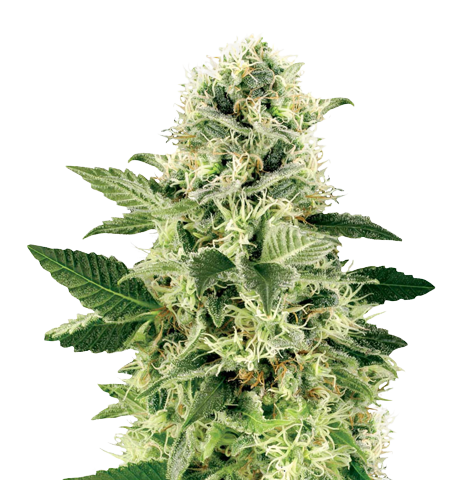 Northern Lights Cannabis SeedsFrom: $24.99
Origins
Northern Lights is one of the most famous and enduring strains in the cannabis world. It is an Indica-dominant strain, believed to have originated in the Pacific Northwest of the United States in the 1970s. The strain has a genetic lineage that includes Afghani and Thai landrace strains, which contribute to its robustness and high resin production. Over the years, Northern Lights has been refined and stabilized, making it a favorite among indoor growers, especially in colder months.
Chemical Profile
Northern Lights is known for its balanced cannabinoid profile, which includes a moderate to high THC content ranging from 16% to 21%. The strain also contains small amounts of CBD, typically between 0.1% and 0.3%, which complements its therapeutic effects. Its earthy, piney scent with undertones of spice is attributed to the high concentration of myrcene, caryophyllene, and pinene in the terpene profile.
Medical Benefits
Northern Lights is highly regarded for its medical applications, particularly in managing chronic pain, insomnia, and stress. This strain’s sedative properties make it perfect for use at night, promoting peaceful sleep for users. The anti-inflammatory properties of its terpenes, especially myrcene and caryophyllene, provide relief from conditions like arthritis and fibromyalgia. Additionally, Northern Lights is effective in alleviating symptoms of anxiety and depression due to its calming effects on the mind and body.
Growing Conditions
Northern Lights is a resilient strain that thrives indoors, making it perfect for winter cultivation. It prefers a stable temperature between 70°F and 85°F, with humidity levels kept between 40% and 50% during the flowering stage. This strain is relatively short and bushy, reaching heights of 3 to 4 feet, making it suitable for smaller indoor spaces. Northern Lights has a flowering time of 7 to 9 weeks and can produce a yield of up to 18 ounces per square meter.
To maximize yield and potency, growers should ensure consistent light exposure, preferably using LED lights with a spectrum that mimics natural sunlight. The use of high-quality soil or a hydroponic system can further enhance the growth and cannabinoid content of Northern Lights.
2. Blue Dream
-
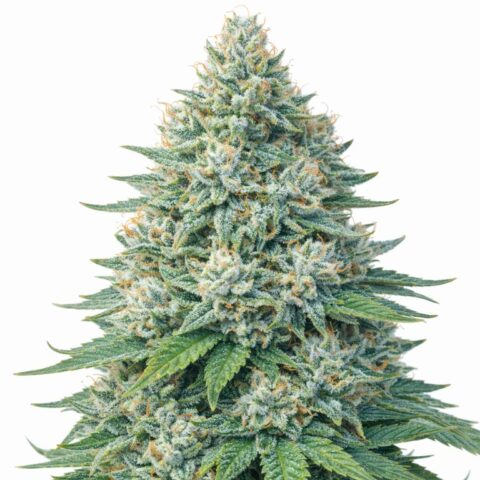 Blue Dream Cannabis SeedsFrom: $24.99
Origins
Blue Dream is a hybrid strain that has gained immense popularity in the medical cannabis community due to its balanced effects and versatility. California-bred Blue Dream is a hybrid of Haze Sativa and Blueberry Indica that combines the best qualities of both strains. It has become a staple in many medical cannabis dispensaries across the United States.
Chemical Profile
THC levels in Blue Dream usually range from 17% to 24%, while CBD levels are normally between 0.1% and 0.2%. Terpenes including myrcene, pinene, and caryophyllene, which are abundant in this strain, give it a unique scent and medicinal qualities. The combination of cannabinoids and terpenes in Blue Dream makes it effective for a wide range of medical conditions.
Medical Benefits

Blue Dream is known for its uplifting and euphoric effects, making it an excellent choice for patients dealing with depression, anxiety, and PTSD. The strain also provides effective pain relief without the heavy sedation associated with Indica-dominant strains, making it suitable for daytime use. Blue Dream’s anti-inflammatory properties can help manage conditions like migraines and muscle spasms, while its mood-enhancing effects make it beneficial for patients with mood disorders.
Growing Conditions
Blue Dream is well-suited for indoor cultivation during winter, as it requires a stable environment to thrive. The strain prefers temperatures between 68°F and 80°F, with humidity levels around 50% during the vegetative stage and 40% during flowering. Blue Dream plants can grow quite tall, often reaching heights of 5 to 6 feet, so growers should consider training techniques like topping or low-stress training (LST) to manage their height.
The flowering time for Blue Dream is 9 to 10 weeks, and it can produce generous yields of up to 20 ounces per square meter under optimal conditions. Using high-intensity LED lights can help replicate the long daylight hours that Blue Dream would experience in its natural environment. In order to avoid mold and mildew, which might be more common in the winter owing to lower temperatures and greater humidity levels, it is also essential to provide enough airflow and ventilation.
3. Critical Kush
-
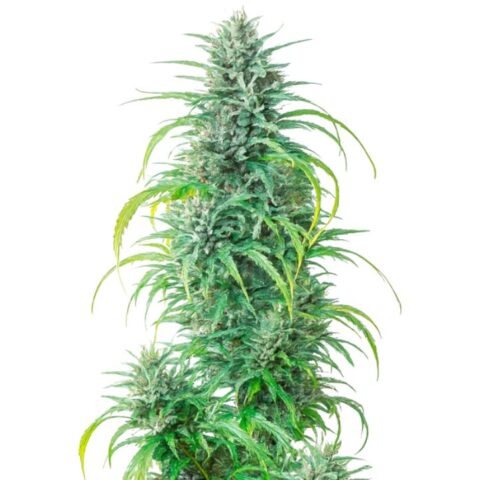
 Critical Kush Cannabis SeedsFrom: $24.99
Origins
Critical Mass and OG Kush were crossed to create the strong Indica-dominant strain known as Critical Kush. Because of its sturdy character and great output, this variety is well-liked among indoor growers. Critical Kush has its origins in the cannabis breeding hubs of Europe, particularly in the Netherlands, where it was developed to offer high THC levels and strong therapeutic effects.
Chemical Profile
Critical Kush is characterized by its high THC content, which typically ranges from 20% to 25%. Additionally, the strain has minimal levels of CBD, often between 0.1% and 0.3%. The terpene profile of Critical Kush is dominated by myrcene, limonene, and caryophyllene, giving it a rich, earthy aroma with citrus undertones.
Medical Benefits
The high THC content in Critical Kush makes it an effective strain for managing chronic pain, insomnia, and stress. Patients suffering from conditions like multiple sclerosis, fibromyalgia, and chronic fatigue syndrome may find relief with Critical Kush due to its potent analgesic properties. The strain’s sedative effects are also beneficial for those dealing with sleep disorders, helping to induce deep and restful sleep. Additionally, the anti-anxiety effects of limonene and caryophyllene make Critical Kush suitable for patients with anxiety and depression.
Growing Conditions
Critical Kush is a resilient strain that is well-suited for indoor cultivation, particularly during the colder winter months. The strain thrives in temperatures between 70°F and 80°F, with humidity levels kept around 40% to 50%. Critical Kush plants are generally short and bushy, making them ideal for indoor grow spaces with limited height. The strain has a flowering time of 7 to 9 weeks and can produce yields of up to 21 ounces per square meter.
To maximize the yield and potency of Critical Kush, growers should provide consistent light exposure, ideally using full-spectrum LED lights. Maintaining proper airflow and using techniques such as defoliation can help prevent moisture buildup and improve light penetration, leading to healthier plants and higher yields.
4. Gorilla Glue #4
Origins
Gorilla Glue #4, also known as GG4, is a hybrid strain that has gained widespread acclaim for its powerful effects and high resin production. This strain was developed by crossing Chem’s Sister, Sour Dubb, and Chocolate Diesel, resulting in a strain with a unique flavor profile and potent therapeutic effects. GG4 originated in the United States and quickly became a favorite among medical cannabis users and growers alike.
Chemical Profile
Gorilla Glue #4 is known for its exceptionally high THC content, which can range from 25% to 30%, making it one of the more potent strains available. The strain also contains small amounts of CBD, typically less than 0.1%. GG4’s terpene profile is rich in caryophyllene, limonene, and myrcene, contributing to its complex aroma, which includes notes of earth, pine, and diesel.
Medical Benefits
Patients with ailments like multiple sclerosis, arthritis, and persistent back pain frequently choose GG4 because of its exceptional efficacy in treating inflammation, muscular spasms, and chronic pain. The strain’s strong sedative effects are also beneficial for those dealing with insomnia and anxiety, helping to calm the mind and promote restful sleep. Additionally, GG4 can be used to alleviate symptoms of depression and PTSD due to its mood-enhancing properties.
Growing Conditions
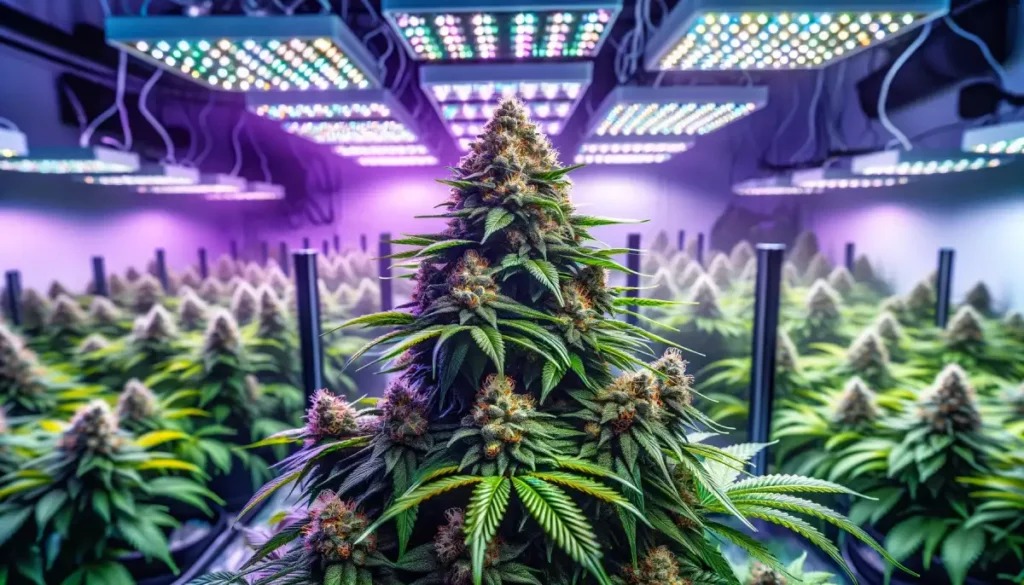
Gorilla Glue #4 is a versatile strain that can thrive indoors during winter, provided it is given the right care and environment. The strain prefers a temperature range of 68°F to 80°F and requires humidity levels between 40% and 50% during the flowering stage. GG4 plants can grow tall and bushy, often reaching heights of 4 to 6 feet, so growers should use training techniques like topping and scrogging to manage their growth and improve light distribution.
GG4 has a flowering time of 8 to 9 weeks and can produce impressive yields of up to 18 ounces per square meter under optimal conditions. Due to its high resin production, GG4 may benefit from the use of supplemental CO2 during the flowering stage to enhance bud development and potency. Ensuring proper airflow and ventilation is also crucial, as the dense buds of GG4 are prone to mold if exposed to excessive humidity.
5. White Widow
-
White Widow Cannabis SeedsFrom: $24.99
Origins
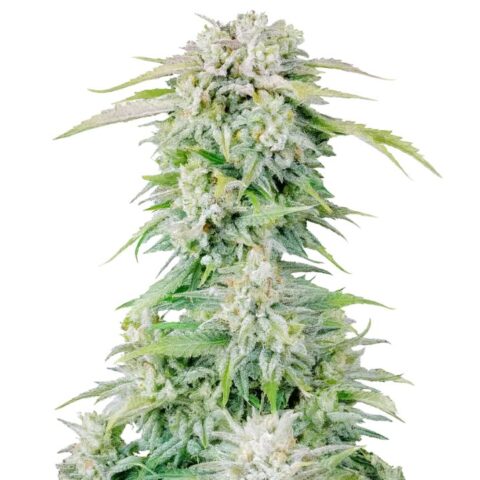
Since its debut in the 1990s, White Widow, a renowned hybrid strain, has been a mainstay in the cannabis community. It was developed in the Netherlands by crossing a Brazilian Sativa landrace with a South Indian Indica, resulting in a balanced hybrid that offers a mix of cerebral stimulation and physical relaxation. White Widow has remained popular among medical cannabis users due to its versatility and wide range of therapeutic effects.
Chemical Profile
White widow usually contains between 18% and 25% THC and between 0.1% and 0.3% CBD. Myrcene, caryophyllene, and pinene make up the terpene profile of this strain, which gives it a strong, earthy scent with undertones of pine and spice. This balanced chemical profile contributes to White Widow’s effectiveness in treating various medical conditions.
Medical Benefits
White Widow is known for its uplifting and energizing effects, making it a suitable strain for patients dealing with depression, fatigue, and ADHD. The strain also provides moderate pain relief and is effective in managing conditions like migraines, arthritis, and muscle spasms. White Widow’s ability to enhance focus and creativity makes it a popular choice for patients who need to stay productive while managing their symptoms. Furthermore, the anti-inflammatory qualities of the strain can aid in lowering pain and swelling related to chronic pain disorders.
Growing Conditions
White Widow is a resilient strain that is well-suited for indoor cultivation during the winter months. The strain prefers temperatures between 70°F and 80°F, with humidity levels kept around 40% to 50% during the flowering stage. White Widow plants are medium-sized, typically reaching heights of 4 to 5 feet, making them manageable for indoor grow spaces. The strain has a flowering time of 8 to 10 weeks and can produce yields of up to 18 ounces per square meter.
To optimize the growth and yield of White Widow, growers should provide consistent light exposure, ideally using LED lights with a full spectrum. Regular pruning and defoliation can help improve airflow and light penetration, leading to healthier plants and higher-quality buds. White Widow is also known for its resistance to pests and mold, making it a relatively low-maintenance strain for indoor growers.
Restrictions on Using These Strains in the Medical Field as a Last Resort

The use of medical cannabis strains, such as Northern Lights, Blue Dream, Critical Kush, Gorilla Glue #4, and White Widow often faces regulatory and ethical restrictions, particularly when they are considered as a “last resort” treatment option. These restrictions stem from concerns about the psychoactive effects of THC, potential for misuse, and the need for more standardized, evidence-based treatment protocols. Here’s an overview of the key restrictions and considerations when using these strains in the medical field:
1. Legal and Regulatory Constraints
- Prescription Limitations: In many jurisdictions, medical cannabis can only be prescribed when conventional treatments have failed or are not suitable for the patient. This makes these strains a “last resort” option, often requiring extensive documentation and justification by the prescribing physician.
- Specialist Approval: Some regions require approval from a specialist or a medical board before medical cannabis can be prescribed, particularly for strains with high THC content like Gorilla Glue #4 or Critical Kush. This adds an additional layer of scrutiny to ensure that cannabis is used appropriately and not as a first-line treatment.
- Strain-Specific Restrictions: Certain strains with high THC levels, such as Gorilla Glue #4, might be subject to stricter controls due to their potent psychoactive effects. These strains may only be available in specific formulations with controlled THC content or may require additional monitoring to ensure patient safety.
2. Ethical Considerations
- Informed Consent: Patients must be fully informed about the potential risks and benefits of using high-THC strains, particularly in terms of their psychoactive effects. This includes discussing alternative treatments and ensuring that patients understand the “last resort” nature of cannabis use in their treatment plan.
- Pediatric and Vulnerable Populations: The use of medical cannabis in pediatric patients or other vulnerable populations, such as the elderly or those with mental health conditions, is often more restricted. These patients may be more sensitive to THC, and the use of such strains may only be considered when all other treatment options have been exhausted.
3. Monitoring and Evaluation
- THC Levels in Medications: To minimize the psychoactive effects of THC, medical cannabis formulations may be required to undergo rigorous testing to ensure consistent and controlled THC levels. This is particularly important for strains like Northern Lights or Blue Dream, where THC content can vary.
- Patient Monitoring: Continuous monitoring of patients using medical cannabis is crucial, especially when high-THC strains are involved. This includes regular assessments of the patient’s response to treatment, potential side effects, and any signs of THC intoxication.
- Titration and Dosage Adjustments: Physicians may need to start with lower doses and gradually titrate up to find the minimal effective dose that provides therapeutic benefits without significant psychoactive effects. This careful management is vital for strains with higher THC content to prevent unwanted side effects.
Monitoring THC Levels to Prevent Psychoactive Effects on Patients
Given the psychoactive properties of THC, careful monitoring of its levels in medical cannabis products and in patients is essential to ensure that therapeutic benefits are achieved without inducing significant psychoactive effects. Here are some key strategies for monitoring and managing THC levels in medical cannabis:
1. Standardization and Testing of Cannabis Products
- Batch Testing: Medical cannabis products, including those derived from strains like White Widow and Blue Dream, should undergo rigorous batch testing to ensure consistent cannabinoid profiles. This includes verifying THC and CBD concentrations, as well as terpene profiles, to provide predictable effects.
- Labeling Requirements: Accurate labeling of THC content on medical cannabis products is essential. Patients and healthcare providers must know the exact THC concentration to manage dosing effectively and minimize the risk of psychoactive effects.
2. Patient-Centered Dosing Strategies
- Microdosing: For patients sensitive to THC or for those starting cannabis therapy, microdosing can be an effective strategy. This is consuming cannabis in little, carefully measured dosages to have the intended medicinal benefit without getting inebriated. Strains with a balanced THC/CBD ratio, like Blue Dream, are often preferred for this approach.
- Titration Protocols: Gradual titration of THC doses allows physicians to identify the minimum effective dose that provides relief while minimizing psychoactive effects. This approach is particularly important for strains like Critical Kush or Gorilla Glue #4, which have high THC concentrations.
3. Use of THC-Lowering Techniques
- Combining with CBD: CBD is known to mitigate some of the psychoactive effects of THC. By using strains or products that have a balanced THC/CBD ratio, or by supplementing with CBD, healthcare providers can reduce the likelihood of psychoactive effects while still achieving therapeutic benefits. For instance, pairing a high-THC strain like Northern Lights with a CBD-dominant strain can help balance the effects.
- Formulation Control: Physicians may opt for cannabis formulations where THC has been specifically reduced or where the product is designed to release THC more slowly, thereby reducing the intensity of its psychoactive effects.
4. Regular Monitoring and Assessment
- Patient Self-Reporting: Patients should be encouraged to report any psychoactive effects they experience, such as euphoria, anxiety, or cognitive impairment. This feedback allows healthcare providers to adjust the dosage or strain selection accordingly.
- Cognitive and Functional Assessments: Regular cognitive and functional assessments can help identify early signs of THC-related impairment. This is particularly important for patients using high-THC strains like Gorilla Glue #4, where the risk of psychoactive effects is higher.
- Blood THC Level Monitoring: In some cases, particularly where there is a high risk of adverse effects, monitoring blood THC levels may be warranted. This can help in adjusting the dose to maintain therapeutic effects while minimizing psychoactive impact.
Conclusion
In Winter 2024, growing medical cannabis indoors offers an excellent opportunity to cultivate strains that provide significant therapeutic benefits while maintaining control over environmental factors. The five strains discussed—Northern Lights, Blue Dream, Critical Kush, Gorilla Glue #4, and White Widow—are particularly well-suited for this purpose. Every strain has special qualities that make it perfect for treating a range of illnesses, from anxiety and depression to chronic pain and sleeplessness.
However, the use of these strains in the medical field comes with certain restrictions, especially when they are considered a “last resort” treatment. Legal and regulatory frameworks often require extensive documentation and specialist approval before medical cannabis can be prescribed, ensuring that it is used appropriately and not as a first-line treatment. Additionally, ethical issues are also important, especially when it comes to making sure vulnerable groups are used carefully and with informed permission.
Monitoring and managing THC levels in these strains is vital to prevent unwanted psychoactive effects. This involves standardized testing of cannabis products, patient-centered dosing strategies, and the use of THC-lowering techniques such as combining with CBD. Regular patient monitoring and cognitive assessments further help in maintaining the delicate balance between therapeutic benefits and psychoactive risks.
Ultimately, by carefully selecting strains, adhering to legal and ethical guidelines, and employing rigorous monitoring practices, medical cannabis can be used effectively and safely to provide relief for patients with a variety of health conditions. Indoor cultivation during winter ensures a consistent supply of high-quality medical cannabis, making it a valuable option for patients and healthcare providers alike.
