Table of Contents
Introduction of Bay 11 Strain Cannabis Seeds
Bay 11 is a distinguished cannabis strain that has garnered attention for its unique qualities, including its potent effects and complex flavor profile. The strain’s lineage can be traced back to an enigmatic breeder known by the pseudonym “Grand Daddy Purp,” a luminary in the cannabis community. Grand Daddy Purp is highly credited for meticulously selecting and breeding cannabis strains to develop signature varieties like Bay 11.
Origins
Genetic Background:The genetic lineage of Bay 11 remains somewhat shrouded in secrecy, which adds to its allure. It is generally considered a Sativa-dominant hybrid, characterized by uplifting cerebral effects balanced by a moderate Indica influence. The clandestine nature of its parent strains fuels its mystique, but it’s broadly speculated to have been developed through the cross-breeding of carefully chosen Sativa and Indica lines, possibly featuring genes from potent landrace strains.
Breeding Process:The creation of Bay 11 likely involved a multi-generational breeding plan. Initially, parental strains possessing desired traits—such as high cannabinoid content, robustness, and resistance to disease—would have been identified. These plants would have undergone selective breeding, a process likely repeated over multiple generations to stabilize the desired traits. Each breeding cycle would involve monitoring, selecting, and propagating the progeny that most accurately represented the intended attributes.
Phenotypic Stabilization:Critical to the breeding process is the stabilization of phenotype expression, ensuring that Bay 11 seeds yield plants with consistent characteristics. This involves back-crossing or line-breeding strategies to solidify dominant and co-dominant traits, including potency, aroma, and resilience.
Quality Control:Before being released to the market, Bay 11 would have undergone rigorous quality assurance tests. It would be evaluated not just for cannabinoid content but also for terpene profile, growth structure, yield, and susceptibility to pests and diseases. Only after meeting the stringent quality metrics would it be deemed ready for the market.
The meticulous breeding process has paid off, as evidenced by Bay 11’s accolades, including a first-place award for the Best Sativa at the 2011 High Times Cannabis Cup, reinforcing its exceptional genetic makeup.
In conclusion, Bay 11 is the outcome of a sophisticated, calculated breeding program helmed by Grand Daddy Purp, designed to yield a strain that captures the best of both Sativa and Indica attributes. While its precise lineage remains confidential, its exceptional qualities speak volumes about the expertise involved in its creation.
Appearance
Undoubtedly, the appearance of Bay 11 cannabis plants offers a captivating visual feast, a testament to the thoughtful genetic craftsmanship behind its creation. From seed to mature plant, each stage of its growth reveals distinctive traits that make Bay 11 an exemplary specimen within the cannabis community.
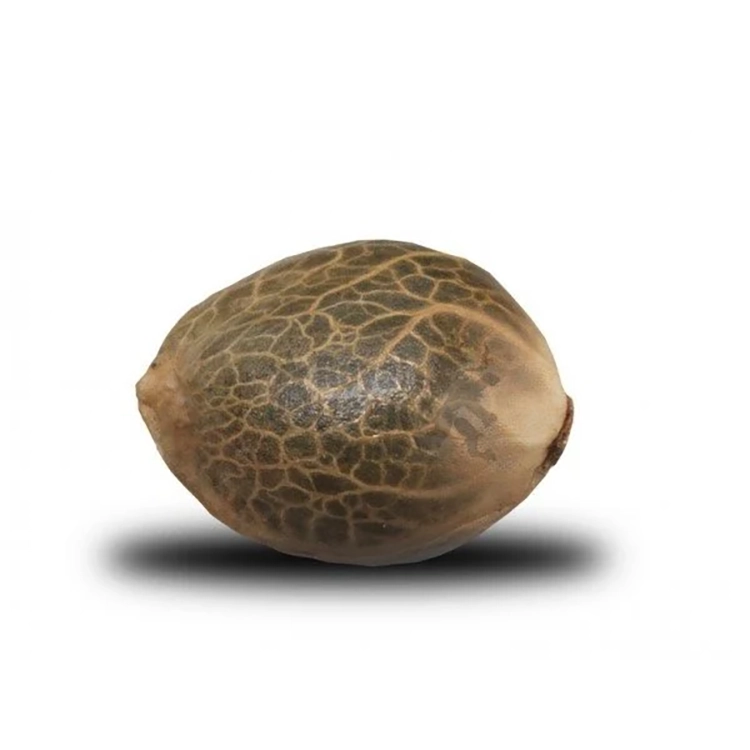
Seed Coat:The seeds themselves often feature a tiger-stripe pattern of dark brown against a lighter brown background, encased in a hard, protective outer shell. A visible hilum, or “scar,” indicates the point where the seed was attached to the ovary, and often appears as a small, darker circle or oval.
Early Vegetative Stage:Upon germination, Bay 11 showcases its first pair of leaves, or cotyledons, followed by true leaves that start to exhibit serrated edges. The early vegetation phase manifests a bright green hue, a sign of vigorous growth and high chlorophyll content.
Mature Leaf Structure:As the plant matures, its leaves adopt the classic cannabis Sativa morphology—long, narrow, and serrated, boasting a vibrant green color, sometimes with slightly lighter veins. The fan leaves can reach substantial lengths, often featuring seven to eleven leaflets.
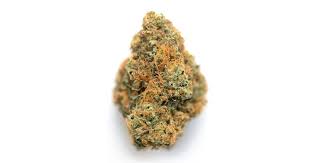
Flower Appearance:The buds of Bay 11 are usually elongated and slightly fluffy, typical of Sativa-dominant strains. However, they also exhibit a dense trichome coverage that almost gives them a sugary appearance. These trichomes are tiny, resinous glands containing the cannabinoids and terpenes that contribute to the strain’s potency and aroma.
Calyx-to-Leaf Ratio:The calyx-to-leaf ratio is favorable in Bay 11, which means that the flowers are comprised more of calyxes than sugar leaves, making for easier trimming during harvest. The calyx is the first part of the bud to form and is usually teardrop-shaped.
Color Palette:Bay 11 is a spectacle of color as it nears harvest time, with shades ranging from deep green to occasional purples and blues, influenced by its genetic predispositions and environmental conditions like temperature. These are contrasted by bright orange to amber pistils, the female reproductive parts, which curl and darken as the plant matures.
Height and Structure:Typical of Sativa strains, Bay 11 can achieve considerable height, often exceeding six feet when grown outdoors. Its structure is open and airy, allowing light to penetrate to the lower branches, thereby contributing to a consistent bud development.
Stature and Branching: The plant exhibits robust branching with considerable internodal spacing, allowing for ample air circulation, which in turn minimizes the risk of mold and other pathogens.
Each of these elements coalesces to form a cannabis plant of undeniable aesthetic and functional quality. Bay 11 is a visually stunning strain, its appearance reflecting the rigorous selective breeding processes that have fine-tuned its every trait
-
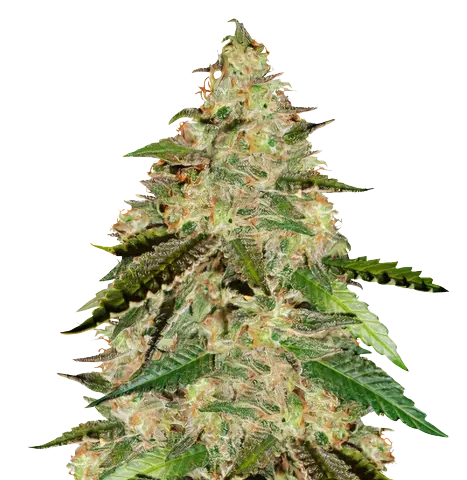 Bay 11 Cannabis SeedsFrom: $24.99
Aroma
Top Notes:At the initial encounter, Bay 11’s aroma unfurls a fresh, citrusy tang reminiscent of lemon and grapefruit. These top notes serve as an invigorating introduction to the strain’s olfactory character, awakening the senses and piquing curiosity.
Middle Notes:As the initial citrus zing mellows, it gives way to a succulent blend of fruity tones. Aromatic hints of tropical fruits like mango and pineapple become prominent, punctuated by subtler undertones of orchard fruits like apple or peach. These middle notes lend a sweet, juicy quality that contrasts and complements the sharpness of the citrusy top notes.
Base Notes:Beneath the sweetness of the fruit lies an enduring earthy backbone. A deep, loamy aroma akin to freshly tilled soil or damp forest floor anchors the fragrance. This earthiness is often accompanied by herbal nuances, carrying traces of sage, thyme, or even basil. Together, they establish a grounded, soothing atmosphere that provides depth and complexity to the scent profile.
Spicy Accents: To add a layer of sophistication, there’s often a spicy kick, manifesting as hints of pepper, nutmeg, or even a slight piney freshness. These spicy accents serve to balance the sweetness, adding a hint of sharpness and complexity.
Complexity Through Terpenes:The aromatic richness of Bay 11 is largely a result of its diverse terpene profile. Major terpenes like myrcene contribute to the earthy and fruity tones, while limonene is responsible for the citrusy notes. Caryophyllene, another abundant terpene in Bay 11, introduces the spicy, peppery nuances.
The Entourage Effect:It’s essential to mention the ‘entourage effect,’ where the combination of terpenes and cannabinoids work in synergy to amplify the strain’s therapeutic effects, making each inhale not just a sensory experience but potentially a more effective remedy for a range of ailments.
In essence, the aroma of Bay 11 Cannabis Seeds is a lavish, multi-layered tapestry of scents that captivates the senses. Each inhalation is akin to an olfactory journey, transporting you through a landscape of fragrances that range from sharp and invigorating to deeply soothing and complex. It’s an aroma that beckons you to explore the strain further, inviting a deeper understanding and appreciation of its unique and intricate composition.
Flavor
The flavor profile of Bay 11 Cannabis Seeds encapsulates an epicurean adventure, a complex confluence of tastes that run the gamut from earthy to fruity to spicy. Allow me to delineate each intricate facet of its flavor for you.
Front Notes:As you draw the first inhalation, a burst of earthy flavors encapsulates your palate, akin to the rich humus of a rainforest floor. This robust, foundational taste acts as a stage upon which other flavors will dance and interplay.
Mid-Tones:Following the earthiness, the mid-palate is awash with an intriguingly sweet counterpoint. Fruit-like flavors of mango, guava, or even ripe blueberries become increasingly discernible, offering a lush, succulent contrast to the earthy beginning. These fruity notes serve as a revitalizing oasis amid the richer, deeper tones, effectively accentuating the complexity of Bay 11’s flavor profile.
Herbal Undercurrents:Beneath these more dominant flavors, you’ll find subtle waves of herbal nuances. The complex symphony of flavors includes delicate hints of sage, basil, or even a touch of mint. These herbaceous undertones bring a refreshing quality to the palette, imbuing the experience with a meditative calm.
Spicy Highlights:No journey through Bay 11’s flavors would be complete without acknowledging its light spicy accents. A tingling sensation of black pepper or perhaps a slight nod to clove subtly spices up the tail end of the tasting experience. These hints of spice serve to sharpen the other flavors, adding a final layer of finesse and refinement to the profile.
Terpenes At Play:The sumptuous array of flavors is a direct outcome of Bay 11’s complex terpene profile. Earthy notes are likely attributable to myrcene, while fruity aspects are heightened by terpenes like limonene. Herbal and spicy accents may be the contributions of caryophyllene or pinene.
In summary, the flavor profile of Bay 11 is a veritable feast for the senses, intricately woven from a multitude of individual flavor notes. Each puff is a journey, a tour through varying landscapes of taste that not only pleases the palate but also deepens one’s appreciation for the complexities and potentialities embedded in this remarkable strain.
Effects
The effects of Bay 11 Cannabis Seeds manifest in a multifaceted physiological and psychological experience, exquisitely tailored to serve a variety of user needs and expectations. Allow me to enumerate these nuances in explicit detail.
Cerebral Elevation:Upon initial consumption, Bay 11 often induces a cerebral uplift characterized by enhanced clarity and focused mental energy. This is not a fleeting, superficial buzz but a sustained elevation that facilitates creativity and problem-solving, making it ideal for tasks that require intellectual engagement.
Mood Elevation:Almost concurrently, users generally report an unmistakable improvement in mood. Bay 11 has an innate ability to mitigate symptoms of stress and depression, casting a veil of euphoria and contentment over the consumer. This is particularly beneficial for those grappling with emotional and psychological challenges.
Body Relaxation:As the cerebral effects stabilize, a wave of physical relaxation sweeps over the body. Muscles loosen, tension dissipates, and a general sense of well-being prevails. Importantly, this does not translate to sedation or couch-lock, but a calm physical state that complements the mental alertness.
Pain Alleviation:Bay 11 is lauded for its pain-relieving properties. Whether it’s chronic pain, muscle spasms, or arthritic discomfort, this strain provides substantial relief. It seems to function as an anti-inflammatory and analgesic agent, which makes it a prime choice for pain management.
Anti-Anxiety:While it energizes the mind, Bay 11 also exhibits pronounced anxiolytic effects. People who struggle with anxiety or panic attacks will find the strain’s calming nature particularly beneficial. It’s as if the strain provides a balanced dual-action effect—stimulating yet calming.
Enhanced Sensory Perception:Many users report a heightened sensory awareness. Whether it’s the appreciation of music, the texture of food, or the nuances in visual stimuli, Bay 11 seems to amplify the sensory experience, adding a layer of richness to everyday activities.
Hunger Induction:Like many cannabis strains, Bay 11 can also induce hunger. For those struggling with a lack of appetite or undergoing treatments that affect hunger, this can serve as a helpful stimulant for food intake.
Sleep Aid:In larger doses, Bay 11 can serve as an effective sleep aid. While not its primary function, the relaxation it offers does prepare the body and mind for a deep, restorative sleep when needed.
Terpenes and Cannabinoids:The effects are likely a result of the complex interaction between cannabinoids like THC and CBD, as well as various terpenes including myrcene, limonene, and caryophyllene. Together, they engage in a synergistic relationship known as the ‘entourage effect,’ which amplifies and modulates the overall impact.
Bay 11 Cannabis Seeds produce a strain that offers a balanced, versatile range of effects, adeptly meeting the needs of a diverse user base. It’s an exceptionally well-rounded strain that provides a composite experience—physiologically relaxing, mentally stimulating, emotionally uplifting, and therapeutically potent.
Medical Effects
The medical utility of Bay 11 Cannabis Seeds is both comprehensive and potent, fulfilling a broad spectrum of therapeutic needs. Let’s delve into the particulars with unwavering detail.
Analgesic Properties:One of the most profound medical benefits of Bay 11 is its ability to alleviate pain. From chronic conditions like arthritis to acute pain scenarios, this strain has shown efficacy as a non-opioid alternative for pain management. It’s also frequently employed to lessen menstrual cramps and migraines.
Anti-Inflammatory Effects:Bay 11 has demonstrated notable anti-inflammatory properties, making it a viable option for conditions such as Crohn’s Disease, Irritable Bowel Syndrome, and even certain types of skin disorders like psoriasis.
Mood Regulation:This strain has shown considerable promise in ameliorating symptoms of depression and anxiety. The mood-enhancing properties can provide transient relief from mental health conditions, enabling users to experience periods of normalcy and emotional well-being.
Stress Mitigation:The ability of Bay 11 to combat stress is well-documented. Whether the stress is due to work, personal relationships, or underlying mental health issues, this strain provides a buffer, creating a sense of peace and tranquility.
Appetite Stimulation:Bay 11 acts as a potent appetite stimulant, particularly beneficial for patients undergoing chemotherapy or those with eating disorders like anorexia nervosa. The induced hunger can aid in weight gain and nutritional sustenance.
Sleep Aid:While not primarily a sedative strain, Bay 11 in higher dosages can induce sleep or improve the quality of existing sleep patterns. This makes it an option for insomniacs or those suffering from other sleep-related disorders.
Antiemetic Properties:The strain’s ability to reduce nausea and prevent vomiting can be particularly beneficial for patients undergoing treatments such as chemotherapy, where these symptoms are common side effects.
Neuroprotective Potential:Though research is ongoing, some evidence suggests that Bay 11 may have neuroprotective properties, potentially benefiting conditions like Alzheimer’s and Parkinson’s disease.
Anti-Spasmatic:Bay 11 has been noted for its efficacy in reducing muscle spasms and tremors, offering relief for conditions like multiple sclerosis and certain forms of epilepsy.
Anxiolytic Effects:Its balancing impact on the nervous system enables Bay 11 to reduce anxiety without the cognitive dulling often associated with pharmaceutical anxiolytics.
Terpenes and Cannabinoids:As with its recreational effects, the medical benefits of Bay 11 are likely a result of the synergistic interplay between its rich profile of cannabinoids and terpenes. Compounds such as THC, CBD, myrcene, and caryophyllene contribute to its wide-ranging therapeutic efficacy.
Bay 11 Cannabis Seeds give rise to a strain endowed with an impressive array of medical benefits. From managing chronic pain to alleviating mental disorders, this strain stands as a multifaceted tool in the therapeutic arsenal, rendering it indispensable for a wide range of medical applications.
Cultivation
Cultivating Bay 11 Cannabis Seeds is a rewarding endeavor that yields a potent and versatile strain. This venture necessitates meticulous attention, planning, and execution.
Preliminary Planning
- Research Local Laws: Confirm that growing cannabis is legal in your jurisdiction.
- Select Growing Space: Choose between indoor and outdoor growing based on your situation.
- Allocate Budget: Decide how much you’re willing to invest in your grow operation.
- Purchase Supplies: Acquire pots, soil, nutrients, lights (for indoor), and other necessary equipment.
- Buy Seeds: Obtain high-quality Bay 11 Cannabis Seeds from a reputable vendor.
Preparation Phase
- Prepare Soil: Opt for well-draining, fertile soil with a slightly acidic pH.
- Configure Lighting: For indoor growing, set up your LED or HPS grow lights.
- Calibrate Temperature: Maintain a temperature range of 68–77°F (20–25°C).
- Adjust Humidity: Aim for a relative humidity (RH) of 40-70%, depending on the plant’s stage.
- Organize Ventilation: Install fans or air extractors for proper airflow.
Germination and Planting
- Germinate Seeds: Use the paper towel method or soak seeds in water until they sprout.
- Transplant: Place the sprouted seed in your chosen growing medium.
- Initial Watering: Moisten the soil but avoid waterlogging.
- Placement: Position the lights 18–24 inches above the seedlings for indoor grows.
- Monitor: Keep an eye on temperature and humidity levels constantly.
Vegetative Stage
- Nutrient Introduction: After two weeks, begin to introduce balanced N-P-K nutrients.
- Training: Employ techniques like LST or topping to shape your plant and expose more nodes to light.
- Regular Watering: Maintain a consistent watering schedule.
- Leaf Inspection: Regularly check for any discoloration or spots as signs of nutrient deficiencies.
- Pest Monitoring: Check for signs of pests and treat them promptly if they appear.
Pre-Flowering
- Switch Light Schedule: Change the light schedule to 12/12 to initiate flowering.
- Prepare for Stretch: Ensure there’s ample room for plants to double in height.
- Sex Identification: Remove male plants if you’re growing from non-feminized seeds.
Flowering Stage
- Nutrient Shift: Move to a flowering-friendly nutrient mix, rich in phosphorus and potassium.
- Humidity Reduction: Lower humidity to around 40–50%.
- Bud Inspection: Regularly check the buds for mold or pests.
- Odor Control: Install a carbon filter to manage odors.
- Flush: Start flushing the soil with plain water 2 weeks before the estimated harvest time.
Late Flowering
- Trichome Monitoring: Observe trichomes for maturity, looking for a milky or amber color.
- Final Flush: Cease nutrient feeding and flush the soil with pH-balanced water.
- Harvest Timing: Decide the harvest time based on your desired effect; more amber trichomes result in a more sedative high.
Harvest
- Cutting: Cut the plant at the base.
- Trimming: Trim away excess leaves.
- Bud Removal: Separate buds from branches.
Drying and Curing
- Hang to Dry: Hang the branches in a dark, well-ventilated room for 7–14 days.
- Initial Curing: Place the dried buds in airtight jars.
- Burping: Open the jars for a few minutes each day to release moisture.
- Long-term Curing: Keep buds in jars for at least two weeks and up to several months.
Post-Harvest
- Seed Collection: If you’ve let a male pollinate, collect seeds for future grows.
- Clone Preparation: If you’ve taken clones, prepare them for their own vegetative phase.
Data Collection and Analysis
- Yield Measurement: Weigh your final yield.
- Potency Test: If possible, have a sample tested for cannabinoid and terpene profiles.
- Flavor Assessment: Smoke or vaporize a sample to evaluate the flavor profile.
- Effectiveness: Assess the medical or recreational effectiveness of your harvest.
- Cost Analysis: Calculate the overall cost of your grow operation against the yield.
Maintenance and Upgrades
- Equipment Check: Inspect and clean all equipment for the next grow cycle.
- Soil Replenishment: Replace or replenish soil nutrients for the next planting.
- Lessons Learned: Note any challenges faced and how they were addressed.
- Optimization: Plan upgrades or changes for the next growing cycle.
Preparing for Next Cycle
- Next Planting: Return to step 11 and repeat the cycle for continuous growth.
It’s imperative to remain vigilant about potential insect threats when cultivating Bay 11 Cannabis Seeds. Below is a list of 20 common pests along with explanations of why they pose a danger.
- Aphids Why: These small, sap-sucking insects can transmit viruses and facilitate the growth of mold.
- Spider MitesWhy: They weaken the plant by sucking sap and can cause leaves to drop prematurely.
- Whiteflies Why: These are akin to aphids, harming the plant by draining nutrients and promoting mold.
- CaterpillarsWhy: They consume leaves and can tunnel into buds, causing direct damage and increasing the risk of mold.
- Leaf Miners Why: These larvae eat the insides of leaves, making irregular patterns and reducing the plant’s photosynthetic capacity.
- Thrips Why: They damage plant cells by sucking out their contents, leading to discolored and distorted leaves.
- Root Aphids Why: They suck sap from the roots, causing slowed growth and weak plants.
- Mealybugs Why: They suck plant juices and excrete a substance that leads to sooty mold.
- Scale InsectsWhy: They attach themselves to stems and leaves, weakening plants by draining their nutrients.
- Cutworms Why: These caterpillar-like pests can cut young plants at the stem base, causing them to topple over.
- Fungus Gnats Why: Their larvae feed on plant roots, affecting water and nutrient absorption.
- Ants Why: While not directly damaging, ants can protect and farm aphids for their honeydew, thus exacerbating other pest issues.
- Broad Mites Why: Not easily visible, they distort and stunt new growth, often making it irreversibly twisted.
- Grasshoppers Why: They can eat significant portions of leaves, affecting the plant’s ability to photosynthesize.
- Beetles Why: These chew through leaves and flowers, causing physical damage to the plant.
- Corn Earworms Why: These caterpillars are particularly damaging to the buds and flowers.
- Borers Why: They tunnel into stems, disrupting nutrient and water flow within the plant.
- Leafhoppers Why: These pests suck plant sap, leading to yellowed, curled, or spotted leaves.
- Slugs and Snails Why: They chew holes in leaves and can consume seedlings entirely.
- Gall Midges Why: Their larvae feed inside plant tissue, creating abnormal growths that can interfere with nutrient transport.
Each of these pests poses a unique set of challenges that require targeted action for effective mitigation. Therefore, comprehensive pest management protocols should be an integral part of your Bay 11 Cannabis cultivation plan. Ignoring these threats can lead to diminished yields, compromised potency, or even total crop failure.
In Conlusion
Crown Jewel of Versatility
Bay 11 is not just another strain; it is an epitome of cannabis excellence. An award-winning Sativa-dominant hybrid, it offers a versatile range of effects, making it an ideal choice for any time of the day. Whether you’re looking for creativity, focus, or relaxation, Bay 11 delivers.
Exemplary LineageIts genetic background is a testament to quality, skillfully bred to combine the most beneficial traits of its parent strains. The result? A high THC content that serves both recreational users who crave cerebral highs and medical users who need effective relief.
A Symphony of AromasYour senses are in for a treat. Bay 11 offers an intoxicating aroma that blends sweet and spicy notes, making every inhale an experience. The rich bouquet suggests a complexity that will enthrall even the most discerning cannabis aficionados.
Flavors that CaptivatePrepare to be swept off your feet by its distinctive flavor profile. The herbal undertones perfectly complement its sweet overtones, making it a hit for those who appreciate a refined palate.
Therapeutic BenefitsFrom a medicinal standpoint, Bay 11 stands as a powerhouse. Whether you’re battling chronic pain, anxiety, or fatigue, this strain has a proven record for offering substantial relief. Its sativa dominance means uplifting effects that can combat depression and stress, while its indica traits offer physical relaxation.
Easy CultivationFor cultivators, Bay 11 is a gift that keeps on giving. Not only does it yield generously, but it is also remarkably resistant to common pests and molds. In other words, it’s both rewarding and forgiving to grow.
In ConclusionBay 11 isn’t just a wise choice; it’s an indispensable one. If you’re seeking a cannabis strain that embodies quality, versatility, and a plethora of effects that cater to both recreational and medicinal needs, then look no further. Elevate your cannabis journey to unparalleled heights—choose Bay 11.
| BEST USE | Anxiety, Depression, Pain |
|---|---|
| BLEND | 50% Indica, 50% Sativa |
| CBD LEVEL | Low (Less than 2%) |
| EFFECTS | Happy, Hungry, Relaxed |
| FLAVOR | Earthy, Herbal, Sweet |
| FLOWERING PERIOD | 60-70 Days |
| GROWING DIFFICULTY | Intermediate |
| PLANT HEIGHT | Medium |
| THC CONTENT | 25% |
| TYPE | Hybrid |
For a complete directory of cultivars, visit our Cannabis Strain Reviews.
