Table of Contents
Intrudoction of Banana Kush Strain Cannabis Seeds
Renowned for its delectable banana-esque fragrance, Banana Kush stands as an Indica-leaning amalgam that originated predominantly along California’s western shoreline. This varietal has garnered substantial acclaim owing to its formidable impact, idiosyncratic taste nuances, and vigorous cultivation attributes. The seeds of this exceptional lineage offer an unwinding yet cognitively unobstructive euphoria, making them highly desirable for connoisseurs and novices alike.
Origins
Lineage and Parent StrainsBanana Kush is a hybrid strain, masterfully crafted by crossing two iconic cannabis varieties: Ghost OG and Skunk Haze. Ghost OG, an offshoot of the famous OG Kush, contributes indica-dominant genetics and is celebrated for its potent, tranquilizing effects. Skunk Haze, on the other hand, is a balanced hybrid known for its uplifting and cerebral high. The amalgamation of these two strains results in Banana Kush, a strain predominantly indica in nature but carrying a harmonious balance of sativa attributes.
Breeding MethodologyThe creation of Banana Kush wasn’t serendipitous but a carefully orchestrated endeavor. Breeders meticulously selected Ghost OG and Skunk Haze not just for their independent characteristics, but for how their traits could synergize when combined. Through numerous breeding cycles and phenotype selections, a strain was developed that encapsulated the best aspects of its parents—both in potency and terpene profile.
Genetic Characteristics:This strain boasts a rich genetic tapestry, encompassing a wide array of cannabinoids and terpenes. Notably, it typically has a high THC content, which accounts for its powerful, sedating effects. The meticulous breeding process aimed to create a hybrid that could deliver a potent body high while preserving some cerebral stimulation, courtesy of its Skunk Haze lineage.
Unique Features:What sets Banana Kush apart is its distinct aroma and flavor profile, evocative of ripe bananas. This unique characteristic is a terpene-driven attribute, a consequence of the specialized breeding process. It was specifically bred to provide a unique sensory experience that sets it apart from the myriad of other cannabis strains.
Geographic Influence:While the exact geographic origins are not universally documented, it’s widely accepted that Banana Kush has its roots in the West Coast cannabis scene, particularly in California. The state’s long-standing tradition of innovative cannabis breeding provides a supportive backdrop for the development of strains like Banana Kush.
Banana Kush is more than a cannabis strain; it’s a feat of genetic craftsmanship. The harmonious fusion of Ghost OG and Skunk Haze has birthed a varietal that furnishes an extensive array of effects, thereby rendering it apt for both leisurely and therapeutic applications. When synergized with its potent impact, its singular olfactory and gustatory profileelevates Banana Kush to an archetypal role in contemporary cannabis ethos. This strain epitomizes genetic mastery, serving as an enduring tribute to the boundless potentialities inherent in cannabis lineage.
Appearance
Undoubtedly, the aesthetic characteristics of Banana Kush are as meticulously crafted as its genetic makeup. The appearance of this strain is a testament to its robust lineage and expert breeding.
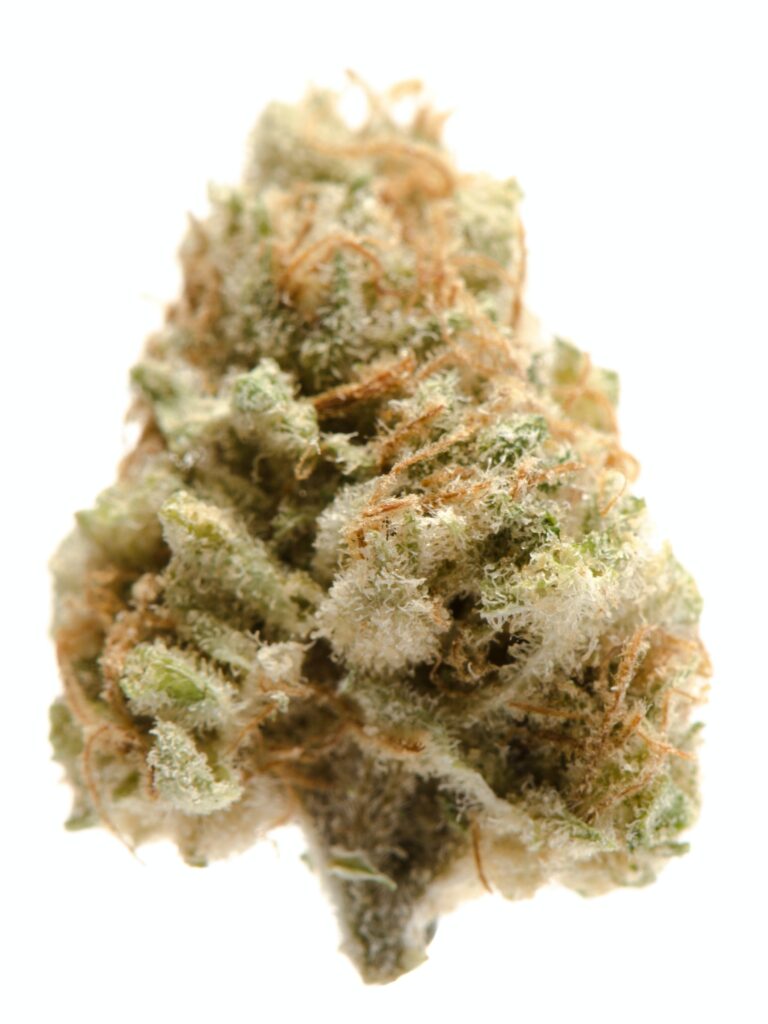
Bud Structure:Banana Kush buds are dense, chunky, and well-formed, a direct inheritance from its Ghost OG parent. The buds are tightly packed, featuring a forest of vibrant green with traces of lighter shades, possibly inherited from the Skunk Haze lineage.
Leaf Structure:The leaves lean towards a broad, indica-style formation. They are usually a deep, luxuriant green, though depending on the growing conditions, you might see hints of purples and blues, which offer a pleasing contrast.
Trichomes:The trichome coverage on Banana Kush is copious, reflective of its high THC content. These trichomes present a crystalline blanket that makes the buds glisten as if dusted with sugar. This is an indicator of potency and is one of the primary factors that makes Banana Kush highly coveted by connoisseurs.
Color Palette:The color spectrum of Banana Kush is diverse yet harmoniously integrated. Alongside the dominant green hues are orange to reddish-brown pistils, a feature that adds both texture and contrast to the bud. These fiery hairs are a hallmark of healthy pollination and are often more pronounced in well-cultivated specimens.
Height and Structure;In terms of plant stature, Banana Kush is moderately tall, showcasing a blend of both its indica and sativa heritage. While it has the compactness typical of indica strains, its elongated branches bear testament to its sativa lineage.
Calyx-to-Leaf Ratio:Banana Kush features a favorable calyx-to-leaf ratio, making it easier to trim post-harvest. This is a key characteristic for cultivators who value both aesthetics and ease of processing.
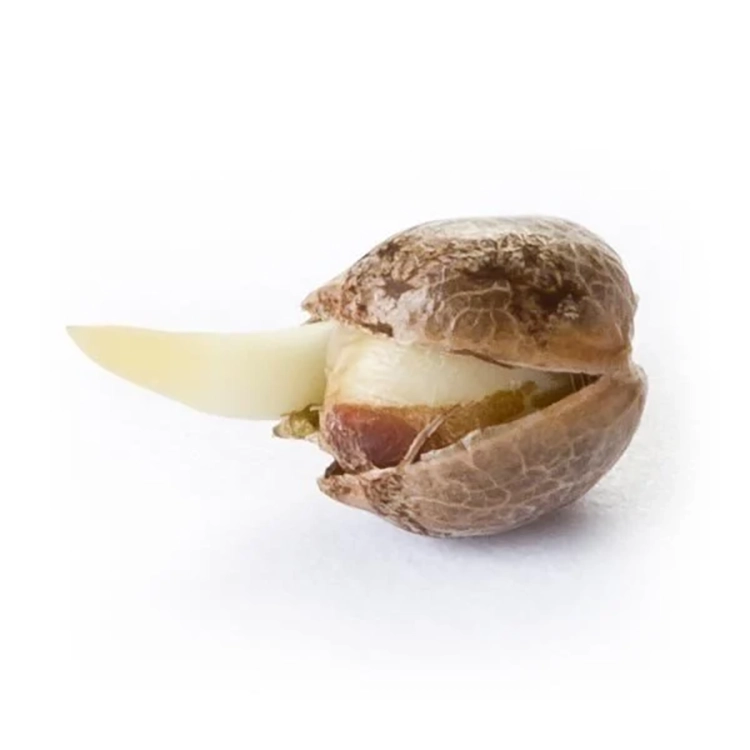
Seed Coat;The seeds themselves are generally hard and well-formed, with a dark brown to black coloration and a waxy outer coat. This robust seed coat protects the embryo within, promising a high germination rate under optimal conditions.
Creation:The appearance of Banana Kush didn’t occur by chance. Breeders meticulously selected parent strains with desirable physical traits, guiding the plant through multiple breeding cycles. Only the phenotypes that displayed the most attractive and unique characteristics were chosen for stabilization, resulting in the captivating appearance Banana Kush presents today.
-
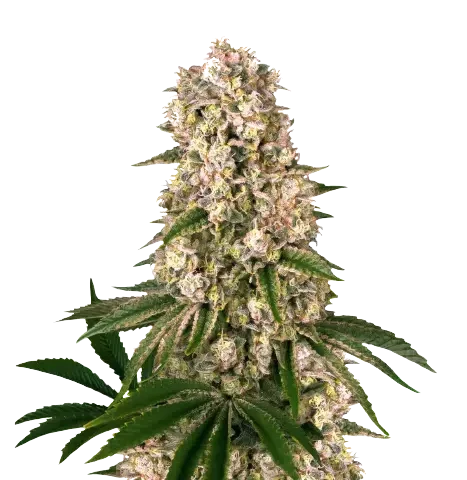 Banana Kush Cannabis SeedsFrom: $24
Aroma
Aroma Profile The most striking and dominant aroma, as the name suggests, is that of bananas. This is complemented by a medley of other scents, such as sweet tropical fruits, earthy undertones, and subtle hints of spice. The Ghost OG parentage often brings in undertones of pine and fuel, while Skunk Haze contributes a sweet, almost creamy, haze-like scent.
Terpene CompositionThe remarkable aroma emanating from Banana Kush is due to its unique terpene profile. Predominantly, you’ll find high concentrations of myrcene, which is responsible for the fruity, tropical aroma. Additionally, terpenes like limonene and caryophyllene add hints of citrus and spice, respectively, rounding off a multi-layered aromatic profile.
Breeding for AromaCreating the captivating aroma of Banana Kush involved several breeding steps. Breeders had to selectively choose parent strains not just for their potent effects or robust growth but also for their aromatic properties. Both Ghost OG and Skunk Haze were selected based on their terpene profiles among other factors. Subsequent breeding cycles were conducted with an eye toward preserving and enhancing this aromatic richness. Phenotypes that expressed the desired aroma profile were carefully isolated and backcrossed until a stable, aromatic strain emerged.
Sensory ExperienceUpon cracking open a jar of Banana Kush, the aroma fills the room rapidly, offering an inviting, almost indulgent, olfactory experience. It is a scent that promises complexity and depth in terms of effects, serving as an accurate precursor to the strain’s potent psychoactive properties.
Harvest and Curing InfluenceWhile genetics play a significant role, the aroma is also influenced by cultivation practices. Proper harvesting and curing techniques can significantly amplify the aromatic qualities, making the scent more potent and enjoyable.
- Banana: A dominant aroma, true to its name.
- Sweetness: An overarching saccharine scent.
- Tropical: Undertones of mango and papaya.
- Earthy: The pungency of damp soil.
- Herbal: Notes of fresh herbs like sage or mint.
- Woody: Hints of pine or cedarwood.
- Spiciness: A touch of pepper or spice.
- Citrus: Traces of lemon or orange zest.
- Pine: The freshness of a pine forest.
- Skunky: A classic cannabis aroma.
- Nutty: Elements of almond or walnut.
- Floral: Subtle wafts of lavender or rose.
- Vanilla: Creamy, soft hints.
- Sour: Tangy attributes, reminiscent of sour fruit.
- Diesel: The sharpness of fuel or petroleum.
- Cocoa: Slight undertones of chocolate.
- Berries: Notes of blueberries or strawberries.
- Grass: Fresh-cut lawn scent.
- Menthol: A hint of cooling menthol.
- Leather: Rich and earthy, akin to new leather.
- Cinnamon: Mild spicy scent.
- Coffee: Roasted, bitter nuances.
- Butter: A smooth, creamy aroma.
- Melon: Whiffs of watermelon or cantaloupe.
- Clove: Slight spicy essence.
- Honey: Sweet, floral nectar-like scent.
- Mint: A refreshing undertone.
- Musky: A deep, animalistic undertone.
- Bread: Yeasty, dough-like attributes.
- Oak: Resinous and mature, like aged wood.
The aroma of Banana Kush is not just an afterthought but a critical feature meticulously crafted through calculated breeding practices. It stands as a cornerstone of the strain’s appeal, enhancing both its recreational and medicinal applications. When you encounter Banana Kush, the aroma serves as your first introduction to its complex character, a prelude to the symphonic experience that follows. It’s an aroma that captivates the senses, compelling you to delve deeper into its intricacies.
Flavor
Flavor ComponentsTrue to its name, Banana Kush primarily features a banana flavor, a luscious fruity sweetness that is unmistakable. Accompanying this are hints of tropical fruits, an undertone of earthiness, and subtle notes of pine and spice. This palate of flavors is a mouthwatering combination that makes each inhale a flavorful journey.
Terpene Profile The key players in shaping this intricate flavor are its terpenes. The prevalence of myrcene, limonene, and caryophyllene contributes not just to its aroma but also to its diverse flavor palette. Myrcene brings in the fruity notes, limonene adds a touch of citrus, and caryophyllene introduces a slightly spicy kick.
Breeding for Flavor The flavor of Banana Kush is not a mere happenstance but the product of rigorous breeding programs. Parent strains Ghost OG and Skunk Haze were chosen for a plethora of desirable traits, among which was their distinct flavor profiles. Ghost OG offered earthy and pine notes, while Skunk Haze contributed its sweet, creamy flavors. Careful genetic selection ensured that these flavors harmoniously blended with each other, creating a new, balanced, and delectable taste experience in Banana Kush.
Phenotype SelectionThe process of stabilization included phenotypic screening for the desired flavor attributes. Breeders isolated and backcrossed those individual plants that most closely exhibited the sought-after flavor profiles. This meticulous and repeated process has led to the stable, flavor-rich Banana Kush we know today.
Growing Techniques InfluenceIt should also be mentioned that cultivation methods have a notable impact on flavor. Soil quality, nutrient regimen, and proper curing techniques can optimize terpene production, thereby enhancing the flavor richness of the final product.
The flavor of Banana Kush is a well-calibrated blend of its parent strains, a testament to the skill and patience of its breeders. It serves as an all-encompassing sensory experience that enhances its overall appeal, promising a multidimensional high that goes beyond its potent psychoactive effects.
So, when you indulge in Banana Kush, you’re not just enjoying a cannabis strain; you are partaking in a carefully crafted, gastronomic event. It’s an experiential journey that commences with its beguiling aroma and reaches a crescendo in its intricate flavor profile.
- Banana: The overriding flavor, true to the strain’s name.
- Sweetness: A base of sugary notes.
- Tropical Fruit: Subtleties of mango or pineapple.
- Earthy: Earth-like undertones.
- Spicy: Peppery nuances add complexity.
- Herbal: Hints of sage or basil.
- Citrus: Light zesty notes.
- Woody: A background of pine or cedar.
- Skunky: A pungent, classic cannabis flavor.
- Creamy: Smooth, almost buttery undertones.
- Nutty: Almond or walnut flavors.
- Pine: Freshness akin to pine needles.
- Floral: Light tastes of lavender or hibiscus.
- Diesel: A sharp, fuel-like edge.
- Berry: Berry undertones, such as strawberry or raspberry.
- Sour: A tangy kick.
- Vanilla: A sweet, creamy touch.
- Cocoa: Mild chocolate nuances.
- Caramel: A rich, sugary hint.
- Coffee: Dark, roasted tones.
- Mint: Refreshing spearmint or peppermint.
- Honey: A subtle, nectar-like sweetness.
- Leather: A robust, earthy note.
- Melon: Whiffs of watermelon or cantaloupe.
- Peach: A faint stone fruit flavor.
- Grape: A light grape-like taste.
- Clove: A spicy edge.
- Bread: Yeasty undertones.
- Lemon: A citrusy zest.
- Coconut: A tropical, milky nuanc
Effects
Effect Spectrum Primarily an Indica-dominant strain, Banana Kush invokes a deep sense of relaxation and tranquility. It starts off with an uplifting cerebral rush, gradually sinking into a full-bodied state of euphoria and calm. The effects are multi-faceted: expect sensations of happiness, increased sociability in moderate doses, and an eventual ease into deep, restful sleep.
Psychoactive Components The rich terpene profile interacts synergistically with the high THC content, which usually ranges between 18-25%. This creates what is known as the “entourage effect,” amplifying the medicinal and psychoactive properties of the strain.
Breeding for Effects The origins of these effects can be traced back to its parent strains, Ghost OG and Skunk Haze. Ghost OG is known for its strong, relaxing effects, contributing the Indica traits to Banana Kush. Skunk Haze, on the other hand, brings in the Sativa component, adding layers of uplifting, cerebral stimulation.
Genetic Selection and Stabilization Breeders keenly observed the offspring of the parent strains through multiple generations. They selected phenotypes that not only expressed the desired flavors and aromas but also the targeted effects. These selected phenotypes were then backcrossed to stabilize the effects while preserving the best attributes of both parent strains.
Medicinal Uses Beyond recreational use, Banana Kush is lauded for its medicinal properties. Its Indica-heavy effects make it highly effective for pain relief, anxiety reduction, and sleep induction. The uplifting mental effects also offer potential relief from depression and stress.
Cultivation Impact Cultivation practices can also play a role in the effects. Organic, nutrient-rich soil and optimized growing conditions can significantly impact cannabinoid and terpene levels, thereby influencing the effects of the final product.
Banana Kush’s effects are a harmonious blend of its carefully selected genetics and skillful breeding. When you partake of this strain, you engage in a multi-layered experience of mind and body relaxation coupled with cerebral upliftment. Its balanced effects not only cater to recreational users seeking versatile experiences but also provide potent medicinal benefits. Thus, Banana Kush is more than just a cannabis strain; it is an intricately designed, all-inclusive experience.
- Relaxation: Immediate sense of bodily relaxation.
- Euphoria: Intense waves of euphoria and happiness.
- Increased Creativity: Stimulates creative thinking and problem-solving.
- Mood Elevation: A marked lift in mood, often leading to positivity.
- Sedation: Calming effects that can lead to sedation at higher doses.
- Improved Focus: Moments of heightened attention and clarity.
- Anti–Anxiety: Produces an anxiolytic effect that calms nerves.
- Talkativeness: Could make you more social and talkative.
- Mental Serenity: A calming effect on overactive minds.
- Body High: Physical buzz that is particularly noticeable.
- Increased Sensory Perception: Amplification of sights, sounds, and tastes.
- Cerebral Stimulation: Energetic, engaging thoughts and ideas.
- Appetite Boost: Induces the “munchies,” or an increased appetite.
- Time Distortion: May create a feeling that time is passing more slowly.
- Energizing: Initial uplift in energy levels before the indica effects take hold.
- Stress Reduction: Effective for temporary stress relief.
- Couch Lock: Heavier doses can lead to feeling anchored to your seat.
- Pain Relief: Acts as an analgesic.
- Dry Mouth: Produces the common “cottonmouth” effect.
- Dry Eyes: Another common side effect.
- Heightened Music Appreciation: Music often becomes more engaging.
- Color Enhancement: Visuals might seem more vibrant.
- Drowsiness: Can induce sleep or at least a sleepy state.
- Improved Problem-Solving: Facilitates a different perspective on issues.
- Introspection: Encourages deep thinking or meditation.
- Uplifted Spirits: Generally puts you in a better mental state.
- Physical Comfort: Adds a layer of physical comfort, reducing discomfort.
- Tingling Sensation: May produce tingles across your body.
- Emotional Balance: Helps in achieving a balanced emotional state.
- Contentment: Instills a deep sense of contentment and well-being.
Medical Effects
Banana Kush is more than just a recreational strain; it’s a veritable treasure trove of medicinal effects, thoughtfully achieved through precise genetic selections and breeding methodologies.
Medicinal Effect SpectrumBanana Kush is a robust candidate for various medical applications. Its Indica-dominant effects make it particularly potent for pain relief, muscle relaxation, and sleep induction. The strain’s Sativa elements contribute to its efficacy in uplifting mood and alleviating depression.
Cannabinoid and Terpene Profile Its cannabinoids, mainly THC, along with CBD in trace amounts, interact synergistically with its rich terpene profile. Myrcene, limonene, and caryophyllene are some of the primary terpenes that contribute to its therapeutic benefits. These compounds together facilitate the “entourage effect,” where their combined medicinal properties are magnified.
Pain ManagementThe relaxing effects brought about by the strain’s high THC content and myrcene terpenes are particularly effective for treating chronic pain, muscle spasms, and inflammation.
Anxiety and Stress ReliefLimonene and caryophyllene have known anxiolytic and anti-depressant properties. When combined with the THC and minor cannabinoids present in Banana Kush, they offer substantial relief from anxiety and stress.
Sleep AidThe strain’s Indica effects, primarily influenced by its parent Ghost OG, are highly effective for those suffering from insomnia or other sleep disorders.
Breeding for Medical EffectsThe medicinal properties were not accidental but were intentionally targeted during the breeding process. Ghost OG contributed its heavy, sedative traits, making it apt for pain relief and sleep. Skunk Haze added its uplifting and anti-depressive properties. By selectively breeding these parent strains, the medicinal effects were refined and stabilized over generations of phenotype selections.
Scientific ValidationWhile anecdotal evidence abounds, scientific studies have also started to validate the medicinal efficacy of terpenes like myrcene for pain relief, limonene for mood enhancement, and caryophyllene for stress reduction, reinforcing Banana Kush’s medical credentials.
- Pain Relief: Effective in alleviating chronic pain.
- Muscle Relaxation: Helps ease muscle tension and spasms.
- Anti-Inflammatory: Reduces inflammation in conditions like arthritis.
- Stress Reduction: Calms the mind, aiding in stress management.
- Anxiolytic: Alleviates symptoms of anxiety disorders.
- Mood Elevator: Works as an antidepressant by lifting mood.
- Sleep Aid: Induces sleep for those suffering from insomnia.
- Appetite Stimulant: Can help increase appetite in cases of anorexia or other eating disorders.
- Nausea Control: Effective against nausea, particularly chemotherapy-induced nausea.
- Antispasmodic: Offers relief from convulsions and seizures.
- Respiratory Ease: Can relieve symptoms of asthma and bronchitis.
- Migraine Relief: Alleviates the severity of migraine headaches.
- Gastrointestinal Aid: Helps in cases of irritable bowel syndrome and Crohn’s disease.
- Neuroprotection: Offers potential neuroprotective benefits.
- PTSD Treatment: May alleviate symptoms of Post-Traumatic Stress Disorder.
- ADHD Focus: Some users report improved concentration for ADHD.
- Anti–Oxidant: Contains compounds that act as antioxidants.
- Calming: Provides a sense of overall tranquility.
- Cognitive Clarity: Despite its indica dominance, it provides moments of mental clarity.
- Enhanced Creativity: Some users experience a surge in creative thought.
- Reduction of Opiate Dependence: Can be used as a supplement in opiate withdrawal treatment.
- Anti-Emetic: Effective in controlling episodes of vomiting.
- Fatigue Fighter: Can momentarily energize before the relaxing effects kick in.
- Improved Social Interaction: Reduces social anxiety, making interaction more enjoyable.
- Glaucoma Treatment: Reduces intraocular eye pressure.
- Skin Health: Anti-inflammatory properties can aid in skin conditions like eczema.
- Sexual Health: Some report improved sexual function and increased libido.
- Blood Pressure: Indica properties can help in reducing blood pressure.
- Antiviral Properties: Contains cannabinoids with potential antiviral effects.
- Detoxification: May help in detoxifying from other substances.
Cultivation
Preparatory Phase
- Research Regulations: Make sure you are aware of the legal requirements for cannabis cultivation in your jurisdiction.
- Purchase Seeds: Acquire Banana Kush seeds from a reputable source to ensure genetic stability.
- Allocate Space: Designate a cultivation area, indoors or outdoors, based on your preferences and climate.
- Budgeting: Prepare a financial plan for your cultivation project.
Setup and Equipment
- Growing Medium: Choose between soil, hydroponics, or aeroponics.
- Lighting: Invest in quality LED or HID grow lights for indoor grows.
- Ventilation: Setup exhaust fans and intake fans.
- Temperature Control: Invest in heaters or air conditioners as needed.
- Humidity Control: Get a humidifier and a dehumidifier.
- Watering System: Decide between hand-watering, drip systems, or automated watering systems.
- Pots and Trays: Purchase appropriate-sized growing containers.
- pH Meter: Acquire a pH meter for nutrient and water analysis.
- EC Meter: Get an Electrical Conductivity meter for nutrient strength measurement.
Germination
- Pre-soak Seeds: Soak the seeds in water for 12-24 hours.
- Plant Seeds: Plant them in small pots or germination cubes.
- Humidity Dome: Place a humidity dome over the pots.
- Temperature: Maintain a warm environment (75-80°F).
- Initial Watering: Water lightly.
- Light: Provide 18-24 hours of light.
- Transplant: Transplant when the seedlings develop two true leaves.
Vegetative Phase
- Light Schedule: Switch to an 18/6 light schedule.
- Nutrient Solution: Introduce a mild nutrient solution.
- Regular Watering: Keep the soil uniformly moist.
- Temperature: Maintain temperatures between 70-85°F.
- Humidity: Keep relative humidity around 40-60%.
- Air Circulation: Ensure adequate ventilation.
- Growth Monitoring: Track plant growth, looking out for any deficiencies or diseases.
- Pruning: Trim unnecessary foliage and dead leaves.
- Training: Implement Low-Stress Training or Screen of Green methods for better light exposure.
Flowering Phase
- Light Schedule: Switch to a 12/12 light schedule to induce flowering.
- Nutrient Change: Switch to bloom nutrients with higher phosphorus and potassium.
- Humidity Reduction: Reduce humidity to around 40-50%.
- Temperature: Maintain a slightly cooler temperature.
- Flower Inspection: Monitor bud development.
- Trichome Monitoring: Use a microscope to check trichome maturity.
- Flush: Begin flushing 2 weeks before expected harvest, using only pH-balanced water.
- Cease Nutrients: Stop nutrient application during the final weeks.
Harvest
- Trichome Check: Harvest when trichomes are mostly cloudy with some amber.
- Cutting: Cut branches carefully.
- Trimming: Trim excess leaves from buds.
- Drying: Hang branches in a dark, ventilated area for 7-14 days.
Curing and Storage
- Initial Cure: Place dried buds in jars, opening daily for aeration.
- Curing Duration: Cure for at least 2-4 weeks.
- Storage: Store cured buds in airtight containers in a cool, dark place.
Post-Harvest
- Cleaning: Thoroughly clean all equipment and the grow area.
- Review: Analyze the entire process for any areas of improvement.
- Cloning: If desired, clone from your healthiest plants for future use.
- Final Weighing: Weigh your yield.
- Potency Testing: If possible, test a sample for cannabinoid profile.
- Enjoy: Utilize or distribute your well-deserved Banana Kush buds as you deem appropriate, either for medicinal or recreational purposes.
When cultivating Banana Kush Cannabis Seeds, vigilance against pest infestation is non-negotiable. The following list enumerates 20 insects that could pose serious threats to your cannabis cultivation, compromising both yield and quality.
- Spider Mites: These minuscule arachnids suck plant juices, leading to yellow, mottled leaves and potentially killing the plant.
- Aphids: They extract sap from leaves and stems, weakening the plant, and also excrete a substance that can cause mold growth.
- Whiteflies: Like aphids, they suck plant juices and excrete a substance that can result in mold, severely impacting plant health.
- Thrips: These insects scrape off plant cells to access sap, causing visible silver streaks and specks on leaves.
- Leaf Miners: These larvae tunnel through leaves, disrupting photosynthesis and weakening overall plant health.
- Caterpillars: They chew through leaves and flowers, causing substantial physical damage.
- Grasshoppers: These can devour large portions of foliage, leading to stress and stunted growth.
- Fungus Gnats: Larvae feed on plant roots, causing slow growth, yellowing, and potential plant death.
- Root Aphids: These aphids attack the root system, leading to slow growth and potential root rot.
- Scale Insects: These pests attach themselves to stems and leaves, depleting plant nutrients and excreting a mold-attracting substance.
- Mealybugs: They suck plant juices, weakening the plant, and can promote mold growth through excretions.
- Ants: Though not intrinsically detrimental, ants may act as guardians and cultivators for aphids in exchange for honeydew, thereby indirectly intensifying existing aphid challenges.
- Cutworms: These larvae sever young plants at the stem base, causing them to topple over.
- Leafhoppers: They suck sap and can transmit plant diseases, leading to plant stress and potential death.
- Corn Earworms: Primarily targeting buds and flowers, these caterpillars can severely impact yield.
- Moths: Certain species can lay eggs that develop into bud-eating caterpillars.
- Nematodes: Some types feed on plant roots, weakening the plant and making it susceptible to diseases.
- Colorado Potato Beetles: Though less common on cannabis, they chew through leaves if present.
- Flea Beetles: They chew small holes in leaves, affecting photosynthesis and overall plant health.
- Cicadas: Rare but problematic, their nymphs can feed on plant roots, while adult cicadas may lay eggs in plant stems, weakening the plant.
Each of these insects poses a unique threat requiring specific countermeasures. Mitigation strategies may involve physical removal, biological controls, or chemical treatments. Early detection and prompt action are the keystones of effective pest management in cannabis cultivation.
In Conclusion
Investing in Banana Kush Cannabis Seeds is an excellent decision for a multitude of compelling reasons. First, let’s address the sensory experience: the aroma is an intoxicating fusion of tropical fruits and bananas, backed by undertones of earthy pungency. The flavor profile is equally rich, featuring a sweet, fruity taste reminiscent of bananas. Such attributes make it a superb choice for cannabis connoisseurs seeking a unique and delightful sensory engagement.
When it comes to effects, Banana Kush delivers a well-balanced amalgamation of relaxation and mental clarity. Users report feeling an uplifting cerebral high followed by soothing, full-body relaxation. This makes it an optimal choice for those grappling with stress, insomnia, or chronic pain.
From a medicinal standpoint, Banana Kush carries significant potential. Owing to its Indica-dominant genetic makeup, it alleviates many ailments, including persistent discomfort, apprehensive states, and slumber irregularities. Consequently, for those utilizing cannabis for health reasons, this varietal transcends mere leisurely use and serves as a viable curative medium.
On the cultivation front, Banana Kush seeds boast robust genetics that are relatively easy to grow, especially for growers with some prior experience. The plants offer high yields and thrive both in indoor and outdoor settings. Plus, they are moderately resistant to common pests and mold.
In summary, Banana Kush Cannabis Seeds are a premium choice for both novice and experienced growers. Whether you seek rich flavors, potent effects, or robust growth characteristics, this strain delivers on all fronts. The multiple therapeutic benefits are the proverbial cherry on top. Don’t miss out on the opportunity to enrich your cannabis journey with this exceptional strain.
| BEST USE | Depression, Insomnia, Pain |
|---|---|
| BLEND | 40% Sativa, 60% Indica |
| CBD LEVEL | Low (Less than 2%) |
| EFFECTS | Euphoric, Relaxing, Sleepy |
| FLAVOR | Fruity, Sweet, Tropical |
| FLOWERING PERIOD | 55-65 Days |
| GROWING DIFFICULTY | Intermediate |
| PLANT HEIGHT | Medium |
| THC CONTENT | 21% |
| TYPE | Hybrid |
For a complete directory of cultivars, visit our Cannabis Strain Reviews.
