Automation in Medical Cannabis Cultivation: A Detailed Overview
Introduction
Medical cannabis cultivation is a rapidly advancing field, driven by increasing demand for high-quality, consistent products for medical use. As the legal and medical frameworks around cannabis expand globally, growers are turning to automation to meet these stringent quality control standards while maintaining efficiency in production. Automation in medical cannabis cultivation encompasses a wide range of technologies, from climate control systems to fully autonomous greenhouses, and helps streamline every aspect of growing.
This paper will delve into the specifics of automation in medical cannabis cultivation, focusing on medical use and growth processes, and will explore how automation technologies ensure product consistency, optimize yield, and reduce labor costs, all while adhering to the stringent requirements for medical-grade cannabis production. Recreational use and consumption methods will not be included in this analysis.
The Importance of Automation in Medical Cannabis Cultivation
Automation in medical cannabis cultivation is essential for several reasons:
- Consistency in Product Quality: Medical cannabis patients require products that offer reliable dosages and effects. Automation ensures that environmental conditions, nutrient levels, and other growth factors remain consistent, resulting in uniform plants that meet medical-grade standards.
- Increased Efficiency: Automation reduces the labor needed for various cultivation tasks, including watering, trimming, and monitoring environmental conditions. This helps growers save time and resources while producing higher-quality crops.
- Scalability: Automation allows cannabis growers to scale up their operations while maintaining precision. This is crucial as the demand for medical cannabis rises, both from patients and pharmaceutical companies.
- Cost Reduction: Automation reduces the amount of manual labor required, which lowers labor costs. Furthermore, it helps in optimizing energy and resource usage, cutting down on unnecessary expenses in the cultivation process.
- Data-Driven Growth: With sensors and AI systems, growers can gather large amounts of data on plant health, environmental conditions, and yield. This data is crucial for improving future cultivation cycles and developing best practices for growing specific strains for medical use.
Key Areas of Automation in Medical Cannabis Cultivation
1. Environmental Control Systems
The cultivation of medical cannabis requires precise environmental control to maintain plant health and optimize the levels of cannabinoids, terpenes, and other medically beneficial compounds. Automated environmental control systems manage factors such as temperature, humidity, light intensity, and CO2 levels within the growing space.
- Temperature and Humidity Regulation: Automated HVAC (heating, ventilation, and air conditioning) systems maintain the ideal temperature and humidity levels throughout the growth cycle. Different stages of cannabis growth—such as germination, vegetative, and flowering—require specific conditions that can be adjusted via these systems.
- CO2 Management: Cannabis plants use CO2 during photosynthesis to produce energy. Automation can regulate CO2 levels in the growing space, ensuring optimal photosynthesis and, consequently, higher yields.
- Lighting Systems: The lighting schedule is crucial for the growth and development of cannabis plants. Automated lighting systems use sensors and timers to regulate light exposure, ensuring that plants receive the correct amount of light for each growth stage.
By automating these factors, growers can optimize plant health and ensure consistency in cannabinoid profiles—an essential requirement for medical cannabis.
2. Irrigation and Fertigation
Automation of irrigation and fertigation (the process of delivering nutrients through water) is one of the most impactful technologies in medical cannabis cultivation. Automated systems monitor soil moisture levels and deliver water and nutrients at precise intervals, tailored to the needs of each plant.
- Drip Irrigation Systems: These systems provide water directly to the roots of the plant, reducing water waste. Automation ensures that each plant receives the right amount of water based on its individual needs, preventing overwatering or underwatering, which could affect the quality of the final product.
- Nutrient Delivery Systems: Fertigation systems automate the delivery of nutrients to cannabis plants. Nutrient solutions can be mixed automatically based on predefined recipes that are optimized for medical cannabis strains. This precision ensures that plants receive a consistent nutrient supply, which is critical for producing medical-grade cannabis with reliable cannabinoid content.
By automating irrigation and nutrient delivery, growers can not only improve efficiency but also significantly enhance the consistency of their crop, which is essential for medical applications where dosage consistency is critical.
3. Automated Pruning and Trimming
Pruning and trimming are labor-intensive tasks in cannabis cultivation that can benefit from automation. These processes are crucial for both the yield and quality of the plant:
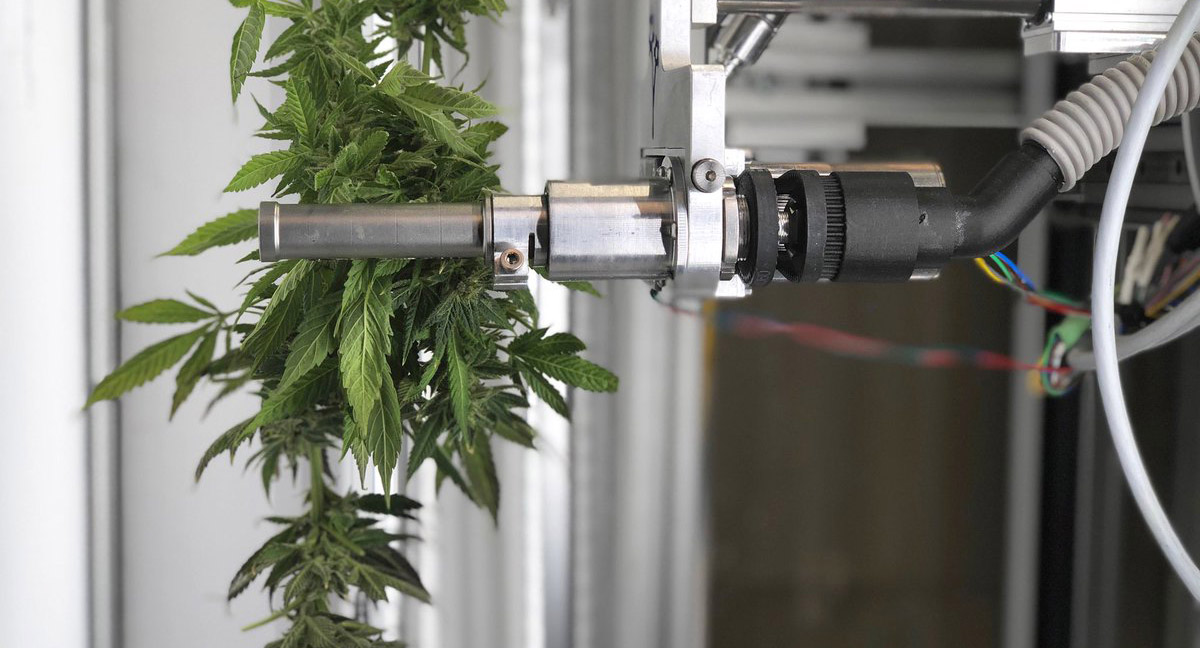
- Pruning: Automated pruning systems use sensors and robotic arms to remove unnecessary or unhealthy parts of the plant. This improves airflow and light penetration, which are crucial for the plant’s health and the development of buds rich in cannabinoids and terpenes.
- Trimming: Post-harvest trimming can be automated using machines that mimic hand trimming. This ensures that the medical cannabis buds are prepared to the highest standards without the inconsistencies that often come with manual labor. Automated trimming machines are equipped with sensors to avoid damaging the buds and ensure that only the excess leaves are removed.
Automation in pruning and trimming ensures that every plant is treated the same, contributing to the uniformity of the medical cannabis product.
4. Autonomous Greenhouses
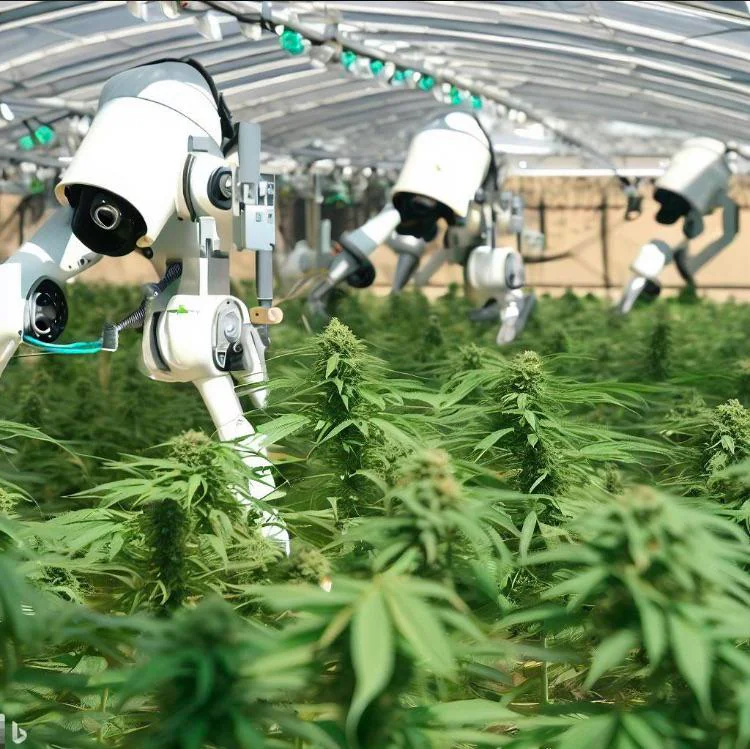
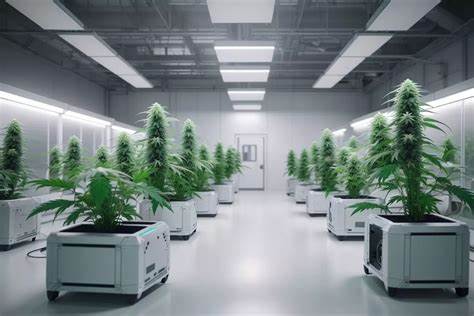
An autonomous greenhouse is a self-regulating environment where almost every aspect of the plant’s life cycle is controlled by automated systems. These greenhouses can operate with minimal human intervention, relying on sensors, AI, and robotic systems to monitor and control the growing environment.
- Sensors and Data Collection: Autonomous greenhouses are equipped with sensors that monitor light levels, humidity, temperature, CO2, and even plant health. Data from these sensors is analyzed in real-time, allowing for immediate adjustments in the growing environment.
- Robotic Systems: In addition to monitoring, robotic systems can take over tasks like planting, pruning, watering, and harvesting. These robots operate with high precision, ensuring that each plant is given the exact care it needs.
- AI and Machine Learning: AI systems in autonomous greenhouses use data from sensors to predict the needs of the plants and optimize the growing environment. For example, AI can analyze trends in temperature and humidity and make automatic adjustments to avoid stress on the plants.
Autonomous greenhouses represent the future of medical cannabis cultivation, offering a controlled, efficient, and highly scalable solution for producing consistent, high-quality medical cannabis.
5. Disease and Pest Control
The prevention and control of pests and diseases is a major difficulty in the cultivation of cannabis, as it can have a substantial impact on crop quality and productivity. In this regard, automation aids growers in identifying problems early and taking action before they worsen.
- Automated Pest Detection: Cameras and sensors in the growing environment can detect signs of pest infestations. AI systems can analyze this data and alert growers to the presence of pests, allowing them to take immediate action.
- Automated Spraying Systems: Automated spraying systems can deliver pesticides, fungicides, or organic solutions to affected plants. These systems can be programmed to target specific areas of the greenhouse, reducing the risk of over-spraying and ensuring that only the necessary amount of chemicals is used.
- Disease Monitoring: Sensors can also detect changes in plant health, such as variations in leaf color or texture, which could indicate the presence of a disease. Early discovery lowers the chance of losing significant portions of the crop and enables more effective treatment.
By automating disease and pest control, growers can protect their medical cannabis crops without resorting to excessive chemical use, which is particularly important for products intended for medical use.
6. Data-Driven Growing Techniques
Automation in medical cannabis cultivation also includes the integration of data analytics. Plant health, environmental parameters, and resource use are all monitored by sensors positioned all throughout the growing environment. This data is then analyzed to optimize future growing cycles.
- Yield Prediction Models: By analyzing historical data, AI systems can predict the potential yield of a crop based on current growing conditions. This allows growers to make real-time adjustments to ensure maximum yield.
- Strain-Specific Optimization: Different cannabis strains have unique needs in terms of temperature, light, and nutrient levels. Data-driven systems can customize the growing environment for each strain, ensuring optimal growth conditions for medical cannabis that meets the required specifications.
- Resource Optimization: Data from automated systems can also be used to optimize the use of water, electricity, and nutrients. This lowers expenses while guaranteeing the most ecologically friendly production method available.
The Role of Automation in Regulatory Compliance
Medical cannabis cultivation is subject to strict regulations, particularly concerning product quality, safety, and consistency. Automation plays a critical role in helping growers comply with these regulations:
- Tracking and Tracing: Automated systems can track every stage of the cannabis plant’s life cycle, from seed to sale. This data is essential for regulatory compliance, as it provides a detailed record of how each plant was grown, what inputs were used, and how it was processed.
- Batch Testing: Automated systems can also ensure that cannabis is grown in uniform batches, making it easier to test for cannabinoid content, pesticides, and other contaminants. This helps meet the stringent quality standards required for medical cannabis.
- Standard Operating Procedures (SOPs): Automation allows growers to implement and adhere to SOPs with greater consistency. For instance, automated fertigation and environmental control systems can be programmed with strain-specific SOPs, ensuring that every batch is grown to the same standards.
Compliance with regulatory frameworks is crucial for ensuring the safety and efficacy of medical cannabis. These procedures are made more efficient by automation, which also lowers the possibility of human error—which can result in expensive compliance infractions.
Challenges and Considerations in Automation
While automation offers numerous benefits for medical cannabis cultivation, there are also challenges that growers must consider:
- High Initial Costs: Implementing automated systems requires significant upfront investment. Greenhouses must be equipped with sensors, AI systems, and robotic technologies, all of which can be expensive. However, many growers find that the long-term savings in labor costs and increased yield outweigh these initial expenses.
- Technical Expertise: Automation systems require a certain level of technical knowledge to operate and maintain. Growers may need to hire specialized staff or invest in training programs to ensure that their team can manage the new technology.
- Customization for Medical Use: Medical cannabis cultivation requires a high level of precision, and automation systems need to be tailored specifically for this purpose. For example, the nutrient requirements for a medical cannabis strain may differ significantly from recreational strains, and automation systems must be able to adjust accordingly.
- Regulatory Updates: As the medical cannabis industry evolves, so do the regulations that govern it. Automation systems must be flexible enough to adapt to new regulatory requirements, such as changes in testing standards or allowable pesticide levels.
Restrictions on Growing and Using Cannabis in the Medical Field (Only) and Using It as a Last Resort
In many countries, growing and using cannabis for medical purposes is strictly regulated. When all other therapeutic alternatives have been exhausted, medical cannabis is frequently prescribed as a “last resort” for patients who do not respond well to traditional medicines. The restrictions focus on ensuring patient safety and limiting psychoactive effects, particularly due to the THC content.
- Growing Restrictions:
- Licensing and Permits: Cultivating cannabis for medical use is restricted to licensed farmers with medical cannabis permits. These growers are often required to meet strict quality control standards.
- Controlled Growing Conditions: Medical cannabis must be grown under tightly controlled conditions, often using automated systems to ensure the consistent cannabinoid profile necessary for medical applications.
- Medical Use Restrictions:
- Patient Eligibility: Medical cannabis is prescribed to patients who have not responded to other treatments. Medical professionals must document that cannabis is being used as a last resort.
- Doctor Supervision: The prescription of medical cannabis must be supervised by a licensed healthcare provider, who monitors the patient’s response to treatment.
- Monitoring THC Levels:
- THC Content Control: To prevent psychoactive effects in patients, the THC content in medical cannabis products is tightly regulated. Some countries only allow cannabis strains with minimal THC levels (below 0.2% to 1%) for medical use.
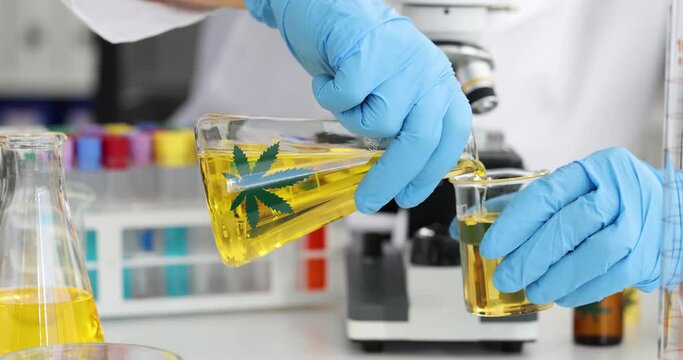
- Regular Testing: Medical cannabis products undergo rigorous testing to ensure that THC levels remain within acceptable limits. This helps prevent any unwanted psychoactive effects, especially for vulnerable patients.
Conclusion
Automation in medical cannabis cultivation is revolutionizing the way medical-grade cannabis is grown, ensuring that patients receive consistent, high-quality products that meet stringent regulatory standards. The integration of advanced technologies, such as environmental control systems, automated irrigation, fertigation, pruning, trimming, and data-driven growing techniques, has allowed medical cannabis growers to optimize their operations for efficiency, scalability, and reliability. These innovations are particularly important in the medical cannabis field, where the safety, consistency, and efficacy of the product are paramount.
The application of automation in the cultivation process allows growers to achieve the precise environmental conditions necessary for producing medical cannabis strains that consistently meet the required specifications. Through the use of temperature, humidity, and CO2 regulation systems, automated lighting schedules, and nutrient delivery through fertigation, growers can ensure that each plant receives the exact care it needs for optimal growth. This leads to uniformity in cannabinoid and terpene profiles, which is essential for medical patients who rely on consistent dosages for their treatment.
Autonomous greenhouses take this automation a step further by integrating sensors, robotic systems, and AI into the entire growing process. These greenhouses require minimal human intervention, making it easier to maintain the optimal conditions for each growth stage and strain. This level of automation allows for scalability without sacrificing precision, which is critical as the demand for medical cannabis continues to rise globally.
Disease and pest control, another crucial aspect of cannabis cultivation, benefits greatly from automation. Automated systems detect early signs of disease or infestation, allowing growers to address these issues before they affect the entire crop. This ensures that the medical cannabis remains free from harmful contaminants, preserving its quality and safety for patient use. In addition to lowering chemical use and lessening environmental effect, automated spraying systems enable focused treatment administration.
Data-driven growing techniques are another vital component of automation, providing growers with the insights needed to optimize future growing cycles. With sensors collecting real-time data on environmental conditions, plant health, and resource usage, growers can make informed decisions that lead to higher yields and better-quality cannabis. Yield prediction models and strain-specific optimization help growers customize their operations for different medical strains, ensuring that each batch meets the necessary medical standards.
In addition to the benefits of automation, the medical cannabis field also faces strict regulations that must be adhered to at every stage of the cultivation and production process. Restrictions on growing cannabis for medical use often include the requirement for licenses and permits, controlled growing environments, and rigorous quality control measures. Medical cannabis is typically prescribed only as a last resort, meaning that patients must first try conventional treatments before turning to cannabis. This ensures that cannabis is used only when necessary and that it is closely monitored by healthcare professionals.
One of the most critical aspects of medical cannabis regulation is the control of THC levels in cannabis products. THC, the psychoactive component of cannabis, can have unwanted effects on patients, particularly those who are vulnerable or who require long-term treatment. To prevent these effects, the THC content in medical cannabis is strictly monitored, and products with higher THC levels are either restricted or prescribed with caution. Regular testing of cannabis products ensures that THC levels remain within acceptable limits, preserving the medicinal benefits of the plant without exposing patients to unnecessary risks.
In summary, automation in medical cannabis cultivation improves efficiency, scalability, and product consistency, allowing growers to meet regulatory standards. While high upfront costs and technical expertise are challenges, the long-term benefits in yield, quality, and cost reduction make it a valuable investment. Strict regulations ensure cannabis is used as a last resort, providing safe and effective treatments without psychoactive risks. By adopting automation and following these regulations, the medical cannabis industry can continue to expand and provide essential relief to patients.
