Artificial vs. Sunlight-Grown Medical Cannabis
Artificially grown medical cannabis and sunlight-grown medical cannabis represent two distinct cultivation methods used to meet the rising demand for medical-grade cannabis. While both techniques are tailored to achieve optimal quality and potency, they rely on vastly different environmental controls and practices. In recent years, as the medical cannabis industry has matured, debates surrounding the merits of artificial and sunlight cultivation methods have gained traction. This discussion focuses exclusively on medical cannabis production, omitting recreational use and consumption methods, and dives deeply into the nuances of these cultivation practices in the context of producing the highest-quality medical cannabis.
The Importance of Controlled Cultivation for Medical Cannabis
Medical cannabis must meet stringent quality standards to ensure safety, consistency, and efficacy. The growing process plays a pivotal role in determining the cannabinoid profile, terpene content, and purity of the final product. Patients rely on medical cannabis to alleviate symptoms of chronic pain, inflammation, neurological conditions, and more. Any compromise in cultivation standards can result in inconsistent efficacy or contamination by molds, pesticides, or heavy metals, which can have serious health implications. As such, growers must adopt rigorous techniques regardless of whether they rely on artificial light or natural sunlight.
Artificially Grown Medical Cannabis
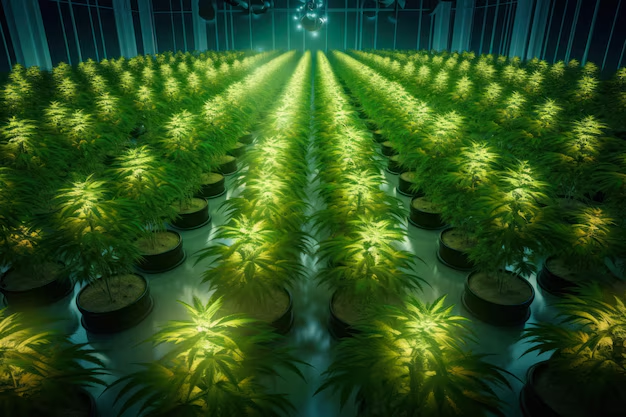
Artificially grown cannabis, often cultivated indoors, relies on highly controlled environments that allow growers to manipulate nearly every aspect of plant growth. This method is defined by its use of artificial lighting systems, such as high-pressure sodium (HPS), metal halide (MH), and more recently, light-emitting diode (LED) technology. Artificial cultivation offers several advantages and unique challenges.
Precision and Control
Indoor cultivation under artificial lights provides growers with unparalleled control over environmental factors, including light intensity, photoperiod (light and dark cycles), temperature, humidity, carbon dioxide levels, and nutrient availability. This level of control is crucial for producing medical-grade cannabis that is consistent from batch to batch.
The ability to manipulate light spectrums, for example, allows cultivators to optimize photosynthesis at each stage of growth. Blue light is emphasized during the vegetative stage to encourage leaf and stem development, while red and far-red light are maximized during flowering to stimulate bud formation. Such precision ensures a predictable cannabinoid and terpene profile, which is vital for patients requiring specific ratios of compounds like THC, CBD, or CBG.
Year-Round Production
Artificial growing environments are not constrained by seasonal cycles or weather conditions. This advantage enables growers to produce medical cannabis year-round, ensuring a steady supply for patients. In regions where sunlight is inconsistent or temperatures are extreme, indoor cultivation becomes essential for maintaining reliability in the medical cannabis supply chain.
Mitigation of Contamination Risks
Artificial environments can be hermetically sealed, reducing the risk of exposure to pests, pathogens, and environmental contaminants. This is particularly important for medical cannabis, as contamination with mold, bacteria, or heavy metals can pose significant health risks. By utilizing advanced air filtration systems and sterile practices, growers can create a clean environment that meets the rigorous testing standards required for medical cannabis.
Energy Consumption and Sustainability Concerns
Despite its advantages, indoor cannabis cultivation has significant drawbacks, particularly in terms of energy consumption. The use of artificial lighting, climate control systems, and carbon dioxide supplementation requires enormous amounts of electricity. A 2021 study estimated that cannabis production in the United States accounted for approximately 1% of the nation’s total energy consumption, with indoor cultivation being the primary driver. This energy-intensive process not only increases costs but also raises questions about its long-term sustainability.
Efforts to mitigate the environmental impact of artificial growing include the adoption of energy-efficient LED lights and renewable energy sources such as solar or wind power. However, these measures often require significant initial investments, which may not be feasible for all cultivators.
Quality and Consistency
When properly executed, indoor cultivation consistently produces cannabis of exceptional quality. The controlled environment minimizes variability, ensuring that plants consistently express their full genetic potential. This is especially important for patients who rely on specific cannabinoid and terpene profiles for symptom relief. For example, a patient with epilepsy who benefits from a high-CBD strain like Charlotte’s Web must receive a product with a consistent CBD-to-THC ratio to ensure its therapeutic efficacy.
Sunlight-Grown Medical Cannabis
Sunlight-grown medical cannabis, often referred to as outdoor or greenhouse-grown cannabis, harnesses the power of natural sunlight as the primary energy source for photosynthesis. This method capitalizes on the full spectrum of light provided by the sun, along with the natural rhythms of day and night, to produce cannabis in a more environmentally sustainable manner. However, it also comes with challenges unique to its reliance on the natural environment.
Harnessing Full-Spectrum Sunlight
One of the greatest advantages of sunlight-grown cannabis is its access to the full spectrum of light provided by the sun. Unlike artificial lights, which typically target specific wavelengths, sunlight delivers a balanced spectrum that may enhance certain aspects of plant growth and chemical production. Some researchers believe that the complexity of the sunlight spectrum contributes to the production of a broader range of secondary metabolites, including terpenes and flavonoids, which may enhance the entourage effect—a synergistic interaction between cannabinoids and terpenes that amplifies therapeutic benefits.
Cost Efficiency and Sustainability
Sunlight cultivation is inherently more sustainable than artificial growing methods. By relying on the sun as a free and renewable energy source, sunlight-grown cannabis significantly reduces energy consumption and associated costs. This approach aligns with the principles of environmental stewardship, which are increasingly important in the cannabis industry.
Moreover, outdoor and greenhouse cultivation often requires less infrastructure and operational complexity compared to indoor growing. The reduced need for artificial lighting, heating, and cooling translates to lower production costs, which can make medical cannabis more affordable for patients.
Challenges with Environmental Variables
Despite its sustainability, sunlight cultivation is subject to environmental variables that can complicate the production of medical-grade cannabis. Fluctuations in temperature, humidity, and sunlight exposure can affect plant growth and chemical composition. For example, a prolonged period of overcast weather may reduce cannabinoid and terpene production, while excessive rain can increase the risk of mold and mildew.
To mitigate these risks, many sunlight cultivators have turned to greenhouse growing, which combines the benefits of natural sunlight with some level of environmental control. Greenhouses allow growers to regulate temperature and humidity while protecting plants from pests, pathogens, and harsh weather conditions. Additionally, supplemental lighting can be added to extend the photoperiod during shorter days or to provide additional intensity on cloudy days.
Terroir and Soil Quality
Sunlight-grown cannabis also benefits from the concept of terroir—a term borrowed from viticulture that refers to the unique characteristics imparted by a plant’s growing environment, including soil composition, climate, and altitude. When grown in nutrient-rich, living soil, sunlight-cultivated cannabis may develop unique and complex profiles of cannabinoids and terpenes that are difficult to replicate in artificial settings. These unique profiles may offer therapeutic advantages for certain patients, though more research is needed to fully understand the clinical implications.
Consistency Challenges
One of the primary criticisms of sunlight-grown cannabis is the difficulty in achieving consistency. Natural variations in environmental conditions can result in fluctuations in the chemical composition of the final product. For medical cannabis, where consistency is paramount, this can be a significant drawback. However, advances in agricultural techniques, such as selective breeding, soil amendments, and integrated pest management, are helping growers address these challenges and produce sunlight-grown cannabis that meets medical standards.
Comparing Artificial and Sunlight Cultivation for Medical Cannabis
Cannabinoid and Terpene Profiles
Both cultivation methods are capable of producing high-quality medical cannabis with rich cannabinoid and terpene profiles. Artificial cultivation excels in consistency, as growers can fine-tune environmental conditions to achieve a predictable chemical composition. Sunlight cultivation, on the other hand, may produce more complex profiles due to the full-spectrum light of the sun and the influence of terroir.
Some studies suggest that sunlight-grown cannabis may have higher levels of certain terpenes and flavonoids, which could enhance the therapeutic efficacy of the product. However, these findings are not universal, and the relative importance of these differences depends on the specific needs of the patient and the condition being treated.
Environmental Impact
Sunlight-grown cannabis is the clear winner in terms of environmental sustainability. By utilizing renewable sunlight and minimizing energy consumption, outdoor and greenhouse cultivation reduce the carbon footprint of cannabis production. Indoor cultivation, while capable of delivering consistent quality, is far more resource-intensive and contributes to higher greenhouse gas emissions.
Cost Considerations
Cost efficiency is another area where sunlight cultivation has the upper hand. Lower operational costs associated with natural sunlight and reduced infrastructure make this method more affordable. However, the initial investment in greenhouses or land suitable for outdoor cultivation can still be substantial. Indoor cultivation, with its higher energy demands and infrastructure requirements, typically has higher production costs, which may be passed on to patients.
Scalability
Indoor cultivation is often more scalable than sunlight cultivation, particularly in urban or densely populated areas where land is limited. By building vertically, indoor facilities can maximize production capacity within a smaller footprint. Sunlight cultivation, in contrast, requires large tracts of land and favorable growing conditions, which may not be available in all regions.
Meeting Medical Standards
Both methods are capable of meeting the stringent standards required for medical cannabis, but each presents unique challenges. Indoor cultivation’s controlled environment minimizes contamination risks, making it easier to produce cannabis that passes rigorous testing for purity and potency. Sunlight cultivation, while more susceptible to environmental variables, can achieve comparable quality through the use of advanced agricultural practices and greenhouse technologies.
The Future of Medical Cannabis Cultivation
As the medical cannabis industry continues to grow, the debate between artificial and sunlight cultivation is unlikely to fade. Both approaches have advantages and disadvantages, and the best option frequently depends on variables like patient demands, geographic location, and environmental conditions.
Hybrid approaches that combine the best of both worlds are emerging as a promising solution. For example, greenhouse cultivation with supplemental lighting and climate control can harness the sustainability of sunlight while offering greater consistency and control. Advances in agricultural technology, such as precision farming, automation, and genetic engineering, are also likely to play a role in optimizing both artificial and sunlight cultivation methods.
Furthermore, as public awareness of the environmental impact of cannabis production grows, there is increasing pressure on the industry to adopt more sustainable practices. Indoor growers may need to invest in energy-efficient technologies and renewable energy sources, while outdoor growers must continue to refine their practices to mitigate risks and ensure consistency.
Restrictions on Growing and Using Cannabis in the Medical Field as a Last Resort
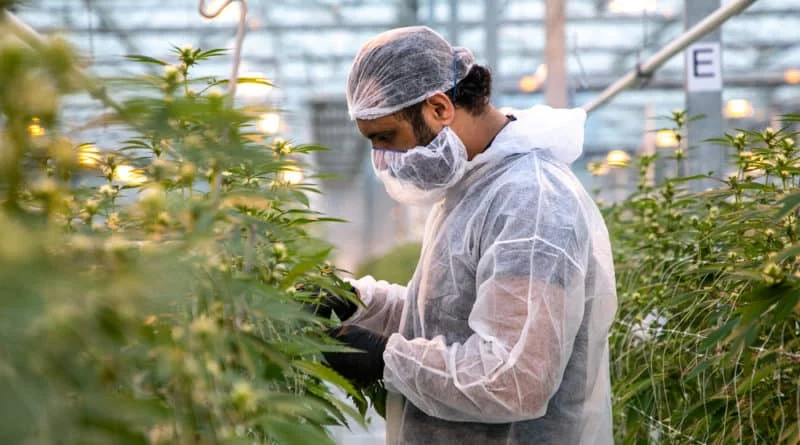
The use of medical cannabis is subject to strict regulations and guidelines in many countries, ensuring that it is only employed as a last-resort treatment for patients who have not responded to conventional therapies. These restrictions aim to prevent misuse, ensure patient safety, and address concerns about the psychoactive effects of cannabis, primarily caused by tetrahydrocannabinol (THC).
Medical Use as a Last Resort
In most jurisdictions, medical cannabis can only be prescribed when other treatment options have failed. This ensures that patients with conditions such as chronic pain, epilepsy, multiple sclerosis, or chemotherapy-induced nausea and vomiting are given access to cannabis when no other viable alternatives exist. Physicians must provide documented evidence that the patient has undergone conventional treatment regimens without success before prescribing cannabis-based medications. Additionally, a thorough risk-benefit assessment is typically required to ensure that cannabis use is appropriate for the patient’s specific condition.
THC Monitoring and Regulation
One of the primary concerns with medical cannabis is its potential to induce psychoactive effects due to THC, a cannabinoid responsible for the “high” commonly associated with recreational use. To mitigate these effects, strict monitoring of THC levels in medical cannabis products is mandated. Regulatory bodies often set maximum allowable THC concentrations for specific medical formulations to minimize the risk of psychoactivity.
For example, some countries mandate that medical cannabis products for pediatric use or for patients with neurological conditions contain predominantly cannabidiol (CBD), a non-psychoactive cannabinoid, with THC levels below a defined threshold (e.g., less than 0.2% or 0.3%). In some cases, synthetic THC formulations, such as dronabinol, are prescribed under strict supervision when higher THC levels are required for therapeutic purposes.
Cultivation and Quality Standards
Medical cannabis cultivation is tightly regulated to ensure the production of consistent, safe, and effective products. Growers must adhere to Good Agricultural and Collection Practices (GACP) and ensure that plants meet strict standards for purity, potency, and absence of contaminants. Regular testing for pesticides, heavy metals, mold, and microbial contaminants is mandatory. These measures guarantee that patients receive high-quality, pharmaceutical-grade cannabis products tailored to their medical needs.
Conclusion: Balancing Medical Cannabis Cultivation and Use with Safety, Efficacy, and Sustainability
The cultivation and use of medical cannabis is a complex and highly regulated process that requires careful consideration of patient safety, product quality, and environmental sustainability. Whether grown using artificial lighting systems or under natural sunlight, each method offers unique advantages and challenges that must be weighed in the context of producing medical-grade cannabis. As the medical cannabis industry continues to expand, a nuanced approach to cultivation, monitoring, and usage is critical to ensuring the best outcomes for patients who rely on this plant as a last resort for their medical conditions.
Artificially grown cannabis has revolutionized the ability to control every aspect of the cultivation process, providing unparalleled precision in producing consistent cannabinoid and terpene profiles. This level of control is essential for meeting the strict standards required in the medical field, where patients depend on predictable results. However, the environmental cost of indoor cultivation, including high energy consumption and its associated carbon footprint, cannot be ignored. As the industry moves forward, adopting more energy-efficient technologies such as LED lights and renewable energy sources will be essential to address these concerns.
Sunlight-grown medical cannabis offers an environmentally sustainable alternative, harnessing the power of natural sunlight to reduce energy consumption and operational costs. The full-spectrum light of the sun may also contribute to the production of a broader range of cannabinoids and terpenes, potentially enhancing therapeutic outcomes. However, sunlight cultivation faces challenges with consistency and environmental unpredictability. Innovations in greenhouse technologies, soil management, and pest control are helping bridge the gap, making sunlight-grown cannabis a viable option for medical applications.
Equally important is the careful monitoring and restriction of THC levels in medical cannabis products to prevent unwanted psychoactive effects. Regulatory frameworks in many countries mandate strict testing and labeling requirements to ensure that medical cannabis is safe, pure, and effective. Patients, particularly vulnerable populations such as children or those with neurological conditions, benefit from formulations that emphasize non-psychoactive cannabinoids like CBD while keeping THC levels to a minimum. This ensures that medical cannabis remains a therapeutic tool, not a recreational product.
Ultimately, the use of medical cannabis must be approached with caution and responsibility, adhering to the principle of last-resort therapy. By focusing on rigorous cultivation practices, regulatory compliance, and patient-specific treatment protocols, the medical cannabis industry can continue to evolve, offering patients effective and safe treatment options while addressing broader societal and environmental concerns. With ongoing research, innovation, and sustainable practices, the potential of medical cannabis can be fully realized in a way that prioritizes health, safety, and ethical responsibility.
