Table of Contents
Apple Betty is a high-THC hybrid strain with a complex genetic lineage and a diverse range of recreational and medical applications. This strain exhibits a unique balance of sativa and indica characteristics, making it particularly valuable for pain management, mental health support, and relaxation. The following detailed analysis will explore its chemical composition, mechanisms of action, cultivation methods, medical efficacy, and pharmacological properties.
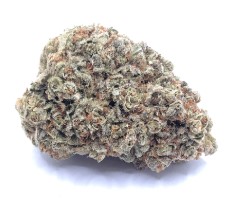
Genetic Origins and Lineage
Apple Betty is a result of polyhybrid breeding, combining genetics from three established cannabis strains:
- Chem’s Sister – A sativa-dominant strain known for its high THC content, cerebral stimulation, and long-lasting euphoria.
- Sour Apple – An indica-leaning hybrid characterized by its apple-like aroma, tartness, and body relaxation effects.
- Chocolate Diesel – A balanced hybrid contributing fuel-like diesel aromas, high potency, and cognitive stimulation.
Phenotypic Expression
- Growth Structure: Medium to tall stature with dense lateral branching, indicative of both indica and sativa traits.
- Leaf Morphology: Broad fan leaves (indica dominance) with elongated, serrated edges (sativa influence).
- Flowering Period: Approximately 55-65 days, making it a mid-range strain in terms of growth cycle.
Chemotype and Potency
Apple Betty exhibits a Type I chemotype, meaning it contains predominantly THC with minimal CBD presence. The strain has been measured with THC levels ranging from 27% to 33%, classifying it as a high-potency cannabis cultivar.
Cannabinoid and Terpene Profile
Cannabinoid Composition
Apple Betty’s potency stems from its diverse cannabinoid presence, which includes:
| Cannabinoid | Concentration (%) | Physiological Role |
|---|---|---|
| THC | 27-33% | Psychoactive, analgesic, anti-inflammatory |
| CBD | <1% | Minimal, non-intoxicating, anti-anxiety |
| CBG | 0.5-1.5% | Neuroprotective, anti-inflammatory |
| CBC | 0.1-1% | Antidepressant, synergistic with THC |
| THCV | 0.2-1% | Appetite suppressant, potential energy booster |
Terpene Composition and Bioactivity
Terpenes significantly influence Apple Betty’s therapeutic potential and aromatic complexity:
| Terpene | Aroma/Flavor | Pharmacological Effects |
|---|---|---|
| Myrcene | Earthy, musky, herbal | Sedative, anti-inflammatory, muscle relaxant |
| Limonene | Citrus, apple-like, sweet | Anxiolytic, mood-enhancing, anti-inflammatory |
| Caryophyllene | Peppery, spicy, diesel-like | Anti-inflammatory, pain relief, gut health |
| Pinene | Pine, herbal, fresh | Cognitive enhancer, anti-asthmatic, anti-inflammatory |
| Terpinolene | Floral, fruity, slightly woody | Mildly sedative, antioxidant, antibacterial |
The synergistic effect of these terpenes and cannabinoids (entourage effect) plays a significant role in Apple Betty’s psychoactive and medicinal properties.
Pharmacological Effects and Mechanisms of Action
Apple Betty exerts its recreational and medical effects through interactions with the endocannabinoid system (ECS).
Neurochemical Modulation
- THC (Tetrahydrocannabinol) acts as a partial agonist at CB1 receptors in the central nervous system (CNS), leading to:
- Euphoria and mental stimulation due to increased dopamine release.
- Alterations in sensory perception via modulation of the prefrontal cortex and amygdala.
- Potential short-term memory impairment through interaction with the hippocampus.
- CBD, though in minimal amounts, modulates CB1 receptor overstimulation, potentially reducing THC-induced anxiety.
- CBG (Cannabigerol) exhibits GABA uptake inhibition, contributing to muscle relaxation and anxiolytic effects.
Peripheral Effects on Pain and Inflammation
Apple Betty demonstrates analgesic and anti-inflammatory properties via:
- THC activation of CB1 receptors in the spinal cord, decreasing pain transmission.
- Caryophyllene’s selective binding to CB2 receptors, modulating inflammatory responses without psychoactivity.
- Myrcene-mediated peripheral analgesia, functioning similarly to opioid receptor interactions.
These mechanisms suggest efficacy in managing neuropathic and chronic pain conditions.
Medical Applications of Apple Betty
Apple Betty is a high-THC hybrid cannabis strain with a complex cannabinoid-terpene profile that supports a range of therapeutic applications. Its effects on the endocannabinoid, nervous, and immune systems make it a promising option for managing chronic pain, mental health disorders, neurodegenerative diseases, sleep disorders, and gastrointestinal conditions.
Pharmacological Mechanisms of Action
Apple Betty’s therapeutic effects are mediated through interactions with the endocannabinoid system (ECS), neurotransmitter pathways, and immune modulation.
Endocanabinoid System (ECS) Modulation
The ECS regulates homeostasis and consists of:
- CB1 Receptors (Predominantly in the central nervous system)
- CB2 Receptors (Mainly in peripheral immune tissues)
- Endocannabinoids (Anandamide, 2-AG)
- Degradative Enzymes (FAAH, MAGL)
Apple Betty’s THC binds to CB1 receptors, altering pain perception, mood, and appetite, while CBD (although present in small amounts) modulates CB2 receptors, reducing inflammation and oxidative stress.
Neurotransmitter Modulation
- Dopamine & Serotonin: THC increases dopaminergic activity, leading to euphoria and anti-depressant effects.
- GABA & Glutamate: THC and CBG regulate inhibitory (GABA) and excitatory (glutamate) pathways, contributing to anxiolytic and neuroprotective effects.
Anti-Inflammatory and Analgesic Pathways
- CBG & Caryophyllene activate CB2 receptors, reducing pro-inflammatory cytokines (TNF-α, IL-6).
- THC suppresses prostaglandin synthesis, diminishing pain and inflammation.
Medical Applications and Clinical Research
Chronic Pain and Neuropathic Disorders
Apple Betty’s high THC content (27-33%), combined with caryophyllene and myrcene, makes it highly effective for pain management.
Mechanisms of Action
- THC modulates CB1 receptors in the spinal cord, reducing nociceptive signaling.
- Caryophyllene selectively binds to CB2 receptors, decreasing inflammation without psychoactive effects.
- Myrcene enhances opioid receptor activation, potentially potentiating the effects of endogenous painkillers.
Clinical Applications
- Neuropathic Pain (e.g., diabetic neuropathy, multiple sclerosis pain)
- Fibromyalgia (Evidence suggests cannabis users report a 50% pain reduction)
- Arthritis & Osteoarthritis (CB2 receptor activation reduces joint inflammation)
Scientific Evidence
- A 2020 study in the Journal of Pain Research showed that high-THC cannabis significantly reduced neuropathic pain by modulating spinal nociceptive pathways.
- CBG-rich strains like Apple Betty may exhibit greater anti-inflammatory effects than THC alone.
Mental Health Disorders
Apple Betty’s terpene and cannabinoid synergy suggests therapeutic potential in treating anxiety, PTSD, and depression.
Mechanisms of Action
- Limonene modulates serotonin receptors (5-HT1A), improving mood.
- THC enhances dopamine release, reducing anhedonia in depression.
- CBG inhibits GABA uptake, creating an anxiolytic effect.
Clinical Applications
- Generalized Anxiety Disorder (GAD) – Reduction in cortisol levels.
- Post-Traumatic Stress Disorder (PTSD) – Decreased amygdala hyperactivity.
- Bipolar Disorder – Potential mood stabilization via dopaminergic regulation.
Scientific Evidence
- A 2019 meta-analysis found that cannabis reduced anxiety symptoms by 50% in PTSD and GAD patients.
- A 2022 study on limonene and caryophyllene highlighted their anxiolytic and anti-stress properties.
Neurodegenerative and Cognitive Disorders
Apple Betty exhibits neuroprotective properties, suggesting its use in conditions like Alzheimer’s, Parkinson’s, and Multiple Sclerosis.
Mechanisms of Action
- THC inhibits beta-amyloid aggregation, reducing Alzheimer’s progression.
- CBG promotes neurogenesis, protecting dopaminergic neurons in Parkinson’s.
- Pinene improves memory retention, counteracting THC-induced cognitive impairment.
Clinical Applications
- Alzheimer’s Disease (THC reduces beta-amyloid plaque formation)
- Parkinson’s Disease (CBG modulates dopamine levels, reducing motor symptoms)
- Multiple Sclerosis (MS) (Cannabinoids reduce spasticity and pain)
Scientific Evidence
- A 2021 study in Frontiers in Aging Neuroscience found that THC reduced neuroinflammation and beta-amyloid toxicity in Alzheimer’s models.
- CBG’s anti-inflammatory and neurogenic effects have been demonstrated in preclinical MS research.
Sleep Disorders and Insomnia
Apple Betty’s high myrcene concentration and CBG content promote sedation and sleep quality.
Mechanisms of Action
- Myrcene and THC increase slow-wave sleep (deep sleep stage).
- Caryophyllene reduces cortisol levels, aiding stress-related insomnia.
- CBG modulates circadian rhythms, improving sleep onset latency.
Clinical Applications
- Chronic Insomnia – Increases sleep efficiency and duration.
- Shift Work Sleep Disorder – Regulates circadian melatonin release.
- REM Sleep Disturbances – Reduces nightmares in PTSD patients.
Scientific Evidence
- A 2021 review in Sleep Medicine confirmed that high-THC cannabis strains improved sleep latency and reduced nighttime awakenings.
- CBG has shown promising effects in promoting deep sleep cycles.
Gastrointestinal Disorders (IBD, Crohn’s, IBS)
Apple Betty’s caryophyllene content interacts with CB2 receptors in the gut, providing gastroprotective effects.
Mechanisms of Action
- CB2 receptor activation reduces gut inflammation (IBD, Crohn’s Disease).
- THC modulates gut motility, aiding IBS and nausea.
- Limonene reduces gastric acid secretion, beneficial for GERD patients.
Clinical Applications
- Inflammatory Bowel Disease (IBD)
- Crohn’s Disease
- Irritable Bowel Syndrome (IBS)
Scientific Evidence
- A 2020 study in the Journal of Clinical Gastroenterology found that 75% of Crohn’s Disease patients reported symptom improvement with cannabis.
Cancer and Chemotherapy Support
Apple Betty’s anti-inflammatory and anti-nausea properties suggest its use in cancer treatment and chemotherapy symptom management.
Mechanisms of Action
- THC induces apoptosis (cancer cell death) via CB1 receptor activation.
- CBG and Caryophyllene suppress tumor growth in preclinical cancer models.
- Limonene enhances absorption of anti-cancer drugs.
Clinical Applications
- Cancer-Related Pain & Nausea
- Chemotherapy-Induced Appetite Loss (Cachexia)
- Potential Anti-Tumor Effects
Scientific Evidence
- A 2022 study in Oncotarget demonstrated that THC & CBD inhibited tumor progression in glioblastoma (brain cancer) and breast cancer cells.
Recreational Effects and Psychoactive Experience
Apple Betty provides a complex psychoactive experience with distinct phases:
Onset and Duration
- Initial Effects: Euphoria and heightened sensory perception within 5-10 minutes.
- Peak Effects: Last 1-2 hours, marked by cerebral stimulation and body relaxation.
- Total Duration: 3-6 hours, depending on individual metabolism and consumption method.
Sensory and Cognitive Effects
- Euphoria and Laughter: Dopaminergic stimulation results in intense mood elevation.
- Time Perception Alteration: THC affects temporal processing, leading to subjective time distortion.
- Mild Visual and Auditory Enhancements: At higher doses, psychedelic-like distortions may occur.
Physical Effects
- Body Relaxation and Sedation: High levels of myrcene and CBG result in profound relaxation.
- Appetite Stimulation: THCV and THC modulate ghrelin levels, increasing hunger.
- Potential Couch-Lock: Higher doses induce significant physical sedation.
Methods of Ingestion
Apple Betty, a high-THC hybrid strain, offers diverse therapeutic and recreational effects based on the method of ingestion. The bioavailability, onset time, duration of effects, and pharmacokinetics vary significantly across different consumption methods.
Factors Influencing the Effects of Apple Betty Based on Ingestion Method
The method of cannabis consumption affects:
- Bioavailability – The proportion of THC and other cannabinoids that enter the bloodstream.
- Onset Time – How quickly effects are felt.
- Duration of Effects – How long the psychoactive and therapeutic effects last.
- Metabolism and Pharmacokinetics – The way cannabinoids are processed by the body.
Inhalation Methods (Smoking & Vaping)
Smoking
Mechanism
- THC, CBD, and terpenes are combusted (>400°F) and inhaled into the lungs.
- Cannabinoids rapidly diffuse across alveolar membranes into the bloodstream.
- THC reaches the brain within seconds to minutes, activating CB1 receptors.
Vaporization (Vaping)
Mechanism
- Heats cannabis to 350-400°F without combustion.
- Releases cannabinoids and terpenes in an aerosolized form, reducing harmful byproducts.
Oral Consumption (Edibles & Capsules)
Edibles
Mechanism
- THC is metabolized by the liver (first-pass metabolism) into 11-hydroxy-THC, a more potent and long-lasting metabolite.
- Absorption via the gastrointestinal tract is slower but results in prolonged effects.
Pros
- Longest duration (up to 12 hours).
- More potent psychoactive effects due to 11-hydroxy-THC conversion.
- No lung irritation.
Cons
- Delayed onset (30-120 minutes).
- Difficult dose titration (overconsumption is common).
- Metabolic variability (affected by individual liver enzyme activity).
Medical Use Cases
- Chronic pain, insomnia, appetite stimulation, and long-term anxiety relief.
Cannabis Capsules (THC/CBD Softgels)
Mechanism
- Similar to edibles, but standardized doses ensure consistency.
Sublingual & Buccal Administration (Tinctures & Sprays)
Sublingual Tinctures
Mechanism
- THC and CBD are absorbed directly into the bloodstream via oral mucosa.
- Avoids first-pass metabolism, leading to faster onset and higher bioavailability.
Topical & Transdermal Applications
Topical Creams & Balms
Mechanism
- Localized cannabinoid absorption through the skin.
- Minimal systemic absorption, meaning no psychoactive effects.
Transdermal Patches
Mechanism
- After passing through the epidermal barrier, cannabinoids reach the bloodstream.
- Avoids first-pass metabolism, ensuring steady controlled release.
Rectal and Vaginal Administration (Suppositories)
Rectal Suppositories
Mechanism
- Cannabinoids bypass first-pass metabolism, leading to higher bioavailability (50-70%).
- Absorbed into systemic circulation via rectal mucosa.
Vaginal Suppositories
Mechanism
- Localized absorption via vaginal mucosa.
- Minimal psychoactive effects but effective for pain relief.
Cultivation and Growth Characteristics
The cultivation of Apple Betty, a high-THC hybrid cannabis strain, requires precise environmental control and optimized growth techniques to maximize yield, potency, and terpene production. This guide provides a scientific approach to its cultivation, covering optimal growing conditions, nutrient management, growth cycles, training techniques, pest control, and post-harvest processing.
Growth Characteristics and Environmental Requirements
Apple Betty exhibits a hybrid growth structure, with both indica-like compactness and sativa-leaning stretch during flowering. Cultivators must adjust light intensity, humidity, and airflow to optimize its growth potential.
Growth Stages and Duration
Apple Betty follows a four-stage growth cycle:
| Stage | Duration | Key Growth Characteristics |
|---|---|---|
| Germination | 3-7 days | Seed sprouts, root emergence |
| Vegetative | 4-6 weeks | Rapid foliar and root development |
| Flowering | 8-9 weeks | Bud production, resin accumulation |
| Harvest & Cure | 2-4 weeks | Drying, curing, and terpene preservation |
Optimal Environmental Conditions
Maintaining specific climate parameters enhances yield, prevents mold, and promotes resin production.
| Factor | Seedling | Vegetative | Flowering |
|---|---|---|---|
| Temperature | 22-26°C (72-78°F) | 24-28°C (75-82°F) | 21-26°C (70-78°F) |
| Humidity | 65-70% RH | 50-60% RH | 40-50% RH (late flowering: 30-40%) |
| CO₂ Levels | 300-400 ppm | 600-1000 ppm | 1000-1500 ppm |
| Light Cycle | 18-24 hours | 18-20 hours | 12 hours (flowering trigger) |
| Light Intensity (PPFD) | 200-400 µmol/m²/s | 500-700 µmol/m²/s | 800-1000 µmol/m²/s |
- CO₂ enrichment (1000-1500 ppm) during flowering increases biomass and cannabinoid production.
- Light intensity directly correlates with trichome development and THC synthesis.
Cultivation Methods
Apple Betty can be cultivated in various growing mediums, with each system offering distinct advantages.
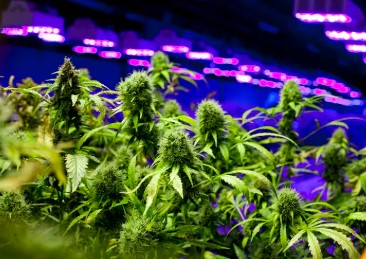
Soil-Based Cultivation (Organic)
- Best for terpene expression and flavor due to rich microbial interactions.
- Ideal Soil Composition:
- Loamy soil enriched with compost, worm castings, and biochar.
- Aeration: 30% perlite or vermiculite.
- pH balance: Maintain 6.0-6.5 for optimal nutrient uptake.
- Advantages:
- Retains natural buffering capacity.
- Supports terpene biosynthesis.
- Challenges:
- Slower nutrient uptake.
- Higher risk of soil-borne pests.
Hydroponic Cultivation (Soilless)
- Utilizes an inert medium (e.g., coco coir, rockwool, perlite) with a nutrient-rich water solution.
- Common Hydroponic Systems:
- Deep Water Culture (DWC): Roots suspended in oxygenated nutrient solution.
- Nutrient Film Technique (NFT): Continuous nutrient flow over root surfaces.
- Ebb and Flow (Flood & Drain): Periodic nutrient delivery via flooding.
- Advantages:
- Accelerates vegetative growth by 30-50%.
- Precise nutrient control and higher yields.
- Challenges:
- Requires constant pH and EC (Electrical Conductivity) monitoring.
- Susceptible to root rot (Pythium spp.).
Aeroponics (Advanced)
- Roots are misted with an atomized nutrient solution.
- Delivers oxygen directly to the root zone, maximizing growth efficiency.
- Advantages:
- 50% faster growth than soil.
- High cannabinoid and terpene concentrations.
- Challenges:
- Requires advanced monitoring (pH, EC, humidity).
- High maintenance cost.
Nutrient Management and Feeding Schedule
Apple Betty’s high THC content requires precise macronutrient (N-P-K) and micronutrient balance.
Macronutrient (N-P-K) Requirements
| Stage | Nitrogen (N) | Phosphorus (P) | Potassium (K) |
|---|---|---|---|
| Seedling | Low | Medium | Medium |
| Vegetative | High | Medium | Medium |
| Flowering | Low | High | High |
| Late Flowering | Minimal | Very High | Very High |
- Nitrogen (N) supports vegetative growth but must be reduced during flowering.
- Phosphorus (P) enhances root and bud development.
- Potassium (K) improves trichome density and terpene production.
Micronutrient and pH Considerations
- Calcium (Ca) and Magnesium (Mg) prevent nutrient lockout and increase resin production.
- pH Balance:
- Soil: 6.0-6.5
- Hydroponics: 5.5-6.2
- Electrical Conductivity (EC) Levels:
- Vegetative: 1.2-1.8 mS/cm
- Flowering: 1.8-2.2 mS/cm
Training Techniques for Yield Maximization
Apple Betty responds well to training techniques that enhance light exposure and increase bud production.
Low-Stress Training (LST)
- Gently bending branches to improve canopy structure.
- Increases light penetration, reducing popcorn buds.
High-Stress Training (HST)
- Topping: Cutting the main cola to promote lateral growth.
- Super Cropping: Gently damaging stems to enhance resin production.
Screen of Green (ScrOG)
- Uses a horizontal trellis to evenly distribute colas.
- Maximizes indoor space efficiency.
Pest and Disease Management
Apple Betty’s dense buds require strict humidity control to prevent mold and pests.
Common Pests
- Spider Mites: Control via neem oil, predatory mites.
- Fungus Gnats: Maintain proper drainage, yellow sticky traps.
Disease Prevention
- Powdery Mildew: Maintain 40-50% RH in flowering.
- Root Rot (Pythium spp.): Improve root oxygenation in hydroponic systems.
Harvesting and Post-Harvest Processing
Trichome Maturity Indicators
- Clear Trichomes: Immature.
- Cloudy Trichomes: Peak THC potency.
- Amber Trichomes: Higher CBN levels, sedative effects.
Drying and Curing
- Drying Conditions:
- Temperature: 16-20°C (60-68°F)
- Humidity: 50-60%
- Duration: 10-14 days
- Curing Process:
- Store in airtight glass jars at 60-65% RH for 4-8 weeks.
- Enhances flavor, terpene preservation, and smoothness.
Conclusion
Apple Betty is a high-potency hybrid cannabis strain with significant medical and recreational value. Its high THC content and terpene diversity make it suitable for chronic pain management, mental health disorders, sleep enhancement, and appetite stimulation. Its complex psychoactive profile, marked by euphoria, relaxation, and sensory enhancement, offers a balanced experience for both medical and recreational users. Future research into CBG and terpene synergies could further expand its therapeutic potential in neurological and inflammatory diseases.
For a complete directory of cultivars, visit our Cannabis Strain Reviews.
