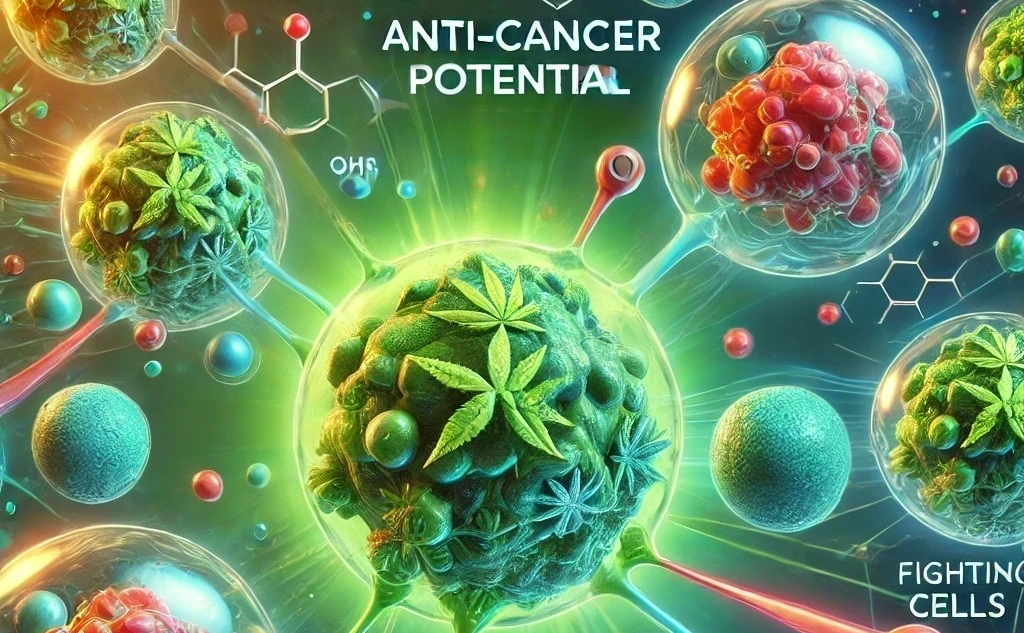
Anti-Cancer Potential of Cannabis Flavonoids: An In-Depth Analysis
Cannabis sativa, traditionally known for its psychoactive effects, has gained scientific attention for its therapeutic potential. While cannabinoids like THC and CBD were initially the focus, other compounds, specifically flavonoids, are now recognized for their possible anti-cancer properties. Flavonoids, polyphenolic compounds found in many plants, contribute to cannabis’s health benefits, color, and flavor. In cannabis, they play a unique role in the “entourage effect,” enhancing therapeutic effects through synergy with other compounds. This analysis examines the anti-cancer potential of cannabis flavonoids, focusing solely on their medical applications.
Understanding Flavonoids in Cannabis
Flavonoids, along with terpenes and cannabinoids, contribute to the biochemical profile of cannabis. Although present in smaller amounts than cannabinoids, cannabis’s approximately 20 flavonoids—such as cannflavin A, B, and C, as well as quercetin, apigenin, and kaempferol—have significant potential in cancer research due to their anti-inflammatory, antioxidant, and anti-cancer properties. Recent studies are exploring how these flavonoids might inhibit tumor growth, induce apoptosis, and prevent metastasis in cancer cells.
Mechanisms of Anti-Cancer Activity in Cannabis Flavonoids
1. Induction of Apoptosis
One important process by which the body gets rid of damaged or possibly malignant cells is called apoptosis, or programmed cell death. Cancer cells frequently avoid apoptosis, which permits them to grow out of control. Flavonoids in cannabis have shown promise in re-activating apoptotic pathways in cancer cells. Cannflavin A, for instance, has been observed to induce apoptosis in various cancer cell lines by modulating key apoptotic proteins such as Bcl-2 and Bax. This modulation disrupts the mitochondrial membrane potential, releasing cytochrome c and triggering the caspase cascade that culminates in cell death. The regulation of tumor growth and the inhibition of cancer cell dissemination depend on this apoptotic mechanism.
In particular, apigenin, another flavonoid found in cannabis, has demonstrated the ability to activate the tumor-suppressor protein p53, which is often mutated in cancer cells. The reactivation of p53 by apigenin can initiate a cascade of events leading to apoptosis in cells that would otherwise continue to divide. The specificity of flavonoids like apigenin in targeting cancer cells over healthy cells offers a promising therapeutic strategy that could reduce the adverse effects commonly associated with traditional chemotherapy.
2. Inhibition of Cancer Cell Proliferation
One of the hallmarks of cancer is the uncontrolled proliferation of cells. Cannabis flavonoids exhibit anti-proliferative effects through several mechanisms. For example, kaempferol has been shown to inhibit cell cycle progression in various cancer cell lines, effectively halting the rapid division that characterizes cancer. This inhibition occurs through the downregulation of cyclins and cyclin-dependent kinases (CDKs), proteins that are essential for cell cycle progression. By arresting the cell cycle at specific checkpoints, kaempferol and other flavonoids can reduce tumor growth and prevent cancer cells from advancing through their replication phases.
Cannflavin B, another cannabis-specific flavonoid, has demonstrated anti-proliferative properties, particularly in breast and prostate cancer models. It works by targeting signaling pathways such as the phosphoinositide 3-kinase (PI3K)/Akt pathway, which is frequently overactive in cancers. The PI3K/Akt pathway plays a central role in promoting cell survival and growth. By inhibiting this pathway, cannflavin B can reduce the survival signals cancer cells rely on, thus suppressing their ability to proliferate.
3. Anti-inflammatory and Antioxidant Effects
Chronic inflammation and oxidative stress are well-known contributors to cancer progression. Many flavonoids in cannabis possess potent anti-inflammatory and antioxidant properties that may prevent or reduce the risk of cancer. For example, quercetin is a strong antioxidant that neutralizes free radicals, thereby protecting cells from DNA damage that could otherwise lead to cancerous transformations. Additionally, the anti-inflammatory actions of flavonoids like cannflavin A and apigenin can reduce the secretion of pro-inflammatory cytokines, thereby lowering the tumor-promoting environment within tissues.
The anti-inflammatory effects of these flavonoids also inhibit the nuclear factor kappa B (NF-κB) pathway, a key regulatory pathway involved in inflammation and cancer progression. NF-κB activation in the tumor microenvironment promotes the expression of genes that drive tumor growth and survival, including genes related to cell proliferation, invasion, and angiogenesis. By inhibiting NF-κB, cannabis flavonoids contribute to a less favorable environment for tumor growth, which could make cancer cells more susceptible to other therapeutic agents or immune responses.
4. Anti-Angiogenic Properties
Because it provides the tumor with oxygen and nutrients, angiogenesis—the creation of new blood vessels—is crucial for tumor development and metastasis. Certain flavonoids in cannabis, such as luteolin, have been studied for their ability to inhibit angiogenesis in cancerous tissues. Luteolin exerts anti-angiogenic effects by suppressing vascular endothelial growth factor (VEGF) and other angiogenesis-promoting factors. By inhibiting the VEGF pathway, luteolin effectively deprives the tumor of necessary blood supply, thereby limiting its growth and potential to metastasize.
Kaempferol also has demonstrated anti-angiogenic effects in cancer models, targeting the hypoxia-inducible factor (HIF)-1α, which is a primary regulator of the angiogenic response under low-oxygen conditions typical of tumor microenvironments. By downregulating HIF-1α, kaempferol interferes with the adaptive responses of cancer cells to hypoxia, making it more challenging for tumors to thrive under these conditions. This inhibition of angiogenesis offers a therapeutic advantage, as it does not target the cancer cells directly but rather their supportive vascular infrastructure.
5. Suppression of Metastasis
Metastasis, the spread of cancer to distant organs, is responsible for the majority of cancer-related deaths. Flavonoids in cannabis may help to prevent metastasis by inhibiting key enzymes and signaling pathways involved in cancer cell migration and invasion. It has been demonstrated that apigenin inhibits the expression of matrix metalloproteinases (MMPs), which are enzymes that degrade the extracellular matrix and permit the invasion of adjacent tissues by cancer cells. By reducing MMP activity, apigenin can restrict the invasive capabilities of cancer cells, thereby decreasing the likelihood of metastasis.
By focusing on the epithelial-mesenchymal transition (EMT), which gives cancer cells their invasive and migrating characteristics, cannflavin A has demonstrated promise in the inhibition of metastases. The transforming growth factor-beta (TGF-β) pathway is one of the signaling pathways that controls EMT. Cannflavin A has demonstrated the ability to inhibit TGF-β signaling, thereby reducing EMT and limiting the metastatic potential of cancer cells. This suppression of metastasis is particularly valuable in treating aggressive forms of cancer, where the risk of spread is high.
6. Targeting Cancer Stem Cells
Cancer stem cells (CSCs) are a subpopulation of cells within tumors that have the ability to self-renew and differentiate, making them highly resistant to conventional therapies. These cells are often responsible for relapse and metastasis after initial treatment. Flavonoids in cannabis, such as quercetin and apigenin, have shown potential in targeting CSCs by modulating signaling pathways specific to these cells. Quercetin, for instance, has been observed to inhibit the Notch and Wnt/β-catenin pathways, both of which are crucial for maintaining CSC properties. By disrupting these pathways, quercetin may help to reduce the CSC population within tumors, thereby increasing the effectiveness of cancer treatment and reducing the likelihood of recurrence.
Apigenin has also demonstrated an ability to sensitize CSCs to other therapeutic agents, suggesting a role in combination therapy. This chemosensitizing effect could enhance the efficacy of existing cancer treatments, allowing for lower doses of chemotherapy drugs and thus reducing toxicity. The selective targeting of CSCs by flavonoids represents a promising approach in cancer therapy, addressing one of the primary challenges in achieving long-term remission.
7. Epigenetic Modulation
Histone and DNA methylation are two examples of epigenetic changes that are important in the initiation and spread of cancer. Oncogenes may become active or tumor suppressor genes may be silenced as a result of aberrant epigenetic modifications. Cannabis flavonoids, particularly kaempferol and apigenin, have shown potential in reversing such epigenetic changes, reactivating tumor suppressor genes, and suppressing oncogene expression.
For example, it has been discovered that apigenin inhibits DNA methyltransferases (DNMTs), which are enzymes that add methyl groups to DNA. By inhibiting DNMTs, apigenin can restore the expression of genes that suppress tumor growth, potentially reversing cancer progression. Similarly, kaempferol has shown the ability to inhibit histone deacetylases (HDACs), which play a role in chromatin structure and gene expression. Inhibiting HDACs can lead to the reactivation of silenced genes that control cell cycle arrest and apoptosis, thus promoting cancer cell death. These epigenetic effects of cannabis flavonoids add another layer to their anti-cancer potential, highlighting their role in modifying the gene expression patterns that drive cancer.
A Promising Future for Cannabis Flavonoids in Oncology

The anti-cancer potential of cannabis flavonoids is a burgeoning area of research that holds significant promise. Through mechanisms such as the induction of apoptosis, inhibition of proliferation, anti-inflammatory effects, anti-angiogenesis, suppression of metastasis, targeting of CSCs, and epigenetic modulation, cannabis flavonoids represent a multifaceted approach to cancer therapy. These substances have a special advantage in that they can target cancer cells specifically while preserving healthy cells, which lessens the negative consequences of traditional treatments. Furthermore, their ability to target various aspects of cancer biology, from cell cycle progression to the tumor microenvironment, suggests that flavonoids could serve as valuable adjuvants in combination therapies, enhancing the efficacy of standard cancer treatments.
While the preclinical studies on cannabis flavonoids have shown promising results, further research is needed to fully understand their therapeutic potential in humans. To ascertain the ideal dosage, safety, and effectiveness of these substances in cancer patients, clinical trials are crucial. Additionally, the complexity of flavonoid interactions within the human body, as well as the “entourage effect” when combined with cannabinoids and terpenes, presents both challenges and opportunities for developing effective cancer therapies.
Restricting the Use of Cannabis Components in Medicine: A Focus on Last-Resort Application and THC Monitoring
The medicinal use of cannabis compounds, including cannabinoids, terpenes, and flavonoids, has been increasingly recognized in modern healthcare. While research points to their potential in treating various ailments, the psychoactive effects of tetrahydrocannabinol (THC), one of the primary compounds in cannabis, remain a concern, particularly for clinical applications. Consequently, the medical field has implemented restrictions to ensure cannabis-derived compounds are used responsibly and safely, often as a last-resort option for treatment. Additionally, stringent regulations monitor THC levels in medications to prevent any psychoactive impact on patients. This controlled approach allows patients to benefit from the therapeutic properties of cannabis while minimizing potential side effects.
Limited Use and Last-Resort Treatment
Cannabis-based treatments are typically reserved for cases where conventional therapies have failed or have proven insufficient. This limitation, often stipulated by healthcare guidelines and regulatory bodies, reflects a cautious approach toward integrating cannabis compounds into mainstream medicine. For instance, medical practitioners may consider cannabis-derived medications for chronic pain management, chemotherapy-induced nausea, or treatment-resistant epilepsy only after trying other treatment modalities. This last-resort approach is critical for a few reasons:
- Safety and Efficacy Concerns: Cannabis compounds, though generally well-tolerated, can have variable effects depending on the individual, dose, and method of administration. By reserving their use for cases where other treatments have not worked, healthcare providers can more carefully weigh the risks and benefits, ensuring that cannabis-based treatments are justified and likely to improve patient outcomes.
- Avoiding Dependency and Adverse Effects: The therapeutic benefits of cannabis, particularly those involving cannabinoids, are accompanied by risks of dependency and other adverse effects. The psychoactive effects of THC, for example, can interfere with cognitive and motor functions, impacting a patient’s quality of life if not carefully managed. By making cannabis-derived treatments a last resort, medical professionals aim to limit the exposure of patients to such risks, preserving cannabis compounds as powerful alternatives rather than primary treatments.
- Legal and Ethical Considerations: Restricting the use of cannabis-derived medications to a last-resort status aligns with legal and ethical concerns in many regions where cannabis remains a controlled substance. Medical practitioners must comply with legal frameworks and uphold ethical standards, ensuring they are only using cannabis compounds in situations where they offer a distinct and necessary advantage over conventional treatments.
Monitoring THC Levels in Cannabis-Based Medications
The psychoactive nature of THC poses a significant challenge in developing cannabis-derived medications, as unintended psychoactive effects can impact a patient’s daily life, cognition, and emotional well-being. Consequently, one of the foremost considerations in using cannabis-based treatments is monitoring and controlling THC levels to ensure the compound does not induce psychoactive effects. Regulatory agencies have set strict guidelines for THC content in medications, allowing healthcare providers to prescribe cannabis-based therapies while minimizing the risk of euphoria, cognitive impairment, or other psychoactive reactions.
- Threshold Levels and Dosage Control: THC thresholds are established to determine the maximum allowable levels for medical formulations. Medications containing THC are often limited to minimal concentrations to ensure the psychoactive effects remain below perceptible levels. For instance, in some jurisdictions, cannabis-based medications are allowed only if they contain less than 0.3% THC by weight, or even less for specific conditions. These low-THC thresholds help patients receive therapeutic benefits without the associated “high” that could interfere with normal functioning.
- Non-Psychoactive Cannabinoid Options: To avoid THC’s psychoactive effects, researchers and healthcare providers often prioritize non-psychoactive cannabinoids such as cannabidiol (CBD) in treatment plans. CBD, unlike THC, does not induce a high, allowing patients to receive benefits like pain relief, anti-inflammatory effects, and anti-seizure activity without cognitive side effects. Formulations with high CBD-to-THC ratios are increasingly common in medical settings, particularly for pediatric patients and elderly individuals who may be more sensitive to THC’s effects.
- Standardized Testing and Quality Control: Ensuring that THC levels remain below psychoactive thresholds requires rigorous testing and quality control in cannabis-derived medications. Manufacturers of these treatments must comply with standardized testing protocols, ensuring accurate THC levels across batches. This quality control is crucial to providing patients with consistent, predictable effects from their medications. In addition, healthcare providers monitor patient responses to THC-inclusive treatments closely, adjusting dosages or switching medications if even low doses of THC cause undesirable effects.
- Education and Informed Consent: Monitoring THC levels also involves educating patients on the potential effects of cannabis-derived medications. Informed consent is essential, as patients must be aware of the potential risks and benefits of THC-containing treatments, even in controlled, low doses. By educating patients, medical professionals can ensure that individuals understand the potential effects of THC and are prepared for any minor psychoactive reactions, no matter how unlikely.
Conclusion
The therapeutic potential of cannabis-derived compounds, particularly cannabinoids and flavonoids, has become an area of considerable interest in modern medicine. Their ability to target multiple pathways in the treatment of various conditions, including cancer, chronic pain, epilepsy, and inflammation, holds promise for patients who may not respond well to conventional treatments. However, the psychoactive properties of THC and the variability in individual responses necessitate a controlled and cautious approach.
Restricting the use of cannabis compounds to last-resort cases underscores the medical field’s commitment to patient safety and efficacy. This strategy ensures that cannabis-based treatments are employed when traditional therapies have failed, maximizing therapeutic outcomes while minimizing risks. Furthermore, careful monitoring of THC levels in these treatments addresses the potential for psychoactive side effects, allowing patients to benefit from the non-psychoactive properties of compounds like CBD and other cannabinoids without compromising cognitive or functional integrity.
Quality control measures, including standardized testing and strict regulatory guidelines for THC content, provide consistency in treatment and confidence in the safety of cannabis-derived medications. This approach is particularly beneficial in formulations emphasizing non-psychoactive cannabinoids, making treatments accessible to sensitive populations, such as children and the elderly. Healthcare professionals make sure that patients understand the risks, advantages, and anticipated results of their cannabis-based treatments by placing a high priority on patient education and informed consent.
In summary, while the anti-cancer and therapeutic potentials of cannabis compounds are promising, their application must be meticulously regulated to balance benefits with safety. This approach reflects a responsible integration of cannabis in medicine, leveraging its compounds as valuable treatment tools while safeguarding against adverse effects. Continued research and regulation will be essential in refining these practices, potentially expanding the role of cannabis in the medical field in a safe, ethical, and effective manner.
