Table of Contents
I run mixed genetics on purpose. One cultivar can be dialed in perfectly, but you learn faster when three very different plants share the same room. This American Strain Mixpack Review is written from my own tent run and a follow-up run in a larger room. I’m keeping it plain English, but I’m not skipping the details that actually change results: light intensity, vapor pressure deficit, feed strength, training, and how I dry and cure weed so it stays flavorful.
What I mean by an American strain mix pack
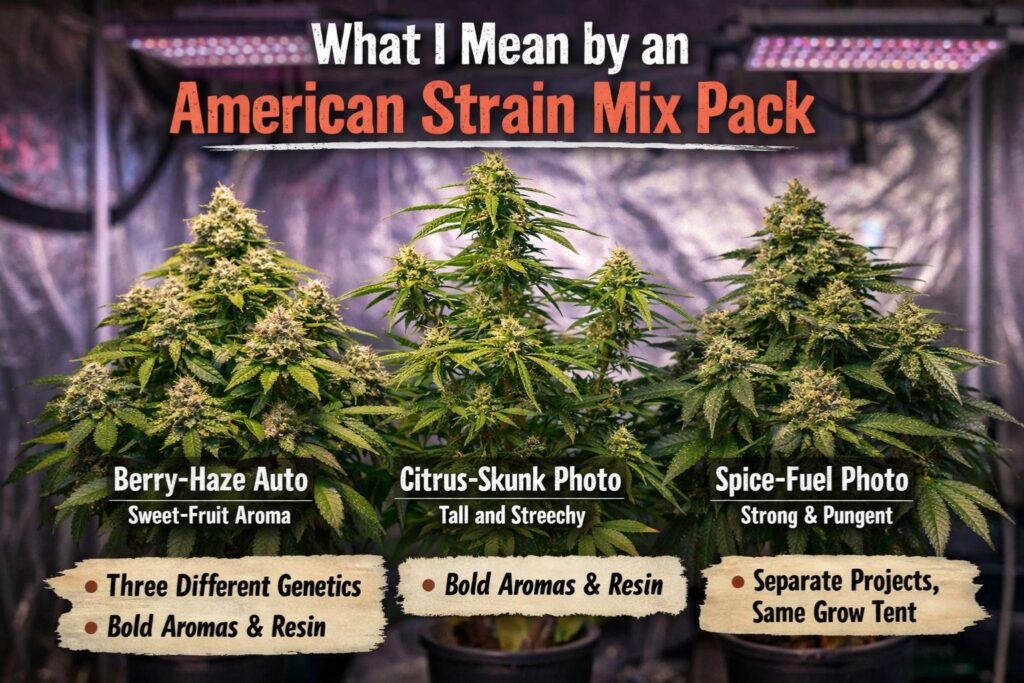
In this American Strain Mixpack Review, “American” is more about modern hybrid style than a map: bold aromas, tight resin coverage, and enough variation to teach you something. In my multi-strain grow journal, I treat a pack like this as three separate projects that happen to share a light.
For clarity, I’ll refer to the three plants I ran as:
- Berry-Haze Auto: quicker finish, sweet-fruit nose
- Citrus-Skunk Photo: biggest stretcher, sharp citrus and gas
- Spice-Fuel Photo: loudest aroma, earthy spice and fuel
I’m not using famous cultivar names here on purpose. What matters for a grower is how the genetics behave in your environment.
Genetics and phenotype variation: what I saw
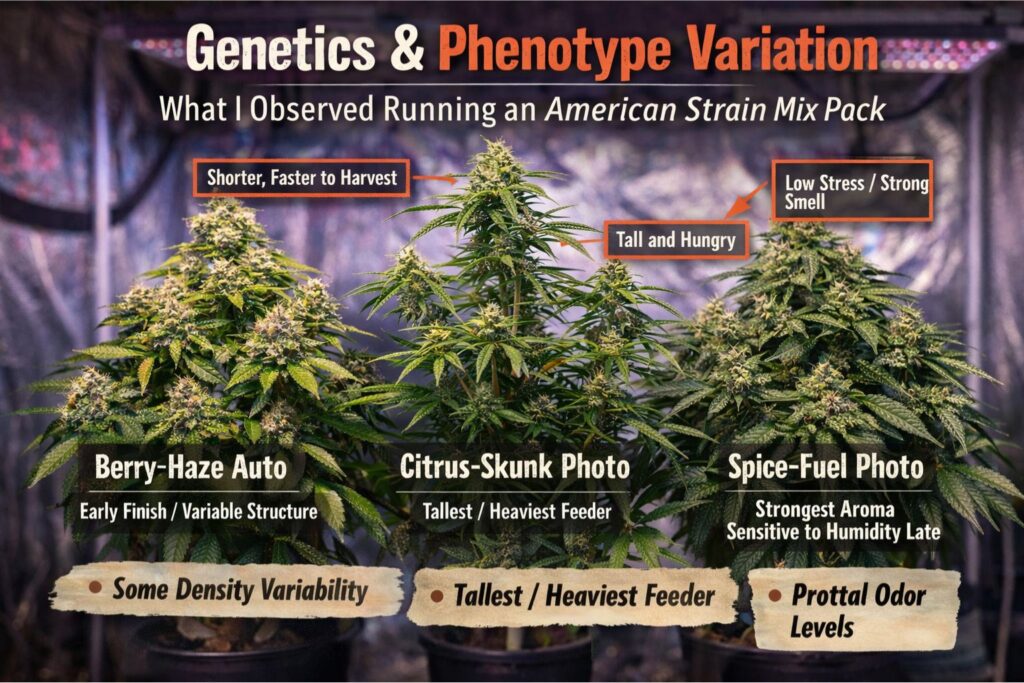
Every American Strain Mixpack Review has some phenotype spread. That’s normal, especially with small-batch cannabis genetics. On my first run, the Berry-Haze Auto finished earlier than the two light-cycle plants, but it also showed more branch-to-branch variation in flower firmness.
What I watch for with small-batch cannabis genetics:
- Stretch timing and final height
- Feed sensitivity (one plant can scorch while another asks for more)
- Flower structure (dense clusters vs longer spears)
- Smell intensity (one plant can dominate the room)
Keeping a multi-strain grow journal makes these patterns obvious, and it helps you choose what to rerun.
Effects: what I experienced and how I test
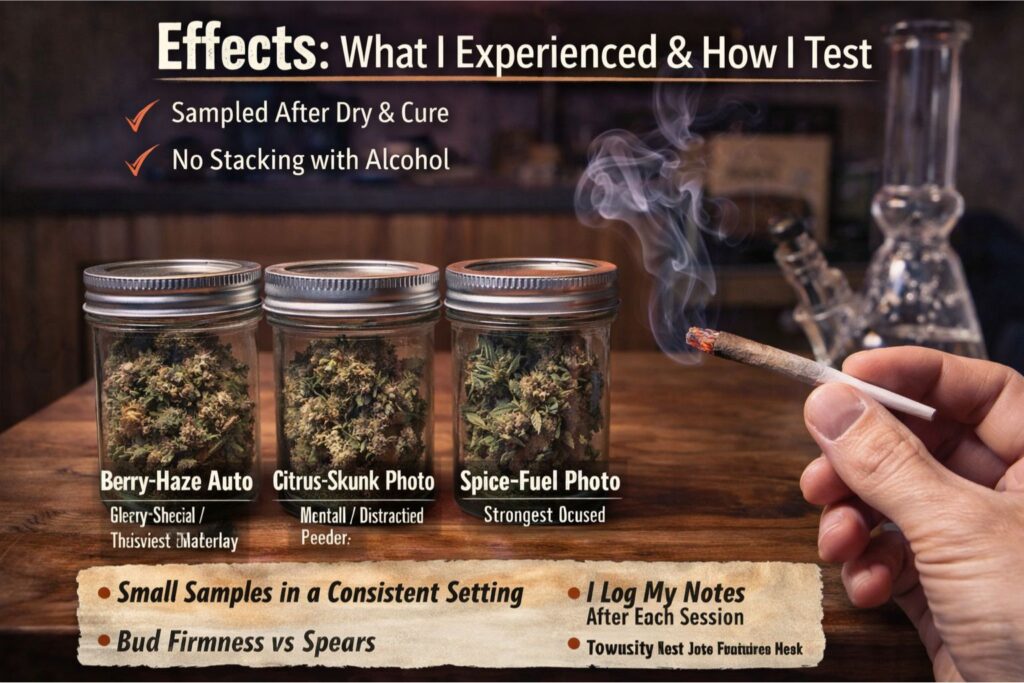
Effects are personal, and they change with harvest timing and cure. For this American Strain Mixpack Review, I dose-tested the same way I always do: small sample, consistent setting, and no stacking with alcohol.
What stood out:
- Berry-Haze Auto leaned into clear-headed uplift. For me it matched daytime sativa-leaning effects: social, lighter body feel, easy to stay on task. I logged those daytime sativa-leaning effects again after cure, which is when this profile felt the most consistent.
- Citrus-Skunk Photo was the most mentally “active.” At higher doses it became distracting, so I kept it low.
- Spice-Fuel Photo leaned heavier and more settling. Not a knockout, but the most body-forward of the three.
I’m describing what I felt, not promising outcomes. If you’re sensitive to THC, start low and give it time.
Flavor and aroma: my terpene notes from plant to jar
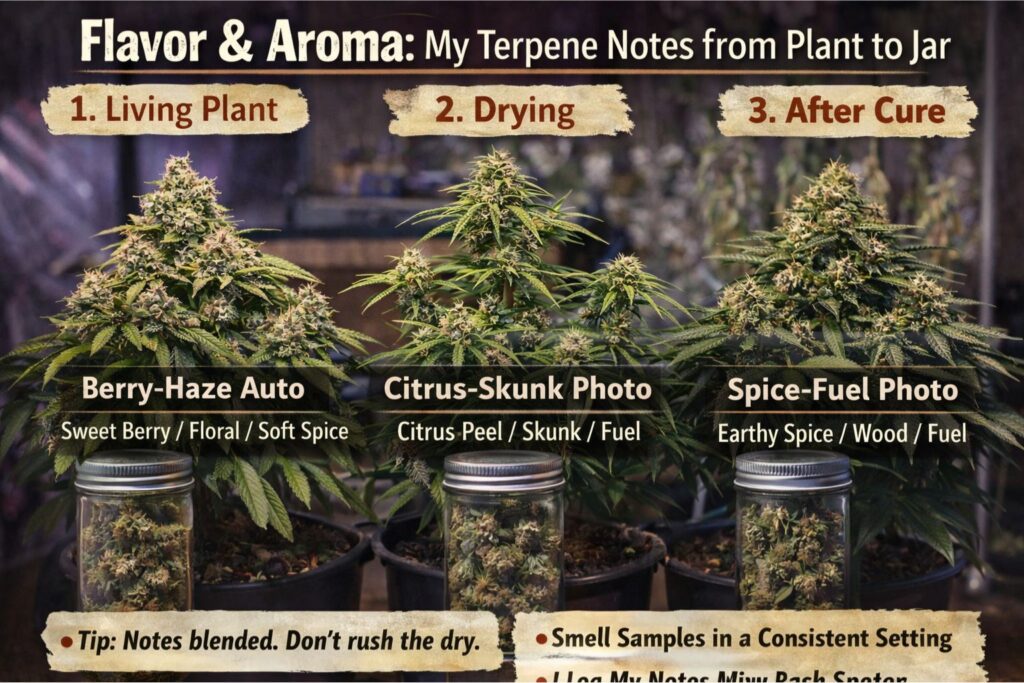
I judge aroma in stages: living plant, dry room, and jar at week three of cure. That’s where terpene-led flavor notes become repeatable instead of sharp and green.
My terpene-led flavor notes for this American Strain Mixpack Review:
- Berry-Haze Auto: sweet berry upfront, floral mid, soft spice on the finish
- Citrus-Skunk Photo: citrus peel, sharp skunk, then a gassy back end
- Spice-Fuel Photo: earthy spice, wood, and a persistent fuel note
If you care about flavor, don’t rush the dry. Most “bad taste” complaints come from drying too warm, too fast, or storing too wet.
My grow setup and targets
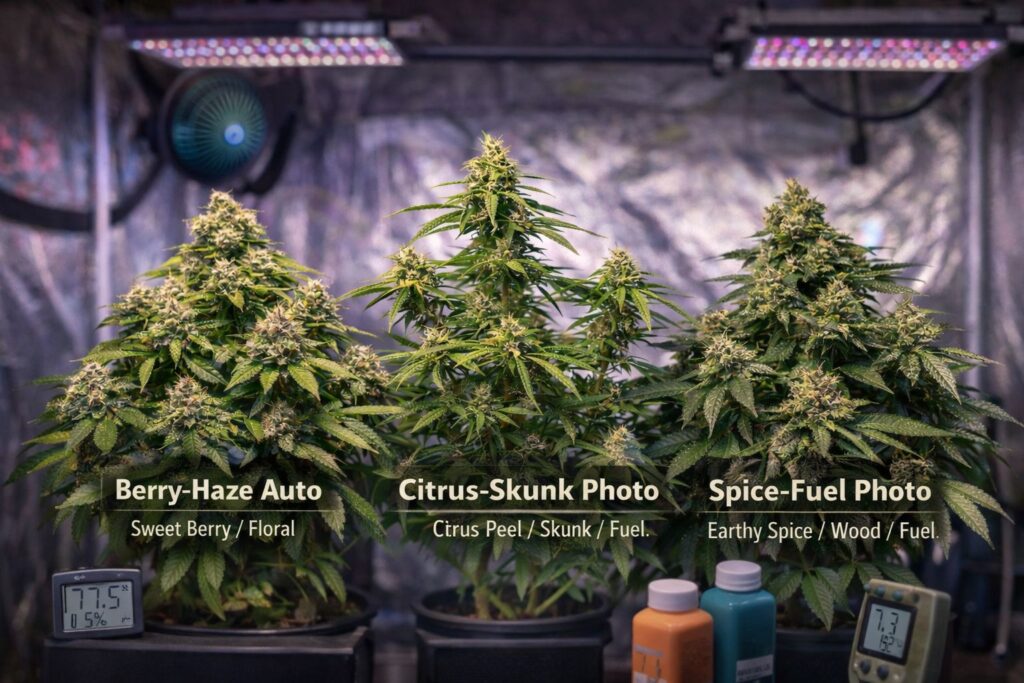
I ran these plants in coco on the first round and living soil on the second, which gave me a real soil-to-hydro comparison. Coco let me steer fast and correct mistakes quickly. Living soil simplified feeding once it stabilized, but it punished overwatering.
Light and PPFD
My lights are LED and I measure with a meter. For PPFD targets for flowering, I stay conservative early, then climb only if leaves stay happy.
Practical PPFD targets for flowering that worked for this American Strain Mixpack Review:
- Early flower: 600–750 PPFD at the canopy
- Mid flower: 750–900 PPFD if temperature and humidity are stable
- Late flower: hold steady and protect aroma
If you run high PPFD without the right environment, you’ll see canoeing, bleaching, or stalled aroma. PPFD targets for flowering only matter when the rest of the room can keep up.
Temperature, humidity, and VPD
I use a VPD chart for cannabis as a guide. The goal is steady transpiration with low mold pressure.
My VPD chart for cannabis approach:
- Veg: warm enough to grow fast, humid enough to keep leaves relaxed
- Flower: gradually lower RH as buds thicken
- Late flower: prioritize mold prevention
Using a VPD chart for cannabis helped me diagnose why one plant drank slowly: it was transpiring less because the room was too humid when lights went off.
Feeding notes (coco run)
I don’t chase maximum EC. I watch leaf tips, plant posture, and how fast the pot dries. Mixed genetics often need separate feed buckets if you want everything perfect. If you can’t do that, feed for the most sensitive plant and accept that the heavy feeder won’t be maxed.
Training and indoor canopy management
A mix pack can go wrong fast if one plant stretches and shades the rest. I treat indoor canopy management as non-negotiable.
What worked for indoor canopy management in this American Strain Mixpack Review:
1) Top the two light-cycle plants once they’re established
2) Use gentle tie-downs to keep a flat canopy
3) Defoliate lightly, more than once, instead of stripping everything at once
4) Keep airflow under and through the canopy
On my second run, indoor canopy management improved enough that lower buds finished better. Good indoor canopy management also makes your light readings meaningful because the canopy is even.
Odor and risk management
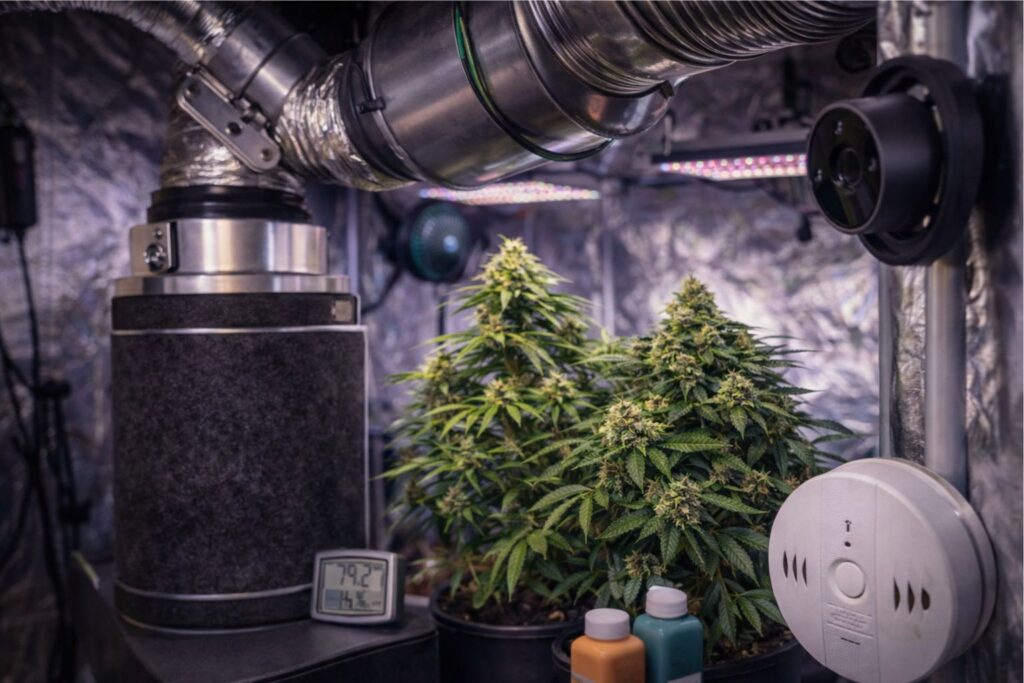
This American Strain Mixpack Review had one plant that was aggressively loud. If you grow indoors, plan odor control in a grow tent before flower starts. A good carbon filter, sealed ducting, and negative pressure are not optional if smell matters.
My odor control in a grow tent checklist:
- Oversize the carbon filter relative to tent volume
- Run the fan continuously in flower
- Keep duct runs short and straight
- Replace pre-filters and don’t wait until the filter is exhausted
Odor control in a grow tent also supports humidity control because it keeps air exchange consistent.
Harvest timing: how I decide
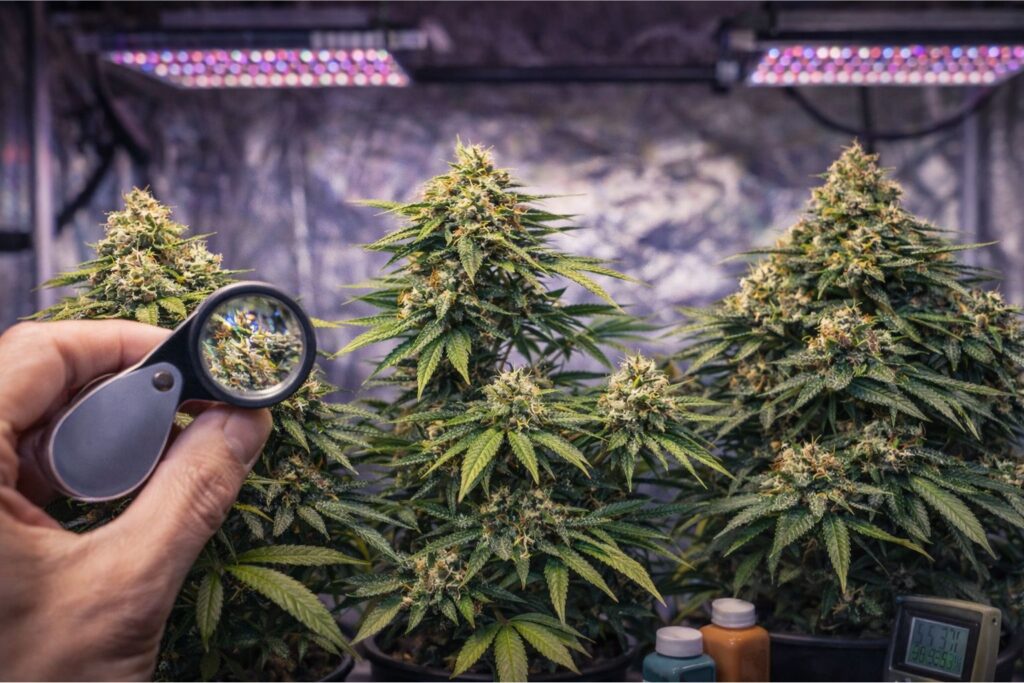
I don’t harvest by calendar alone. I harvest by resin maturity and overall plant fade. On this American Strain Mixpack Review, one light-cycle plant needed an extra week to deepen aroma.
My rule of thumb:
- More milky resin heads tends to feel balanced
- More amber tends to feel heavier, but it can mute the brightest top notes on some cultivars
Drying and curing: my repeatable process
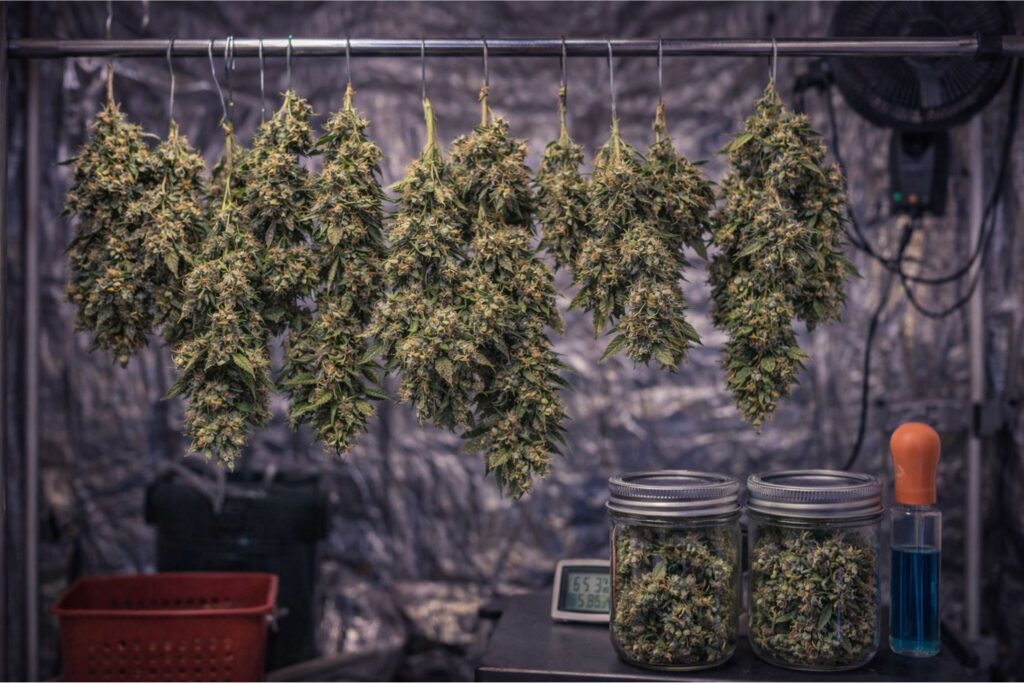
This is the part that turns decent weed into great weed. I follow the same drying and curing checklist every run.
Drying and curing checklist (dry phase):
- Aim for 15–20°C with gentle airflow
- Keep RH around 50–60%
- Hang whole branches when possible
- Avoid direct fan blast on buds
Drying and curing checklist (jar phase):
- Jar only when small stems snap, not bend
- Use clean glass and don’t overpack
- “Burp” briefly for the first 10–14 days
- If buds feel damp again, air them out before re-jarring
I repeat the drying and curing checklist because most harshness comes from rushing. A steady dry preserved my terpene-led flavor notes across this American Strain Mixpack Review far better than any nutrient tweak.
Who this pack is best for
From my multi-strain grow journal perspective, this American Strain Mixpack Review is best for:
- Growers who want to learn their room quickly
- Anyone choosing between uplifting vs heavier effects
- People who want to compare aromas and structure side by side
If you want uniform plants, pick a single cultivar instead. An American Strain Mixpack Review is about sampling, learning, and then rerunning the winner.
Shopping and starting seeds: practical advice without hype
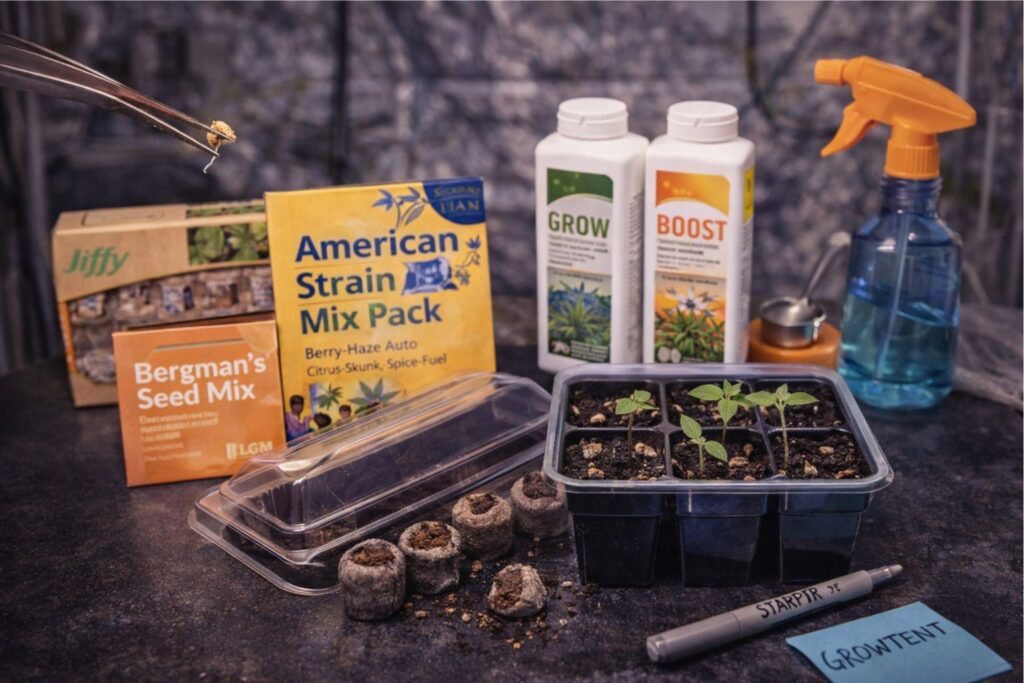
If you plan to order cannabis seeds online, do two things first: confirm local rules and plan your grow space. A mix pack tempts you to start too many plants.
My starting plan:
- Start fewer seeds than you think you want
- Keep notes like a multi-strain grow journal from day one
- Decide whether you want a true soil-to-hydro comparison or a single method
- Build odor control in a grow tent into the plan if you grow indoors
When I shop an online seed shop, I look for clear descriptions, stable packaging, and straightforward shipping policies.
FAQ: quick answers to common grow and seed questions
What’s the simplest way to start cannabis seeds?
Use a clean method that keeps seeds warm and lightly moist, then move them gently into your medium as soon as a taproot shows. The biggest beginner mistake is overwatering right after planting.
What light timing should I use for indoor weed?
For vegetative growth, growers typically run longer light periods. To trigger flowering on light-cycle plants, you switch to equal light and dark. Autos are more flexible and can flower under longer light periods.
What are realistic PPFD targets for flowering in a tent?
Use PPFD targets for flowering as a range, then watch leaf response. If your room runs hot or humid, stay on the lower end. PPFD targets for flowering are only useful when temperature and RH are stable.
How do I use a VPD chart without overthinking it?
Pick a VPD chart for cannabis and use it to understand trends. Slow drinking and heavy leaves can mean the air is too humid or too cool. Fast drinking and crispy tips can mean the air is too dry or the light is too intense.
Soil or coco for beginners?
Coco behaves like a soil-to-hydro comparison style: it rewards consistency and regular feeding. Soil can be simpler day-to-day, but you can still cause problems by overwatering. Try both in small pots if you want a real soil-to-hydro comparison in your own room.
How long should I dry and cure marijuana for best flavor?
Plan for a slow dry and a multi-week cure. Follow a drying and curing checklist so you don’t trap moisture. That’s the easiest path to cleaner smoke and more consistent terpene-led flavor notes.
Closing thoughts from my grow room
This American Strain Mixpack Review is a good way to learn what you actually like: how a plant grows, how it smells in late flower, and how it tastes after a proper cure. Keep a multi-strain grow journal, practice indoor canopy management, use PPFD targets for flowering and a VPD chart for cannabis as guardrails, and don’t skip odor control in a grow tent. Most importantly, follow a drying and curing checklist and give the jars time.
That’s how I got the cleanest flavor and the most predictable daytime sativa-leaning effects from this American Strain Mixpack Review.
In my room, consistency beats intensity every single time.
