Table of Contents
I’m writing this American Kush Strain Review as a hands-on grower who took the plant from seed to cured jars under LED. “American Kush” can vary by breeder, so I treat it like a Kush-leaning hybrid style and judge it by what shows up in the room: structure, feeding tolerance, finish time, and terpene expression. If you’re looking for a single, practical takeaway from this American Kush Strain Review, it’s this: consistent climate control and a slow dry do more for quality than any last-minute additive.
This is cannabis content for adults in legal markets. I’ll use cannabis, marijuana, and weed naturally because growers search with all three terms.
Before I flipped to flower, I re-read my notes from the previous run and set alarms for irrigation and dehumidifier checks. That discipline is what turned this American Kush Strain Review into repeatable results instead of a lucky harvest alone.
What I grew and why the “label” isn’t the whole story
I ran three seeds sold as American Kush. Even in one pack, I saw clear American Kush strain phenotypes: one short and chunky, one medium and balanced, and one taller with more stretch. Those American Kush strain phenotypes are normal for seed-grown plants, and they’re the main reason I recommend starting more than one seed if you want a uniform canopy or you’re hunting a keeper.
Here’s what I generally expect when it’s grown well: solid veg vigor, strong stems for training, compact flowers with good humidity control, and an earthy-pine-citrus aroma.
I’ll reference my American Kush strain grow diary targets throughout so you can copy the numbers and adjust for your space.
Genetics
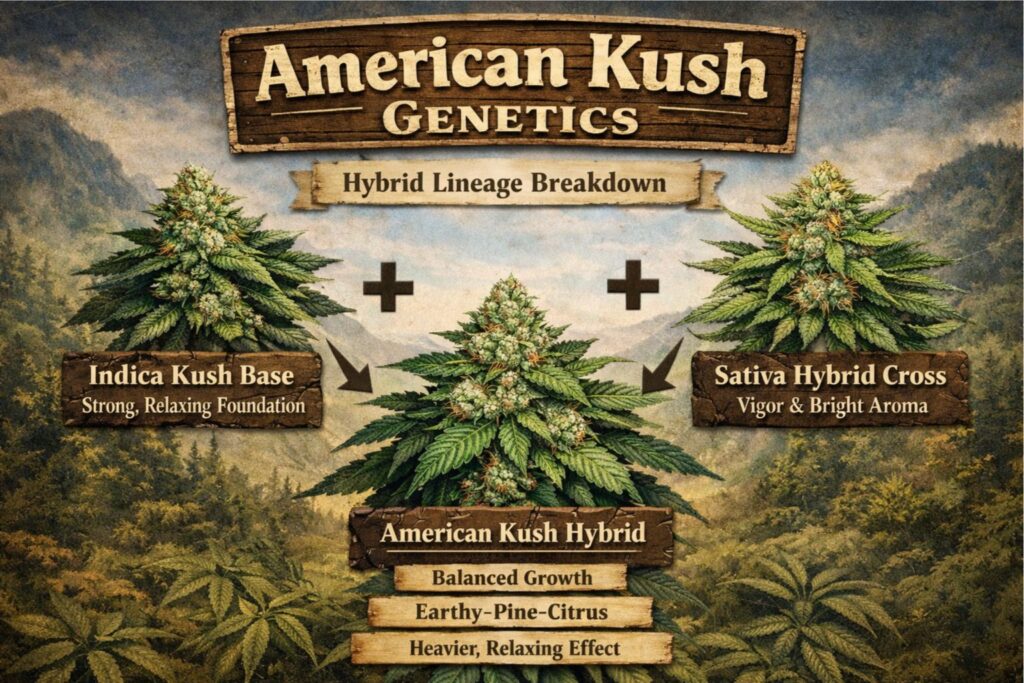
“Kush” usually means sturdy growth and a heavier, grounded vibe. “American” versions are often hybrids that keep the Kush backbone while adding vigor or brighter aroma. Since full lineage isn’t always listed, I focus on what you can verify: stretch, leaf shape, and feeding tolerance.
Effects and duration: my notes (no promises)
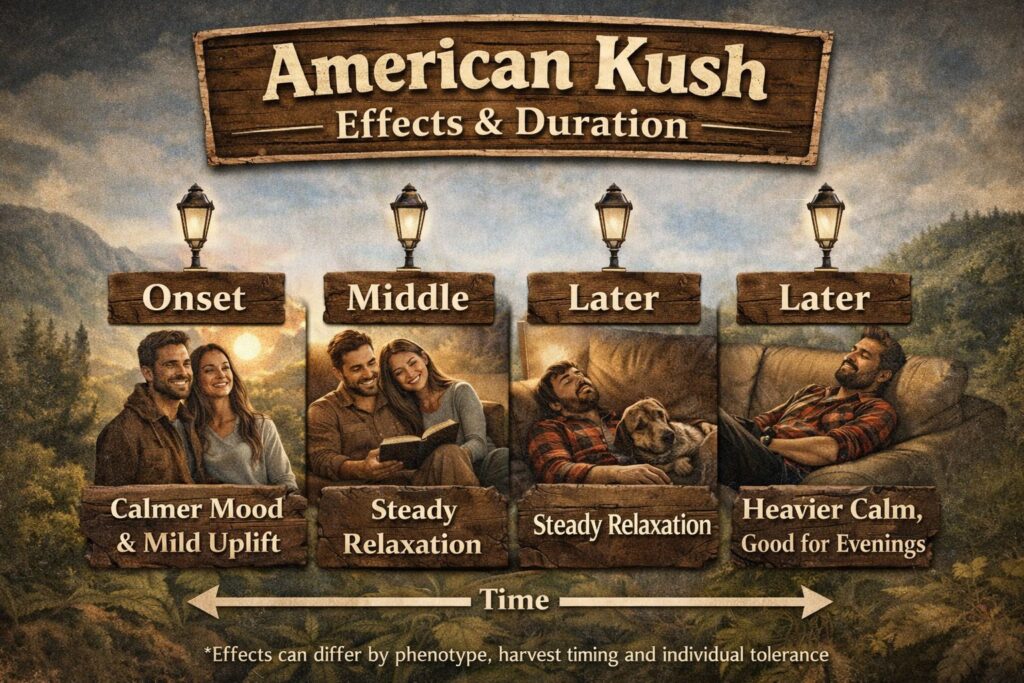
People search for American Kush strain effects and duration, but the honest answer is that it varies by person, dose, tolerance, and harvest timing. I’m not making medical claims. I’m sharing my own experience and what a couple trusted friends reported after small, cautious samples.
My typical pattern was:
- Onset: a calmer mood and mild uplift
- Middle: steady relaxation without getting stuck right away
- Later: heavier calm that fits evening weed better than a busy daytime schedule
Across the three plants, the taller expression felt more “heady,” while the chunky one leaned more body-forward. That’s another reason American Kush strain phenotypes matter.
If you’re tracking American Kush strain effects and duration for your own use, write down your harvest timing and cure length. Those two variables can change the feel as much as the genetics.
Flavor and aroma: what I actually tasted
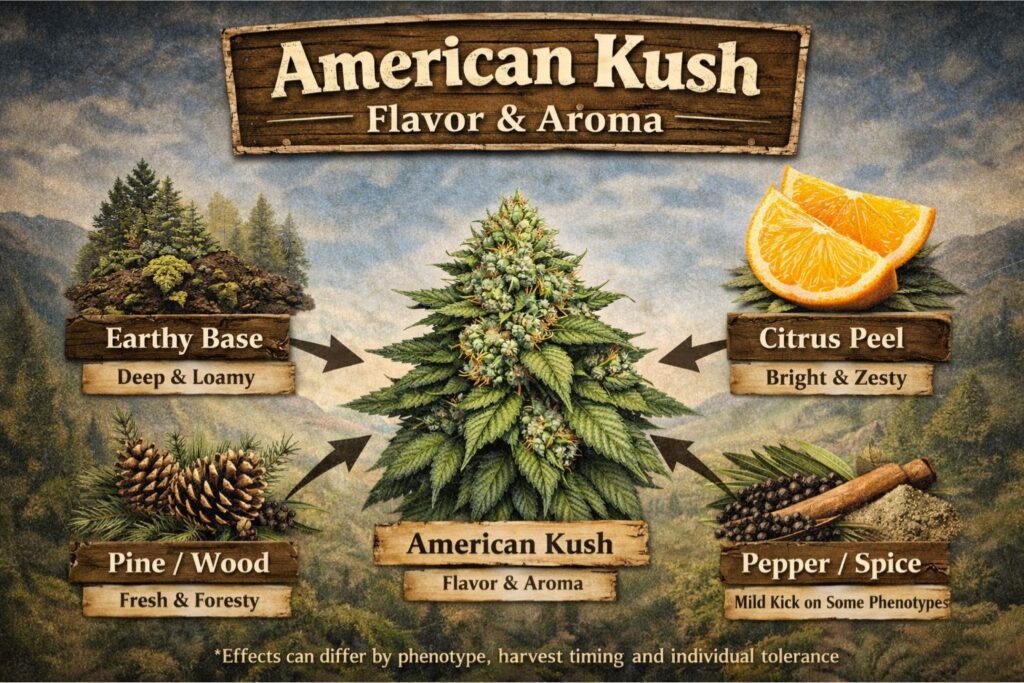
I don’t judge taste right after drying. I wait for a cure to settle the profile. With a proper cure, my American Kush strain flavor profile stayed consistent in the base notes, with some variation in the top notes depending on the plant.
What I got most often:
- Earthy, slightly musky base
- Pine/wood mid-notes
- Citrus peel on the finish, especially after a longer cure
If you want a clearer picture, I’ll also give an American Kush strain terpene breakdown based on aroma and flavor cues, not lab testing. My American Kush strain terpene breakdown, in plain grower language, is “earth + pine + citrus” with a little peppery edge on some phenos. If your American Kush strain terpene breakdown seems flat, the cause is usually drying and storage, not the seed alone.
To repeat for searchers: my American Kush strain flavor profile improved the most after a slow dry and a patient cure.
My grow setup (indoor) and why it matters
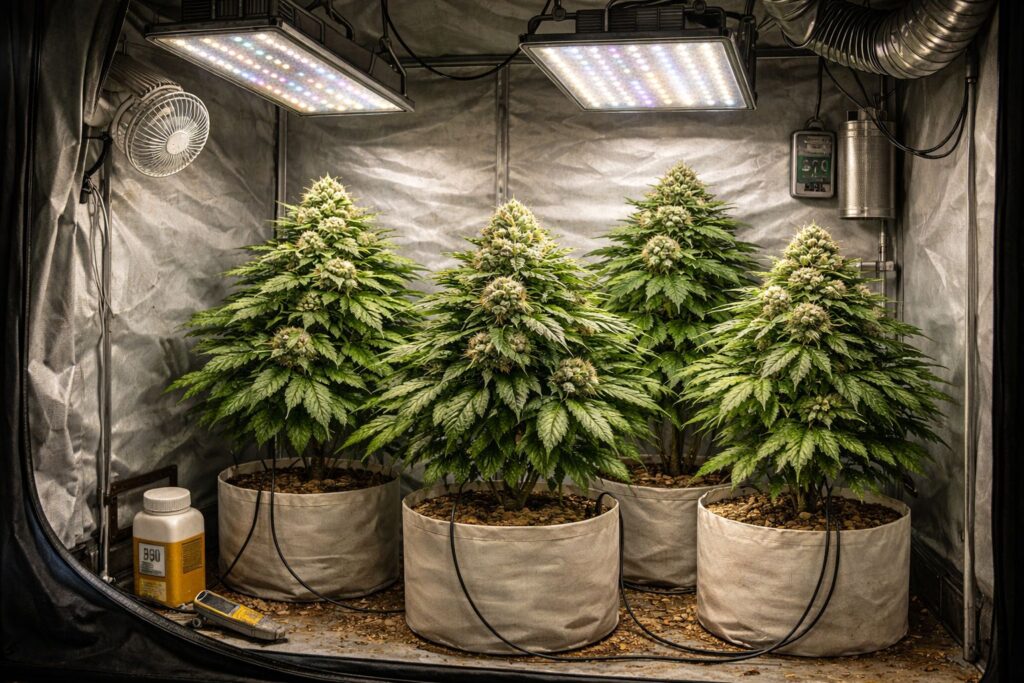
This American Kush strain grow diary was done in coco with perlite, automated drip, and LED fixtures. I’ve also grown similar Kush-leaning marijuana cultivars in soil; both can work. Coco just shows mistakes faster, which helps when you’re dialing targets.
Baseline room goals: veg 24–27°C (nights 20–22°C), flower 23–26°C (nights 19–21°C), strong air exchange, and gentle canopy movement.
Light: American Kush strain indoor LED targets and PPFD ranges
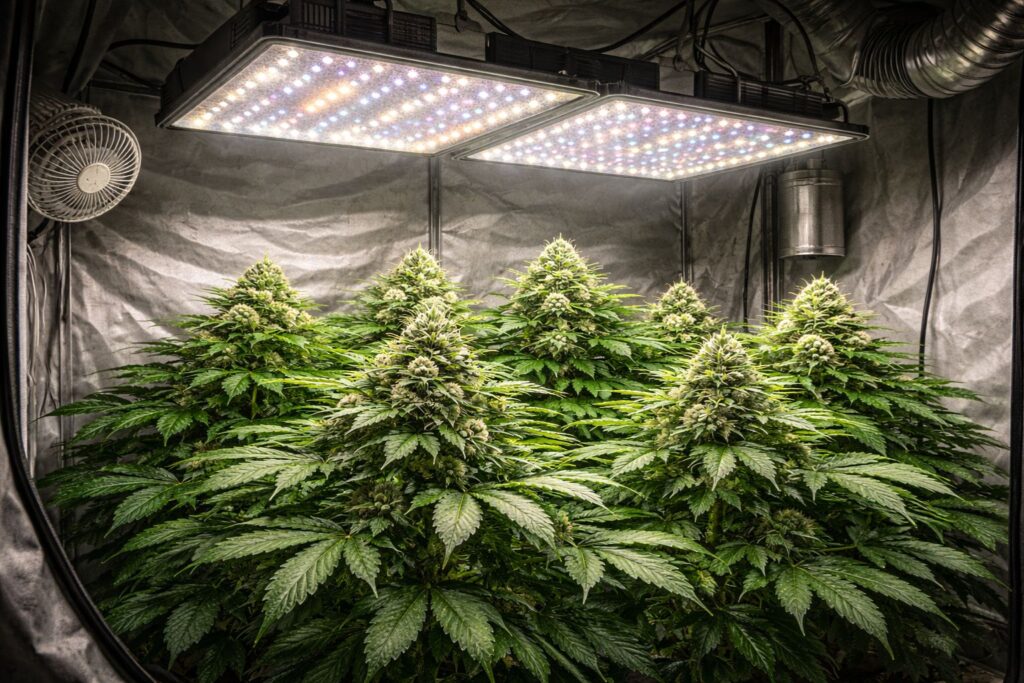
If you’re searching American Kush strain indoor LED targets, here are the PPFD ranges that kept my plants happy without pushing stress. I ramped intensity slowly.
- Seedlings: 200–300 PPFD
- Early veg: 350–500 PPFD
- Late veg: 500–650 PPFD
- Early flower: 600–750 PPFD
- Mid flower: 750–900 PPFD
- Late flower: 650–800 PPFD based on leaf response
Those American Kush strain indoor LED targets worked best when my environment was stable and the plants were drinking normally. If leaves “taco,” lighten up on intensity and fix heat or dryness before you blame nutrients.
Photoperiod: 18/6 in veg, 12/12 in flower. I’m strict about darkness because light leaks can stress cannabis and cause uneven flowering.
VPD basics
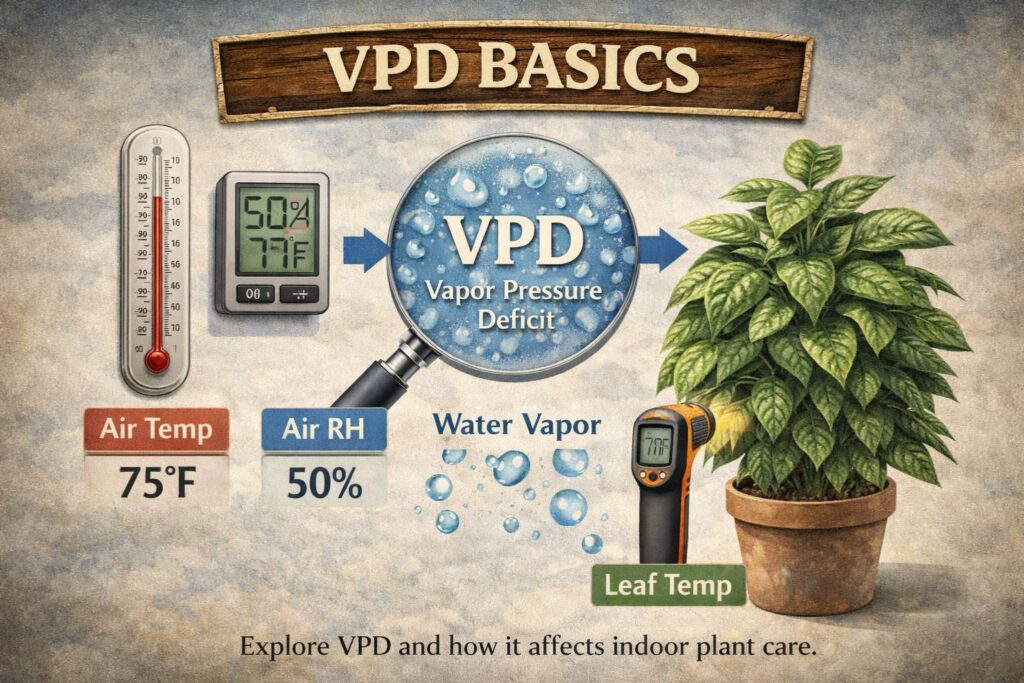
I use VPD ranges to keep transpiration predictable.
My targets:
- Veg: 0.9–1.2 kPa
- Early flower: 1.1–1.3 kPa
- Late flower: 1.2–1.5 kPa while keeping the canopy dry after watering
This matters because tight flower structure is less forgiving if humidity stays high late in bloom.
Training: American Kush strain stretch control
American Kush strain stretch control is mostly about timing. I trained all three plants similarly at first, then adjusted once each phenotype showed its habit.
What worked consistently:
- Top once above the 5th–6th node when the plant is growing fast
- Use low-stress ties early to open the center
- Put a net in before flip so you can steer the canopy during stretch
- Clean the lower third before week 2 of flower
For American Kush strain stretch control, the taller plant needed earlier tie-down and slightly more distance from the light during the first two weeks of flower. The shorter plant needed more airflow through the middle, so I removed a few inner fan leaves.
If you’re in a small tent, the net does most of the work. Do the shaping early and it stays easy.
Feeding: American Kush strain feeding schedule EC (coco)
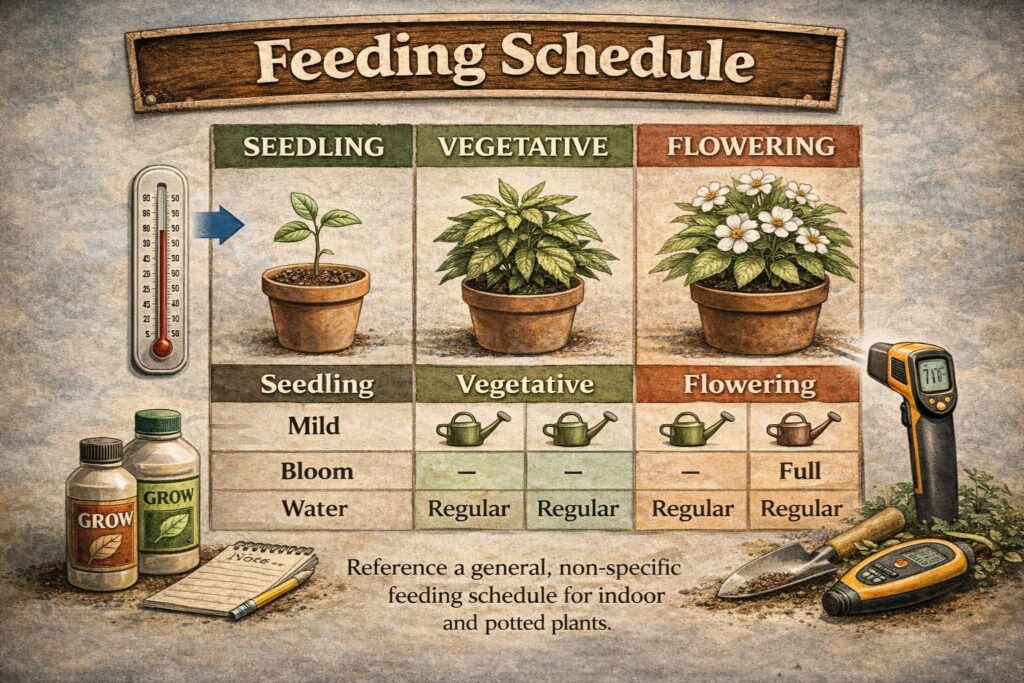
Kush-leaning weed can be sensitive if you push feed too hard. My American Kush strain feeding schedule EC is for coco. Soil growers can use the same idea (start moderate, watch the plant), but don’t copy the numbers blindly.
My EC ranges:
- Early veg: 1.2–1.5
- Late veg: 1.4–1.7
- Early flower: 1.6–1.9
- Mid flower: 1.8–2.2
- Late flower: adjust down if tips burn or leaves stay too dark
I track runoff EC and leaf tips. In this pack, the taller expression tolerated slightly higher EC, while the short one showed tip stress sooner. That’s normal variation across American Kush strain phenotypes.
If you’re troubleshooting, the most common issue I see is overfeeding that looks like a deficiency. When runoff climbs and tips crisp, back off and confirm your environment isn’t too dry.
Flower timing and the American Kush strain harvest window
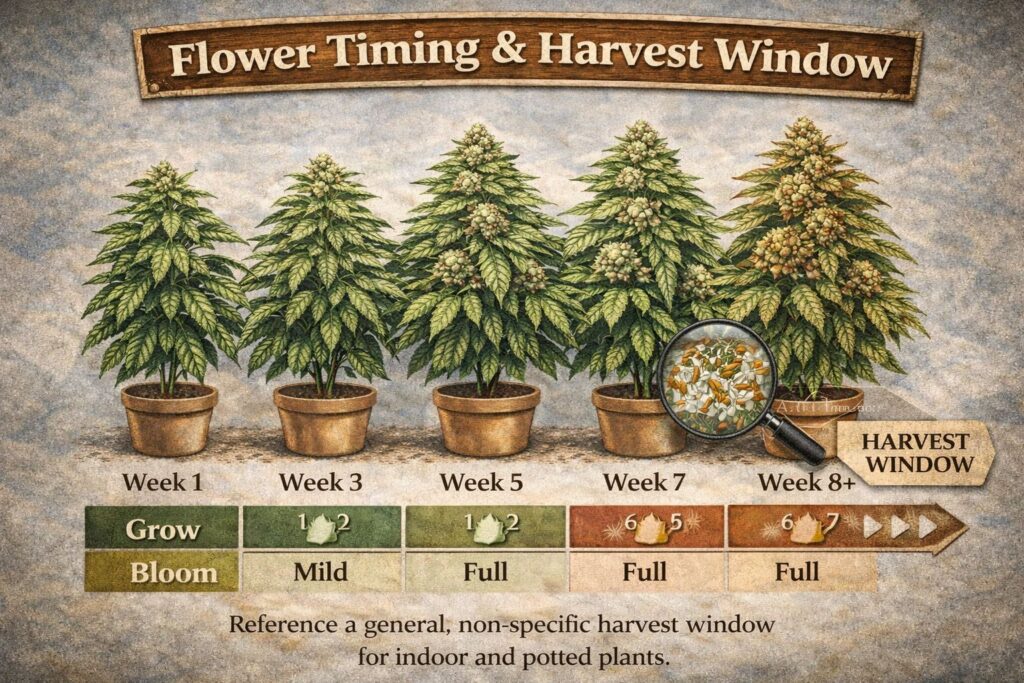
If you’re searching for an American Kush strain harvest window, here’s what I saw under 12/12:
- Flower set becomes obvious around days 10–14
- Bulk stacking ramps up in weeks 4–6
- Ripening is usually weeks 7–9
- I harvested between day 56 and day 67, depending on the plant
So my American Kush strain harvest window was a range, not a single date. I use a loupe and look for mostly milky trichomes with a little amber mixed in, then I also judge aroma and calyx swelling. If you prefer a clearer feel, harvest on the earlier side of the American Kush strain harvest window. If you prefer heavier evening marijuana, wait longer.
Yield expectations: what’s realistic in a home grow
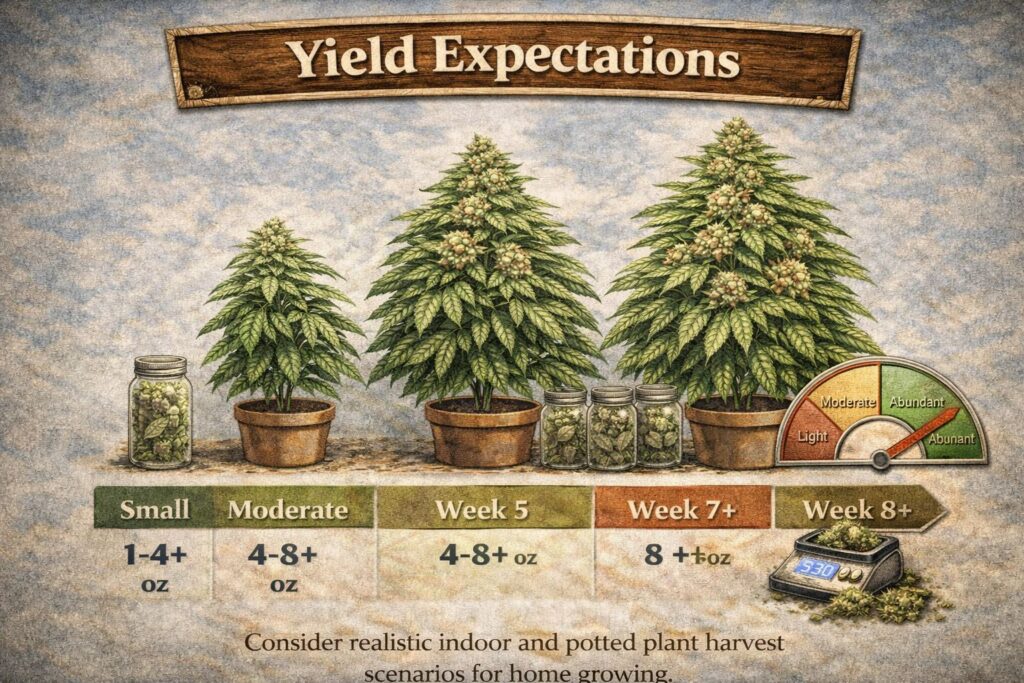
Yield depends on canopy, light, and stability. In my run, the taller plant made more tops; the shorter plant made denser individual flowers.
If you want more yield without changing genetics:
- Keep an even canopy with early training
- Maintain steady VPD and strong airflow
- Avoid stress in the first 3 weeks of flower
- Don’t overfeed late flower trying to “force” weight
IPM: my basic pest routine
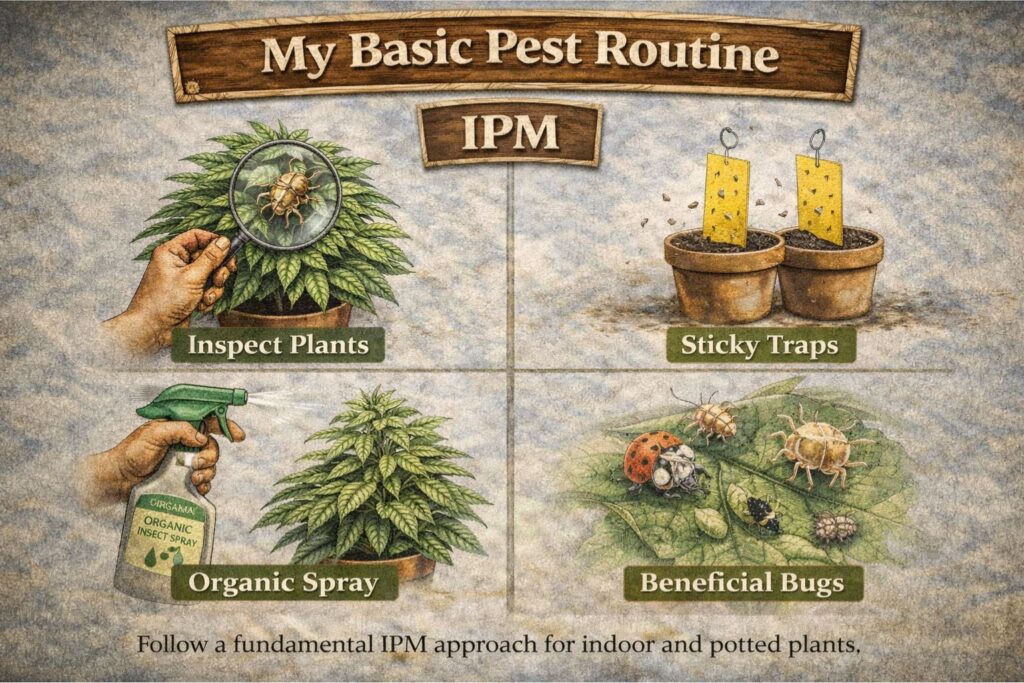
I do integrated pest management every run, even when I see nothing.
My baseline routine: weekly leaf checks, sticky traps, quick cleanup of dead leaves, quarantine for new plants, and steady airflow.
Drying and curing: American Kush strain drying and curing
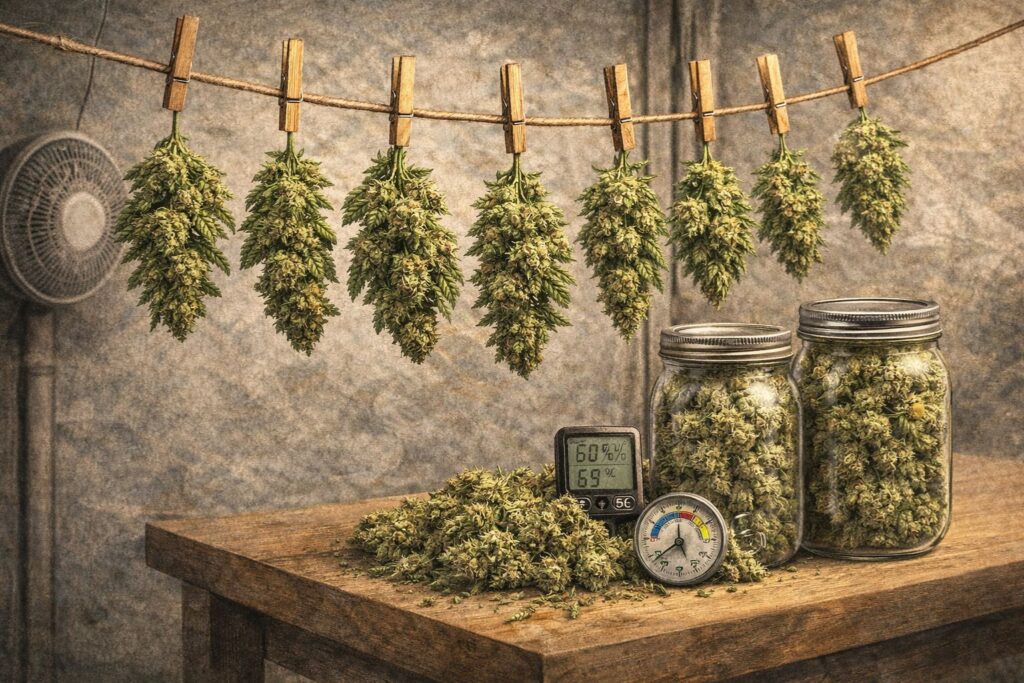
Drying is where quality is either protected or lost. My American Kush strain drying and curing routine is simple and consistent.
Drying targets:
- Temperature: 18–20°C
- RH: 55–60%
- Airflow: gentle, never directly on buds
- Time: 10–14 days until small stems snap
Then I jar and cure:
- Week 1: brief burps once or twice daily
- Week 2: burp every other day
- Weeks 3–4: burp only if buds feel too moist
Following this American Kush strain drying and curing routine is what brought my American Kush strain flavor profile back after dry-down, and it’s why my American Kush strain terpene breakdown felt clearer by week 3 of cure.
Seed shopping notes (non-legal-advice tone)
If you’re wondering where to buy American Kush seeds online, I can’t give legal advice, and you should verify your local rules before ordering or growing cannabis. What I can share is how I evaluate seed sources and listings.
When I’m deciding where to buy American Kush seeds online, I look for transparent breeder info, consistent grow photos from real growers, and clear shipping policies. Choose feminized photoperiod for predictability, regular for breeding projects, or autoflower for speed (less forgiving early).
If you still feel stuck on where to buy American Kush seeds online, focus on breeder consistency and customer support, not just the strain name.
FAQ
What should I expect for American Kush strain effects and duration?
For American Kush strain effects and duration, expect a calm uplift that can lean heavier later, especially with later harvest and longer cure. Start small, take notes, and remember that American Kush strain phenotypes can change the feel.
What is a realistic American Kush strain harvest window indoors?
My American Kush strain harvest window was day 56–67 after flip. Use that as a guide, then confirm ripeness with a loupe and overall plant finish.
What are good American Kush strain indoor LED targets for a simple setup?
My American Kush strain indoor LED targets peaked around 750–900 PPFD in mid flower when the room was stable. If your environment is hot or dry, run the lower end.
How do you handle American Kush strain stretch control in a short tent?
For American Kush strain stretch control, top early, tie down before flip, and use a net during weeks 1–2 of flower. Fixing height late is harder than guiding it early.
What does your American Kush strain feeding schedule EC look like in coco?
My American Kush strain feeding schedule EC ranged from 1.2–1.7 in veg and 1.6–2.2 in flower, adjusted by tip response and runoff. Start lower and increase slowly.
Why does my American Kush strain flavor profile seem weak?
Most often, the dry was too fast or too warm. Follow a slow American Kush strain drying and curing routine, then give it time. Flavor and aroma develop during cure.
Any tips on where to buy American Kush seeds online?
If you’re comparing where to buy American Kush seeds online, prioritize breeder transparency, consistent grow reports, and clear shipping policies. Then run more than one seed so you can select the best American Kush strain phenotypes for your space.
Final grower note
This American Kush Strain Review is based on one controlled indoor run, and your results can differ by environment, medium, and the specific seed line. My American Kush strain grow diary shows that steady climate, sensible light, moderate feed, and careful drying produce the most reliable jars.
For a complete directory of cultivars, visit our Cannabis Strain Reviews.
