Table of Contents
Aloha Punch is a hybrid cannabis strain celebrated for its fruity aroma, tropical punch flavor, and balanced effects. Believed to be a phenotype or descendant of strains like Hawaiian and Purple Punch, Aloha Punch captures the essence of island vibes with a high that blends relaxation and euphoria. This strain has found its place among users seeking stress relief, mood enhancement, and moderate pain control—while enjoying a flavorful and aromatic experience. This report offers a detailed, evidence-based exploration into its chemistry, cultivation, and applications.
Genetic Lineage and Breeding
1. Lineage Origins
Although not as well-documented as mainstream strains, Aloha Punch is widely considered a cross between Hawaiian and Purple Punch:
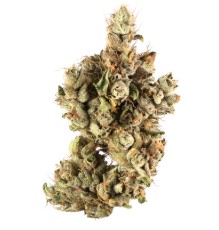
- Hawaiian: A classic sativa-leaning landrace from the Pacific Islands known for its energetic, clear-headed high and sweet pineapple aroma.
- Purple Punch: An indica-dominant hybrid derived from Larry OG and Granddaddy Purple, renowned for its sedative effects and grape-candy flavor.
The combination results in a 50/50 hybrid or slightly indica-dominant strain, depending on the phenotype. Aloha Punch delivers a synergistic mix of uplifting cerebral stimulation and relaxing body calm.
Morphology and Appearance
Aloha Punch typically features:
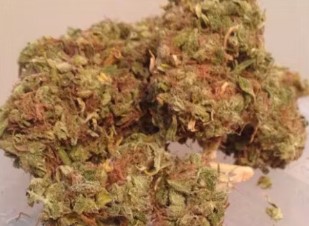
- Dense, conical buds with a compact structure inherited from Purple Punch.
- Deep green to lavender hues in the flowers, especially in cooler grow conditions.
- Trichome-rich surfaces, often sparkling with heavy resin, making it attractive for extraction.
- Bright orange pistils that contrast sharply with the colorful calyxes.
These aesthetic traits make Aloha Punch a standout both in dispensaries and gardens.
Aroma and Flavor Profile
1. Aroma
Aloha Punch’s fragrance is tropical and sweet. Dominant aromatic elements include:
- Pineapple
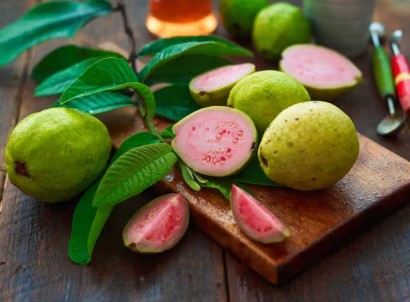
- Guava
- Mango
- Berry undertones
- Hints of grape and earthy spice
Its fruity terpene profile mimics a tropical punch drink, hence the name.
2. Flavor
When combusted or vaporized, users report:
- Sweet berry and pineapple on the inhale
- Grape-candy and citrus zest on the exhale
- Occasionally, an herbal or peppery backnote, depending on cure and phenotype
Terpene Profile
Aloha Punch’s sensory effects are driven by a complex terpene profile, including:
| Terpene | Concentration (approx.) | Effects & Flavor Contributions |
|---|---|---|
| Myrcene | 0.4–0.8% | Sedation, body relaxation, earthy sweetness |
| Limonene | 0.4–0.6% | Elevated mood, citrus aroma |
| Caryophyllene | 0.2–0.4% | Anti-inflammatory, peppery spice |
| Linalool | 0.1–0.3% | Calming, floral notes |
| Humulene | 0.1–0.2% | Appetite suppression, woody aroma |
Terpene Synergy:
- Myrcene + Limonene: In Aloha Punch promotes mood elevation and physical relaxation, ideal for managing stress and depression.
- Caryophyllene in Aloha Punch interacts with CB2 receptors, offering potential anti-inflammatory and analgesic effects without psychoactivity.
Cannabinoid Profile
Typical lab analysis shows the following cannabinoid ranges:
| Cannabinoid | Percentage (Range) | Effects |
|---|---|---|
| THC | 18% – 24% | Euphoria, relaxation, altered sensory perception |
| CBD | <1% (trace) | Minimal, but enhances THC effects in some cases |
| CBG | 0.2 – 0.5% | Neuroprotective, potentially anti-inflammatory |
| CBC | 0.1 – 0.3% | May support mood and pain modulation |
| THCV | 0.05 – 0.2% | Appetite suppression, mild stimulation in low doses |
Aloha Punch is THC-dominant, making it best suited for users seeking euphoric or analgesic effects rather than strictly medical CBD benefits.
Medical Applications
Aloha Punch, a hybrid strain with a THC range of 18–24% and a moderate terpene profile (notably myrcene, limonene, caryophyllene, and linalool), offers broad-spectrum therapeutic effects. While not high in CBD, its entourage synergy provides utility in treating mood disorders, mild to moderate pain, inflammation, insomnia, appetite loss, and neurobehavioral symptoms.
The following sections break down its use in specific clinical categories and the biochemical rationale behind its effectiveness.
Neurological and Psychiatric Disorders
1. Depression and Anhedonia
- Primary Components Involved: THC, limonene, myrcene, linalool
- Mechanism:
- THC stimulates CB1 receptors in limbic regions (e.g., amygdala, nucleus accumbens), boosting dopamine transmission, which is often deficient in depression.
- Limonene has been shown to modulate serotonin 5-HT1A receptors, enhancing serotonergic tone—comparable to some SSRIs.
- Linalool may increase GABAergic signaling, creating an anxiolytic, calming effect that counteracts depressive agitation.
- Clinical Implications:
- Alleviates mood flattening
- Enhances reward sensitivity (hedonic tone)
- Reduces psychomotor retardation
2. Anxiety and Stress-Related Disorders (including PTSD)
- Primary Components: THC (low dose), linalool, myrcene, caryophyllene
- Mechanism:
- Low-dose THC is anxiolytic via CB1 activation in the prefrontal cortex and hippocampus.
- Linalool and myrcene dampen neuronal excitability via GABA modulation and NMDA antagonism.
- Caryophyllene binds to CB2 receptors, regulating inflammatory cytokines that may contribute to chronic stress and neuroinflammation.
- Clinical Use Cases:
- Acute stress, social anxiety
- Nightmares and hyperarousal in PTSD
- Emotional regulation in generalized anxiety disorder (GAD)
Caution: Higher doses of THC may be anxiogenic in some individuals due to CB1 overstimulation in the amygdala.
Pain and Inflammation
1. Chronic Pain (Neuropathic and Nociceptive)
- Primary Components: In Aloha Punch, THC, CBG, caryophyllene, myrcene
- Mechanism:
- THC activates CB1 receptors in the CNS to inhibit nociceptive transmission (pain signals).
- CBG acts on α2-adrenergic receptors and 5-HT1A, modulating both pain and inflammation.
- Caryophyllene (a dietary cannabinoid) acts as a selective CB2 agonist, reducing peripheral inflammation without psychoactivity.
- Myrcene may inhibit prostaglandin synthesis via COX inhibition—similar to NSAIDs.
- Effective For:
- Fibromyalgia
- Migraine
- Lower back pain
- Neuropathic pain (e.g., diabetic neuropathy, post-herpetic neuralgia)
2. Inflammatory Conditions
- Relevant Components: Caryophyllene, CBG, THC
- Mechanism:
- CB2 activation on immune cells inhibits pro-inflammatory cytokines (IL-6, TNF-α, IL-1β).
- This can modulate systemic or localized inflammation, e.g., in arthritis, inflammatory bowel disease, or post-surgical swelling.
Gastrointestinal Disorders
1. Appetite Stimulation (Cachexia, Anorexia, Chemotherapy-Induced Anorexia)
- Primary Components: THC, myrcene
- Mechanism:
- THC binds CB1 receptors in the hypothalamus, stimulating ghrelin release, which triggers hunger.
- Myrcene may potentiate appetite-inducing signals via hypothalamic circuits.
- Applications:
- Cancer patients undergoing chemotherapy
- HIV/AIDS-related wasting
- Eating disorders such as anorexia nervosa (with careful monitoring)
2. Nausea and Vomiting
- Mechanism:
- THC antagonizes 5-HT3 receptors in the dorsal vagal complex, a key vomiting center.
- Cannabinoids modulate the area postrema, which processes blood-borne emetogens.
- Effective In:
- Chemotherapy-induced nausea and vomiting (CINV)
- Postoperative nausea
- Hyperemesis gravidarum (used cautiously)
Sleep Disorders
1. Insomnia and Sleep Fragmentation
- Primary Components: THC, myrcene, linalool
- Mechanism:
- THC reduces sleep latency (time to fall asleep) by inhibiting arousal pathways via CB1 modulation.
- Myrcene and linalool enhance non-REM sleep and decrease nighttime awakenings by sedating the CNS through GABA and adenosine receptors.
- Benefits:
- Improves sleep onset and continuity
- Reduces stress-related insomnia
- Increases duration of Stage 3 (deep) sleep
High THC doses may reduce REM sleep—potentially useful in PTSD but can affect dream recall.
Neuroprotection and Cognitive Health (Emerging Uses)
1. Neurodegenerative Diseases (Parkinson’s, Alzheimer’s, MS)
- Key Constituents: CBG, THC, caryophyllene
- Mechanism:
- CBG and THC in Aloha Punch have antioxidant properties, reducing oxidative stress in neural tissue.
- Caryophyllene and CB2 stimulation in Aloha Punch reduce neuroinflammation and microglial overactivation.
- THC may enhance neuroplasticity via BDNF modulation in preclinical models.
- Potential Effects:
- Reduce tremors and muscle rigidity (Parkinson’s)
- Delay cognitive decline (Alzheimer’s)
- Improve spasticity and pain (Multiple sclerosis)
While not curative, Aloha Punch’s constituents may offer adjunctive symptom control.
Dermatological and Immune-Related Applications
1. Inflammatory Skin Conditions (Eczema, Psoriasis, Dermatitis)
- Mechanism:
- CB2 activation by caryophyllene and THC in Aloha Punch downregulates keratinocyte hyperproliferation and reduces pro-inflammatory cytokines in skin layers.
- Cannabinoids may suppress mast cell activation, improving itch and redness.
Topical formulations derived from Aloha Punch extracts (e.g., balms or oils) may prove especially effective.
Limitations and Contraindications
While Aloha Punch offers many benefits, there are medical cautions:
| Risk Group | Potential Issues |
|---|---|
| Psychotic Disorders | High THC may exacerbate symptoms or trigger episodes in predisposed individuals |
| Adolescents | Risk of neurodevelopmental effects from THC exposure |
| Pregnant/Breastfeeding | Cannabinoids can cross the placenta and are found in breastmilk |
| Bipolar Disorder | THC may trigger manic or mixed episodes in some patients |
Medical supervision is essential when using high-THC strains in therapeutic contexts.
Clinical Research Summary
While specific clinical trials on Aloha Punch are limited, key studies on its dominant cannabinoids and terpenes support its medical uses:
- THC (Δ9-tetrahydrocannabinol):
- Analgesic
- Anti-emetic
- Appetite stimulant
- Myrcene:
- Muscle relaxant and sedative
- Limonene:
- Antidepressant effects
- Caryophyllene:
- CB2-selective anti-inflammatory effects
- CBG (Cannabigerol):
- Neuroprotective in Huntington’s Disease model
These findings suggest that Aloha Punch’s synergistic profile aligns well with modern pharmacotherapy principles, particularly for pain, mood, and inflammation.
Medical Use Matrix
| Condition | Therapeutic Potential | Key Agents |
|---|---|---|
| Depression | High | THC, Limonene, Linalool |
| Anxiety/PTSD | Moderate-High | Linalool, Myrcene, THC |
| Chronic Pain | High | THC, Caryophyllene |
| Neuropathic Pain | Moderate | THC, CBG |
| Insomnia | Moderate | Myrcene, Linalool |
| Appetite Loss | High | THC, Myrcene |
| Inflammation (systemic/skin) | Moderate | Caryophyllene, CBG |
| Nausea/Vomiting | Moderate | THC |
| Neurodegeneration | Emerging | CBG, THC, Caryophyllene |
Recreational Uses and Effects
Aloha Punch is equally popular among recreational users for its tropical flavor and versatile high.
Onset and Duration
- Onset: 3–7 minutes post-inhalation
- Peak: 30–60 minutes
- Duration: 2–3 hours (longer with higher doses)
Reported Effects
| Positive Effects | Negative Effects |
|---|---|
| Euphoria | Dry mouth |
| Body relaxation | Dry/red eyes |
| Happiness | Occasional dizziness |
| Increased sensory awareness | Mild paranoia (rare, in high doses) |
| Sociability | Lethargy (in heavy usage) |
Best Time of Use
- Afternoon to early evening is ideal.
- Pairs well with creative pursuits, social gatherings, or relaxing outdoor activities.
Cultivation and Grow Insights
Genetic and Growth Profile
1. Genetic Classification
- Type: Hybrid (typically 50/50 or slightly indica-dominant)
- Lineage: Likely derived from Hawaiian (sativa) × Purple Punch (indica)
- Genotype Traits:
- Moderate internodal spacing (bushy structure)
- Medium-to-fast vegetative growth
- Responsive to training
- Moderate trichome production (excellent for extraction)
2. Morphology
- Height: Medium (90–140 cm indoors)
- Structure: Wide, lateral branching with apical dominance
- Bud Traits:
- Dense, resin-rich, rounded
- Purple pigmentation common with cool-night cultivation
- High calyx-to-leaf ratio (favorable for trimming)
Optimal Environmental Conditions
1. Light Requirements
- Seedling/Clone Stage: 18–24 hours light; 100–200 PPFD (photosynthetic photon flux density)
- Vegetative Stage: 18/6 light cycle; 400–600 PPFD
- Flowering Stage: 12/12 cycle; 700–1000 PPFD
Use full-spectrum white LEDs or HPS/MH with UVA/IR supplementation for optimal cannabinoid and terpene production.
2. Temperature and Humidity
| Growth Stage | Temperature (Day/Night °C) | RH (%) |
|---|---|---|
| Seedling | 22–26 / 20–22 | 70–80% |
| Vegetative | 24–28 / 20–22 | 60–70% |
| Flowering | 23–26 / 18–21 | 45–55% |
| Late Flower | 20–24 / 16–20 | 40–45% |
- Cool nighttime temperatures in late flower (<20°C) encourage anthocyanin production, enhancing purple coloration.
3. CO₂ Supplementation
- Elevating CO₂ to 1000–1200 ppm during flowering under high light intensity can increase photosynthetic efficiency, flower size, and THC production.
Substrate and Nutrient Management
1. Growing Media
- Soil: Well-draining loam amended with perlite and compost
- Soilless Mix: Coco coir + perlite (70:30) for hydro-like growth with organic flavor
- Hydroponics: Deep Water Culture (DWC) and Ebb & Flow yield fast growth but may affect terpene complexity
2. Macronutrient Profile
| Stage | N-P-K Ratio Example |
|---|---|
| Vegetative | 3-1-2 or 2-1-3 |
| Early Flower | 1-2-2 |
| Mid Flower | 0-3-3 or 1-3-4 |
| Late Flower | 0-3-4 |
- Add calcium and magnesium supplements during early flower (especially in coco).
- Flush with plain water or finishing solution 10–14 days before harvest.
Cultivation Techniques
1. Vegetative Stage Management
- Photoperiod: Maintain 18–20 hours of light
- Training:
- Low-Stress Training (LST): Bend main stems to increase light exposure
- Topping/FIMing: Performed at 4–6 nodes to induce bushier growth
- Screen of Green (ScrOG): Effective due to uniform canopy growth
2. Flowering Stage Induction
- Triggered by 12/12 light schedule.
- Use trellising or netting to support buds during swell phase (weeks 6–9).
- Maintain low humidity and strong airflow to prevent botrytis and mildew due to dense buds.
Disease and Pest Resistance
1. Common Risks
- Powdery Mildew: Favored by stagnant air and high humidity
- Botrytis (Bud Rot): A risk in late flower due to compact buds
- Fungus Gnats / Root Rot: In overwatered soils
- Spider Mites / Aphids: More likely in warm, dry spaces
2. Integrated Pest Management (IPM)
- Biological Controls:
- Trichoderma harzianum: suppresses fungal pathogens
- Hypoaspis miles, Steinernema feltiae: control fungus gnat larvae
- Phytoseiulus persimilis: spider mite predator
- Cultural Practices:
- Prune lower leaves to improve airflow
- Avoid foliar sprays in flowering
- Sanitize grow area between runs
- Natural Sprays:
- Neem oil (vegetative only)
- Insecticidal soaps
- Sulfur (only pre-flower stage)
Flowering, Harvest, and Post-Harvest Handling
1. Flowering Timeline
- Indoors: 8–10 weeks depending on phenotype
- Outdoors: Harvest late September to mid-October (Northern Hemisphere)
Watch trichomes under a jeweler’s loupe:
- Milky/cloudy: Peak THC
- Amber: More CBN, greater sedative quality
- Clear: Immature, underpotent
2. Harvest Practices
- Cut branches during coolest part of day
- Trim large fan leaves before drying
- Drying parameters:
- Temp: 18–21°C (65–70°F)
- RH: 55–60%
- Duration: 7–14 days
- Hang whole branches or use mesh drying racks
3. Curing Process
- Cure in airtight glass jars in a dark place
- Burp jars daily for 15–30 min during first 7–10 days
- Cure for a minimum of 2–4 weeks for full terpene and cannabinoid expression
Yield and Production Estimates
| Grow Style | Expected Yield |
|---|---|
| Indoor (Soil) | 400–500 g/m² |
| Indoor (Hydro) | 500–600 g/m² |
| Outdoor | 500–650 g/plant (varies with sun exposure and root space) |
- Dense flowers and strong lateral growth support high yield per square meter when trained correctly.
- High trichome coverage also makes it ideal for concentrate production (live resin, hash rosin, etc.).
Terpene and Cannabinoid Maximization
1. Factors that Enhance Terpene Retention
- Cool night temperatures (≤18°C) in late flower stimulate anthocyanin and terpene biosynthesis.
- Avoid excessive nitrogen in flowering—this can suppress flavonoid expression.
- Avoid light leaks, high heat, or excessive CO₂ late in bloom, which may degrade terpenes.
2. Stress Techniques (Optional)
- UV-B supplementation: Increases THC and trichomes by mimicking solar stress
- Drought-stress techniques: Moderate late-stage drought can enhance resin production—but should be carefully controlled to avoid plant shock
Commercial Considerations
- Bag Appeal: High due to colorful buds and intense aroma
- Shelf Stability: Good when cured properly—terpenes remain intact for 6–9 months
- Extraction Suitability: Excellent for rosin, live resin, and terp sauce due to high resin gland density
Summary: Best Practices Checklist
| Category | Best Practice |
|---|---|
| Light | High-intensity full spectrum; consider UV supplementation |
| Medium | Coco-perlite or aerated soil blend |
| Training | LST + topping or ScrOG |
| Nutrients | Balanced NPK with bloom boosters; Ca/Mg essential |
| Humidity | <50% during flowering to prevent mold |
| CO₂ | Enrich to 1000–1200 ppm for yield increase (optional) |
| Harvest Timing | Milky trichomes for peak THC; amber for more sedative effects |
| Cure | Minimum 21 days for terpene and cannabinoid stabilization |
Scientific Insights: Cannabinoid-Terpene Interaction
1. The Entourage Effect
Aloha Punch’s complex mix of THC, minor cannabinoids (CBG, CBC), and terpenes contributes to the entourage effect—a synergistic phenomenon where multiple compounds enhance the therapeutic efficacy of one another.
- Limonene + THC: Enhanced mood elevation and stress reduction
- Myrcene + THC: Amplified sedation and analgesia
- Caryophyllene + CBC/CBG: Anti-inflammatory synergy
2. Neurological Effects
Studies suggest that myrcene and limonene may cross the blood-brain barrier quickly, influencing:
- Serotonin and dopamine receptors, improving mood
- GABA receptor modulation, reducing anxiety
The presence of THCV and CBG in small quantities in Aloha Punch may add neuroprotective and appetite-regulating effects, especially valuable in therapeutic contexts.
Market Availability and Derivatives
1. Flower
Available in premium flower format in select dispensaries across California, Oregon, and Colorado.
2. Concentrates
Due to its high resin content, Aloha Punch is ideal for:
- Live resin
- Shatter
- Cured sugar wax
- Cartridges (CO₂ or distillate)
3. Edibles and Infusions
Flavor profile complements in Aloha Punch:
- Fruit-flavored gummies
- Tropical beverages or syrups
- Rosin-infused candies
Consumer Recommendations
Best For:
- Users who enjoy fruity strains with a balance of body and mind effects
- Intermediate users seeking moderate THC levels with manageable euphoria
- Medical patients with mild chronic pain, anxiety, or stress
Not Ideal For:
- Beginners highly sensitive to THC
- Patients needing high CBD content
- Those looking for heavy sedation or full-body couchlock
Conclusion
Aloha Punch is a hybrid cannabis strain that unites tropical fruit flavors with a balanced psychoactive profile, making it a versatile option for both recreational and medical users. Its genetic heritage, rich terpene profile, and moderate THC levels create a nuanced experience that can be uplifting or relaxing depending on dosage and context. For growers, it offers strong visual appeal and solid yields, while consumers appreciate its aroma, taste, and functional high.
As the cannabis market evolves, strains like Aloha Punch exemplify the future of flavorful, therapeutically valuable, and cultivator-friendly genetics. Whether you’re a patient managing daily stress or a connoisseur savoring terpene complexity, Aloha Punch delivers an experience as vibrant as its island name suggests.
For a complete directory of cultivars, visit our Cannabis Strain Reviews.
