Table of Contents
I’m writing this Alien Rift Strain Review the same way I keep my grow notes: what I did, what I saw, what I’d repeat, and what I’d change next run. If you’re shopping for seeds or deciding whether this cultivar belongs in your room, the most useful info is usually the boring stuff: how it feeds, how it stretches, what it smells like at week 6, and how picky it gets when you push light.
I’ve run Alien Rift indoors in a controlled tent, and I’ve compared it to similar “gas + citrus + spice” profiles I keep around for variety. This Alien Rift Strain Review focuses on effects, flavor, genetics, and grow info in plain English, with enough technical targets to help you dial it in.
Quick profile from my grow log
Here’s the fast snapshot before I get into details. I’ll repeat these numbers through the article so they’re easy to find when you’re mid-grow.
- Type: hybrid-leaning (expect both head and body)
- Grow environment tested: indoor tent, LED
- Training tested: topping, low-stress training, light defoliation
- Best light intensity range (my results): 600–900 PPFD in mid/late flower
- Flowering window (my run): plan for roughly 8–10 weeks of flower depending on phenotype and how you count “week 1”
- Aroma direction: earthy base, sharp citrus, floral edge, light spice in the back
- Risk points: stretch management, humidity control late flower, overfeeding when you chase yield
This Alien Rift Strain Review will also include an alien rift grow diary section, plus an alien rift indoor setup checklist and an alien rift nutrient schedule you can adapt to soil or hydro.
Genetics and what they tend to show in the room
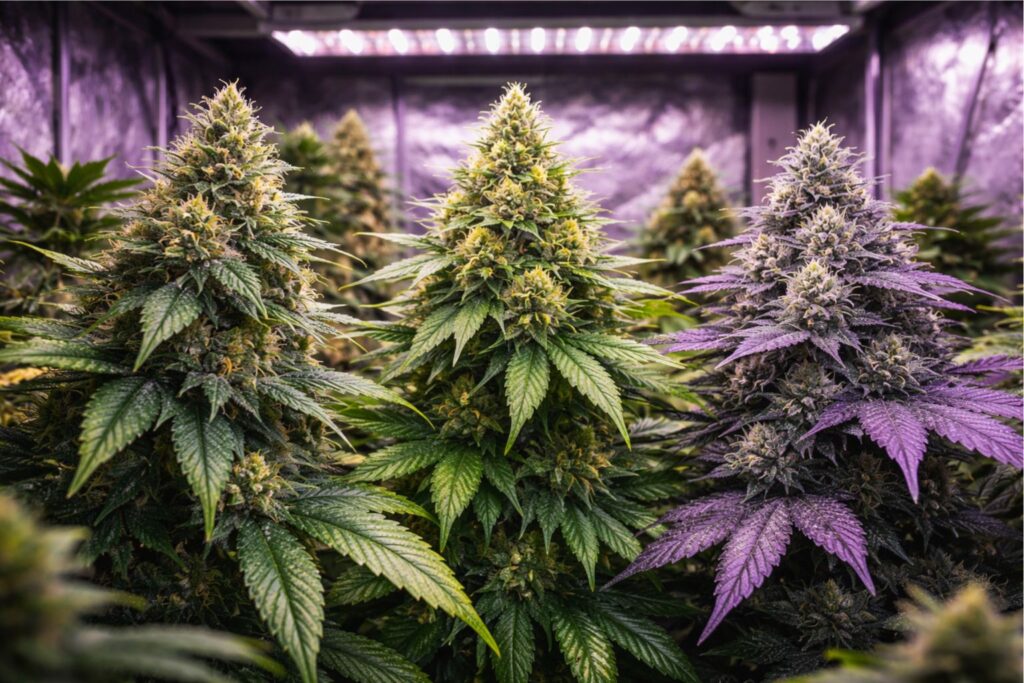
I always treat genetics like a clue, not a promise. Even with solid breeding, you can see phenotype variation, especially in vigor, stretch, and terp expression.
The Alien Rift line is commonly described as a cross that pulls from “Alien” family genetics. In my tent, that background showed up as:
- A strong terpene push once flowers set (it announces itself early)
- A tendency to stack with decent calyx density when light and airflow are right
- A stretch phase that can surprise you if you flip too late
I’m careful with naming parent lines because seed batches and label conventions vary by supplier, and the same name can mean slightly different selections depending on who made the cross. What matters most for you as a grower is how the plant behaves: the structure, the feed tolerance, and the finishing cues.
If you’re buying feminized seeds, ask the seed bank (or seed vendor) for basic expectations: average height indoors, typical flowering time, and whether it’s known to throw multiple phenotypes. When people message me about “buy cannabis seeds online” decisions, that’s the info I look for first.
Alien Rift appearance in veg and flower
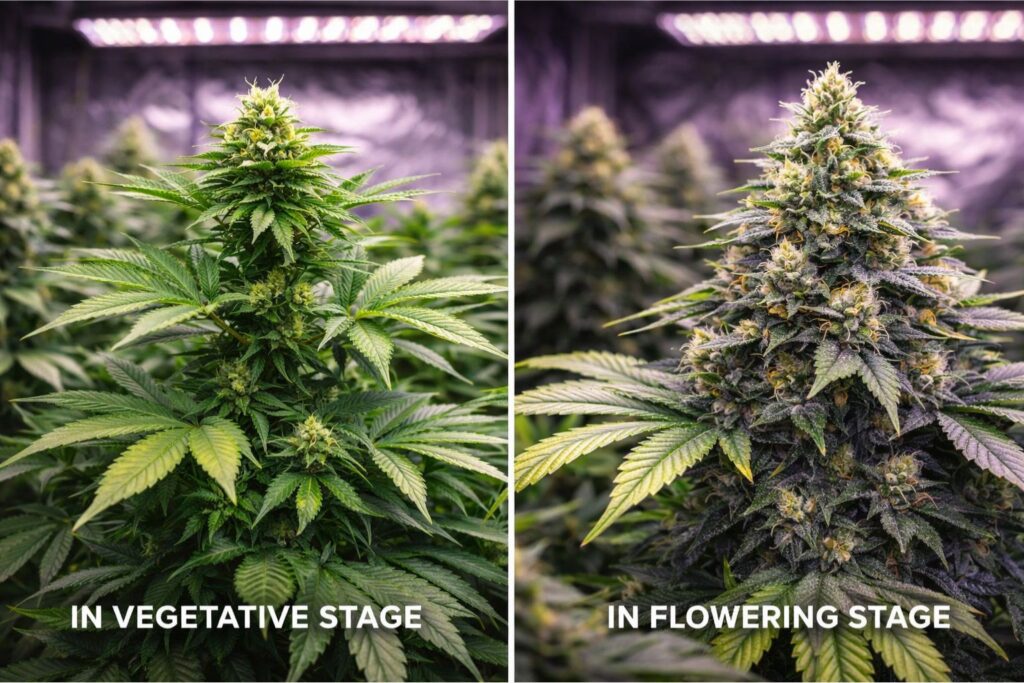
Veg structure and training response
In veg, Alien Rift built a sturdy frame for me. Internodal spacing was moderate under strong LED intensity. When I ran a softer veg light, it stretched more and needed earlier training.
What worked best for my canopy:
- Top once after 5–6 nodes if your plant is healthy
- Start low-stress training early, before stems get stiff
- Keep your canopy flat so you can use higher PPFD without hotspots
If you’re running a small tent, the alien rift indoor setup matters as much as nutrients. This plant can fill space quickly once it decides to go.
Bud structure and color
In flower, the buds tightened up nicely when I kept VPD in range and didn’t drown the root zone. Trichome coverage was strong by mid-flower, and the visual “frost” really improved after I stopped overfeeding nitrogen.
Coloration depends heavily on temperature swings and phenotype. I’ve seen green-dominant expressions with occasional purple hints late flower, especially when night temps are lower (without stressing the plant too hard).
Alien Rift terpene profile and aroma
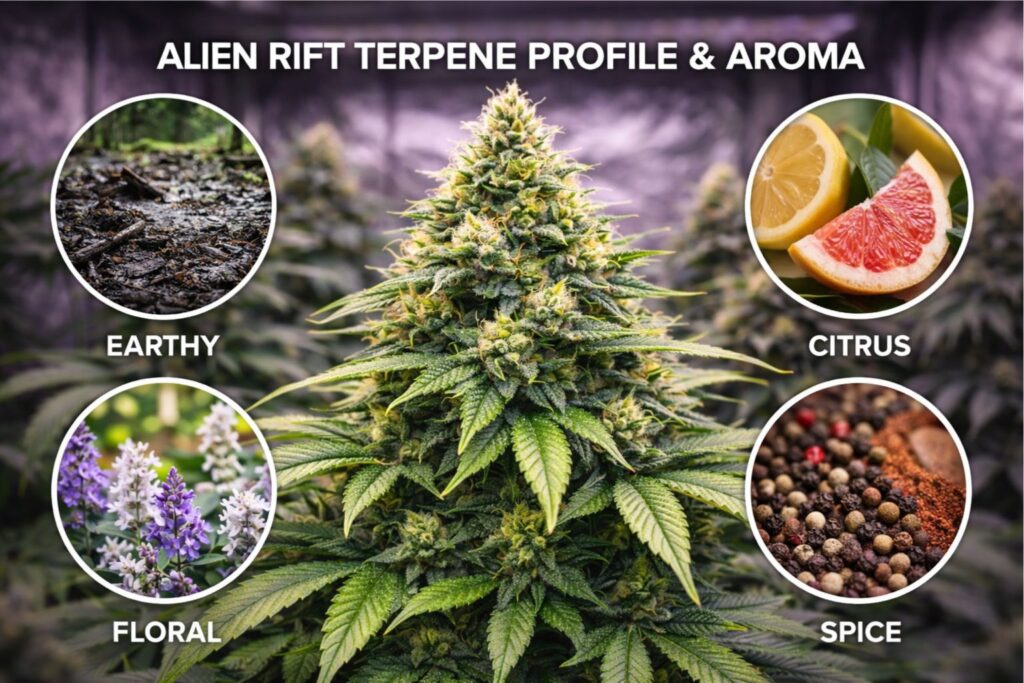
This is the part people care about, and it’s also the most batch-dependent. Still, I can describe what I consistently got when the dry and cure were done properly.
The alien rift terpene profile in my jars leaned:
- Earthy and slightly “damp soil” on first crack of the jar
- Bright citrus on the grind
- A floral note that comes and goes depending on cure time
- Mild peppery spice on the back end
When I rushed drying, the citrus flattened and the spice became sharper in a less pleasant way. When I dried slower and cured longer, the alien rift terpene profile stayed layered, and the citrus stayed cleaner.
I’ll say it again later in the alien rift drying and curing section, but it’s worth repeating: most “flavor reviews” are really “drying and curing reviews.”
Alien Rift flavor notes in real use
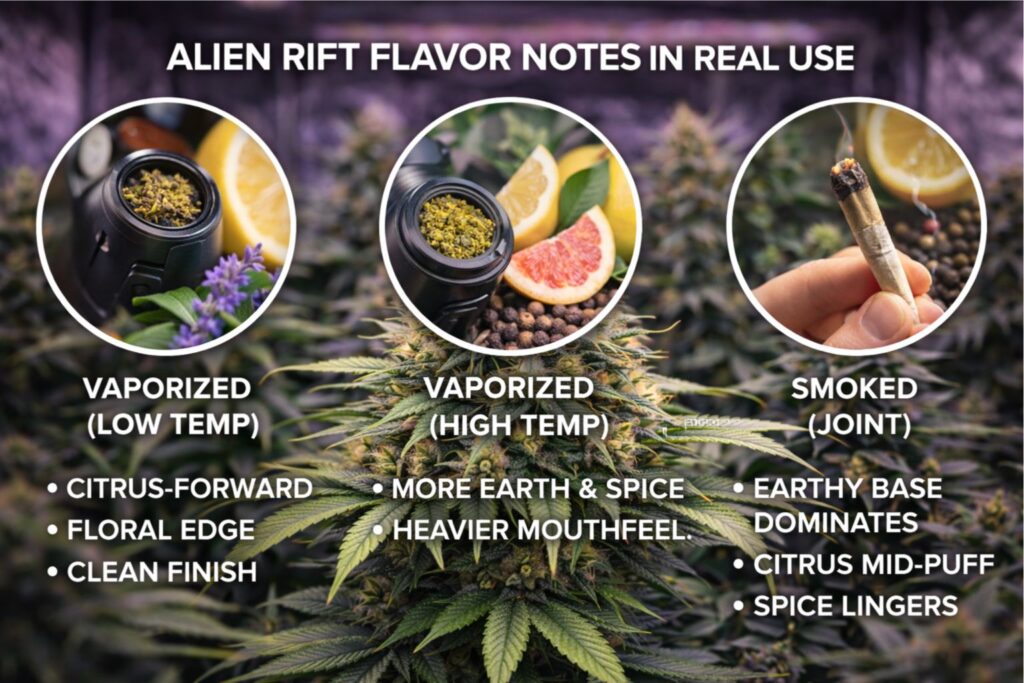
I’m not going to over-romanticize it. Here’s what the alien rift flavor notes were like for me across different consumption methods:
- Vaporized flower (low-temp): citrus-forward, floral edge, clean finish
- Vaporized flower (higher temp): more earth and spice, heavier mouthfeel
- Smoked (simple joint): earthy base dominates, citrus comes through mid-puff, spice lingers
If you like weed with a sharp, fresh top note, Alien Rift can hit that lane when it’s grown clean and cured patiently. If you prefer purely sweet profiles, this one is more “savory-citrus” than candy.
To keep alien rift flavor notes bright, I avoided heavy late nitrogen and kept the dry slow. When I pushed feed too hard near finish, the taste got harsher and took longer to smooth out.
Effects: what I felt, and how I’d describe it

Effects are personal. Tolerance, set, setting, and even harvest timing change the experience. In this alien rift effects guide, I’m describing patterns I noticed at different harvest windows.
For me, Alien Rift landed as:
- Early phase: uplifted mood, mentally “lighter,” easier to focus on a task
- Middle: creativity and interest in music or conversation
- Later: body relaxation without instantly glueing me to the couch
When I harvested a touch earlier (more cloudy trichomes, fewer amber), it felt more energetic. When I waited longer (more amber), the body side increased and it became better for winding down.
Important note: I’m not making medical claims in this Alien Rift Strain Review. People often talk about marijuana in the context of stress or sleep, but responses vary widely. If you’re sensitive to THC, start low and be honest about your tolerance.
The grow: my Alien Rift grow diary (week-by-week style)
This alien rift grow diary is based on an indoor LED tent run. Use it as a reference, not a rigid schedule.
Germination and early seedling
I’ve germinated plenty of cannabis seeds using different methods. For Alien Rift, I kept it simple:
- Start in a clean, lightly moist medium
- Keep warmth stable (around 24–26°C)
- Avoid soaking the seedling in heavy nutrients early
Seedlings don’t need a strong feed. Overfeeding early is one of the easiest ways to slow a plant down.
Veg targets (light, temp, humidity, VPD)
In veg, I aim for stable growth, not speed at all costs.
My practical targets:
- Photoperiod: 18/6
- PPFD: 250–450 for small plants, up to 500–600 once established
- Temperature: about 24–27°C lights on, a bit cooler lights off
- Relative humidity: often 60–70% early veg, then taper down
- VPD: roughly 0.8–1.2 kPa depending on plant size and airflow
This is where alien rift indoor setup decisions matter. If airflow is weak or your tent runs humid, you’ll fight problems later.
Training notes
Alien Rift responded well to:
- Topping once (sometimes twice if the plant is vigorous)
- Low-stress training to open the center
- Light defoliation to improve airflow
I avoid aggressive stripping unless I’m very confident in the plant’s recovery speed. In my experience, steady incremental training beats “one brutal day” that sets the plant back.
Transition to flower
The first two weeks after flip are where you either control the shape or lose the canopy.
My approach:
- Flip before the tent is “full” if you expect stretch
- Keep a strong but not extreme PPFD early flower (around 500–700)
- Watch nitrogen levels so you don’t get dark, clawed leaves
Alien Rift flowering time and what “finish” looks like
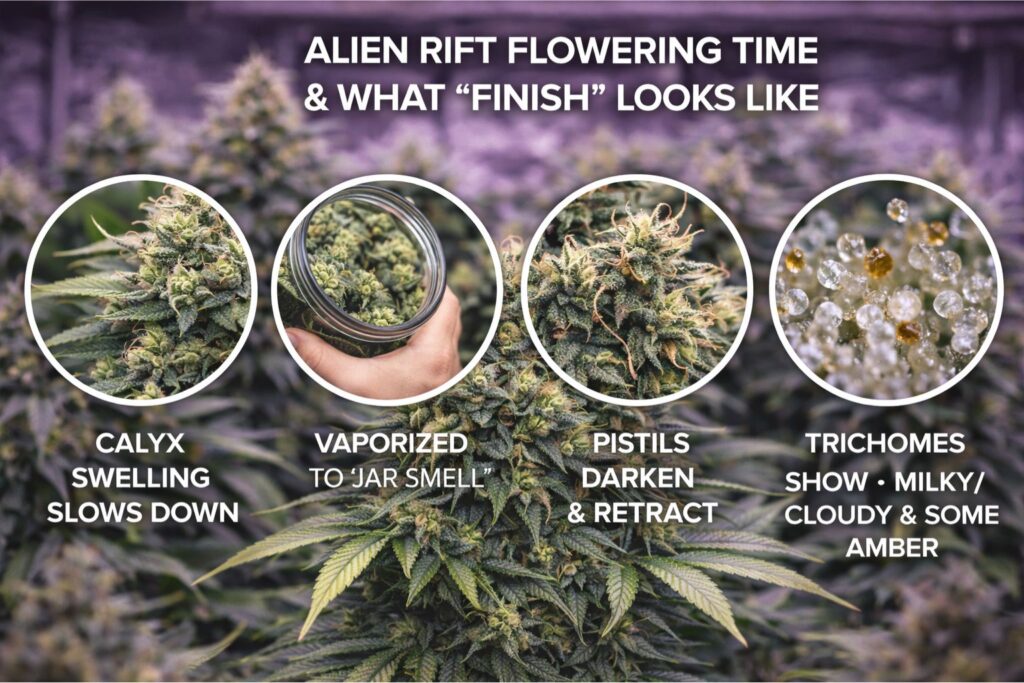
The alien rift flowering time in my run landed in that common indoor range: not super fast, not painfully long. But there was phenotype variation.
Signs the plant is actually finishing:
- Calyx swelling slows down
- Aroma shifts from “green plant” to “jar smell”
- Pistils darken and retract (not a perfect indicator, but useful)
- Trichomes show mostly cloudy with some amber depending on your preference
If you’re asking “How long is alien rift flowering time?” my honest answer is: expect roughly 8–10 weeks, then verify with trichomes. Don’t harvest because the calendar told you to.
I’ve repeated alien rift flowering time here because it’s one of the top questions people search when they’re planning a run.
Alien Rift nutrient schedule (practical ranges, not brand-specific)
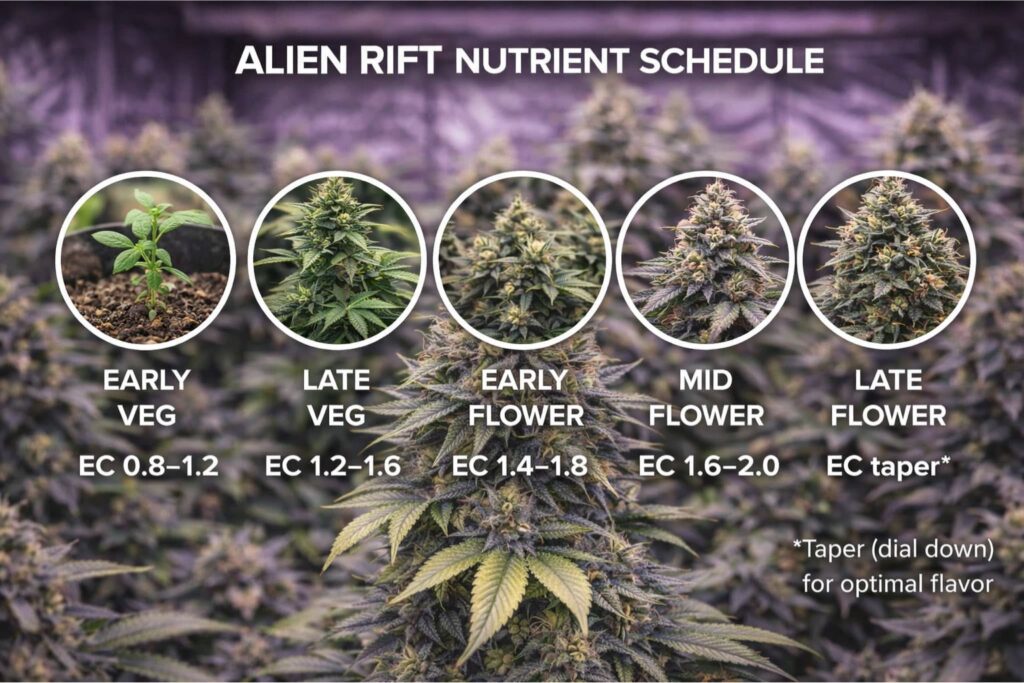
I’m going to give ranges because different nutrients and meters vary. This alien rift nutrient schedule is how I think about it, whether you’re in soil, coco, or hydro.
In coco / hydro (EC-based thinking)
- Early veg: EC around 0.8–1.2, depending on cultivar hunger and water quality
- Late veg: EC around 1.2–1.6 if the plant is thriving
- Early flower: EC often 1.4–1.8, watch tip burn
- Mid flower: EC can be 1.6–2.0 for a hungry phenotype, but only if the plant asks for it
- Late flower: I usually taper rather than push
Common mistakes I’ve seen:
- Chasing “max EC” instead of reading the plant
- Ignoring runoff EC trends in coco
- Fixing every problem with more feed instead of checking VPD and watering habits
In soil (watering and restraint)
If you’re growing weed in soil, less is often more.
- Let the container dry partially before watering again
- Avoid constant wetness (root health drives everything)
- Use lighter top dressings rather than big liquid hits
If leaves look dark and glossy, back off nitrogen. If you see burnt tips early, your alien rift nutrient schedule is too aggressive.
I’ve used the phrase alien rift nutrient schedule multiple times on purpose, because growers usually want a repeatable framework, not a one-off recipe.
Light intensity: PPFD ranges that actually worked
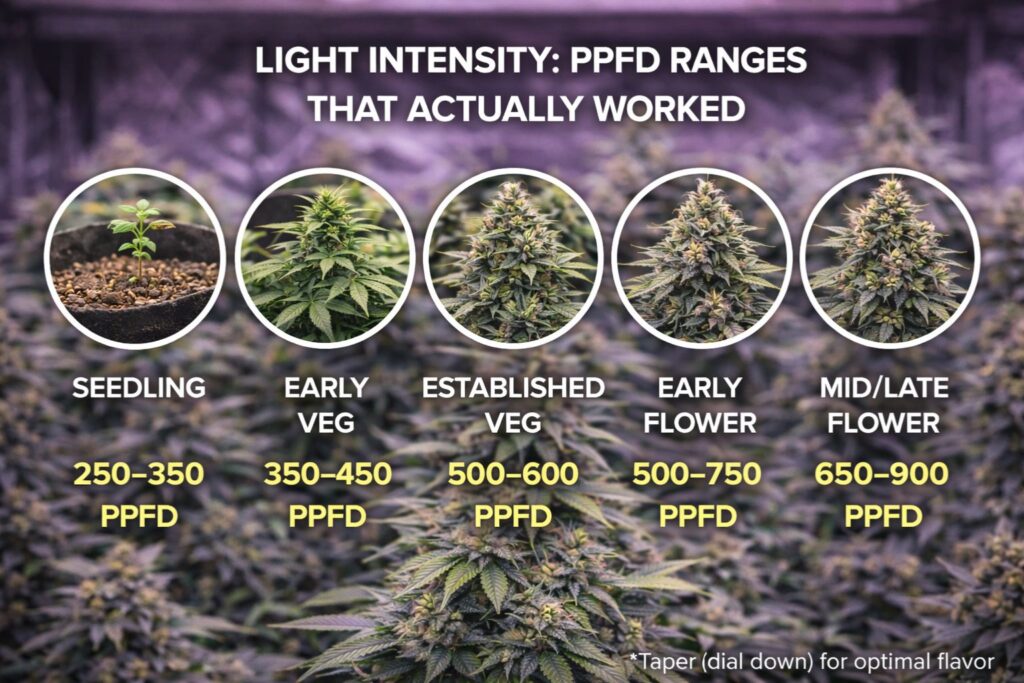
Here’s what I’d call “productive but safe” in my space:
- Veg: 350–600 PPFD depending on plant size
- Early flower: 500–750 PPFD
- Mid to late flower: 650–900 PPFD if CO2 is normal and your environment is stable
If your temps climb or your humidity is off, high PPFD can make the plant look “hungry” when it’s actually stressed. That’s why I always pair light talk with VPD talk.
Alien Rift yield expectations (honest talk)
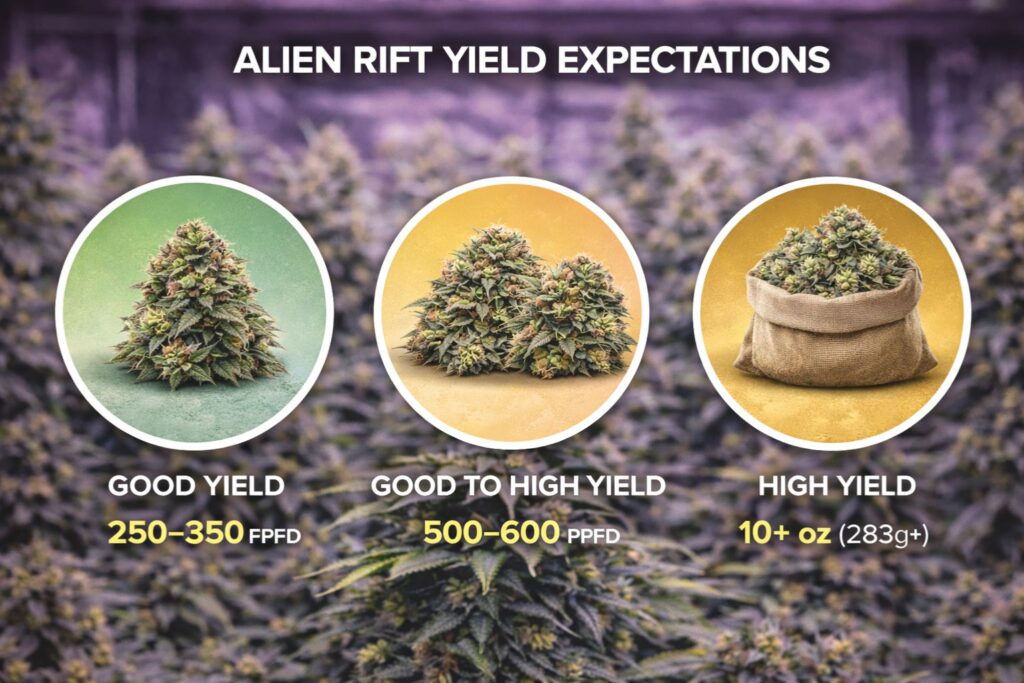
Let’s keep this grounded. The alien rift yield expectations depend on:
- Canopy management (flat, even tops)
- Root zone health (oxygen, not mud)
- Lighting intensity and uniformity
- How well you control humidity late flower
In my run, yield was solid for the space and the effort. I wouldn’t call it a freak-yielder, but it wasn’t disappointing either. If you want to maximize alien rift yield expectations, focus on:
- More tops, not taller colas
- Consistent watering rhythm
- Stable temps and RH
- Enough airflow to keep buds dry on the surface
The biggest yield killer I see is late-flower humidity spikes. That’s not a nutrient issue. That’s an environment issue.
IPM and common problems I’d watch for
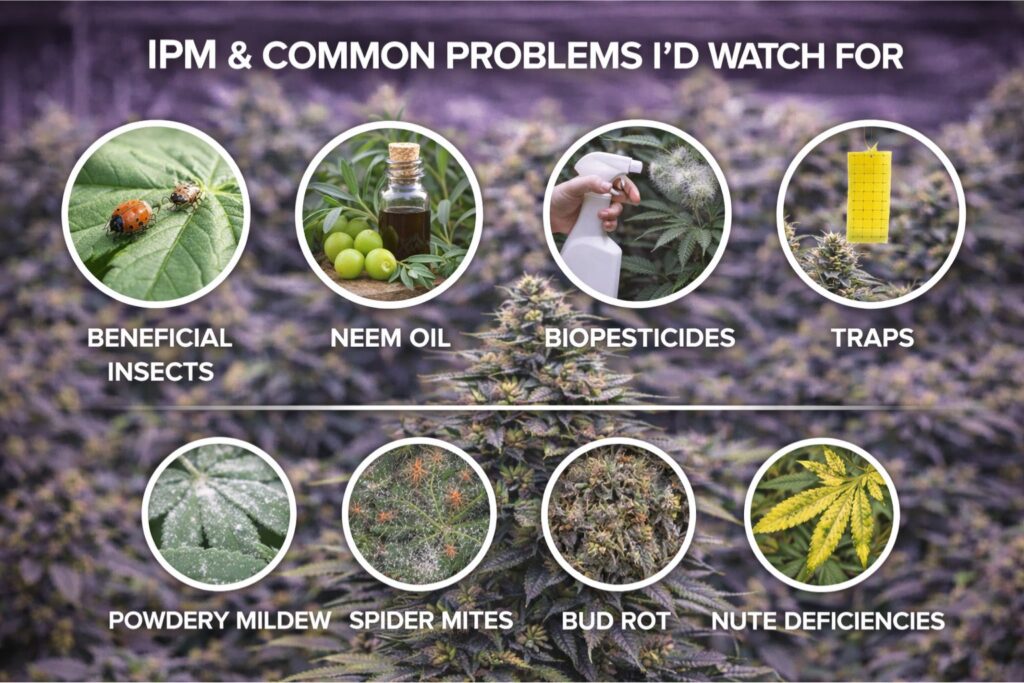
Integrated pest management matters even when you think you’re “clean.” Indoor grows still get pests.
My basic IPM habits:
- Inspect leaf undersides weekly
- Keep the grow area tidy (no dead leaves sitting around)
- Use sticky traps as early warning
- Quarantine new plants or clones
Common issues to watch:
- Powdery mildew risk if RH stays high
- Fungus gnats if you overwater
- Nutrient burn if you push feed while VPD is out of range
If you’re new to cannabis cultivation, start with the environment. Most “mystery deficiencies” are really watering, root oxygen, or VPD problems.
Harvest timing: how I decide, not the calendar
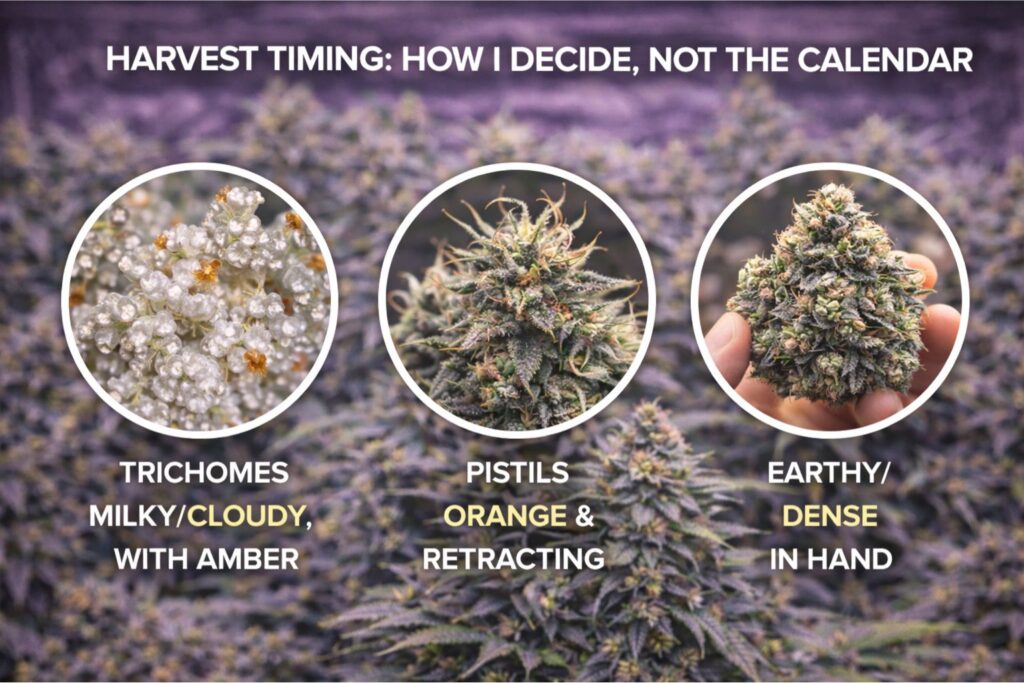
In this Alien Rift Strain Review, harvest timing is where quality gets won or lost.
My method:
- I check trichomes on the bud itself, not sugar leaves
- I take notes on aroma changes over the final 10–14 days
- I harvest in stages if tops finish earlier than lowers
If you want a brighter, more functional experience, harvest a bit earlier. If you want more body weight, let it ride longer. Either way, don’t guess.
Alien Rift drying and curing (where flavor is made)
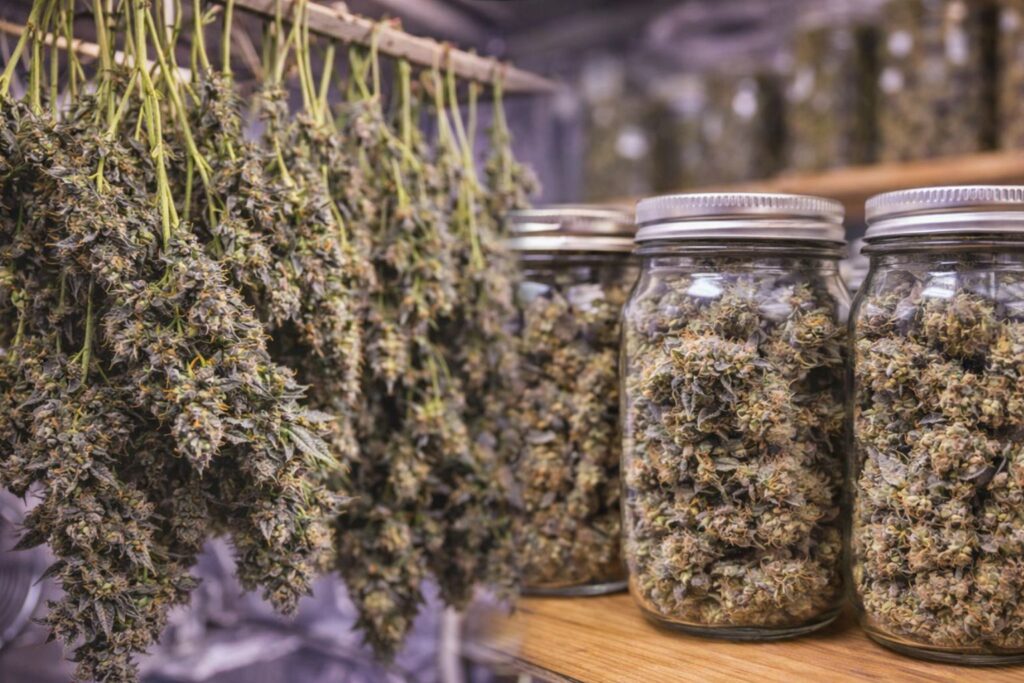
This is the make-or-break section. If you only save one part of this article, save this.
My alien rift drying and curing targets:
- Drying temperature: roughly 15–21°C
- Drying humidity: roughly 50–60% RH
- Airflow: gentle, not blasting the buds
- Darkness: yes, keep it dark
- Time: I prefer a slower dry over a fast one
I usually dry until small stems snap, then jar and burp.
For curing:
- Use clean glass jars
- Burp more often in the first week
- Keep jars in a cool, dark place
- Give it at least 2–4 weeks for noticeable smoothness
When the alien rift drying and curing is rushed, the smoke stays sharp and the aroma feels flat. When it’s done right, the citrus and floral notes hold up.
I’ve repeated alien rift drying and curing because it’s the step most growers underestimate.
Buying seeds and choosing the right format
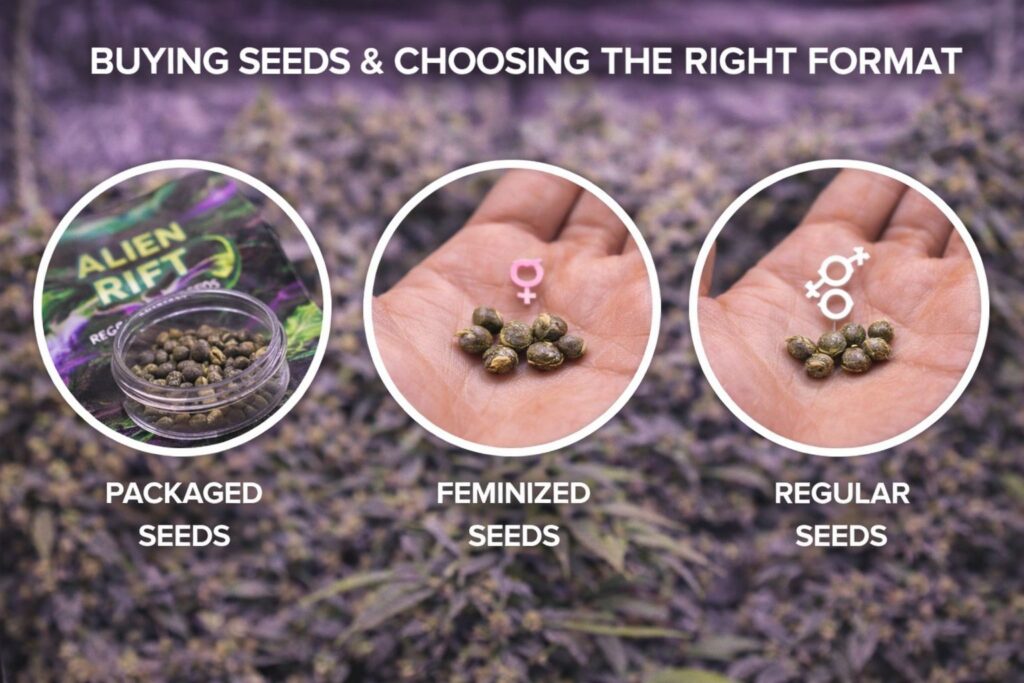
If you’re shopping for marijuana seeds, the choice usually comes down to:
- feminized seeds vs regular seeds
- photoperiod vs autoflowering
- indoor vs outdoor fit for your climate
Alien Rift is typically treated as a photoperiod cultivar in most catalogs. If you’re browsing a seed bank, read the fine print about flowering time and height, and consider your local environment.
Also, laws vary a lot by region. I’m not giving legal advice here. If you’re wondering about grow laws by region, check your local rules before you order or germinate.
Common search-style questions I see:
- “Where to buy cannabis seeds online with discreet shipping?”
- “Are feminized seeds worth it for a small tent?”
- “What’s the difference between indica sativa hybrid when choosing seeds?”
The practical answer: pick the format that matches your space, your patience, and your ability to control the environment.
Real-world notes: what surprised me (good and bad)
What I liked:
- Strong aroma development mid-flower
- Responsive to training
- Good balance of head and body effects when harvested in the middle window
What I had to manage:
- Stretch can creep up if you flip late
- Late humidity control matters for dense flowers
- Overfeeding is easy if you assume it needs “more” just because it smells loud
If you treat this Alien Rift Strain Review as a grower’s note, the takeaway is simple: build a stable environment first, then feed to match the plant’s pace.
FAQ: long-tail questions growers actually ask
How do I set up an indoor tent for Alien Rift?
For alien rift indoor setup, prioritize airflow and consistency. Start with an even canopy, keep VPD steady, and don’t chase extreme PPFD if your temperature and humidity swing.
What is the alien rift flowering time indoors?
In my experience, alien rift flowering time is usually in the 8–10 week range, but phenotype and environment can shift it. Confirm maturity with trichomes, not just pistils.
What should I look for when selecting a phenotype?
Alien rift phenotype selection is mostly about structure and aroma. I keep the plants that:
- stay manageable in stretch
- stack flowers evenly
- carry the terp expression I want after curing
I also avoid keeping anything that shows weak vigor or repeated stress sensitivity.
What’s a simple alien rift nutrient schedule for beginners?
Keep it gentle early, increase slowly, and don’t feed harder to “fix” environment problems. For alien rift nutrient schedule planning, watch leaf color and tip burn, and adjust based on how the plant responds.
How do I improve alien rift yield expectations without ruining quality?
To raise alien rift yield expectations, focus on canopy shape and environmental control. More tops, better airflow, stable humidity late flower, and patience in drying will do more than chasing a heavy feed.
What should alien rift flavor notes taste like after a proper cure?
After a slow dry and a real cure, alien rift flavor notes should keep a clean citrus edge with earthy depth and a mild spice finish. If it tastes harsh or flat, revisit your dry time and jar humidity.
What’s the best way to preserve the alien rift terpene profile?
Dry slower, cure longer, and avoid overheating buds during drying or storage. The alien rift terpene profile holds up best when temperature and humidity are controlled through the entire post-harvest process.
Are the effects more daytime or nighttime?
This alien rift effects guide answer depends on harvest timing. Earlier harvests leaned more functional for me, later harvests leaned more relaxing. Start small and learn how your body reacts.
Final note for this Alien Rift Strain Review
If you’re looking for a cultivar that can deliver an earthy-citrus-spice profile and a balanced experience, Alien Rift is worth considering. Just don’t skip the unglamorous parts: the environment, the watering rhythm, and the slow dry. That’s where good cannabis becomes great weed in the jar.
And if you’re seed shopping, don’t just chase names. Look for consistent vendor info, realistic flowering expectations, and the format that matches your space. That’s how I approach every run, and it’s the same approach behind this Alien Rift Strain Review.
For a complete directory of cultivars, visit our Cannabis Strain Reviews.
