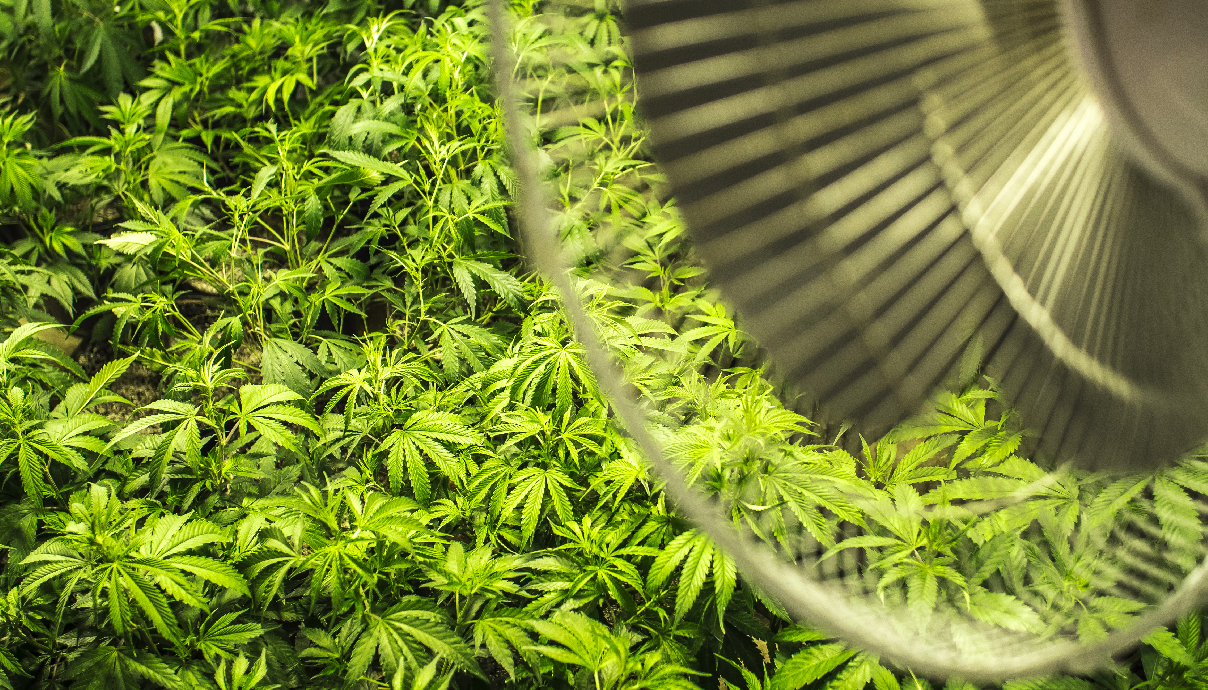
Air Circulation and Ventilation in Medical Cannabis Cultivation: A Comprehensive Guide
Medical cannabis cultivation demands a precise and carefully monitored environment to ensure that the plants develop properly and yield high-quality medicinal products. One of the most important aspects of this environment is air circulation and ventilation, as these factors greatly influence plant health, growth rates, and the overall potency of the medicine produced. Inadequate airflow or ventilation can result in mold, pests, nutrient deficiencies, and suboptimal yields, which can compromise the efficacy of the final medical cannabis product.
In this detailed guide, we will explore the essential principles and practices of air circulation and ventilation in medical cannabis cultivation. We will cover why air circulation is critical, how ventilation systems work, and how growers can optimize these elements to enhance plant health. The emphasis is on medical cannabis growing practices, with the goal of producing clean, potent, and safe cannabis for medical patients.
1. Importance of Air Circulation in Medical Cannabis Cultivation
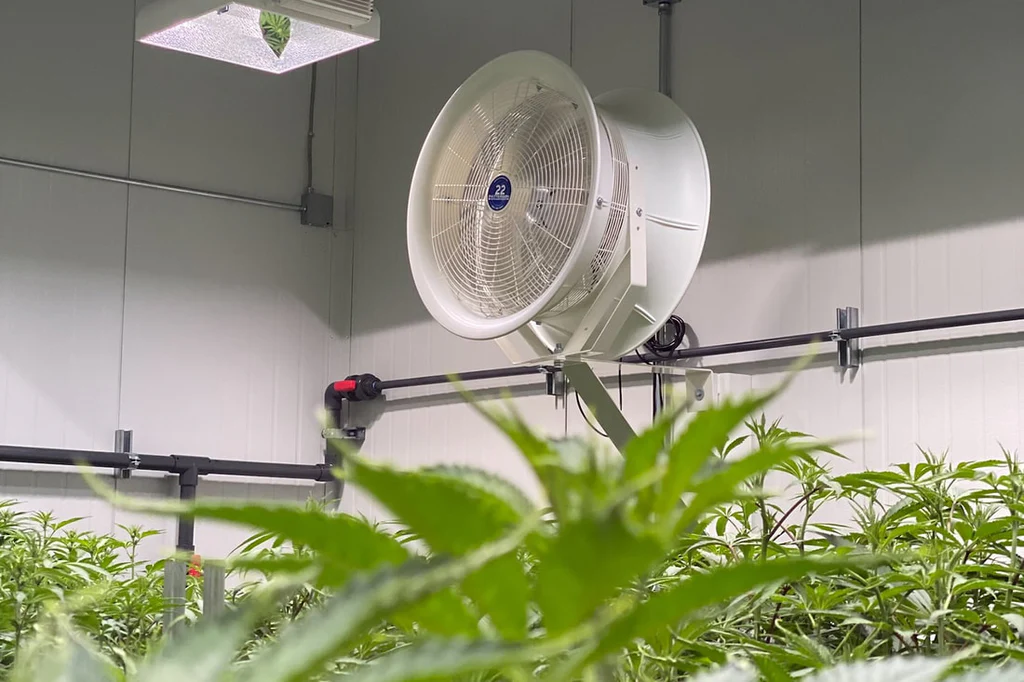
Air circulation is the movement of air within a grow room or greenhouse. This movement is vital for a number of physiological processes in cannabis plants, which directly impact their medical properties.
1.1. Photosynthesis and Gas Exchange
Cannabis plants, like all plants, rely on photosynthesis to convert light into energy. For photosynthesis to occur efficiently, plants must be able to exchange gases. Specifically, they take in carbon dioxide (CO₂) from the air and release oxygen (O₂) as a byproduct. If air becomes stagnant in the grow space, the local CO₂ levels around the leaves can drop, inhibiting photosynthesis and ultimately limiting plant growth.
Proper air circulation ensures that fresh CO₂ is consistently delivered to the plants while preventing the buildup of oxygen and other gases. This facilitates efficient gas exchange and contributes to robust, healthy growth, which is crucial for producing high-quality medical cannabis.
1.2. Temperature Regulation
Heat generated from grow lights, equipment, and the metabolic processes of plants can cause temperatures to rise in an enclosed space. While cannabis plants generally thrive in warm environments, temperatures that are too high can lead to heat stress, which slows growth and negatively affects the potency and profile of cannabinoids like THC and CBD.
In order to avoid hot spots from forming, air circulation helps to diffuse heat uniformly throughout the grow area. By promoting uniform temperature conditions, air movement minimizes the risk of heat stress and ensures that plants grow under optimal conditions for medical use.
1.3. Prevention of Mold and Pests
Medical cannabis must be free from contaminants like mold and pests to ensure that patients receive a clean, safe product. In a cannabis grow room, stagnant air paired with high humidity is one of the main reasons for mold growth. Moisture can collect on plant leaves and flowers, creating the ideal conditions for mold to grow, especially in dense, resinous buds. In medical cannabis cultivation, avoiding mold is critical because inhalation or consumption of mold-contaminated cannabis can be dangerous for patients, particularly those with compromised immune systems.
Proper air circulation keeps humidity levels in check by moving moisture away from plant surfaces, drying out potential problem areas before mold can take hold. Additionally, many pests such as spider mites thrive in still, humid conditions. Good air movement makes it harder for these pests to establish colonies, providing a natural defense mechanism.
2. Role of Ventilation in Medical Cannabis Cultivation
Ventilation involves the exchange of indoor and outdoor air to maintain a fresh, healthy environment inside the grow room or greenhouse. While air circulation focuses on moving air within the grow space, ventilation brings in fresh air and expels stale air, ensuring that plants have access to clean, CO₂-rich air while removing excess heat, moisture, and pollutants.
2.1. Fresh Air Supply
Medical cannabis plants require a steady supply of fresh air, which contains CO₂ that is essential for photosynthesis. As plants grow and use up the available CO₂, levels can drop in an enclosed environment, limiting growth. Ventilation systems bring in fresh air from the outside, ensuring that CO₂ levels remain adequate for healthy photosynthesis and growth. For growers in controlled environments, such as indoor facilities, it is critical to monitor CO₂ levels and ventilation rates to maximize plant development and cannabinoid production.
2.2. Humidity Control
Humidity levels in a grow room have a direct impact on plant health and yield quality. Cannabis plants transpire water vapor through their leaves, which raises humidity levels in the grow environment. If this moisture is not removed, it can lead to fungal diseases like powdery mildew and botrytis, both of which can ruin medical cannabis crops.
Ventilation systems work in tandem with air circulation to remove excess humidity by expelling moist air and replacing it with drier air from outside. In medical cannabis cultivation, controlling humidity is especially important during the flowering stage, as this is when dense buds are most susceptible to mold and rot. Maintaining enough ventilation reduces the possibility of contamination and enhances the end product’s quality and safety.
2.3. Heat Management
In addition to regulating humidity, ventilation helps manage temperature in the grow room. Heat buildup is a possible consequence of equipment such as grow lights and fans operating continuously. Heat-trapping hot air in the grow area is replaced with fresher, colder air via ventilation devices such exhaust fans and air intake systems. This exchange keeps the temperature within the optimal range for cannabis growth, preventing heat stress and ensuring that cannabinoid and terpene production remain at peak levels.
3. Types of Ventilation Systems for Medical Cannabis Cultivation
There are various types of ventilation systems that growers can use to maintain a controlled and healthy environment for medical cannabis. Each system has its advantages, and the choice depends on the size of the grow space, the growing medium, and environmental conditions.
3.1. Passive Ventilation
Passive ventilation systems rely on natural airflow to bring fresh air into the grow space and expel stale air. These systems do not use fans or other mechanical components, making them energy-efficient and cost-effective for small-scale or hobbyist growers. Typically, passive ventilation involves placing vents at the top and bottom of the grow room, allowing hot air to rise and exit through the top vent while cool air enters through the bottom vent.
While passive ventilation can work well for small grows, it may not provide the precise environmental control needed for larger or more sophisticated medical cannabis operations. As a result, it is less commonly used in professional medical cannabis cultivation.
3.2. Active Ventilation
Active ventilation systems use mechanical components, such as exhaust fans, intake fans, and ducting, to create a controlled flow of air in and out of the grow space. This type of ventilation provides better control over temperature, humidity, and CO₂ levels, making it the preferred option for large-scale medical cannabis operations.
- Exhaust Fans: These fans remove hot, humid, and CO₂-depleted air from the grow space. They are typically placed near the ceiling, where hot air naturally rises, and vent the air outside. Exhaust fans are crucial for maintaining a stable environment in medical cannabis cultivation, especially in sealed or indoor grow spaces.
- Intake Fans: Intake fans draw fresh air from outside into the grow room. These fans are usually positioned near the floor, where cooler air can enter the space and help regulate temperature and humidity.
- Carbon Filters: In medical cannabis cultivation, odor control is a key consideration, especially in facilities located near residential areas. Carbon filters are often installed in the exhaust system to trap and neutralize odors before the air is vented outside. This is an important aspect of complying with local regulations and ensuring the facility is discreet and respectful of its surroundings.
3.3. Sealed Grow Rooms with CO₂ Enrichment
For advanced medical cannabis cultivation, some growers opt for sealed grow rooms with controlled CO₂ enrichment. In this setup, the grow room is sealed off from the outside environment, and all air is recirculated. Artificial CO2 additions can greatly enhance photosynthesis and plant growth, with levels kept between 1,200 and 1,500 parts per million (ppm) in the atmosphere.
In a sealed environment, air circulation is even more critical, as all the air remains within the grow space. Growers must use oscillating fans, dehumidifiers, and cooling systems to ensure that temperature, humidity, and CO₂ levels are tightly controlled.
4. Tools and Equipment for Optimizing Air Circulation and Ventilation
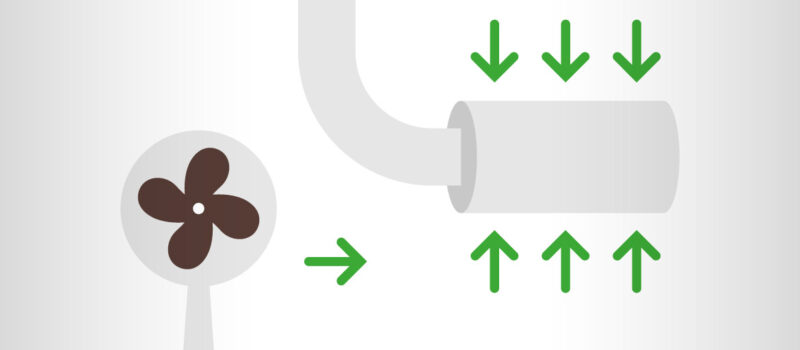
Proper air circulation and ventilation require specialized equipment to maintain the desired environmental conditions in a medical cannabis grow room. Below are some key tools and equipment used to optimize airflow and ventilation.
4.1. Oscillating Fans
Oscillating fans are essential for promoting air movement throughout the grow space. These fans are placed at various points within the grow room to ensure that air circulates evenly around the plants. Oscillating fans prevent stagnant air pockets, reduce the risk of mold and pests, and help maintain uniform temperatures across the entire grow area.
In medical cannabis cultivation, oscillating fans should be placed strategically to avoid blowing directly onto plants, which can cause wind burn. Instead, the goal is to create gentle air movement that mimics natural breezes, helping plants strengthen their stems and improve overall health.
4.2. Exhaust and Intake Fans
Exhaust and intake fans are the backbone of any ventilation system. These fans work in tandem to expel hot, humid air and bring in fresh, cool air. When selecting exhaust and intake fans for medical cannabis cultivation, it is important to consider the size of the grow space and the rate at which air needs to be exchanged.
The air exchange rate is typically measured in cubic feet per minute (CFM). Growers should calculate the volume of their grow space (length × width × height) and select fans with a CFM rating that can exchange the air in the room multiple times per hour. For example, a room with a volume of 1,000 cubic feet may require a fan with a CFM rating of 200 to 300 for optimal ventilation.
4.3. Ducting and Ventilation Control
Ducting is used to route air from the grow room to the outside, or vice versa, in a controlled manner. In medical cannabis grows, it is important to use insulated ducting to minimize heat loss or gain during air exchange. Additionally, installing dampers and air control valves allows growers to fine-tune the flow of air through the ducting system, ensuring that ventilation is consistent and efficient.
4.4. Environmental Controllers
Environmental controllers are advanced devices that allow growers to automate and monitor their air circulation and ventilation systems. These controllers can be programmed to adjust fan speed, temperature, and humidity based on preset parameters, ensuring that the grow environment remains stable even when growers are not present.
For medical cannabis cultivation, precision is key, and environmental controllers help growers achieve the exact conditions needed to maximize plant health and cannabinoid production. Many modern controllers also have data logging features that allow growers to track environmental changes over time and make adjustments as necessary.
5. Maintaining Optimal Conditions for Medical Cannabis
To successfully cultivate medical cannabis, growers must constantly monitor and adjust the air circulation and ventilation systems to maintain optimal conditions. The following are some important environmental elements that producers need to be aware of:
5.1. Temperature
Medical cannabis grows best in temperatures between 70°F and 85°F (21°C to 29°C) during the day and slightly cooler temperatures at night. Oscillating fans and exhaust systems help keep temperatures within this range by removing excess heat generated by grow lights and equipment.
5.2. Humidity
The ideal range of humidity for the vegetative stage is 40% to 60%, while for the flowering stage, it is 30% to 50%. Mold can grow in an environment with too much humidity, whereas stressed and dry plants might result from insufficient humidity. Ventilation systems, along with dehumidifiers, play a key role in maintaining proper humidity levels.
5.3. CO₂ Levels
For medical cannabis cultivation, it is important to ensure that plants receive adequate CO₂ for photosynthesis. While natural air exchange through ventilation provides enough CO₂ for most grows, advanced growers may opt to supplement CO₂ levels to enhance growth rates. CO₂ levels between 1,200 and 1,500 ppm can lead to significant increases in yield and potency, provided that air circulation is sufficient to distribute the gas evenly throughout the grow room.
Restrictions on Growing and Using Cannabis in the Medical Field
In the medical field, cannabis is often subject to stringent regulations to ensure its use is strictly for therapeutic purposes. Several countries and states have implemented laws to oversee the growing, distribution, and application of medical cannabis. Usually, these limitations consist of the following:
- Licensed Cultivation: Only licensed growers are allowed to cultivate cannabis for medical use. These licenses are often granted under strict conditions, requiring cultivators to follow specific guidelines related to plant care, environmental impact, and product safety.
- Prescribed Use Only: Medical cannabis is typically prescribed for specific medical conditions and is considered a treatment of “last resort” when other therapies have failed. This ensures that its use is limited to cases where it is medically necessary.
- Product Tracking and Regulation: Medical cannabis products are tracked from seed to sale. This system ensures that products are not diverted into the recreational market and that the medicinal cannabis patients receive meets safety and potency standards.
Using Cannabis as a Last Resort in the Medical Field
In many medical systems, cannabis is considered an alternative or “last resort” therapy. This means it is only prescribed when conventional treatments have not provided sufficient relief. Conditions such as chronic pain, epilepsy, multiple sclerosis, and chemotherapy-induced nausea are common cases where medical cannabis may be approved for use after other treatments have failed to work effectively. In such cases, medical professionals closely monitor patient responses to determine whether cannabis is providing the expected therapeutic benefits.
Monitoring THC Levels in Medical Cannabis
One of the major concerns in medical cannabis use is managing the psychoactive effects caused by tetrahydrocannabinol (THC). To avoid unwanted psychoactivity, especially in vulnerable populations like children or elderly patients, medical cannabis must be carefully formulated to control THC levels.
- Low-THC or High-CBD Formulations: Many medical cannabis products are developed with low THC and high cannabidiol (CBD) content to reduce the risk of psychoactive side effects while still providing therapeutic benefits. These formulations are often preferred for treating anxiety, seizures, and pain.
- Strict Testing Protocols: Medical cannabis is subjected to rigorous testing to ensure accurate THC levels. This helps prevent the risk of accidental psychoactive effects on patients, ensuring that medications are safe for long-term use, especially in populations that may be more sensitive to THC.
- Dosage Control: In medical cannabis prescriptions, doctors often recommend starting with low doses of THC and increasing them slowly to find the minimal effective dose. This ensures that patients receive the therapeutic effects without experiencing disorienting psychoactivity.
Conclusion
In summary, the cultivation and use of cannabis in the medical field are tightly regulated to ensure that its application remains therapeutic and safe. Restrictions on growing cannabis, such as licensing requirements and strict product tracking, ensure that the plant is used only for medical purposes and not diverted for recreational use. Furthermore, the use of cannabis as a last resort therapy underscores its role in treating severe or chronic conditions when traditional treatments fail. This cautious approach ensures that cannabis is prescribed only when its medical benefits are deemed necessary for the patient’s well-being.
In tandem with these regulations, monitoring THC levels in medical cannabis formulations is crucial to prevent psychoactive effects, particularly for vulnerable populations. By developing low-THC, high-CBD formulations and implementing rigorous testing protocols, medical cannabis providers ensure that patients receive the desired therapeutic effects without unintended side effects. This careful control over THC levels helps maintain the safety and efficacy of cannabis as a medical treatment, offering relief to patients while avoiding the psychoactive impact commonly associated with recreational use. Together, these measures ensure the responsible and effective use of cannabis in the medical field.
