Table of Contents
Afghani—also known as Afghan—is a legendary pure Indica strain that traces its roots back to the Hindu Kush mountain range between Afghanistan, Pakistan, and northern India. Its genetic lineage is among the oldest known, with wild cannabis populations from this region being selectively bred over centuries for resin production, making it one of the foundations of modern cannabis breeding.
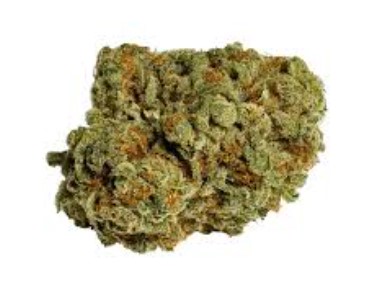
Afghani’s genetic stability, resin-heavy buds, and high cannabinoid content have made it a cornerstone for the development of numerous iconic hybrids, including strains like Northern Lights, Blueberry, and Skunk #1. It is widely appreciated both for its traditional hash-making potential and its strong, deeply relaxing effects.
Morphological Characteristics
Afghani exhibits classic Indica morphology:
- Short and bushy stature
- Broad, dark green leaves
- Dense, golf ball-like buds
- High resin content due to copious trichome production
- Fast flowering time (~7–9 weeks)
Its resilience against harsh climates and pests, a trait from its native mountainous regions, makes it a favorite for landrace preservation and genetic breeding programs.
Cannabinoid Profile
Afghani is typically high in THC, with most phenotypes testing between 16–20% THC, though some can reach up to 22% or higher. Its CBD content is generally low (<0.5%), although certain landrace phenotypes may express higher CBD ratios under specific growing conditions or in selective breeding programs.
Cannabinoid Breakdown (Typical Range)
- THC: 16–22%
- CBD: 0.1–0.5%
- CBN: 0.2–0.5% (from aged samples)
- THCV: Trace–0.2%
- CBC: 0.1–0.3%
The dominance of THC contributes to its strong psychoactive and sedative effects, while the low CBD concentration allows THC’s full psychotropic potential to manifest.
Terpene Profile
Afghani’s effects and aroma are also influenced by a rich terpene profile, primarily dominated by myrcene, caryophyllene, and pinene, which contribute to its characteristic earthy, spicy, and slightly sweet scent.
Dominant Terpenes
- Myrcene (sedative, earthy, musky): 0.5–1.2%
- Beta-caryophyllene (anti-inflammatory, spicy, woody): 0.3–0.7%
- Pinene (alertness, pine): 0.2–0.5%
- Limonene (mood elevation, citrus): 0.1–0.4%
- Humulene (appetite suppressant): 0.1–0.3%
- Linalool (calming, floral): Trace–0.2%
Terpene Effects Interaction
- Myrcene and linalool contribute significantly to the deep body sedation and anxiolytic effects.
- Caryophyllene, with its CB2 receptor activity, plays a role in anti-inflammatory and analgesic properties.
- The small amount of pinene can mildly counteract memory impairment often associated with THC.
Medical Applications
Afghani is a THC-dominant, myrcene-rich pure Indica cultivar, known for profound sedation, analgesic properties, and appetite stimulation. Its utility in medicine comes from the synergistic interaction between its phytocannabinoids (primarily THC) and terpenes (notably myrcene, caryophyllene, and linalool), modulating the endocannabinoid system and other neurotransmitter systems.
Chronic Pain and Neuropathic Pain
Mechanism of Action:
- THC activates CB1 receptors in the periaqueductal gray, thalamus, and spinal cord, modulating nociceptive signals.
- Beta-caryophyllene binds to CB2 receptors, reducing inflammatory signaling and cytokine production.
- Myrcene may enhance the permeability of the blood-brain barrier, increasing THC availability and potentially inhibiting nociceptive transmission through interaction with TRPV1 (vanilloid) receptors.
Scientific Insight:
- Rodent studies show THC and myrcene synergize for greater antinociception than THC alone.
- A 2020 review in Frontiers in Pharmacology supports CB2 agonism (as seen with caryophyllene) as a promising strategy for peripheral pain management without cognitive impairment.
Therapeutic Uses:
- Neuropathic pain, such as post-herpetic neuralgia or diabetic neuropathy
- Migraines
- Fibromyalgia
- Cancer-related pain
Insomnia and Sleep Disorders
Mechanism of Action:
- THC decreases sleep latency (time to fall asleep) via CB1 activation in the hypothalamus and basal forebrain.
- Myrcene potentiates GABAergic neurotransmission, contributing to sedation.
- Linalool interacts with glutamate and serotonin receptors, enhancing sleep depth and duration.
Scientific Insight:
- Clinical studies show THC reduces REM sleep, potentially helpful in PTSD nightmares.
- A myrcene concentration >0.5% correlates with increased NREM sleep time in animal models.
Therapeutic Uses:
- Insomnia (onset and maintenance)
- PTSD-associated nightmares
- Circadian rhythm disruption (e.g., shift work)
Anxiety and Stress-Related Disorders
Mechanism of Action:
- Low doses of THC reduce amygdala activity, dampening fear responses.
- Linalool is a serotonin 5-HT1A receptor agonist, producing anxiolytic effects.
- Myrcene has muscle relaxant and sedative properties similar to valium-class drugs, but without the same dependency profile.
Caution:
- High THC doses may cause paradoxical anxiety via CB1 overstimulation, especially in predisposed individuals or those with genetic variants affecting FAAH or COMT enzymes.
Scientific Insight:
- A 2019 study in Neurotherapeutics found low-dose THC reduced anxiety in a dose-dependent U-shaped curve, underscoring the importance of careful titration.
Therapeutic Uses:
- Generalized Anxiety Disorder (GAD)
- Acute situational anxiety
- Stress-related insomnia
- Panic symptoms (low-dose only)
Appetite Stimulation and Cachexia

Mechanism of Action:
- THC activates the lateral hypothalamus, promoting hunger via ghrelin secretion.
- CB1 receptors modulate homeostatic and hedonic feeding behaviors.
- THC also inhibits pro-inflammatory cytokines (like TNF-α) that suppress appetite.
Scientific Insight:
- Studies in cancer and HIV/AIDS patients have confirmed that THC-dominant strains significantly improve caloric intake and weight gain.
- Afghani’s strong sedative and hunger-inducing profile makes it especially valuable for night-time use in patients with poor appetite and insomnia.
Therapeutic Uses:
- Cancer-associated cachexia
- HIV/AIDS wasting syndrome
- Anorexia nervosa (in palliative settings)
- Post-surgical recovery
Muscle Spasms and Spasticity (e.g., MS, Parkinson’s)
Mechanism of Action:
- THC reduces spinal excitatory transmission through CB1-mediated inhibition of glutamate and substance P.
- Myrcene enhances muscle relaxation via action on GABA-A receptors.
- Some anti-inflammatory effect from caryophyllene reduces peripheral muscular irritability.
Scientific Insight:
- Clinical trials (e.g., Sativex, a THC:CBD oral spray) have demonstrated that THC reduces spasticity severity by up to 30–50%, with subjective improvement in quality of life.
- Afghani, while low in CBD, may still provide spasm relief due to its THC concentration and terpene entourage.
Therapeutic Uses:
- Multiple sclerosis-related spasticity
- Parkinsonian rigidity
- Cerebral palsy-related spasms
- ALS muscle stiffness
PTSD and Emotional Dysregulation

Mechanism of Action:
- THC reduces amygdala hyperactivation, implicated in fear conditioning and hyperarousal.
- Promotes fear extinction learning, crucial in PTSD treatment.
- Terpenes like linalool reduce stress-induced corticosterone spikes.
Scientific Insight:
- A 2021 review in Journal of Clinical Psychology suggested cannabis users with PTSD report fewer flashbacks, better sleep, and reduced emotional numbing.
- Afghani’s REM suppression and sedative effects are particularly well-suited for PTSD-related nightmares and night-time panic attacks.
Therapeutic Uses:
- Combat-related PTSD
- Complex trauma (C-PTSD)
- Panic attacks with insomnia
Nausea and Vomiting (e.g., Chemo-Induced Nausea)
Mechanism of Action:
- THC activates CB1 receptors in the dorsal vagal complex, suppressing the vomiting reflex.
- It also enhances appetite-regulatory pathways and reduces visceral pain.
Scientific Insight:
- Cannabis, particularly THC, has been found to be more effective than many antiemetic drugs like prochlorperazine in clinical trials.
- Afghani’s fast-acting inhaled form is useful for anticipatory nausea, and its long-lasting effects help with delayed CINV (chemotherapy-induced nausea and vomiting).
Therapeutic Uses:
- Chemotherapy and radiation-related nausea
- Cyclical vomiting syndrome (careful use)
- Hyperemesis gravidarum (only in extreme cases and under medical supervision)
Inflammatory and Autoimmune Conditions
Mechanism of Action:
- THC and caryophyllene modulate the immune response by reducing NF-κB activation and suppressing pro-inflammatory cytokines (IL-1β, TNF-α).
- CB2 receptor agonism leads to macrophage and microglial downregulation, reducing systemic inflammation.
Scientific Insight:
- Animal models of rheumatoid arthritis and inflammatory bowel disease show that cannabinoids can reduce joint inflammation and gut mucosal damage, respectively.
- While not curative, Afghani may assist in symptom control through immunomodulation and analgesia.
Therapeutic Uses:
- Rheumatoid arthritis (symptom control)
- Crohn’s disease and ulcerative colitis
- Lupus (pain/sleep relief)
Mood Disorders (Adjunctive)
Mechanism of Action:
- THC increases dopamine release in the nucleus accumbens, contributing to short-term mood elevation.
- Myrcene and linalool may exert indirect antidepressant effects by enhancing serotonin and GABA tone.
Caveat:
- Long-term, high-dose THC use is associated with dopaminergic downregulation, so Afghani should not be the primary treatment for mood disorders.
Therapeutic Uses:
- Depression-related insomnia
- Bipolar (depressive phase, adjunctively)
- Situational low mood
Limitations, Risks, and Contraindications
| Risk or Concern | Scientific Consideration |
|---|---|
| Anxiety at high doses | U-shaped THC-anxiolytic response; myrcene helps buffer |
| Cognitive impairment | THC can impair short-term memory via hippocampal CB1 |
| Dependence risk | Risk increases with daily high-dose use; lower than opioids |
| Respiratory harm (if smoked) | Vaporization or edibles reduce combustion-related risks |
| Not ideal for daytime | High sedation, risk of drowsiness and productivity loss |
Summary Table: Afghani Medical Use by Condition
| Condition | Suitability | Mechanism Highlights |
|---|---|---|
| Chronic Pain | Excellent | CB1 + CB2 activation, TRPV1 desensitization |
| Insomnia | Excellent | GABA potentiation, REM suppression |
| Appetite Loss | Excellent | Hypothalamic ghrelin increase |
| Anxiety/PTSD | Good (low dose) | Amygdala dampening, serotonin modulation |
| Muscle Spasms | Good | Spinal inhibition, GABA synergy |
| Nausea | Excellent | Vagal CB1 activation |
| Depression | Moderate (adjunct) | Dopamine elevation, sleep improvement |
| Inflammation | Moderate (supportive) | Cytokine suppression, immune modulation |
| Seizures | Poor | Low CBD content |
Recreational Use and Effects
Afghani’s recreational appeal lies in its heavy body high, mental tranquility, and relaxing euphoria. It is a quintessential “end-of-day” strain and not typically associated with creativity or productivity.
Onset and Duration
- Onset: 5–15 minutes (inhalation); 30–60 minutes (edibles)
- Peak: 30–90 minutes
- Duration: 2–4 hours (effects); 4–6 hours (residual sedation)
Subjective Effects
- Positive:
- Deep relaxation
- Physical heaviness
- Mild euphoria
- Sleepiness
- Time distortion
- Neutral:
- Slight dry mouth or eyes
- Increased appetite
- Negative (less common):
- Dizziness
- Mental fog
- Anxiety/paranoia (in THC-sensitive users)
Best Use Cases
- Evening or nighttime use
- Watching movies, listening to music
- Post-exercise recovery
- Meditation or body-based relaxation practices
Cultivation Characteristics
Scientific Cultivation Profile: Afghani Cannabis Strain
Genetic Resilience and Growth Habit
Afghani is a pure Indica landrace, evolved in harsh, mountainous terrain with cold nights, nutrient-scarce soils, and low humidity. These natural adaptations make it:
- Genetically stable (low hermaphroditism rate)
- Highly resistant to environmental stress
- Responsive to photoperiod triggers
- Ideal for breeding resilient hybrid strains
Its short internodal spacing, dense apical buds, and high trichome output are traits selected over centuries for hash production. These traits carry significant implications for canopy management, airflow, and yield optimization.
Photoperiod and Light Response
Afghani is a photoperiod-sensitive cultivar. It responds to light cycles in the classic manner:
- Vegetative phase: 18–24 hours light/day
- Flowering phase: 12/12 light/dark to initiate bloom
Spectrum Optimization:
- Vegetative Stage:
- Best with blue-heavy light (400–500 nm) to promote compact, dense foliage
- Flowering Stage:
- Benefits from red-heavy light (620–700 nm) for robust bud development and increased resin
Afghani, like other landraces, does not require high light intensity compared to modern hybrids, making it suitable for low-wattage grows and LED systems. However, UV-B supplementation has shown to enhance trichome and cannabinoid output in small-scale experiments.
Soil, Medium, and Nutrients
Afghani naturally thrives in mineral-rich, loamy soil with excellent drainage and moderate organic content.
Ideal Substrate:
- Texture: Loam with perlite or pumice (60/20/20 blend)
- pH: 6.2–6.5 (slightly acidic to neutral)
- Drainage: Crucial to prevent root rot
Nutrient Profile:
| Phase | Macronutrients | Notes |
|---|---|---|
| Veg | High N, moderate P, high K | Supports dense leaf growth |
| Pre-flower | Transition to balanced NPK (1:1:1) | Encourages floral site initiation |
| Flowering | Low N, high P and K (e.g., 1:2:3) | Maximizes trichome and bud mass |
Micronutrients such as magnesium, calcium, and sulfur are essential for terpene synthesis and cannabinoid stability, particularly in resin-rich strains like Afghani.
Environmental Control Parameters
Afghani is remarkably adaptable but thrives best under carefully tuned indoor or greenhouse conditions.
Temperature:
- Vegetative: 22–26°C (72–79°F)
- Flowering: 20–24°C (68–75°F)
- Night drops: Tolerates up to 10°C drop without stress (mimicking mountain nights)
Humidity:
- Veg: 55–65% RH
- Flower: 35–45% RH to prevent mold
- Late flower: As low as 30% RH recommended
CO₂ Supplementation:
- Elevating CO₂ to 1000–1200 ppm in flowering can increase biomass and cannabinoid concentration by 10–20%, based on indoor cultivation studies.
Pest and Disease Resistance
Afghani has a natural robustness due to its adaptation to harsh climates. However, dense buds and humid indoor environments can pose risks.
Common Threats:
- Bud Rot (Botrytis): High risk due to tight buds; requires strict RH control and airflow
- Powdery Mildew: Moderate risk; use silica foliar sprays and maintain good air exchange
- Spider Mites: Less attracted due to leaf structure and resin density
Natural Defense Traits:
- Thick cuticle and trichomes deter insects
- Terpenes like caryophyllene and humulene have mild antifungal and antimicrobial effects
Growth Stages and Training
Germination:
- Standard germination rate of 80–90% under 24–26°C, RH ~80%
- Use distilled or reverse osmosis water, optionally treated with seaweed extract for enhanced root hormone activity
Vegetative:
- Duration: 3–5 weeks (can be longer for larger plants)
- Reacts favorably to topping and low-stress training (LST)
- Avoid high-stress techniques like fimming or supercropping unless phenotypically confirmed to tolerate it
Flowering:
- Duration: 7–9 weeks
- Buds form rapidly during weeks 2–5, trichome production surges in weeks 5–7
- Trichome maturity (milky > amber) determines harvesting time: More amber = more sedative
Harvest and Cure:
- Ideal trichome profile: 70% milky, 20–30% amber
- Dry at 18–21°C, 55% RH for 7–10 days
- Cure in glass jars with periodic burping for 2–4 weeks for full terpene expression
Yield Optimization Strategies
Afghani’s natural yield is moderate, but can be enhanced with:
- SCROG (Screen of Green): Maximizes canopy efficiency and light distribution
- Sea of Green (SOG): Particularly effective due to uniform, squat morphology
- Defoliation (selective): Increases light penetration in flowering, but must be done carefully to avoid stress
- Supplemental sugars (molasses) during late flower: Provides micronutrients and may enhance terpene output via microbial interactions in soil
Greenhouse vs Indoor vs Outdoor Cultivation
| Environment | Suitability | Notes |
|---|---|---|
| Indoor | Excellent | Full environmental control; ideal for trichome and cannabinoid optimization |
| Greenhouse | Very Good | Can mimic mountain climate; risk of pests if not sealed |
| Outdoor | Good in dry climates | Avoid in high humidity regions due to mold risk; best with companion planting and organic pest management |
Afghani performs best outdoors in semi-arid regions with a lot of sun and cool nights, much like its native terrain.
Epigenetic Considerations and Chemotype Stability
As a landrace, Afghani exhibits genetic stability, but phenotypic expression (especially terpene and cannabinoid profiles) can vary depending on:
- Altitude
- Soil microbial community
- Photoperiod length and spectrum
- Water stress
Certain growers have observed that slight drought stress during late flowering can increase resin output—a phenomenon consistent with epigenetic cannabinoid upregulation.
Clonal propagation preserves chemotype better than seed-grown phenotypes, which may show variation due to open-pollinated genetic diversity.
Breeding and Cross-Pollination Utility
Afghani is a genetic treasure trove for breeders due to:
- Stability of Indica traits (short flowering, dense buds, resin)
- Predictable chemotype
- Stress resistance
It’s often crossed to:
- Add resin to sativa-dominant hybrids
- Shorten flowering in long-season strains
- Introduce hardiness to delicate cultivars
Some famous Afghani hybrids include:
- Northern Lights (Afghani × Thai)
- Blueberry (Afghani × Thai × Purple Thai)
- Skunk #1 (Afghani × Acapulco Gold × Colombian Gold)
Summary Table: Scientific Cultivation Profile of Afghani
| Parameter | Optimal Range |
|---|---|
| Light Cycle (veg/flower) | 18/6 → 12/12 |
| pH Range | 6.2–6.5 (soil) |
| Flowering Time | 7–9 weeks |
| Temperature (veg/flower) | 22–26°C → 20–24°C |
| RH (veg/flower) | 55–65% → 35–45% |
| Nutrients (NPK) | Veg: High N → Flower: High P+K |
| CO₂ Enrichment | 1000–1200 ppm (optional) |
| Terpene Optimization | Dry/cure at low temps, glass cure |
| Training Techniques | LST, SCROG, topping |
| Resistance | High (pests, drought) |
| Yield Potential | 400–500 g/m² (indoors); 500+ g/plant (outdoors) |
Pharmacological Mechanisms
THC and the Endocannabinoid System
THC mimics anandamide, the body’s natural endocannabinoid, and binds to CB1 receptors in the central immune system’s CB2 receptors and the neurological system.
This interaction influences:
- Pain perception
- Mood regulation
- Appetite control
- Memory
- Sleep
Myrcene’s Synergy
Myrcene is often called the “gateway terpene” due to its ability to increase blood-brain barrier permeability, which improves THC and other cannabinoids’ absorption
This explains why myrcene-heavy strains like Afghani often feel more potent and sedative even at lower THC levels.
Caryophyllene’s Dual Action
Beta-caryophyllene is unique as it acts like a cannabinoid itself by binding directly to CB2 receptors, offering anti-inflammatory and analgesic benefits without psychoactivity.
Linalool and Anxiolysis
Linalool, although present in small amounts, has proven anxiolytic effects by modulating GABA-A receptors, akin to how benzodiazepines operate, but without addiction potential.
Comparative Analysis
| Trait | Afghani | Northern Lights | Blueberry |
|---|---|---|---|
| THC | 16–22% | 14–18% | 16–20% |
| CBD | <0.5% | <0.3% | <0.5% |
| Dominant Terpenes | Myrcene, Caryophyllene | Myrcene, Limonene | Myrcene, Pinene |
| Effects | Sedation, Body High | Relaxing, Happy | Calming, Euphoric |
| Medical Use Strength | Strong for pain/sleep | Moderate | Moderate |
| Grow Difficulty | Easy | Easy | Moderate |
Strain Legacy and Cultural Importance
Afghani is not just a strain—it is the genetic backbone of the Indica world. It laid the foundation for:
- Hashish culture in Afghanistan and Pakistan
- Modern breeding practices in Europe and North America (e.g., Dutch seed banks in the 1980s)
- The “stoned” archetype of cannabis relaxation and sedation
Its influence persists in breeding programs, seed banks, and medical cannabis formulations around the world.
Summary of Medical and Recreational Suitability
| Condition | Suitability | Notes |
|---|---|---|
| Chronic Pain | Excellent | THC + caryophyllene synergy |
| Insomnia | Excellent | Myrcene-driven sedation |
| Anxiety/PTSD | Good (low dose) | THC may exacerbate anxiety if overused |
| Appetite Loss | Excellent | Rapid onset of hunger |
| Depression | Moderate | May help indirectly via improved sleep |
| Muscle Spasms | Good | THC + myrcene relaxant effects |
| Seizures | Limited | Low CBD content |
| Recreational Use | High | Best for relaxation, movies, or sleep aid |
Conclusion
Afghani stands as a timeless Indica cultivar, offering powerful therapeutic benefits and deeply relaxing recreational effects. Its unique combination of THC potency, sedative terpene content, and genetic resilience makes it a foundational strain for both medical users and breeders. Whether used to treat chronic conditions or simply to unwind after a long day, Afghani delivers a potent, grounding experience that reflects its rugged origins in the mountains of Central Asia.
For a complete directory of cultivars, visit our Cannabis Strain Reviews.
