Table of Contents
What I’m reviewing and why it still matters in 2026

When people say “Afghan,” they often mean a classic, indica-leaning cannabis line known for fast finishing, sturdy growth, and heavy resin. I’m writing this Afghan Strain Review as a grower’s field report, not a legend retelling. I’ve run Afghan-type plants in both living soil and coco, under LED and HPS, and I’ve seen the same strengths show up again and again: consistent structure, strong aroma, and a finish that suits hash-making.
Not medical or legal advice—just practical grow observations so you can decide if this marijuana profile fits you.
Afghan genetics in plain language
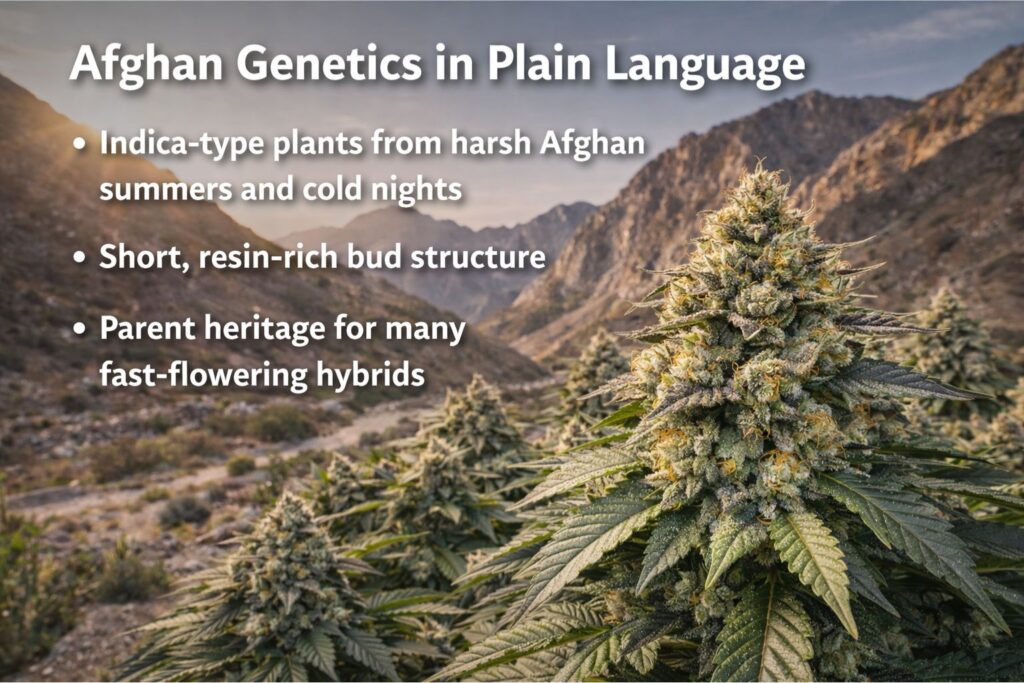
Afghanistan is frequently cited as a cradle of indica-style cannabis, especially lines selected for resin and adaptability. That background is what I mean by Afghan hash plant heritage: plants shaped by harsh summers, cold nights, and a short outdoor season. In modern breeding, Afghan traits are often used to add faster flowering, sturdier branching, and thicker trichome coverage to hybrids—another reason Afghan hash plant heritage still shows up in today’s crosses.
Even when you buy seeds labeled Afghan, you’ll see variation. What matters is how your plant expresses the underlying tendencies: short internodes, wide leaves, and compact indica structure that’s easy to keep tidy in a tent.
Phenotype differences I expect
In my rooms, Afghan-type phenotypes usually fall into three buckets:
- The squat “hash plant” look: very compact indica structure, minimal stretch, quick stacking.
- The medium stretcher: still indica-leaning, but taller with a little more air in the buds.
I keep notes and cull hard. A good Afghan run is about repeatability, not chasing the one plant that photographs best.
Appearance and structure: what the plant looks like when it’s happy
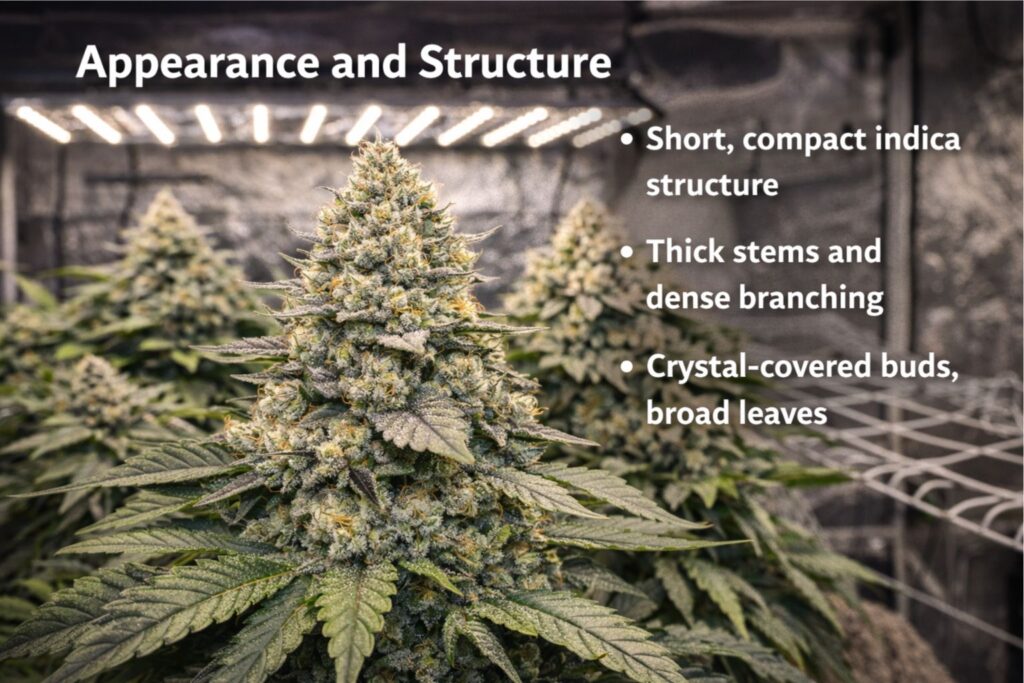
Afghan can feel refreshingly straightforward indoors. I see compact indica structure in veg and early flower, with thick stems and branching that responds well to low-stress training.
I’m looking for resin-rich indica buds in late flower: tight calyx clusters, even trichome coverage, and a surface stickiness that increases without the plant foxtailing from stress.
Training that works with Afghan
I keep training simple:
- Top once in veg after the plant is established.
- Bend and spread branches early to create an even canopy.
- Remove the weakest lower sites that will never reach light.
- Keep airflow moving through the middle of the plant.
That approach preserves compact indica structure while preventing the dense interior from turning into a humidity trap.
Aroma and flavor: my jar notes
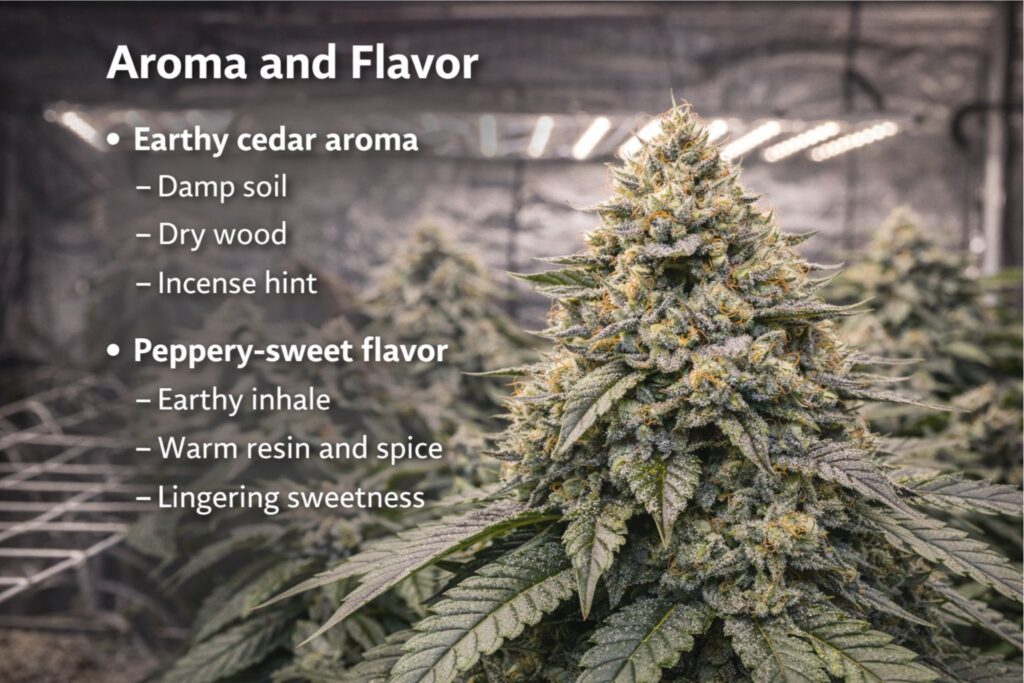
When the dry is slow and the cure is steady, Afghan lines can be loud in a classic way. The most common note I get is earthy cedar aroma: think dry wood, fresh soil, and a slightly incense-like edge. If I push nitrogen too late, that note dulls and the smoke gets sharp.
On the palate, the profile that repeats for me is peppery-sweet flavor. I’ll taste earthy base notes first, then a warm spice, with sweetness that shows up more on the exhale and in the lingering aftertaste. With careful curing, the peppery-sweet flavor becomes smoother and more layered.
Terpenes shift with phenotype, feed, and environment. Still, earthy cedar aroma and peppery-sweet flavor are the two anchors I plan around when I run this weed style.
Effects: what I notice, and what can go wrong

Most Afghan-leaning plants I’ve tried are body-forward. For me, the effects usually start with a calm, slightly uplifted mood and then settle into heavier relaxation. If I’m not careful with dose, it can turn sleepy.
A few cautions:
- New users can get overwhelmed fast, especially with resin-rich indica buds.
- High-THC weed can backfire at high doses if you’re sensitive.
- Heavy indica profiles can reduce motivation.
Grow info: how I actually run Afghan indoors
This Afghan Strain Review is built around indoor cultivation because that’s where most home growers can control the variables. Afghan is forgiving, but it still punishes sloppy climate control, especially late flower.
Light levels and schedule
For photoperiod cannabis, I use 18/6 in veg and 12/12 to flower. My light targets are conservative because I value quality and consistency:
- Veg: 400–600 PPFD
- Mid flower: 700–900 PPFD if the room can support it
If you raise PPFD, watch for leaf edge burn and stalled ripening, and back off before the plant gets stuck.
Temperature, humidity, and VPD
Tight flowers are a mold risk. I plan my climate around VPD targets for flowering:
- Veg: 24–28°C, 60–70% RH
- Early flower: 24–27°C, 55–60% RH
- Late flower: 22–26°C, 45–55% RH
Those bands are a starting point. The goal is steady transpiration so the plant can keep stacking resin-rich indica buds without trapping moisture deep in the flowers.
Medium choice: soil vs coco vs hydro
I’ve grown Afghan-type plants in both soil and coco. Soil gives me a little more buffer on mistakes, while coco gives me faster steering. In coco, the key is monitoring EC range for coco and keeping irrigation consistent.
If you’re new, a high-quality soil mix with measured watering is easier than chasing numbers in hydro.
Feeding targets: pH and EC
I don’t chase extreme feed strength with Afghan. Too much nitrogen early can make the plant lush but reduces terp clarity later.
My practical targets:
- Soil pH: 6.3–6.8 at the root zone
- Coco pH: 5.7–6.1 in the input
- Start bloom moderate, then adjust based on leaf response and runoff.
For coco, I track EC range for coco as a guide:
- Veg: EC 1.0–1.5
- Early to mid flower: EC 1.4–2.0
- Late flower: taper toward EC 1.2–1.6 as ripening starts
If you see burnt tips, reduce EC and increase frequency rather than adding more. Staying within a reasonable EC range for coco helps protect earthy cedar aroma and keeps the smoke cleaner.
Watering and runoff checks
In coco and hydro, I look at runoff EC and pH to catch salt buildup before it flattens flavor. If runoff drifts high, I correct gently over a few irrigations.
Common mistakes I see with Afghan indoors
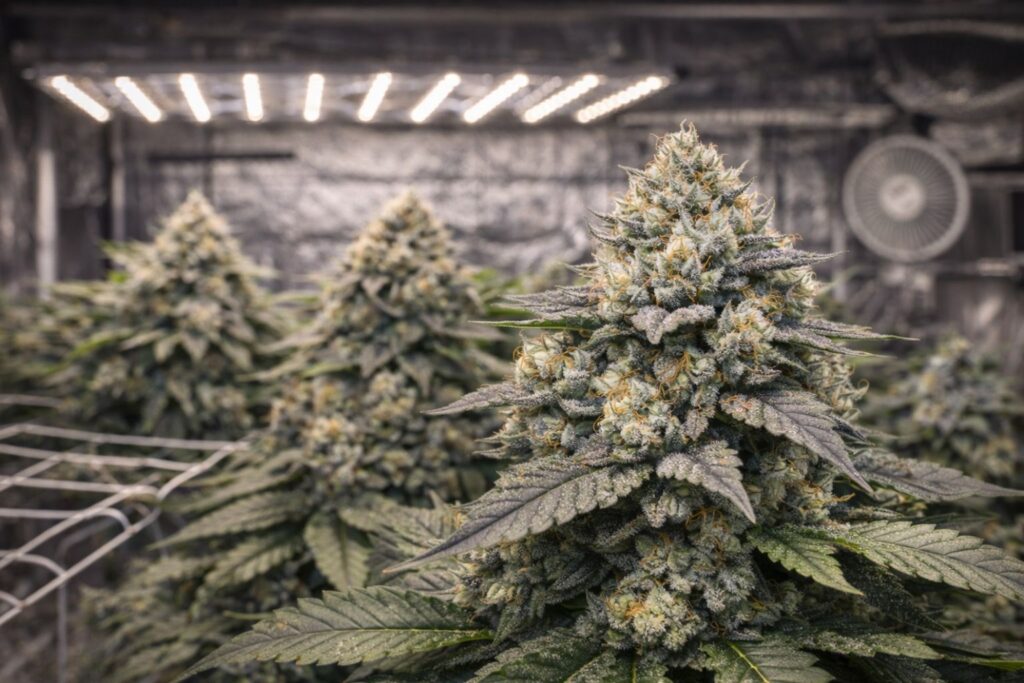
Afghan can look easy, but these mistakes show up fast:
- Overfeeding early bloom and ignoring EC range for coco, which mutes earthy cedar aroma
- Letting humidity climb late flower instead of holding VPD targets for flowering
- Crowding plants so compact indica structure becomes dead-air pockets
- Rushing harvest and skipping a slow dry cure method that lets peppery-sweet flavor develop
Integrated pest management: what I do before it becomes a crisis
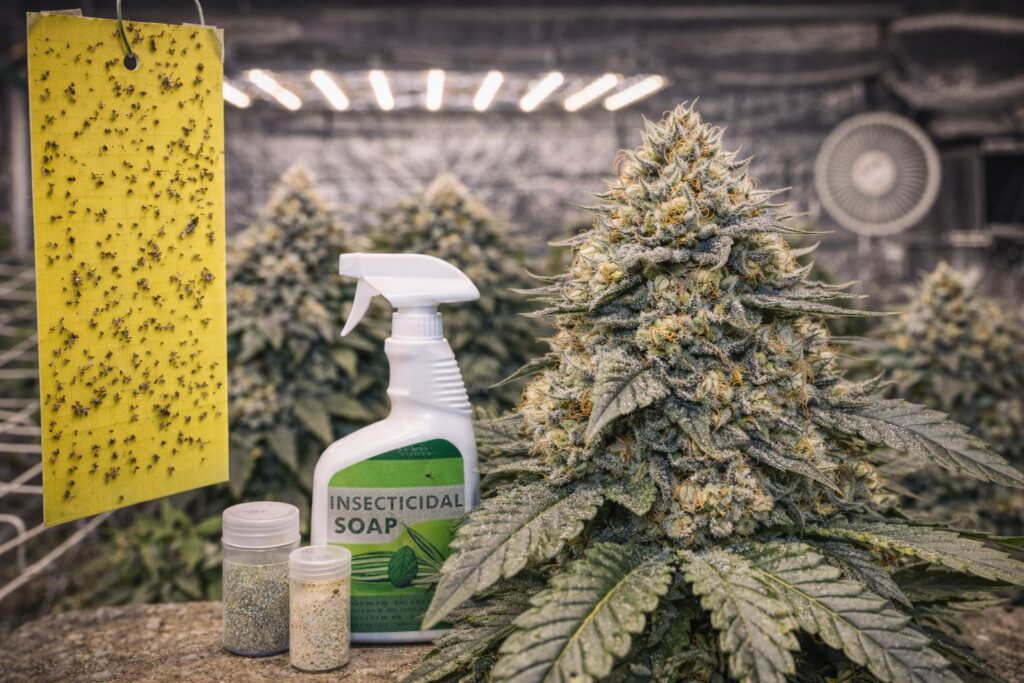
The best pest control is prevention. In every run, I use a pest scouting routine:
- Sticky cards at canopy level
- Weekly leaf inspections under a light
- Quarantine for new plants or clones
- Clean floors and dry standing water
If I’m seeing trouble early in veg, I’ll address it then. Once flowers form, options narrow, and the risk of tainting peppery-sweet flavor goes up. A steady pest scouting routine keeps problems small.
Flower time and harvest cues
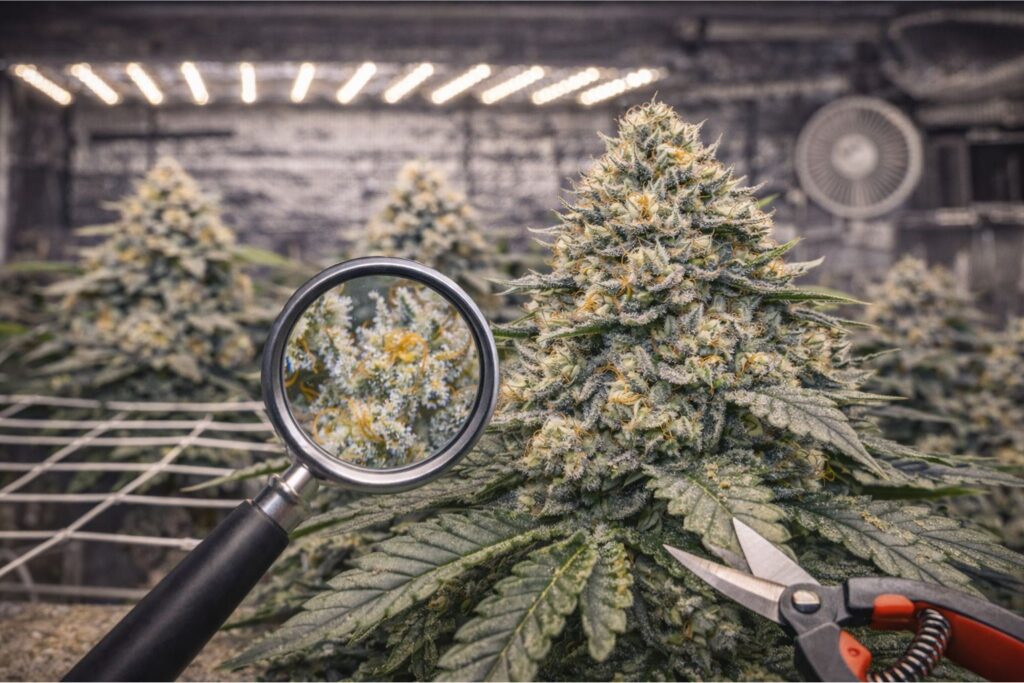
Most Afghan-leaning photoperiod plants I’ve grown finish quickly indoors. A lot of them land around indoor flower time 8 weeks, but I always treat the calendar as a guide, not a rule.
I harvest based on:
- Bud swell and calyx maturity
- Trichomes trending mostly cloudy with some amber, depending on the effect I want
- Aroma shifting from “green” to pronounced earthy cedar aroma
If you harvest too early, peppery-sweet flavor doesn’t fully develop. If you harvest too late, the profile can flatten.
Drying and curing: the difference between okay and excellent
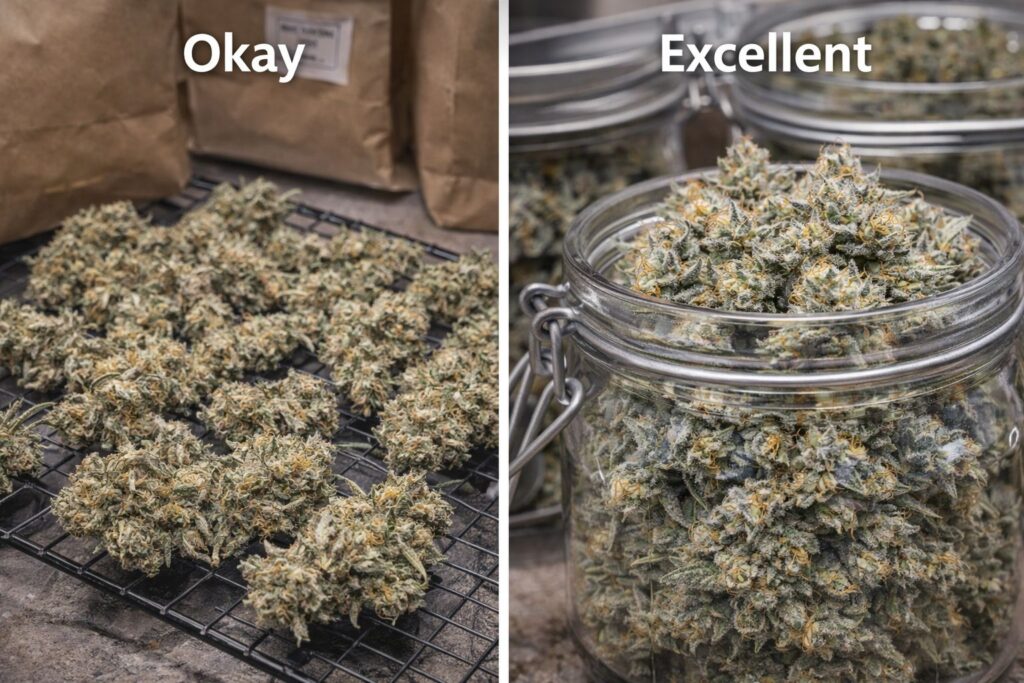
A great grow can be ruined in a week if the dry is rushed. I follow a slow dry cure method that prioritizes stability:
- Hang branches in the dark with gentle air exchange
- Aim for 18–20°C and 55–60% RH
- Dry 7–14 days, depending on room conditions
- Jar or bin cure when small stems snap and the outside is dry but not brittle
During cure, I keep the container RH around 58–62% and “burp” frequently at first. This slow dry cure method is where earthy cedar aroma and peppery-sweet flavor get cleaner and more distinct.
Trim choices: wet vs dry
For Afghan, I prefer a dry trim because it slows moisture loss and helps preserve terpenes. Wet trimming can work in very humid rooms, but it’s easier to overdry.
Seed shopping notes for Afghan-style plants
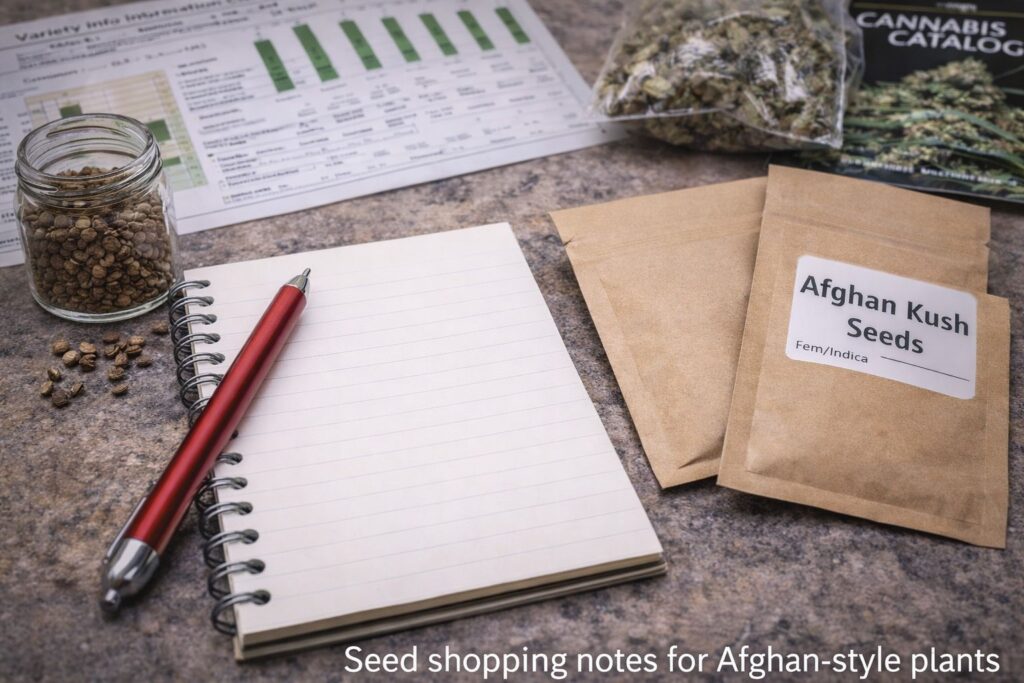
If your goal is classic structure and resin, look for breeder notes that match real cultivation traits: compact indica structure, resin-rich indica buds, and a reliable indoor flower time 8 weeks.
A few practical shopping tips:
- Decide on feminized seeds if you want simplicity, or regular seeds if you want to hunt.
- Read lineage descriptions carefully; “Afghan” can be used loosely in marketing.
- Look for germination guidance and clear shipping policies from the seller.
People often search phrases like “best seeds for indoor indica,” “how to germinate cannabis,” or “coco vs soil for marijuana.” Those are valid questions, but your climate and routine matter more than any single product claim.
Quick grow checklist I use
If you’re skimming this Afghan Strain Review, this is the part I’d screenshot:
- Build an even canopy early and maintain airflow through compact indica structure
- Keep late-flower humidity controlled using VPD targets for flowering
- In coco, track EC range for coco and correct slowly
- Scout weekly using a pest scouting routine
- Don’t rush the slow dry cure method if you care about flavor
FAQ
Is Afghan always an indica?
Most Afghan-type cannabis expresses indica traits, including compact indica structure. Seed lots vary, so keep the phenotype that shows resin-rich indica buds and the strongest earthy cedar aroma.
What nutrients are best for Afghan in coco?
The brand matters less than your routine. Keep pH stable, avoid late nitrogen, and use EC range for coco as a guardrail. If the leaves stay healthy and the buds keep swelling, you’re on track.
How do I prevent mold in tight flowers?
Start with airflow and spacing, then manage humidity late flower. I treat VPD targets for flowering as the baseline, and I don’t let leaves mat together inside compact indica structure.
How long should I cure Afghan buds?
The best jars come after four to six weeks. A consistent slow dry cure method improves smoothness and makes peppery-sweet flavor more obvious.
Final thoughts from my last run
I’m publishing this Afghan Strain Review as a practical reference: what the plant tends to do, how I steer it, and where I see growers mess up. If you chase stable conditions, keep a simple training plan, and commit to a slow dry cure method, Afghan-type weed can deliver resin-rich indica buds with Afghan hash plant heritage character, a classic earthy cedar aroma, and a satisfying peppery-sweet flavor that holds up in the jar.
For a complete directory of cultivars, visit our Cannabis Strain Reviews.
