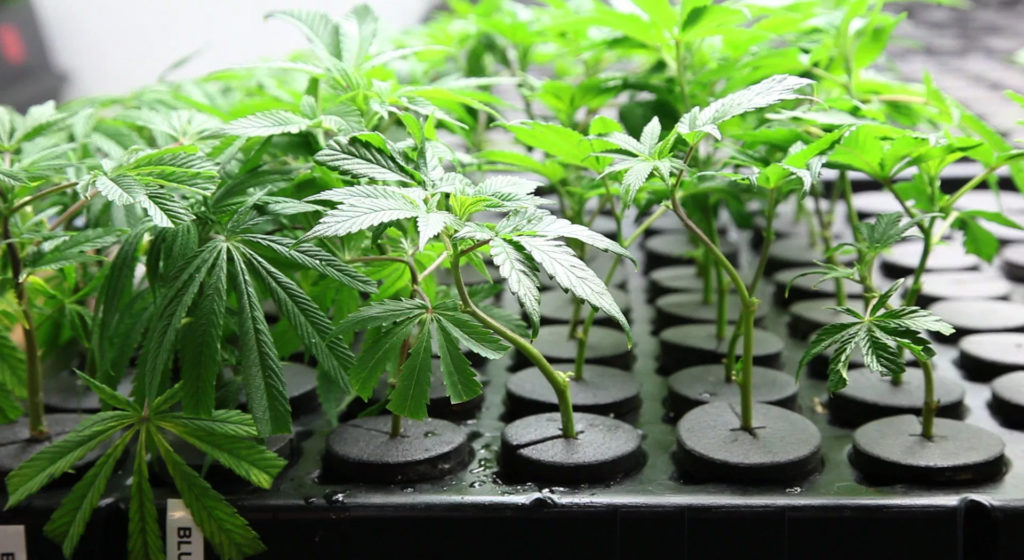
Aeroponics and Air-based Growing Mediums
Aeroponics has increasingly gained traction in modern agriculture, especially within the realm of medical cannabis cultivation, for its ability to grow plants without traditional soil or water-based mediums. Instead, it employs air as the primary medium, with nutrients delivered directly to the plant roots in a fine mist. This system not only conserves water but also allows for precise control over nutrient and environmental conditions, producing a highly optimized growth environment that enhances the quality, yield, and consistency of medical cannabis. In this detailed analysis, we will explore the foundational aspects of aeroponic systems, the specific mechanisms that make them suitable for medical cannabis cultivation, and how they benefit the medical cannabis sector in terms of sustainability, quality, and potency.
Understanding Aeroponics and the Role of Air-Based Growing Mediums
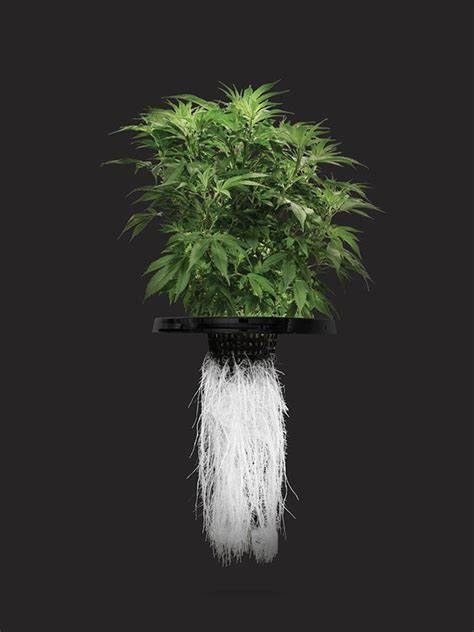
Aeroponics operates on the principle of growing plants in an environment without the need for soil or any substantial rooting substrate. Instead, the plants are suspended in a closed or semi-closed environment where their roots are exposed to a mist containing water and nutrients. This type of growth system distinguishes itself from hydroponics, which involves suspending roots in water, and soil-based systems where roots anchor and absorb nutrients directly from the earth.
In aeroponic setups, water and nutrients are converted into a fine mist or aerosol, which is then sprayed onto the plant roots at regular intervals. This system provides direct access to nutrients, maximizes oxygen availability, and reduces the likelihood of root disease, which can occur in soil or hydroponic systems due to root overcrowding or poor aeration. With a properly calibrated aeroponic setup, plants can achieve faster growth rates, higher yields, and improved nutrient uptake efficiency—factors essential for the cultivation of high-quality medical cannabis.
Advantages of Aeroponics for Medical Cannabis Cultivation
The benefits of aeroponics extend into several areas critical to the production of medical cannabis:
- Enhanced Nutrient Delivery: Aeroponic systems offer a precise method of delivering nutrients to cannabis plants. Nutrients are introduced as a mist, ensuring even and direct distribution to the roots, enhancing uptake efficiency. This control over the delivery of nutrients is essential for medical cannabis, where uniformity in the cannabinoid and terpene profiles is critical. Growers can fine-tune nutrient mixes to produce plants with specific therapeutic profiles, leading to more reliable effects for patients.
- Increased Oxygen Availability: Unlike soil or water mediums, aeroponics enables greater oxygen availability to the roots. Oxygen is vital for root health, enhancing metabolic processes that support rapid growth and stronger plants. Elevated oxygen levels can lead to increased production of secondary metabolites such as cannabinoids and terpenes, the compounds responsible for cannabis’s medicinal properties.
- Water Efficiency: Aeroponics is highly water-efficient, using up to 95% less water than traditional soil-based growing methods. In the medical cannabis industry, where environmental sustainability is increasingly valued, this water conservation offers a responsible, eco-friendly cultivation method. Furthermore, aeroponics’ closed system minimizes water loss through evaporation, ensuring that nearly every drop contributes directly to plant growth.
- Disease Reduction: Root-borne diseases are a significant risk in traditional soil and hydroponic systems, often caused by pathogens proliferating in waterlogged or low-oxygen environments. In aeroponic systems, the increased oxygen levels and lack of continuous water submersion significantly reduce the risk of such diseases. For medical cannabis, which requires strict quality control to ensure safety and efficacy, the reduction in root diseases is a considerable advantage, reducing the need for chemical treatments that may compromise the plant’s therapeutic qualities.
- Faster Growth and Higher Yields: Aeroponics promotes rapid plant growth, which can lead to faster harvest cycles and higher yields. For medical cannabis producers, increased yield per plant and shorter growth cycles translate into higher productivity and more consistent product availability. This increased output helps meet the growing demand for medical cannabis without compromising quality.
- Precision Control of Growing Conditions: Aeroponic systems allow growers to exercise precise control over environmental conditions such as temperature, humidity, and CO2 levels. These factors directly influence the cannabinoid and terpene profiles of cannabis, which determine its medicinal effects. By maintaining ideal growing conditions, aeroponics can produce plants with enhanced therapeutic qualities tailored to specific medical applications.
Components of an Aeroponic System for Medical Cannabis Cultivation
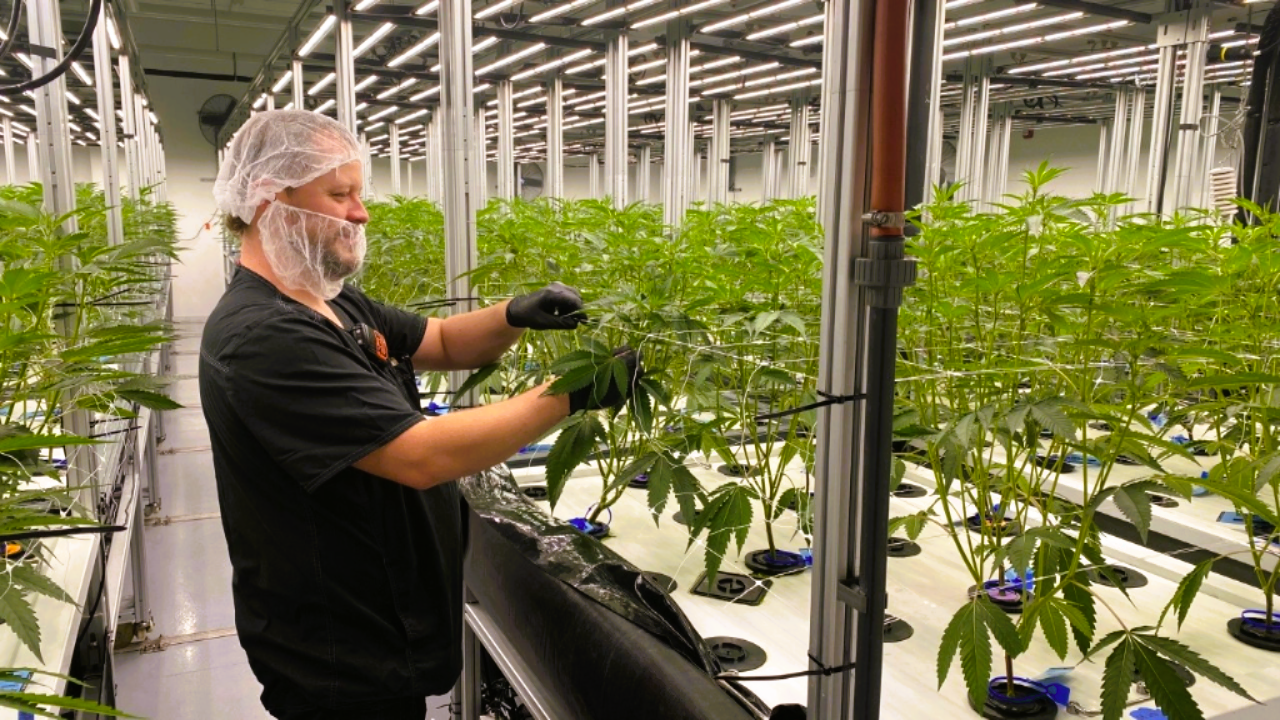
A well-functioning aeroponic system for medical cannabis cultivation involves several key components, each critical for ensuring optimal plant growth and health:
- Misting System: At the heart of any aeroponic setup is the misting system, which delivers nutrient-laden water to the roots. High-pressure pumps and misting nozzles are used to create a fine aerosol, ensuring that the nutrient mist reaches the entire root surface. In medical cannabis cultivation, misting intervals can be adjusted based on the plant’s developmental stage, allowing for optimal nutrient delivery throughout the growth cycle.
- Root Chamber: The root chamber houses the plant roots and serves as the area where misting occurs. It must be designed to keep roots isolated from light (which can inhibit growth) and maintain high humidity levels, preventing roots from drying out. The design and maintenance of the root chamber are essential to ensure consistent quality in medical cannabis production.
- Reservoir: The root-mistting nutritional solution is stored in the reservoir. In a closed-loop aeroponic system, the reservoir is a critical component, allowing for the recapture and recycling of nutrients, which reduces waste. The nutrient composition must be monitored and adjusted to meet the specific requirements of cannabis plants, ensuring that they receive the right nutrients in the correct concentrations.
- Control System: Automated control systems are increasingly common in advanced aeroponic setups. These systems monitor and adjust factors such as misting frequency, nutrient concentration, pH, temperature, and humidity. Automation allows growers to maintain consistent growing conditions, which is essential for producing high-quality, medically effective cannabis.
- Lighting: While the aeroponic system itself deals primarily with root care, proper lighting is essential for the photosynthetic process. Full-spectrum LED lights are commonly used for medical cannabis due to their energy efficiency and ability to mimic natural sunlight. The choice of lighting can impact the plant’s growth rate, cannabinoid content, and terpene profile, making it an integral part of the cultivation setup.
Optimizing Aeroponic Systems for Cannabinoid and Terpene Production
The cannabinoid and terpene profiles of cannabis are responsible for its medicinal effects. Cannabinoids like THC and CBD are widely studied for their therapeutic applications, including pain relief, anti-inflammatory effects, and neurological benefits. Terpenes, while less studied, are also known to contribute to cannabis’s therapeutic effects and work synergistically with cannabinoids in what is known as the “entourage effect.” By fine-tuning an aeroponic system, growers can influence the production of these compounds to enhance the medicinal qualities of cannabis.
- Nutrient Management: Different stages of the cannabis growth cycle require varying nutrient compositions. Aeroponics allows for precise control over nutrient ratios, which can be adjusted to promote cannabinoid and terpene production. For instance, certain studies suggest that higher potassium levels during the flowering stage can enhance resin production, contributing to higher concentrations of cannabinoids and terpenes. Tailoring nutrient delivery in this manner enables growers to optimize the medicinal potency of their plants.
- Environmental Control: Temperature, humidity, and CO2 levels play significant roles in terpene and cannabinoid synthesis. Higher temperatures may encourage terpene production, while carefully regulated CO2 levels can enhance growth and resin production. Aeroponics provides a high level of control over these environmental variables, allowing growers to create conditions that maximize medicinal compound production.
- Stress-Induction Techniques: Some aeroponic systems integrate mild stress-induction techniques to promote secondary metabolite production, such as cannabinoids and terpenes. Techniques like controlled drought stress or slight nutrient imbalances can stimulate cannabis plants to produce more resin, which contains these therapeutic compounds. While stressing plants must be done carefully to avoid negative effects, it can be an effective strategy in medical cannabis cultivation.
Quality Control and Consistency in Aeroponic-Grown Medical Cannabis
For medical cannabis, consistency is critical to ensure predictable and reliable effects for patients. The controlled nature of aeroponics makes it easier to maintain uniform quality across different crop cycles, an advantage that soil-based systems or even hydroponic systems may struggle to match.
- Consistency in Cannabinoid and Terpene Profiles: Medical cannabis patients rely on consistent cannabinoid and terpene profiles to achieve predictable therapeutic effects. Aeroponics’ controlled environment allows growers to standardize conditions across multiple grow cycles, resulting in plants with similar profiles in every batch. This consistency is invaluable for medical cannabis providers, who must adhere to strict quality control standards to ensure patient safety and product efficacy.
- Reduction in Contaminants: Soil and water-based systems can introduce contaminants like heavy metals, pesticides, or pathogens, which are harmful to patients. Aeroponics reduces this risk by isolating roots from soil and relying on filtered, carefully monitored nutrient solutions. This cleaner growing method aligns with the stringent testing requirements for medical cannabis products, ensuring that they are safe and free from harmful contaminants.
- Enhanced Traceability: In aeroponic systems, every element of the plant’s growth—nutrient composition, environmental conditions, and even misting intervals—can be tracked and recorded. This traceability is essential for medical cannabis, where regulatory compliance requires thorough documentation of cultivation practices. With aeroponics, growers can maintain detailed records, improving accountability and transparency.
Environmental Sustainability of Aeroponics in Medical Cannabis
Concern over sustainability in agriculture is on the rise, and cannabis production is no different. Aeroponics offers several environmental benefits, aligning well with the medical cannabis industry’s shift towards eco-friendly practices.
- Water Conservation: Traditional cannabis cultivation methods are water-intensive, which raises concerns about resource sustainability. Aeroponic systems, by contrast, use significantly less water by recirculating nutrient solutions and minimizing evaporation. This makes aeroponics one of the most water-efficient cultivation methods available, ideal for regions facing water scarcity.
- Reduced Chemical Use: Aeroponics reduces the need for pesticides and herbicides, as the closed growing environment minimizes the risk of pests and diseases. This not only benefits the environment but also ensures that medical cannabis products remain free from harmful chemical residues, which is crucial for patient safety.
- Lower Energy Requirements: Although aeroponic systems require energy to operate misting systems and environmental controls, they can be more energy-efficient than traditional indoor grow setups, particularly with the use of LED lighting. Combined with renewable energy sources, aeroponics can create a sustainable, low-impact cultivation system for medical cannabis.
Challenges and Considerations in Aeroponic Medical Cannabis Cultivation
While aeroponics offers numerous advantages, it also presents some challenges that growers must address:
- Initial Setup Costs: High-quality aeroponic systems can be expensive to install and require advanced equipment like high-pressure pumps, misting nozzles, and automated controls. While the investment can be recouped through increased yield and quality, the upfront costs can be a barrier for small-scale or new medical cannabis operations.
- Technical Complexity: Aeroponics requires a high level of technical knowledge and maintenance, particularly regarding nutrient management and system calibration. Any disruptions to the misting schedule or nutrient supply can quickly stress plants, which may impact growth and cannabinoid production. For medical cannabis, where consistency and reliability are paramount, growers must ensure that their systems are properly managed and maintained.
- Risk of System Failure: Because aeroponic systems rely on equipment like pumps and misting devices, they are vulnerable to mechanical failures. A pump malfunction, for instance, can deprive plants of nutrients and water, potentially causing rapid wilting or root desiccation. Backup systems and regular maintenance are essential to prevent these issues in a medical cannabis context.
- Regulatory Compliance: The medical cannabis industry is subject to rigorous regulations regarding cultivation practices and product quality. Aeroponic growers must ensure that their methods comply with these regulations, including requirements for cleanliness, documentation, and quality control. This can add additional administrative and operational burdens, especially for those new to aeroponics.
Future Prospects and Innovations in Aeroponic Medical Cannabis Cultivation
The future of aeroponic medical cannabis cultivation is promising, with innovations continually enhancing system efficiency, sustainability, and precision. Developments in automation and artificial intelligence (AI) hold potential for even greater control over environmental and nutrient variables, allowing for fully optimized growing conditions. With AI-driven data analysis, growers can make data-backed adjustments to enhance cannabinoid and terpene production, further refining the medicinal qualities of cannabis.
Another exciting area is the integration of aeroponics with vertical farming, which would allow growers to maximize space by stacking multiple layers of plants. This setup could significantly increase yield per square foot, making aeroponic systems even more appealing for medical cannabis producers.
As the medical cannabis industry grows and the demand for eco-friendly, high-quality products increases, aeroponics is likely to play a central role in the cultivation process. By delivering a high level of control, efficiency, and sustainability, aeroponic systems offer a viable and promising solution for producing cannabis tailored to medical use.
Restrictive Regulations for Medical Cannabis Use and Cultivation

The use of cannabis in the medical field is governed by stringent regulations to ensure patient safety, especially given the psychoactive properties of THC. These restrictions help frame cannabis as a “last resort” treatment, only prescribed when other treatments have proven ineffective.
- Limited Conditions and Last-Resort Usage: Medical cannabis is typically reserved for specific conditions, such as severe chronic pain, epilepsy, or chemotherapy-induced nausea, and is prescribed only after conventional treatments have failed. Physicians must carefully evaluate each patient’s case to justify cannabis as a necessary last-resort therapy.
- Controlled Cultivation Practices: Licensed facilities must adhere to strict cultivation standards, often monitored by regulatory bodies to ensure consistency in cannabinoid levels, including THC. These regulations help mitigate psychoactive risks, providing a predictable and controlled therapeutic effect.
- THC Level Monitoring and Standardization: One of the critical aspects of medical cannabis regulation is controlling THC concentrations in prescribed products. In many regions, cannabis-based medications are designed to have minimal THC levels to reduce psychoactive effects. This approach prioritizes non-psychoactive cannabinoids like CBD, which can provide therapeutic benefits without causing a “high.”
- Patient Monitoring and Follow-Up: Patients using medical cannabis are often required to undergo regular check-ups to monitor the efficacy of the treatment and potential side effects. This vigilant approach helps doctors adjust dosages and formulations to prevent unwanted psychoactive effects.
- Education and Informed Consent: The possible hazards and advantages of medical cannabis must be thoroughly explained to patients. This transparency ensures that they understand cannabis’s role as a last-resort treatment and allows them to make informed decisions about their care.
By enforcing these restrictions, medical authorities aim to harness the therapeutic potential of cannabis while minimizing risks associated with its psychoactive components. This controlled, patient-centered approach helps cannabis retain its place as a regulated, effective treatment option.
Conclusion
In conclusion, the use of aeroponics in medical cannabis cultivation presents a forward-looking approach that combines sustainability, precision, and enhanced quality control. By growing plants in air-based mediums with direct nutrient delivery through misting, aeroponics allows for greater control over the cultivation environment, ensuring consistency in cannabinoid and terpene profiles. This precision is vital in the medical cannabis field, where product quality, safety, and therapeutic effectiveness are paramount. Aeroponic systems minimize water usage, reduce disease risk, and optimize oxygen availability to roots, contributing to healthier plants and higher yields—factors essential to meeting the growing demand for medical cannabis.
However, the production and use of medical cannabis remain under strict regulatory control, particularly with its application as a last-resort treatment for severe conditions. Ensuring that THC levels in medications are carefully monitored is crucial to avoid psychoactive effects, focusing instead on therapeutic benefits for patients. Cultivation facilities are required to adhere to rigorous standards to produce safe, effective cannabis products, and patient use is tightly monitored through physician oversight and routine follow-ups. This regulated framework, along with informed patient consent and strict criteria for use, aims to harness the benefits of medical cannabis while safeguarding against misuse or unwanted psychoactive effects.
Overall, aeroponic cultivation and strict regulatory oversight complement each other to create a responsible and effective system for producing medical cannabis. Together, they ensure that cannabis remains a viable, safe, and sustainable option for patients who have exhausted other treatments, supporting its role in the medical field with a focus on health, efficacy, and controlled application.
