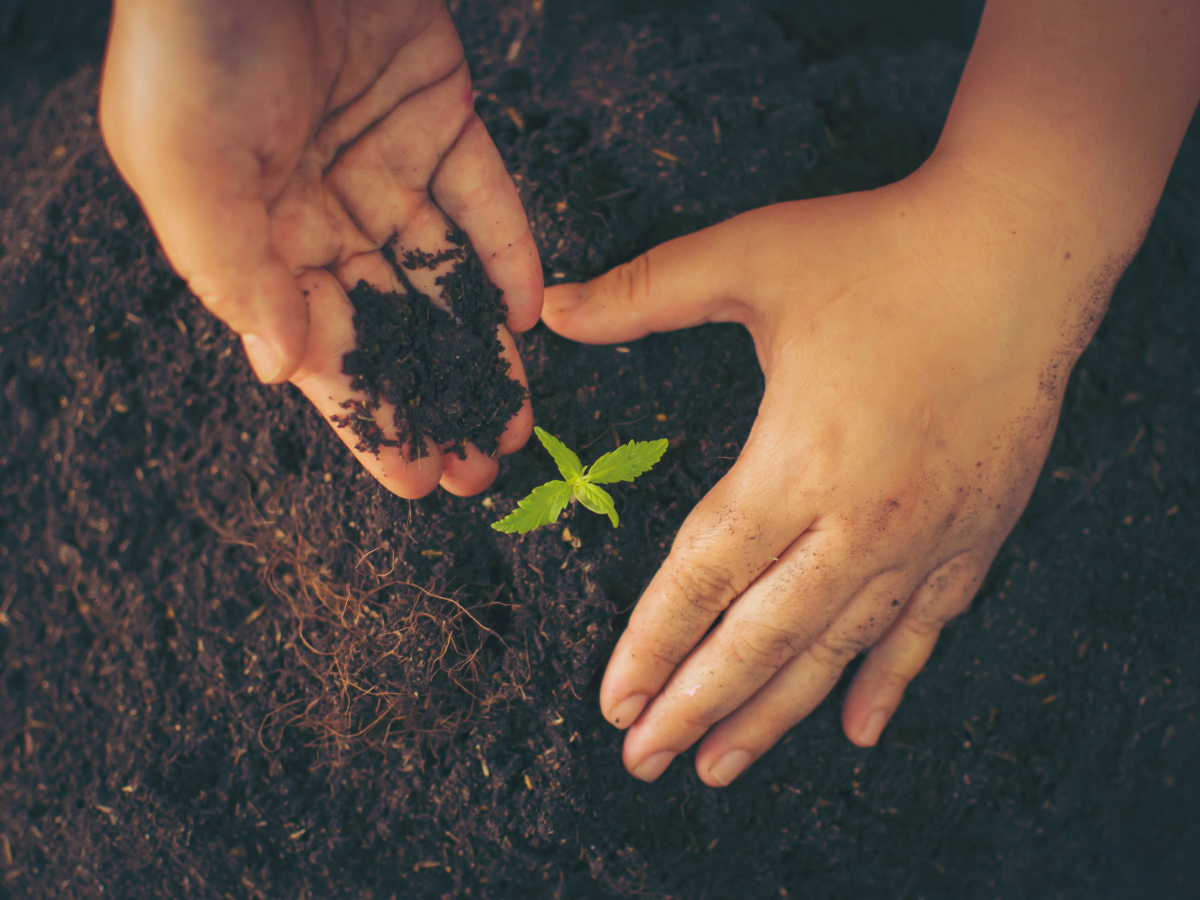
The Importance of Aeration in Soil for Medical Cannabis Growth
Introduction
Medical cannabis cultivation is an intricate process that demands meticulous attention to various factors influencing plant health and development. One of the key factors is the soil’s physical properties, particularly aeration. Aeration refers to the presence of air within the soil, ensuring that plant roots have access to oxygen, a vital component for their growth and nutrient absorption. In the context of medical cannabis cultivation, achieving optimal soil aeration is especially crucial due to the delicate nature of the plant and the precise conditions required to produce cannabinoids, such as THC and CBD, that are used for medical purposes.
The cultivation of medical cannabis is distinct from recreational cannabis cultivation due to its primary focus on maximizing the medicinal properties of the plant, such as its anti-inflammatory, pain-relieving, and anti-anxiety effects. As such, growers must ensure that all conditions, including soil composition and aeration, are optimized to support the growth of healthy, high-quality cannabis plants. In this detailed exploration, we will examine the importance of soil aeration in medical cannabis growth, delving into how it affects root development, nutrient uptake, water retention, microbial activity, and overall plant health. We will also discuss best practices for improving aeration in soil to achieve the ideal environment for cultivating medical-grade cannabis.
The Role of Aeration in Soil
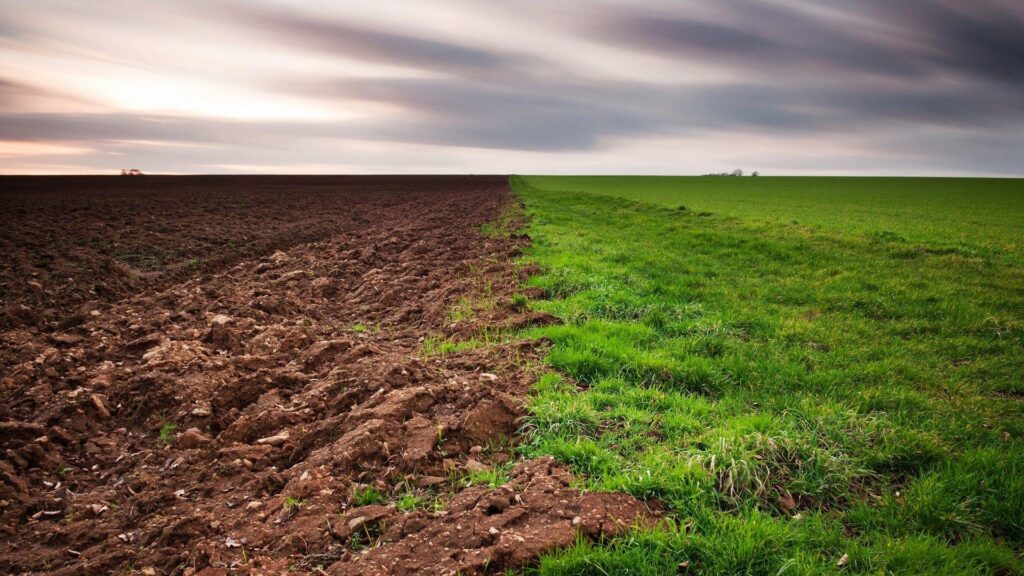
Aeration refers to the process by which air is circulated through, mixed with, or exchanged within the soil, facilitating the diffusion of gases such as oxygen and carbon dioxide. Roots require oxygen for respiration, a critical metabolic process that provides energy for growth and the absorption of water and nutrients. Conversely, carbon dioxide, which is produced as a byproduct of respiration, must be able to escape from the soil to prevent toxicity and suffocation of the roots. Proper aeration ensures that oxygen levels are sufficient for root respiration and that carbon dioxide is adequately expelled.
In poorly aerated soil, the lack of oxygen can lead to hypoxic conditions, which stunt plant growth, inhibit nutrient uptake, and ultimately result in plant stress or death. For medical cannabis, achieving the right balance of soil aeration is paramount, as this directly impacts the plant’s ability to produce cannabinoids, which are the active compounds sought after for their therapeutic properties. Plants that are stressed or unhealthy may produce lower quantities of these vital compounds or may exhibit undesirable changes in their cannabinoid profiles.
Soil Aeration and Root Development
Roots are the major organs responsible for water and nutrient intake, and their health is directly proportional to the plant’s above-ground condition. In medical cannabis cultivation, robust root systems are essential for producing healthy plants with high levels of cannabinoids. Roots need access to oxygen in order to carry out cellular respiration, a process that provides the energy required for root growth and nutrient absorption.
When soil is poorly aerated, roots struggle to absorb the necessary oxygen, leading to reduced root growth and a weakened ability to absorb water and nutrients. This can lead to poor plant development, reduced cannabinoid production, and greater vulnerability to diseases and pests. Furthermore, poor aeration can lead to the development of anaerobic conditions, which are conducive to the growth of harmful bacteria and fungi that can cause root rot and other diseases.
For medical cannabis, root health is not only crucial for plant growth but also for the plant’s ability to produce specific cannabinoids in the correct concentrations. Research has shown that stressors such as root hypoxia can negatively impact the cannabinoid profile of cannabis plants, potentially leading to lower concentrations of THC, CBD, and other medically valuable compounds. Therefore, ensuring optimal aeration in the soil is essential for maximizing the medicinal value of cannabis plants.
Nutrient Uptake and Soil Aeration
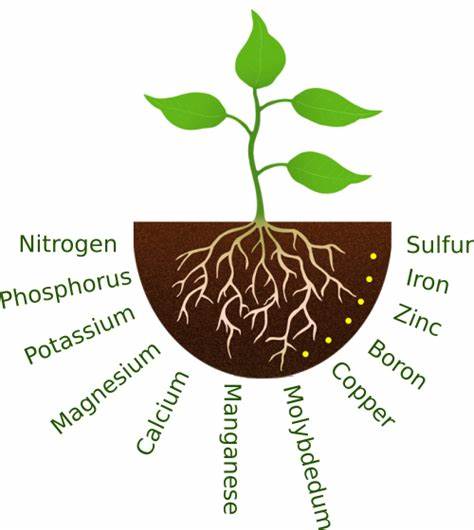
Soil aeration plays a vital role in facilitating nutrient uptake by plant roots. In well-aerated soils, nutrients are more readily available to the plant roots because the soil particles are spaced far enough apart to allow water, nutrients, and air to move freely. This improves the plant’s ability to absorb essential nutrients such as nitrogen, phosphorus, potassium, and trace minerals, all of which are critical for the healthy growth and development of medical cannabis plants.
In poorly aerated soils, compaction and waterlogging can occur, leading to anaerobic conditions that limit the availability of nutrients. In particular, nitrogen, which is essential for leaf and stem development, becomes less available in anaerobic soils because the beneficial bacteria responsible for nitrogen fixation and nitrification are oxygen-dependent. Similarly, the availability of phosphorus, which is necessary for root development and flowering, can be reduced in poorly aerated soils due to the lack of oxygen for microbial activity.
For medical cannabis growers, ensuring that plants have access to a balanced and readily available nutrient supply is crucial for producing high-quality crops with optimal medicinal properties. Poor nutrient uptake not only affects the plant’s overall growth and health but can also lead to imbalances in the cannabinoid profile, reducing the effectiveness of the plant’s therapeutic compounds.
Water Retention and Drainage
Soil aeration is closely linked to water retention and drainage, two factors that are critical for maintaining the health of medical cannabis plants. While cannabis plants require a consistent supply of water to support their growth, they are highly susceptible to waterlogging, which can occur when soil is poorly aerated. Waterlogged soil reduces the amount of oxygen available to the roots, leading to hypoxic conditions that can cause root rot, fungal infections, and stunted growth.
In contrast, well-aerated soil has superior drainage capabilities, allowing excess water to flow while maintaining adequate moisture for the plant to absorb. This balance is critical for preventing root infections and ensuring that the plant is adequately hydrated without getting soggy.
In medical cannabis cultivation, maintaining the right balance of water retention and drainage is particularly important during the flowering stage, when the plant’s cannabinoid production is at its peak. During this stage, excessive water or poor drainage can lead to nutrient deficiencies, stunted growth, and reduced cannabinoid production, all of which can negatively impact the medicinal value of the final product.
Microbial Activity and Soil Health
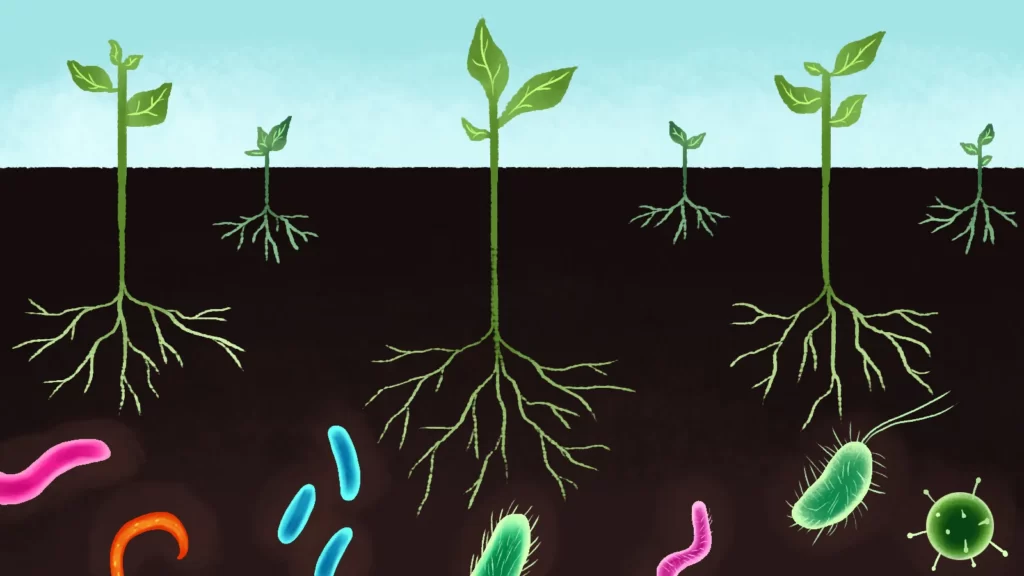
The soil microbiome plays a crucial role in the growth and development of medical cannabis plants, influencing nutrient cycling, root health, and disease resistance. Soil aeration is a key factor in maintaining a healthy soil microbiome, as many beneficial microorganisms, including bacteria, fungi, and protozoa, require oxygen to thrive.
In well-aerated soil, oxygen is readily available, promoting the growth of beneficial aerobic microorganisms that help break down organic matter, fix nitrogen, and make nutrients more available to the plant. These microorganisms also play a critical role in protecting the plant from pathogens by competing for resources and producing natural antibiotics that inhibit the growth of harmful microbes.
In contrast, poorly aerated soils can lead to anaerobic conditions, which favor the growth of harmful microorganisms such as certain types of bacteria and fungi that can cause root diseases and inhibit plant growth. Anaerobic conditions can also lead to the buildup of toxic compounds, such as hydrogen sulfide and methane, which can further stress the plant and reduce its ability to produce cannabinoids.
For medical cannabis growers, maintaining a healthy soil microbiome is essential for producing high-quality plants with the desired medicinal properties. By ensuring that the soil is well-aerated, growers can promote the growth of beneficial microorganisms, enhance nutrient availability, and protect the plant from diseases, all of which contribute to the production of a potent and effective medicinal product.
Methods for Improving Soil Aeration
Given the importance of soil aeration in medical cannabis cultivation, growers must implement strategies to improve and maintain optimal aeration in their soil. There are several methods for improving soil aeration, including the use of soil amendments, proper watering techniques, and soil cultivation practices.
- Soil Amendments: One of the most efficient strategies to promote soil aeration is to incorporate organic matter like compost, peat moss, or coco coir. These compounds help to increase soil porosity, allowing more air to circulate and increasing drainage. Furthermore, organic matter feeds beneficial microbes, which improves soil health.
- Perlite and Vermiculite: Perlite and vermiculite are lightweight, porous materials that can be mixed into the soil to improve aeration and drainage. Perlite is a volcanic glass that expands when heated, creating small air pockets within the soil. Vermiculite is a mineral that can absorb water, helping to improve water retention while still allowing for adequate aeration.
- Proper Watering Techniques: Overwatering is one of the most common causes of poor soil aeration in cannabis cultivation. Growers should avoid watering their plants too frequently or using too much water at once, as this can lead to waterlogged soil and reduced oxygen availability. Instead, it is better to water the plants deeply but infrequently, allowing the soil to dry out slightly between waterings to maintain good aeration.
- Soil Cultivation Practices: Tilling or loosening the soil can help to improve aeration by breaking up compacted soil and creating space for air to circulate. However, excessive tilling can damage the soil structure and disrupt the microbial community, so it should be done carefully and only when necessary.
- Raised Beds or Containers: Growing medical cannabis in raised beds or containers can help to improve soil aeration by providing better drainage and reducing the risk of soil compaction. Raised beds and containers also allow growers to have more control over the soil composition, making it easier to create a well-aerated growing environment.
- Aeration Tools: Aeration tools, such as soil probes or garden forks, can be used to manually create air channels in the soil, improving oxygen flow to the roots. These instruments are especially effective in outdoor cultivation, where soil compaction is a typical problem.
Restrictions on Growing and Using Cannabis in the Medical Field
The medical use of cannabis is subject to strict regulations and guidelines in many countries to ensure its safe and controlled application in healthcare. These regulations are particularly focused on limiting its use to therapeutic purposes and preventing any psychoactive or recreational misuse. Medical cannabis is primarily prescribed when traditional treatments have failed, and its use as a last resort is a common guideline in many legal frameworks. This is especially crucial when considering cannabis products containing tetrahydrocannabinol (THC), the psychoactive compound in cannabis that can alter mental state if not properly regulated.
Growing Medical Cannabis: Regulations and Oversight
The cultivation of medical cannabis is heavily regulated to maintain the quality, consistency, and safety of the products used for medicinal purposes. Most countries with legal medical cannabis programs require growers to obtain specific licenses, which are often granted by government bodies overseeing pharmaceuticals or agricultural products.
The growing process is carefully monitored to ensure that the cannabis meets medical-grade standards. This includes controlling for contaminants such as pesticides, heavy metals, and molds, which could be harmful to patients with compromised immune systems or other health issues. Medical cannabis growers are required to follow good agricultural and manufacturing practices (GMP) to ensure that the final product is consistent in cannabinoid content and free from harmful substances.
In addition to these general requirements, many jurisdictions limit the types of cannabis that can be grown for medical purposes, often focusing on strains that have specific cannabinoid profiles suitable for treating medical conditions. For instance, strains that are high in cannabidiol (CBD) and low in THC are often preferred because they offer therapeutic benefits without significant psychoactive effects.
Medical Cannabis as a Last Resort
A common restriction in the medical field is the mandate that cannabis be used only as a last resort, meaning it is typically prescribed when other conventional treatments have proven ineffective or intolerable. This is due to both the lack of long-term research in some areas and concerns over potential side effects, particularly those related to THC’s psychoactive properties.
Doctors who prescribe medical cannabis are usually required to document that patients have undergone other forms of treatment before cannabis is considered. This aligns with the principle of minimizing risks while ensuring that patients receive appropriate care. By reserving medical cannabis for situations where no other effective treatment exists, healthcare providers can justify its use while avoiding unnecessary exposure to the risks associated with cannabis use, such as dependency or the psychoactive effects of THC.
Monitoring THC Levels in Medications
To prevent unwanted psychoactive effects, particularly in vulnerable patient populations, monitoring THC levels in medical cannabis products is critical. THC is the major ingredient responsible for the “high” associated with cannabis usage, which can be disorienting or dangerous, particularly for individuals with mental health issues, the elderly, or those who require full cognitive function.
Many regulatory bodies enforce strict limits on the amount of THC that can be present in medical cannabis products. In some jurisdictions, medical cannabis products intended for use in children or elderly patients, or for specific conditions like epilepsy or chronic pain, are required to contain very low levels of THC or none at all, focusing instead on CBD, which is non-psychoactive but offers significant therapeutic benefits.
Cannabis manufacturers are also required to test each batch of product for THC and CBD levels, ensuring consistency and safety. These tests are conducted by licensed laboratories and must meet stringent standards for accuracy. The results are typically provided to healthcare providers and patients to ensure that the medication meets the required specifications and to prevent unintentional intoxication.
Safeguarding Patients
To further safeguard patients, many countries require that medical cannabis be dispensed only by licensed healthcare professionals or pharmacists. In some cases, patients may also need to register with a medical cannabis program and obtain a special prescription or identification card to legally access cannabis-based medications.
By tightly regulating the growing, prescribing, and dispensing of medical cannabis, as well as by monitoring THC levels in medications, governments can ensure that cannabis is used safely and effectively in the medical field, while minimizing the risk of psychoactive effects on patients. This approach aligns with the broader goal of using medical cannabis as a targeted, last-resort therapy, tailored to the individual needs of patients with serious or treatment-resistant conditions.
Conclusion
Soil aeration plays a fundamental role in the successful cultivation of medical cannabis, directly influencing root development, nutrient absorption, water management, and overall plant health. By ensuring optimal soil aeration, growers can create an environment that fosters healthy cannabis plants, which in turn maximizes the production of cannabinoids like THC and CBD. Given the specific needs of medical cannabis plants, achieving the right balance of air, water, and nutrients is crucial for producing high-quality medicinal products. For growers aiming to meet the strict standards required for medical cannabis, paying attention to soil aeration is essential to ensuring consistent, safe, and effective medicine for patients.
At the same time, the cultivation and use of medical cannabis are subject to stringent regulations, particularly to prevent recreational misuse and minimize the risk of psychoactive side effects. Cannabis is often prescribed as a last-resort treatment when other therapies have failed, and monitoring THC levels in medical cannabis products is crucial to ensuring patient safety. Regulations on the growing process, cannabinoid content, and the distribution of cannabis-based medications help protect patients from unwanted psychoactive effects, while still allowing them to benefit from the plant’s therapeutic properties.
Together, optimizing soil aeration in the cultivation process and adhering to medical cannabis restrictions ensure that patients receive safe, high-quality cannabis-based treatments that align with their medical needs.
