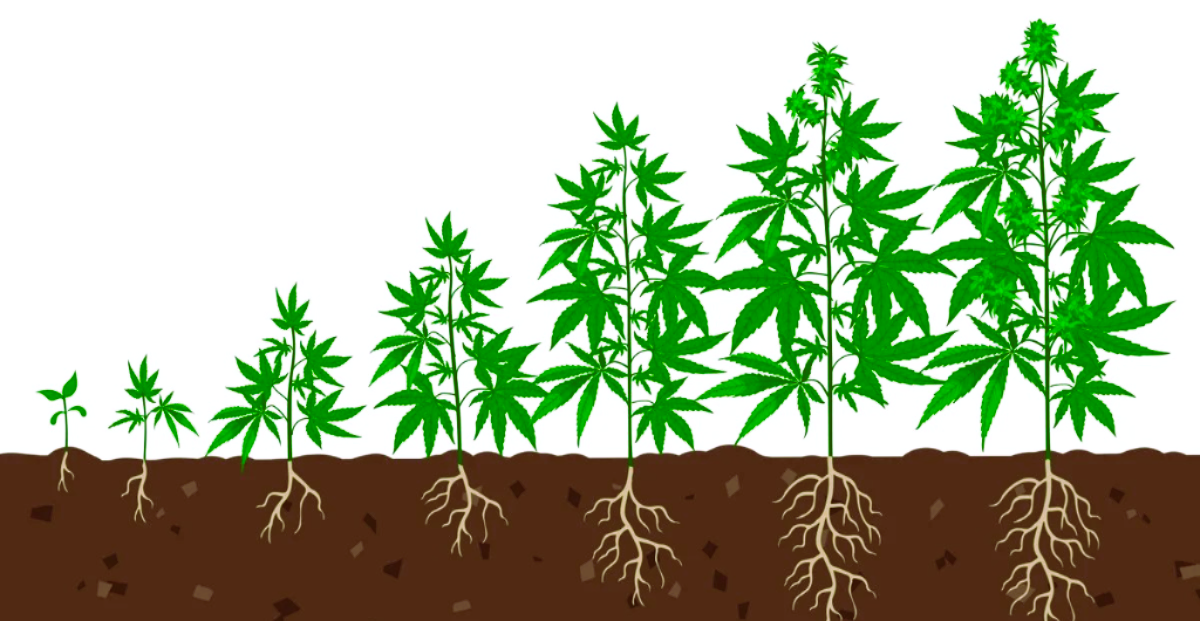
Adjusting Soil for Different Stages of Medical Cannabis Life Cycle for Medical Use
Introduction
Medical cannabis cultivation has become an area of great interest and importance due to the recognized therapeutic benefits of cannabinoids such as THC (tetrahydrocannabinol) and CBD (cannabidiol). Understanding the nuances of cannabis plant care, especially soil adjustments, is crucial for producing high-quality medical-grade products. The effectiveness of medical cannabis is closely tied to the conditions under which it is grown, with soil composition being one of the most influential factors.
Throughout the cannabis life cycle—from seedling to harvest—the plant’s soil requirements change, as its nutritional and environmental needs evolve. Optimizing the soil at each stage is key to ensuring robust plant growth and maximizing the medicinal potency of the resulting product. This guide delves into the specific soil considerations for each phase of the medical cannabis life cycle, focusing exclusively on cultivation for medical use.
Cannabis Life Cycle Overview
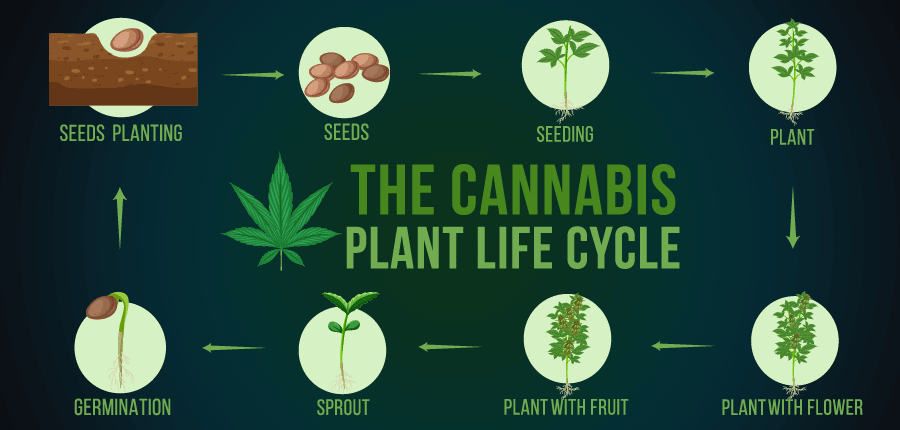
Before we dive into the specific soil adjustments, it is essential to understand the stages of the cannabis plant life cycle. Each stage has unique needs that influence how growers should prepare and adjust the soil:
- Seedling Stage: The initial stage where a cannabis seed germinates and begins to sprout. At this stage, the plant is fragile and has delicate nutritional needs.
- Vegetative Stage: The period of active growth where the cannabis plant develops its structure, including stems, leaves, and roots.
- Pre-flowering Stage: The transitional phase between vegetative growth and flowering. The plant begins to get ready for reproduction at this point.
- Flowering Stage: The phase where the plant begins to produce flowers (buds), which contain the cannabinoids used in medical products.
- Late Flowering and Harvest: The final stage when buds reach their peak cannabinoid content and are ready for harvest. Soil adjustments here influence the quality and yield of the medical product.
Each of these stages requires specific adjustments to the soil’s pH, nutrient levels, moisture content, and other factors to optimize growth and enhance the medicinal properties of the cannabis plant.
Seedling Stage Soil Requirements
In the seedling stage, medical cannabis is highly sensitive and requires special care to ensure healthy growth. The ideal conditions for root development and germination are largely determined by the makeup of the soil.
Key Soil Considerations
- Soil Texture and Aeration:
- The soil for seedlings should be light, well-aerated, and easy for roots to penetrate. Using a soilless mixture, like a combination of peat moss, perlite, and vermiculite, is a typical procedure. This type of soil mix allows for proper air circulation around the young roots while retaining moisture.
- Avoid heavy, compact soils during this phase, as they can suffocate the delicate roots and lead to poor growth.
- Nutrient Content:
- Seedlings require minimal nutrients compared to later stages of growth. Nutrient burn, which can hinder growth or possibly kill the plant, might result from overfertilizing at this point.
- Soil should contain low levels of nitrogen (N), phosphorus (P), and potassium (K) during this stage. A light potting mix with a neutral pH (around 6.0 to 6.5) is ideal.
- Avoid using rich, nutrient-dense soil during germination as it can overwhelm the plant.
- pH Levels:
- Medical cannabis plants are particularly sensitive to soil pH. For seedlings, the pH should remain slightly acidic to neutral (between 6.0 and 6.5).
- Maintaining proper pH levels is critical for nutrient uptake. Using pH-balanced water and checking the soil regularly will help ensure healthy seedling growth.
- Moisture Control:
- Overwatering is a common issue during the seedling stage, leading to root rot. The soil should be wet but not saturated. To assist avoid waterlogging, use a soil mix that drains well.
- A gentle misting system or careful watering around the base of the seedling is often more effective than drenching the soil.
Soil Amendments for Seedlings
For seedlings, additional amendments should be minimal. Organic materials such as worm castings or compost teas can be used in very small amounts to enhance microbial life without overwhelming the young plant. These amendments introduce beneficial bacteria and fungi that help the plant establish a strong root system without causing nutrient burn.
Vegetative Stage Soil Requirements
The vegetative stage is when the cannabis plant undergoes its most vigorous growth. This phase typically lasts between 3 to 16 weeks, depending on the strain and growing conditions. During this period, the plant develops leaves, stems, and roots that will support its later growth in the flowering phase. Soil adjustments during this stage should focus on promoting healthy, strong growth, as this is the foundation for a successful flowering stage.
Key Soil Considerations
- Nutrient Content:
- The cannabis plant’s nutritional needs increase substantially during the vegetative stage. The plant requires a higher nitrogen (N) content during this time, as nitrogen supports leafy green growth.
- The ideal N-P-K ratio in soil during this phase is typically high in nitrogen (N), moderate in phosphorus (P), and moderate to high in potassium (K). A ratio of 3:1:2 or 4:2:3 is often recommended.
- In addition to N-P-K, micronutrients such as calcium, magnesium, and iron are critical for the overall health of the plant. These nutrients should be present in the soil or supplemented through organic amendments or mineral additives.
- Soil Structure:
- A loamy soil with good aeration and water retention capabilities is ideal during this stage. The soil should be rich in organic matter to support microbial activity, which aids in nutrient absorption.
- Adding amendments such as perlite or coco coir can improve the soil’s ability to retain moisture without becoming compacted or waterlogged.
- pH Levels:
- Maintaining a pH range between 6.0 and 6.8 is optimal during the vegetative stage. Soil that becomes too acidic or too alkaline can cause nutrient lockout, where the plant cannot absorb the nutrients available in the soil.
- Regular pH testing of both the soil and water is recommended to ensure proper nutrient availability.
- Moisture and Drainage:
- Cannabis plants require more water during the vegetative stage than they do during the seedling stage. However, good drainage remains critical to prevent root rot. A soil mix that drains well but holds enough moisture to sustain the plant between waterings is essential.
- Drip irrigation or careful hand watering can be used to ensure consistent moisture levels.
Soil Amendments for Vegetative Growth
- Compost: Rich organic compost can be added to the soil to provide a slow release of nutrients. Compost improves soil structure, enhances moisture retention, and encourages the growth of beneficial microorganisms.
- Worm Castings: High in beneficial bacteria and fungi, worm castings are an excellent amendment during the vegetative stage. They provide a gentle boost of nutrients without risking over-fertilization.
- Bone Meal or Fish Emulsion: Organic sources of nitrogen and phosphorus, such as bone meal or fish emulsion, can be mixed into the soil or used as a top dressing. These amendments help boost the plant’s growth during the vegetative stage.
Pre-Flowering Stage Soil Requirements
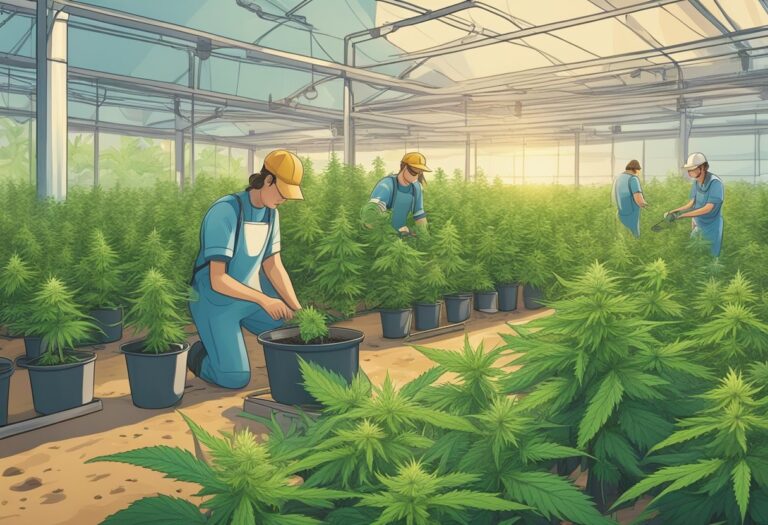
The pre-flowering stage, often referred to as the “stretch,” is when cannabis plants undergo rapid vertical growth in preparation for flowering. During this time, the goal of soil modifications is to facilitate the plant’s transition from vegetative growth to floral production.
Key Soil Considerations
- Nutrient Content:
- Less nitrogen and more phosphorus and potassium will be needed by the plant as it enters the pre-flowering stage. A balanced N-P-K ratio of 2:3:4 or 1:2:3 is often recommended.
- Phosphorus (P) is particularly important during this stage as it supports root development and bud formation. Potassium (K) plays a vital role in overall plant health, supporting cell wall strength and water regulation.
- Micronutrients such as zinc and manganese can also be added to support the plant’s shift in focus from vegetative growth to flowering.
- Soil Structure and Drainage:
- The soil should continue to provide excellent drainage and aeration. Loamy soil mixed with organic matter remains an ideal choice.
- To support the plant’s increased nutrient demands, soil that promotes microbial activity will help with nutrient breakdown and uptake. Beneficial fungi, such as mycorrhizae, can be introduced to enhance nutrient absorption.
- pH Levels:
- The pH should remain between 6.0 and 6.8. Slight fluctuations in pH during this transitional period can cause nutrient lockout, stunting the plant’s ability to develop buds.
- Moisture Control:
- The plant’s water needs will increase as it begins to stretch. Ensuring consistent moisture levels while avoiding overwatering is key. Mulching the soil surface can help retain moisture during this critical phase.
Soil Amendments for Pre-Flowering
- Guano: Bat or seabird guano, which is rich in phosphorus and potassium, can be an effective amendment during pre-flowering. It provides essential nutrients without overwhelming the plant.
- Rock Phosphate: Another organic source of phosphorus, rock phosphate can be mixed into the soil to promote healthy root and flower development.
- Kelp Meal: Kelp meal is rich in potassium and other trace minerals. It also contains growth hormones that can support the transition from vegetative growth to flowering.
Flowering Stage Soil Requirements
The flowering stage is when cannabis plants produce the buds that are harvested for medical use. At this stage, the plant’s focus shifts entirely to flower production, and its soil needs change accordingly. Maximizing the medicinal potency of the buds requires careful soil management.
Key Soil Considerations
- Nutrient Content:
- The plant’s demand for phosphorus and potassium increases significantly during the flowering stage, while the need for nitrogen decreases. A common N-P-K ratio for flowering cannabis is 1:2:3 or 0:3:3.
- Phosphorus (P) is essential for flower development and resin production, while potassium (K) strengthens the plant’s overall health and supports the production of cannabinoids and terpenes, which are critical for the medical properties of the plant.
- Micronutrients such as calcium and magnesium play vital roles in flower development and cannabinoid production. These elements help prevent nutrient deficiencies that could affect the quality of the buds.
- Soil Structure:
- The soil should remain loose and well-aerated to allow for continued root development and nutrient uptake. A mix of loam, organic matter, and perlite or coco coir ensures the soil retains enough moisture while allowing excess water to drain away.
- Adding organic matter to the soil helps maintain a steady supply of nutrients and encourages microbial activity, which supports the plant’s ability to produce high-quality medicinal buds.
- pH Levels:
- Maintaining a pH between 6.0 and 6.8 remains critical during the flowering stage. A stable pH ensures that the plant can absorb the phosphorus and potassium it needs to produce potent, resinous flowers.
- Moisture and Drainage:
- The plant’s water requirements remain high during flowering, but overwatering can lead to mold or bud rot. The soil should be consistently moist, but well-drained.
- Humidity levels in the growing environment should be carefully controlled during flowering to prevent mold growth on the buds.
Soil Amendments for Flowering
- Bone Meal: Bone meal is an excellent source of phosphorus and can be mixed into the soil during the flowering stage to support bud development.
- Potash: Potassium-rich potash can be added to the soil to enhance flower production and resin formation, contributing to the potency of the medical cannabis.
- Molasses: Unsulfured blackstrap molasses can be added to the soil or water during the flowering stage to feed beneficial microbes and increase the availability of nutrients such as potassium and calcium.
Late Flowering and Harvest Soil Considerations
As the cannabis plant approaches harvest, soil management should focus on maximizing the potency and purity of the final product. During the late flowering stage, growers often begin to “flush” the soil, which involves reducing or eliminating nutrient inputs to encourage the plant to use up any residual nutrients stored in its tissues.
Key Soil Considerations
- Nutrient Content:
- During the final weeks of flowering, many growers reduce the nutrient levels in the soil to encourage the plant to use its internal nutrient reserves. This process, known as flushing, helps produce a cleaner final product with fewer residual fertilizers.
- If nutrients are still being added during late flowering, they should focus on potassium, as it plays a key role in bud maturation and resin production.
- Soil Structure and Drainage:
- Maintaining good soil structure and drainage is important during the final phase to prevent root problems such as rot or mold. Loamy, well-aerated soil is ideal.
- pH Levels:
- A stable pH of 6.0 to 6.8 remains crucial in the late flowering stage. However, growers should monitor the pH more closely as the plant’s nutrient uptake declines.
- Moisture Control:
- Watering should be reduced as the plant approaches harvest. Overwatering can lead to moldy or waterlogged buds, diminishing the quality of the final product.
Soil Amendments for Late Flowering
- Epsom Salt: Epsom salt, which contains magnesium and sulfur, can be used during late flowering to enhance bud development and resin production. However, this should be used sparingly to avoid affecting the taste or purity of the medical cannabis.
- Final Flush Solutions: Organic flush solutions can be added to the soil to help remove any residual salts or nutrients, ensuring a cleaner product for medical use.
Restrictions on Growing and Using Cannabis in the Medical Field

- Strict Licensing and Regulation: Medical cannabis cultivation is heavily regulated, with growers required to obtain specific licenses. These licenses are granted under strict conditions, ensuring cannabis is only used for medical purposes. Growers must follow stringent guidelines concerning plant quality, safety, and cannabinoid content.
- Medical Use as a Last Resort: Medical cannabis is typically prescribed when all other conventional treatments have failed or are unsuitable. Physicians must exhaust other treatments before considering cannabis and justify its use based on the patient’s condition.
- THC Monitoring to Prevent Psychoactive Effects: One of the major concerns in medical cannabis use is preventing psychoactive effects in patients. Medical cannabis formulations are closely monitored for THC (tetrahydrocannabinol) content, which is the compound responsible for these effects. To minimize psychoactivity, THC levels are kept low, while formulations with high CBD (cannabidiol) content, which provides therapeutic benefits without psychoactive effects, are often preferred.
- Dosage Control and Patient Monitoring: Physicians carefully monitor dosages to avoid side effects, including any unintended psychoactive effects. Regular checkups and adjustments in treatment ensure that the patient is receiving the correct balance of cannabinoids for their specific medical condition.
- Prohibition of Recreational Use: Medical cannabis is strictly for treating medical conditions, and any recreational use remains prohibited. Only registered patients can access medical cannabis, and the distribution is controlled through authorized medical dispensaries or pharmacies.
Conclusion
The cultivation and use of medical cannabis require careful attention to both the growing process and the regulatory framework to ensure safety, efficacy, and compliance with legal standards. Adjusting soil composition and management at different stages of the cannabis plant’s life cycle is essential for producing high-quality, medically effective products. Each stage, from seedling to late flowering, demands specific adjustments in nutrient content, pH levels, soil texture, and moisture control to support the plant’s health and maximize its therapeutic potential.
In terms of legal and medical frameworks, medical cannabis is heavily restricted and regulated. It is prescribed as a last resort when conventional treatments have proven ineffective, and its production is governed by strict licensing requirements. To prevent unwanted psychoactive effects, THC levels in medical cannabis products are closely monitored, with formulations often favoring higher CBD content for therapeutic benefits without psychoactivity.
This integrated approach—balancing precise cultivation techniques with strict medical and legal oversight—ensures that medical cannabis serves its intended purpose: providing patients with an alternative treatment option when other therapies have failed, while minimizing risks and ensuring patient safety. By maintaining these rigorous standards, the medical community can ensure the responsible and effective use of cannabis for therapeutic purposes.
