Adding Mycorrhizae to Soil for Better Medical Cannabis Growth
Introduction to Medical Cannabis Cultivation
Medical cannabis’s therapeutic potential has garnered significant attention, and cultivating high-quality plants is crucial for maximizing its medicinal efficacy. Optimal growth conditions are essential for producing high levels of cannabinoids and terpenes. One effective method to enhance cannabis growth is by adding mycorrhizae to the soil. These beneficial fungi form a symbiotic relationship with plant roots, improving nutrient uptake, water retention, and overall plant health. This summary explores how mycorrhizae enhance soil conditions specifically for medical cannabis, focusing on their role in boosting cannabinoid production through improved root-soil interactions.
Understanding Mycorrhizae
What Are Mycorrhizae?
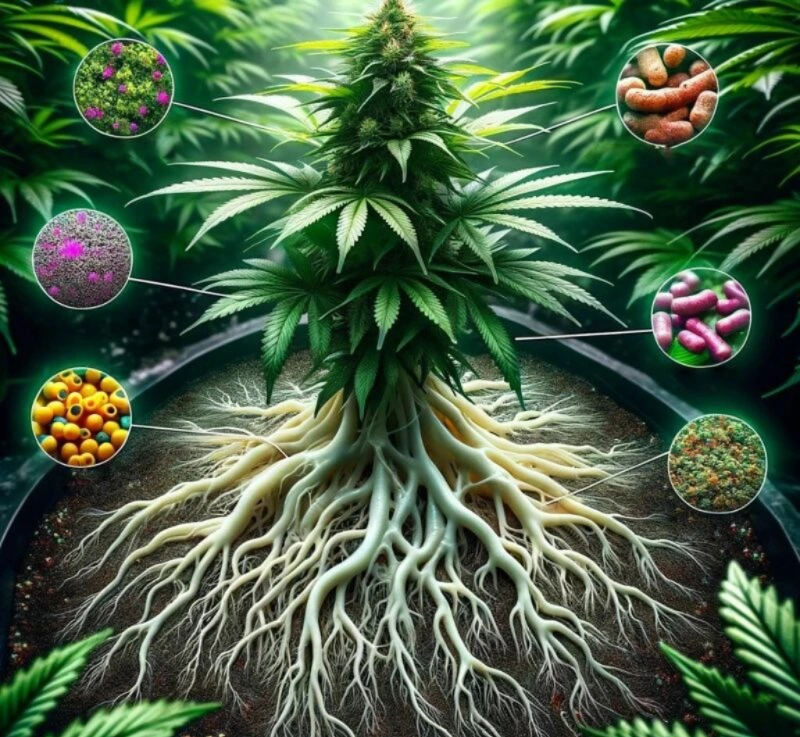
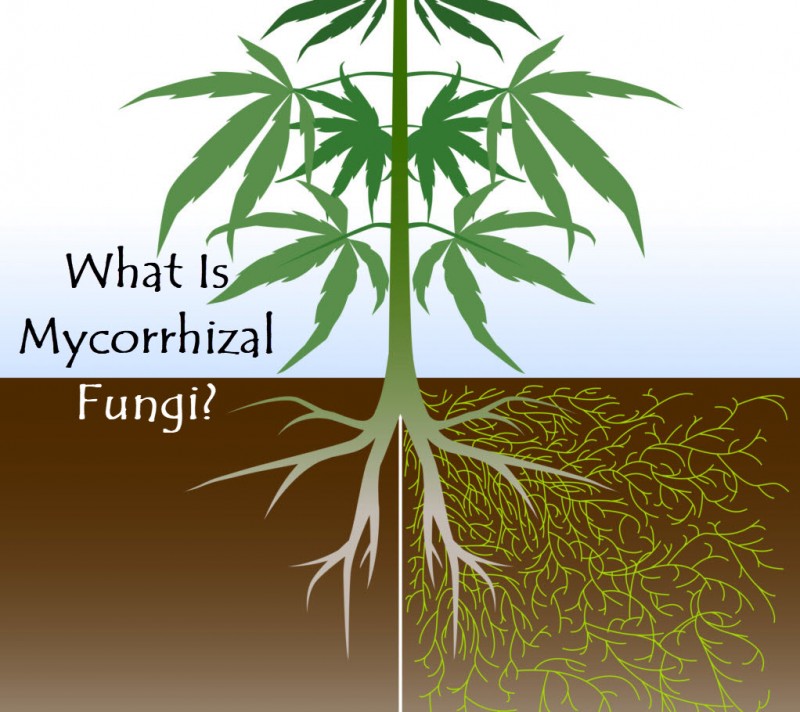
Mycorrhizae are beneficial fungi that colonize plant roots and form a mutualistic relationship with them. Although there are many different kinds of mycorrhizae, arbuscular mycorrhizae (AMF) are the most important for cannabis cultivation because they spread into the soil and penetrate plant roots. These fungi form extensive networks of hyphae, or fungal threads, that help plants absorb nutrients and water far beyond the reach of their roots.
Types of Mycorrhizae in Cannabis Cultivation:
The two most common types of mycorrhizae that benefit cannabis plants are:
- Endomycorrhizae (Arbuscular Mycorrhizae): These fungi physically penetrate the plant’s root cells, forming structures called arbuscules that facilitate nutrient exchange. They are the most effective type for cannabis plants and are naturally associated with many herbaceous plants, including cannabis.
- Ectomycorrhizae: These fungi form a sheath around plant roots but do not penetrate the cells. While they are beneficial for some trees and shrubs, they are not typically involved in cannabis cultivation.
The focus for improving medical cannabis growth lies primarily in endomycorrhizae, as they directly influence nutrient and water absorption, leading to healthier, more productive plants.
The Importance of Soil Health in Medical Cannabis Cultivation
Growing high-quality medicinal cannabis requires healthy soil since it directly affects the plant’s capacity to absorb vital nutrients. Healthy soil contains a complex web of microorganisms, including bacteria, fungi, and other beneficial organisms. Mycorrhizae are critical members of this soil ecosystem, significantly enhancing the soil’s ability to support plant life. The soil’s physical structure, nutrient content, and microbial diversity all influence cannabis growth and, consequently, the concentration of therapeutic compounds in the plant.
Cannabis Soil Requirements:
Cannabis requires well-draining, nutrient-rich soil with a balanced pH (typically between 6.0 and 7.0) to thrive. The addition of organic matter, such as compost, enhances soil fertility and microbial activity, but mycorrhizae further optimize the root zone by increasing the plant’s access to nutrients and water. In medicinal cannabis growing, where optimizing the plant’s therapeutic potential is crucial, this is especially crucial.
Soil Microbiome and Mycorrhizal Networks:
The soil microbiome—the community of microorganisms in the soil—plays a crucial role in plant health. Mycorrhizal fungi form intricate networks within this microbiome, connecting plants to resources in the soil that they might otherwise not access. These networks facilitate nutrient exchange between plants and soil, enhancing the efficiency of nutrient uptake. In medical cannabis cultivation, this improved nutrient absorption can lead to higher cannabinoid concentrations, particularly in the critical flowering stage.
Benefits of Mycorrhizae in Medical Cannabis Growth

- Enhanced Nutrient Uptake:
One of the primary benefits of mycorrhizal fungi is their ability to extend the plant’s root system through a network of hyphae, which allows the plant to access nutrients that would otherwise be out of reach. For medical cannabis, phosphorus is one of the most important nutrients that mycorrhizae help to absorb, as it plays a critical role in flower development and resin production. Increased phosphorus availability leads to more abundant and potent flower clusters, which are the primary source of therapeutic compounds such as THC, CBD, and terpenes. - Improved Water Absorption:
Mycorrhizae not only enhance nutrient uptake but also improve water retention in the soil. The extended hyphal network can access water that plant roots cannot reach, making cannabis plants more resilient in drought conditions or when water availability fluctuates. This is particularly important in regions where water scarcity is a concern or in indoor cultivation settings where water conservation is prioritized. Healthy, hydrated plants produce higher yields and are less susceptible to stress, which can affect cannabinoid synthesis. - Increased Root Mass and Strength:
Mycorrhizal fungi stimulate root growth by promoting the development of fine root hairs and increasing root biomass. A larger, more robust root system means the plant is better equipped to take up nutrients and water, leading to stronger, healthier plants. In medical cannabis cultivation, larger root systems translate to more vigorous vegetative growth and more abundant flower production, resulting in a higher yield of medicinal compounds. - Enhanced Resistance to Pests and Diseases:
Mycorrhizal fungi can also help protect cannabis plants from soil-borne pathogens. They produce antimicrobial compounds and stimulate the plant’s own immune response, making the plant more resistant to diseases such as root rot and powdery mildew. In medical cannabis cultivation, maintaining plant health is critical, as diseases can compromise the plant’s medicinal quality and reduce overall yield. - Soil Structure Improvement:
Mycorrhizae help improve the physical structure of the soil by binding soil particles together with their hyphal networks. This creates a more porous soil structure, allowing for better air and water movement. In cannabis cultivation, this is particularly beneficial, as well-aerated soil promotes root health and reduces the risk of waterlogging, which can lead to root diseases. Improved soil structure also enhances the long-term sustainability of the growing medium, ensuring that successive crops can be grown without the need for excessive soil amendments.
Applying Mycorrhizae in Cannabis Cultivation
Selecting the Right Mycorrhizal Products:
A wide range of commercial mycorrhizal inoculants is available to cannabis growers. These products typically contain spores of arbuscular mycorrhizae, often combined with other beneficial microorganisms such as nitrogen-fixing bacteria. When selecting a mycorrhizal product for medical cannabis cultivation, it is important to choose one that is specifically designed for use with cannabis or other herbaceous plants. High spore counts and a diverse range of fungal species are indicators of a high-quality product.
Application Methods:
Mycorrhizal inoculants can be applied in several ways:
- Soil Drenching: This involves mixing the mycorrhizal inoculant with water and applying it directly to the soil. The water helps transport the fungal spores to the root zone, where they can colonize the plant’s roots. Soil drenching is most effective when applied at the seedling or transplant stage, as this is when the plant’s roots are most receptive to colonization.
- Root Dipping: Before transplanting cannabis seedlings or clones into their final growing medium, the roots can be dipped in a mycorrhizal solution. This ensures that the fungal spores come into direct contact with the roots, increasing the likelihood of successful colonization.
- Top Dressing: Mycorrhizal inoculants can also be applied as a top dressing to established plants. The inoculant is spread over the surface of the soil and watered in, allowing the spores to be carried down to the root zone.
- Seed Coating: Some mycorrhizal products are designed to be applied directly to cannabis seeds. As soon as the seed germinates, the spores attach themselves to the seed coat and begin colonizing the roots. This method is particularly effective in large-scale commercial operations where seeds are directly sown into the soil.
Timing and Frequency of Application:
Mycorrhizae should be introduced early in the plant’s life cycle, ideally at the seedling stage or during transplanting. Once the fungi have colonized the roots, they can remain in symbiosis with the plant throughout its life cycle. While one application is often sufficient, some growers choose to apply additional inoculants during the vegetative stage to ensure robust colonization. However, it is important not to overapply, as excessive amounts of mycorrhizal inoculant can disrupt the natural balance of microorganisms in the soil.
Case Studies and Research on Mycorrhizae and Medical Cannabis
Case Study 1: Increased Cannabinoid Production
A study conducted on the impact of mycorrhizae on cannabis found that plants grown in mycorrhizae-inoculated soil had higher levels of cannabinoids, particularly THC and CBD. The study involved two groups of cannabis plants: one grown with mycorrhizae and one grown without. The results showed a significant increase in cannabinoid concentration in the plants treated with mycorrhizae, likely due to improved nutrient uptake and enhanced stress resistance during the flowering stage.
Case Study 2: Enhanced Flower Yield and Terpene Profile
Another study focused on the impact of mycorrhizae on flower yield and terpene profile in medical cannabis plants. The study found that mycorrhizal inoculation led to a 20% increase in flower yield, as well as a more diverse and concentrated terpene profile. Terpenes, which contribute to the plant’s therapeutic properties, were found in higher concentrations in the mycorrhizae-treated plants, suggesting that improved nutrient absorption and stress resistance had a positive impact on secondary metabolite production.
Ongoing Research on Mycorrhizal Fungi in Cannabis Cultivation:
Although research on mycorrhizae’s application in cannabis growing is still in its infancy, initial results are encouraging. Ongoing studies are exploring the relationship between mycorrhizal colonization and specific cannabinoid and terpene profiles, with the goal of identifying the optimal fungal species and application methods for maximizing medicinal compound production. As the medical cannabis industry continues to grow, the role of mycorrhizae in improving plant health and increasing yield will likely become an area of significant focus.
Challenges and Considerations
While the benefits of mycorrhizae are well-documented, there are some challenges to consider when incorporating them into medical cannabis cultivation.
- Soil Conditions:
Mycorrhizal fungi thrive in well-aerated, organic-rich soils. In some cases, the use of chemical fertilizers or sterilized growing media can inhibit the colonization of mycorrhizae. It is important for growers to create a soil environment that supports fungal growth by using organic fertilizers and avoiding practices that could disrupt the soil microbiome. - Compatibility with Nutrient Regimens:
Some synthetic fertilizers, particularly those high in phosphorus, can reduce the effectiveness of mycorrhizal fungi. This is because the plant may not need the mycorrhizae to access phosphorus if it is readily available in the soil. To maximize the benefits of mycorrhizae, growers should use nutrient regimens that complement the fungi’s role in nutrient uptake, such as organic or slow-release fertilizers. - Cost and Availability:
High-quality mycorrhizal inoculants can be expensive, particularly for large-scale operations. However, the long-term benefits of improved plant health, higher yields, and increased cannabinoid production often outweigh the initial cost. As demand for organic and sustainable cultivation practices increases, the availability of affordable mycorrhizal products is likely to improve.
Restrictions on Growing and Using Cannabis in the Medical Field Only and Using it as a Last Resort

Cannabis’s therapeutic promise for a number of medical problems has led to its growing acceptance as a medical treatment. Strict laws, however, govern its use and cultivation in the medical area in order to protect patients and guard against abuse. Governments and healthcare authorities impose these restrictions to maintain control over its production, distribution, and application, especially to mitigate the psychoactive effects of tetrahydrocannabinol (THC) and ensure that cannabis is used only when absolutely necessary.
Cultivation Restrictions for Medical Cannabis
Medical cannabis cultivation is heavily regulated to prevent diversion for recreational use and to ensure that the product meets medical standards. In many jurisdictions, only licensed producers are allowed to grow cannabis for medical purposes. These licenses are often granted under stringent guidelines, including:
- Strict Licensing Processes: Growers must meet specific criteria related to security, growing practices, and quality control. Licensing agencies typically conduct background checks and require applicants to demonstrate compliance with local and federal laws.
- Quality Control and Testing: Medical cannabis must undergo rigorous testing to ensure it meets safety standards for contaminants like pesticides, heavy metals, and mold. Testing also verifies cannabinoid levels, particularly THC and cannabidiol (CBD), to ensure consistent dosages for medical patients.
- Controlled Growing Conditions: Licensed producers are required to grow cannabis in controlled environments, often indoors, to ensure stable conditions and prevent contamination. This also allows for precise control over cannabinoid content, which is crucial for monitoring the psychoactive effects of THC.
- Supply Chain Regulations: Once harvested, medical cannabis is tracked through the supply chain to prevent diversion to the black market. This includes secure storage, transportation, and distribution, all under regulatory oversight.
Medical Cannabis as a Last Resort
In medical practice, cannabis is often recommended only as a last resort, typically when other conventional treatments have failed or caused intolerable side effects. This cautious approach is due to several factors:
- Limited Clinical Data: While cannabis shows promise for conditions like chronic pain, epilepsy, and multiple sclerosis, long-term data on its safety and efficacy are still limited. As a result, healthcare providers are generally advised to exhaust other treatment options before prescribing cannabis.
- Risk of Dependency and Side Effects: Though medical cannabis is used for its therapeutic properties, there is a potential for dependency, especially in patients using high-THC strains. Other side effects, including dizziness, cognitive impairment, and gastrointestinal issues, also warrant a careful approach.
- Psychoactive Risks of THC: The psychoactive effects of THC make it unsuitable for many patients, particularly those with mental health conditions. By using cannabis as a last resort, healthcare providers can ensure that patients are not exposed to unnecessary risks when other treatments are available.
Monitoring THC Levels to Prevent Psychoactive Effects
THC, the primary psychoactive compound in cannabis, can cause altered mental states, including euphoria, paranoia, and impaired cognition. For medical purposes, especially in sensitive populations such as elderly patients or those with psychiatric conditions, it is critical to monitor THC levels in cannabis-based medications.
- Low-THC, High-CBD Formulations: A lot of medical cannabis products are made with higher levels of the non-psychoactive component CBD and less THC. Many patients find CBD to be a safer alternative because it has been demonstrated to provide therapeutic effects without changing mental states.
- Dose Control: Medical cannabis products, such as oils, tinctures, and capsules, allow for precise dosing. This helps doctors control the amount of THC a patient consumes, reducing the risk of psychoactive effects. Regular monitoring of THC levels in the body may be required in some patients to ensure they remain below a psychoactive threshold.
- Regulatory THC Limits: Many jurisdictions set legal limits on the amount of THC in medical cannabis products to prevent patients from experiencing psychoactive effects. For instance, some countries limit THC levels in medical products to less than 0.3% or 1%, ensuring that the medicinal benefits of cannabis are provided without the associated risks of intoxication.
Conclusion
The use of mycorrhizae in medical cannabis cultivation offers significant advantages in optimizing plant growth, enhancing cannabinoid production, and improving overall plant health. By fostering a symbiotic relationship with cannabis roots, mycorrhizal fungi enhance nutrient uptake, increase water absorption, and improve plant resistance to environmental stresses, resulting in healthier plants that yield higher concentrations of therapeutic compounds like THC, CBD, and terpenes. This is particularly important for medical cannabis, where the quality and potency of the plant are essential for patient treatment.
In the context of medical cannabis cultivation, strict regulations are in place to ensure that growing practices adhere to legal and safety standards. Licensed producers must operate under controlled environments, and their cannabis undergoes rigorous testing to meet quality control standards, preventing contamination and ensuring accurate cannabinoid content. These regulatory measures ensure that the cannabis provided for medical use is safe, effective, and consistent.
When traditional medicines have failed or produced unbearable side effects, medical cannabis is usually utilized as a last resort. This approach ensures that cannabis is prescribed only when necessary, minimizing potential risks, including dependency and unwanted psychoactive effects. Monitoring and controlling THC levels in medical cannabis formulations is critical to prevent these effects, particularly in vulnerable populations. Low-THC, high-CBD formulations and careful dose control help deliver the therapeutic benefits of cannabis without compromising patient safety.
Overall, the integration of mycorrhizae into soil management, coupled with strict cultivation practices and careful regulation of cannabis use in the medical field, maximizes the therapeutic potential of the plant. By ensuring high-quality cultivation, responsible use, and vigilant monitoring of cannabinoid levels, medical cannabis can serve as a valuable treatment option for patients while minimizing risks associated with psychoactive effects and misuse.
