Table of Contents
A-Train is a hybrid cannabis strain that has garnered attention among enthusiasts and medical users alike for its balanced effects and unique properties. Developed as a cross between the potent Trainwreck and the flavorful Mazar I Sharif strains, A-Train delivers a combination of uplifting cerebral effects and soothing physical relaxation. This strain’s properties make it versatile for both recreational and medical uses, backed by its distinct cannabinoid and terpene profile. Below is an exhaustive examination of A-Train’s history, genetics, chemical composition, medical applications, recreational uses, and scientific underpinnings.
Origins and Genetics
Parent Strains
- Trainwreck: A legendary hybrid known for its fast-acting and euphoric high. It is rich in THC and often induces creativity and energy.
- Mazar I Sharif: A pure indica strain originating from Afghanistan. It’s renowned for its high resin production, making it a favorite among hash producers and a staple for relaxation and pain relief.
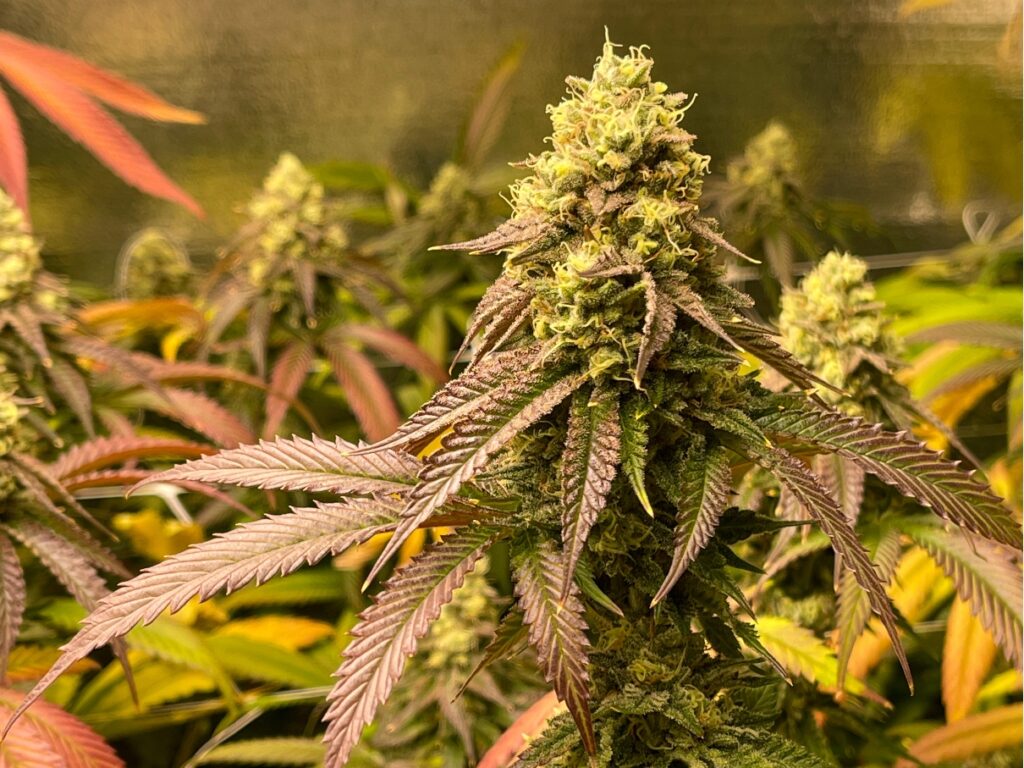
The combination of these parent strains results in a hybrid that is approximately 60% indica and 40% sativa, though phenotypic variations may lean more strongly toward one parent or the other.
Chemical Profile
Cannabinoids
- THC (Tetrahydrocannabinol): Typically ranging from 18% to 24%, A-Train’s THC levels make it moderately potent. Users often describe an initial euphoric onset that transitions into a calming body high.
- CBD (Cannabidiol): Minimal levels (usually less than 1%), which means the strain is not ideal for those seeking non-intoxicating relief.
- CBG (Cannabigerol) and CBC (Cannabichromene): Present in trace amounts. These minor cannabinoids contribute to the entourage effect, enhancing therapeutic benefits.
Terpene Profile
- Myrcene: The dominant terpene, known for its sedative effects and earthy aroma.
- Limonene: Provides a citrusy scent and offers mood-elevating and stress-relieving properties.
- Caryophyllene: Adds a spicy, peppery note and exhibits anti-inflammatory potential by interacting with CB2 receptors.
- Pinene: Enhances focus and may counteract some of THC’s short-term memory effects.
Medical Uses
A-Train’s balanced effects make it particularly appealing for managing a variety of medical conditions. Some of its most noteworthy uses are listed below:
1. Chronic Pain Management
- The high THC content and caryophyllene’s interaction with CB2 receptors provide significant relief from chronic pain disorders like neuropathy, fibromyalgia, and arthritis.
2. Mental Health Disorders
- Anxiety and Depression: The uplifting and euphoric effects from the Trainwreck lineage, combined with limonene, help alleviate symptoms of anxiety and depression. However, high doses should be avoided as excessive THC may exacerbate anxiety.
- PTSD: A-Train’s ability to induce relaxation and reduce stress makes it a potential tool for managing PTSD symptoms.
3. Sleep Disorders
- The strain’s indica-dominant effects, largely driven by myrcene, make it effective for individuals with insomnia or disrupted sleep patterns.
4. Appetite Stimulation
- A-Train is commonly used to counteract appetite loss in conditions such as cancer or HIV/AIDS, as it induces significant hunger.
5. Muscle Spasms and Inflammation
- With its calming body high, A-Train can reduce muscle tension and spasms. Its anti-inflammatory properties, attributed to caryophyllene and myrcene, further support this application.
Recreational Uses
A-Train’s unique blend of cerebral and physical effects makes it a versatile choice for recreational users. Below are the most common scenarios in which this strain is enjoyed:
1. Social Settings
- The initial euphoric buzz promotes sociability and laughter, making it an excellent choice for gatherings, parties, or casual conversations.
2. Creative Activities
- The Trainwreck parentage enhances creativity and focus, making A-Train a favorite for artists, writers, and musicians.
3. Relaxation
- As the high progresses, A-Train’s indica characteristics take over, delivering a deeply relaxing body high ailments that cause pain, including neuropathy, fibromyalgia, and arthritis.
4. Movies and Gaming
- The strain’s combination of mental stimulation and physical ease makes it ideal for immersive activities like playing video games or watching movies.
5. Outdoor Exploration
- Moderate doses of A-Train can provide an uplifting experience suitable for light outdoor activities such as hiking or exploring nature.
Side Effects and Considerations
While A-Train offers numerous benefits, users should be mindful of its potential side effects:
Common Side Effects:
- Dry Mouth and Eyes: Standard with most THC-rich strains; staying hydrated can mitigate these effects.
- Dizziness: May occur in inexperienced users or those sensitive to THC.
- Paranoia or Anxiety: More likely at higher doses due to A-Train’s moderate-to-high THC levels.
Usage Tips:
- Dosing: Start low and go slow, especially for new users.
- Timing: Best consumed in the evening or during periods of relaxation due to its sedative effects.
- Setting: A comfortable environment enhances the experience and reduces the risk of adverse reactions.
Scientific Insights and Research
Cannabinoid and Terpene Interaction
The entourage effect, a synergistic interaction between cannabinoids and terpenes, is pivotal in understanding A-Train’s therapeutic potential. For example:
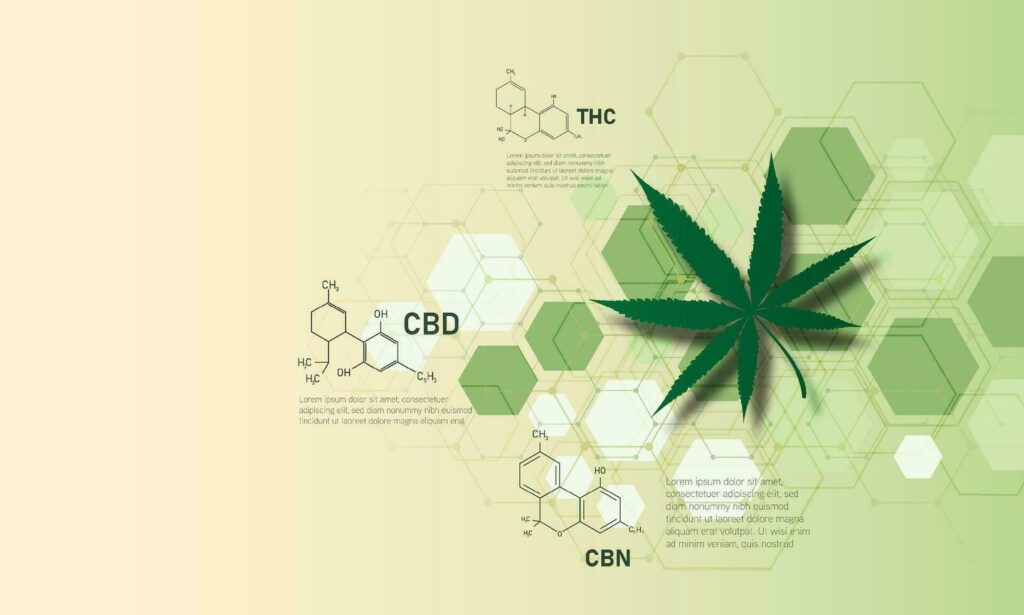
- Myrcene enhances THC’s sedative properties, making it suitable for pain relief and sleep.
- Limonene counterbalances some of THC’s anxiety-inducing tendencies, providing a more balanced high.
- Caryophyllene adds anti-inflammatory benefits by engaging with CB2 receptors, which are prevalent in the immune system.
Neurological Effects
A-Train’s psychoactive effects are primarily mediated by THC’s interaction with CB1 receptors in the brain. These interactions modulate neurotransmitter release, influencing mood, pain perception, and memory.
Potential for Neuroprotection
Emerging research suggests that THC and other cannabinoids in A-Train may exhibit neuroprotective properties. For instance, these compounds could help in managing neurodegenerative diseases such as Alzheimer’s or Parkinson’s by lowering oxidative stress and inflammation.
Growing Information
Cultivating A-Train Cannabis Strain
A-Train cannabis, with its hybrid genetics derived from Trainwreck and Mazar I Sharif, exhibits characteristics that make it both rewarding and somewhat challenging to grow. Below is a scientific breakdown of its cultivation requirements, challenges, and optimization strategies for both novice and experienced growers.
Optimal Environmental Conditions
- Temperature
- Ideal Range: 70-85\u00b0F (21-29\u00b0C) during the vegetative stage.
- Flowering Stage: Preferably around 68-78\u00b0F (20-26\u00b0C) to prevent terpene degradation and preserve potency.
- Scientific Insight: Extreme temperatures can stress the plant, leading to stunted growth or hermaphroditism. Cooler temperatures during the flowering stage enhance trichome production and terpene retention.
- Humidity
- Vegetative Stage: Maintain relative humidity (RH) at 50-70%.
- Flowering Stage: Lower RH to 40-50% to prevent mold and mildew on dense buds.
- Drying/Curing: RH should be reduced to 45-55% for even drying.
- Scientific Insight: A lower humidity during flowering reduces the risk of fungal infections, particularly in the resin-rich buds typical of A-Train.
- Light
- Vegetative Stage: 18-24 hours of light per day using LED or high-pressure sodium (HPS) lights.
- Flowering Stage: To start flowering, switch to a 12-hour light/12-hour dark cycle.
- Light Intensity: Maintain 500-700 \u00b5mol/m\u00b2/s for optimal photosynthesis.
- Scientific Insight: Providing the right light spectrum (blue for vegetative growth, red for flowering) enhances growth rates and bud density.
- Air Circulation
- Constant airflow prevents hotspots and strengthens plant stems.
- Use oscillating fans and ensure proper exhaust to manage CO\u2082 levels and avoid pest infestations.
Soil and Nutrient Requirements
- Growing Medium
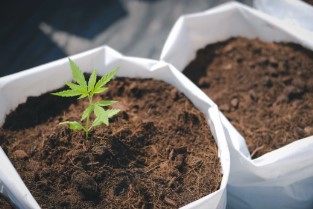
- A-Train thrives in well-draining soil enriched with organic matter or in hydroponic systems.
- Soil pH: Keep the pH between 6.0 and 7.0.
- Hydroponics: Adjust pH to 5.5-6.5 for nutrient absorption.
- Scientific Insight: Maintaining pH within the recommended range ensures optimal nutrient uptake and prevents deficiencies.
- Nutrient Needs
- Nitrogen (N): High during the vegetative stage to support foliage growth.
- Phosphorus (P) and Potassium (K): In order to encourage bud development and resin production, increase during flowering.
- Microelements: Zinc, manganese, and calcium are essential for robust growth.
- Scientific Insight: Excess nutrients (overfeeding) can lead to nutrient burn, while deficiencies can stunt growth. Regular monitoring of the soil’s electrical conductivity (EC) helps maintain nutrient balance.
Growth Stages and Techniques
- Germination
- Germinate seeds in a controlled environment with temperatures around 70-80\u00b0F (21-27\u00b0C) and high humidity (70-90% RH).
- Use peat pellets or Rockwool cubes for consistent moisture retention.
- Scientific Insight: Germination success depends on the seed viability, water absorption, and enzymatic activation, initiating root growth.
- Vegetative Stage
- Duration: 4-6 weeks, depending on desired plant size.
- Focus on strong root and stem development with consistent nitrogen feeding and blue spectrum lighting.
- Techniques: Low-Stress Training (LST) and topping improve light penetration and encourage lateral growth.
- Scientific Insight: Training methods enhance canopy uniformity, improving light efficiency and maximizing yield potential.
- Flowering Stage
- Duration: 8-10 weeks for A-Train.
- Key nutrients: Shift to phosphorus and potassium-rich fertilizers.
- Defoliation: Remove excess fan leaves to improve airflow and light access to lower buds.
- Scientific Insight: The flowering stage triggers hormonal changes in the plant (increased gibberellins and cytokinins) that promote bud formation.
- Harvesting
- Timing: Harvest when trichomes transition from clear to milky with some turning amber, indicating peak cannabinoid and terpene levels.
- Scientific Insight: Overripe buds may degrade THC into CBN, reducing potency and altering effects.
Common Challenges
- Pests and Pathogens
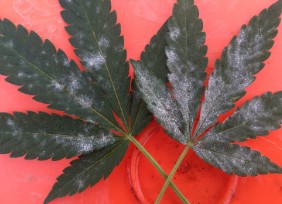
- A-Train dense buds make it susceptible to bud rot (Botrytis) and powdery mildew.
- Prevention: Maintain low humidity during flowering and inspect plants regularly.
- Integrated Pest Management (IPM): Use beneficial insects (e.g., ladybugs) or organic pesticides like neem oil.
- Scientific Insight: Pests often target stressed plants. Maintaining optimal environmental conditions strengthens the plant natural defenses.
- Nutrient Imbalances
- Nitrogen Toxicity: Overfeeding during flowering can lead to dark, clawed leaves and reduced bud production.
- Phosphorus Deficiency: Results in slow bud growth and discoloration.
- Solution: Use balanced nutrient formulas and flush plants periodically to prevent salt buildup.
- Scientific Insight: Excess salts in the root zone disrupt osmotic balance, impairing nutrient uptake.
- Light Stress
- Excessive light intensity can cause bleaching and stunt growth.
- Scientific Insight: Adjust light distance and intensity to avoid photoinhibition, where chlorophyll molecules become overwhelmed and damaged.
Advanced Cultivation Techniques
- Screen of Green (ScrOG)
- Description: Train plants through a horizontal screen to maximize canopy spread and light efficiency.
- Benefits: Increases yield per square foot and improves bud uniformity.
- Scientific Insight: ScrOG techniques enhance light absorption by spreading growth hormones evenly throughout the plant.
- Hydroponics
- Description: Growing without soil, using nutrient-rich water solutions.
- Benefits: Faster growth and higher yields due to direct nutrient access.
- Challenges: Requires precise pH and EC monitoring.
- Scientific Insight: Hydroponics eliminates soil-borne pathogens, reducing disease risk.
- CO\u2082 Enrichment
- Description: Supplementing carbon dioxide during the vegetative and early flowering stages.
- Benefits: Speeds up photosynthesis and boosts overall growth.
- Scientific Insight: Elevated CO\u2082 levels (1,200-1,500 ppm) enhance carbohydrate production, resulting in larger, more resinous buds.
Post-Harvest Handling
- Drying
- Conditions: Maintain 60-70\u00b0F (15-21\u00b0C) and 45-55% RH.
- Duration: 7-10 days, depending on bud density and environmental conditions.
- Scientific Insight: Slow drying preserves terpenes and prevents mold formation.
- Curing
- Process: Store dried buds in airtight containers, burping them daily to release moisture.
- Duration: 2-4 weeks for optimal flavor and potency.
- Scientific Insight: Curing allows chlorophyll breakdown and terpene maturation, enhancing flavor and smoothness.
Yield Expectations
- Indoor Cultivation
- Yield: 12-16 ounces per square meter.
- Scientific Advantage: Controlled environments allow consistent optimization of conditions.
- Outdoor Cultivation
- Yield: 16-20 ounces per plant, depending on sunlight and climate.
- Scientific Challenge: Outdoor crops are more exposed to environmental stressors and pests.
Methods of Ingestion for A-Train Cannabis Strain
1. Smoking
- Description: The most traditional and widely used method of consuming A-Train is smoking dried flower in a joint, pipe, or bong.
- Onset: Effects begin within 1 to 5 minutes after inhalation.
- Duration: Lasts 2 to 3 hours, with peak effects occurring within the first hour.
- Effects: Provides an immediate rush of euphoria and mental stimulation, followed by a gradual onset of body relaxation. Smoking preserves much of the strain terpene profile, enhancing flavor and aroma.
2. Vaporization
- Description: Using a vaporizer to heat A-Train flower or concentrate to a temperature where cannabinoids and terpenes vaporize without combustion.
- Onset: Effects start within 1 to 3 minutes after inhalation.
- Duration: Similar to smoking, lasting 2 to 3 hours.
- Effects: Produces a smoother, cleaner high with enhanced flavor due to precise temperature control. Vaporization may retain more terpenes and cannabinoids than smoking.
- Scientific Benefits: Reduces exposure to harmful byproducts of combustion.
3. Edibles
- Description: A-Train can be infused into oils, butters, or concentrates for use in food and beverages.
- Onset: Takes 30 minutes to 2 hours to feel effects, as cannabinoids must first pass through the digestive tract and undergo liver metabolism.
- Duration: Long-lasting effects, typically 4 to 8 hours, depending on the dose and individual metabolism.
- Effects: Edibles provide a more body-centric high with stronger sedative effects due to the conversion of THC into the more potent metabolite 11-hydroxy-THC.
- Usage Tips: Start with a low dose (e.g., 5 mg THC) and wait at least two hours before consuming more.
4. Tinctures and Sublinguals
- Description: Tinctures are alcohol- or oil-based cannabis extracts taken under the tongue for rapid absorption.
- Onset: Effects begin within 15 to 30 minutes.
- Duration: Lasts 4 to 6 hours.
- Effects: Offers precise dosing and quicker onset compared to edibles, with effects that are a balance between smoking and ingesting.
- Scientific Insight: Sublingual administration bypasses the digestive system, allowing cannabinoids to directly enter the bloodstream.
5. Topicals
- Description: Creams, balms, or patches infused with A-Train cannabinoids applied to the skin.
- Onset: Localized relief begins within 10 to 30 minutes.
- Duration: Lasts 2 to 6 hours, depending on the product.
- Effects: Non-psychoactive when applied topically, but effective for localized pain, inflammation, or muscle soreness due to caryophyllene anti-inflammatory properties.
- Scientific Note: Topicals primarily interact with CB2 receptors in the skin, providing localized relief without systemic effects.
6. Concentrates (Dabbing)
- Description: High-potency extracts of A-Train, such as wax or shatter, consumed using a dab rig or electronic vaporizer.
- Onset: Immediate, within 1 to 2 minutes.
- Duration: Effects last 1 to 3 hours.
- Effects: Intensely euphoric and sedative due to the high THC concentration. Suitable for experienced users seeking potent relief or recreation.
Onset, Duration, and Effects
Onset of Effects
- Inhalation (Smoking/Vaping): Rapid onset, typically within 1 to 5 minutes.
- Edibles: Slower onset due to digestion, ranging from 30 minutes to 2 hours.
- Sublinguals: Intermediate onset, approximately 15 to 30 minutes.
- Topicals: Local relief starts in 10 to 30 minutes (non-psychoactive).
Duration of Effects
- Inhalation (Smoking/Vaping): Shorter duration, around 2 to 3 hours.
- Edibles: Long-lasting, between 4 to 8 hours.
- Sublinguals: Moderate duration, approximately 4 to 6 hours.
- Topicals: Local relief lasting 2 to 6 hours without psychoactive effects.
Detailed Effects of A-Train by Consumption Method
Smoking or Vaping
- Mental Effects: Initial euphoria and creativity due to THC interacting with CB1 receptors in the brain. Users report feeling more focused and happier.
- Physical Effects: Gradual body relaxation, ideal for pain relief or muscle tension.
- Scientific Mechanism: Inhalation delivers cannabinoids directly to the bloodstream via the lungs, resulting in rapid psychoactive effects.
Edibles
- Mental Effects: Slower but more intense psychoactivity as 11-hydroxy-THC crosses the blood-brain barrier efficiently.
- Physical Effects: Stronger sedative and body-centric effects due to prolonged THC metabolism.
- Scientific Insight: The liver conversion of THC into 11-hydroxy-THC amplifies the potency, leading to deeper relaxation and longer-lasting effects.
Sublinguals
- Mental Effects: Balanced and controllable, with a mix of cerebral and physical relief.
- Physical Effects: Moderate body relaxation without the heaviness of edibles.
- Scientific Advantage: Absorption through the oral mucosa avoids first-pass metabolism, providing faster onset and predictable effects.
Topicals
- Mental Effects: None, as cannabinoids do not typically reach the bloodstream in significant quantities.
- Physical Effects: Localized pain relief and reduced inflammation due to caryophyllene anti-inflammatory action.
- Scientific Mechanism: CB2 receptor activation in the skin reduces localized discomfort without central nervous system involvement.
Dabbing (Concentrates)
- Mental Effects: Immediate and powerful cerebral euphoria.
- Physical Effects: Intense relaxation and sedation, useful for severe pain or insomnia.
- Scientific Note: High THC concentrations deliver a potent dose rapidly, suitable for experienced users requiring fast relief.
Consumer Insights
Flavor Profile
A-Train delivers a complex flavor profile that combines earthy and woody notes from Mazar I Sharif with citrus and pine from Trainwreck. The taste is frequently described by users as:
- Earthy
- Sweet
- Citrus with hints of spice
Aroma
The aroma is pungent and skunky, with undertones of citrus and herbal notes. It’s a distinctive scent that reflects its robust terpene composition.
Popularity
A-Train’s balanced effects have made it a favorite in dispensaries, especially among users seeking a strain that combines euphoria with relaxation. Its versatility appeals to both medical and recreational consumers.
Conclusion
A-Train stands out as a hybrid that bridges the gap between cerebral stimulation and physical relaxation. Its diverse applications in managing pain, mental health conditions, and sleep disorders underscore its medical value, while its recreational appeal lies in its ability to uplift, inspire creativity, and promote relaxation. Cultivators appreciate its resin-rich buds, while consumers value its robust flavor and aroma.
Whether for medical use or recreational enjoyment, A-Train offers a nuanced experience that exemplifies the potential of hybrid cannabis strains. With proper dosing and mindful consumption, this strain continues to be a staple for those looking for a potent and well-rounded cannabis experience.
For a complete directory of cultivars, visit our Cannabis Strain Reviews.
