A Bit of Knowledge About Trichomes and Their Use in the Medical Field
Introduction
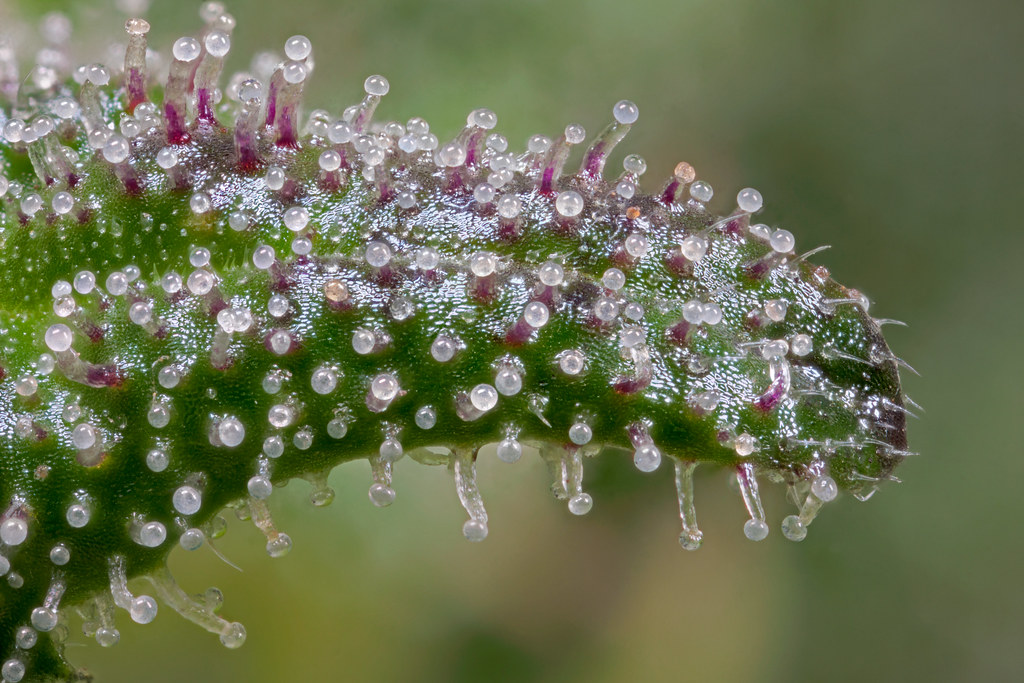
Trichomes are small, hair-like structures found on the surface of plants. While they are present on many types of plants, they are particularly notable in cannabis plants. These microscopic structures are crucial to the plant’s defense mechanism, protection, and overall health. However, beyond their importance to the plant itself, trichomes have garnered significant attention for their utility in the medical field. This document delves into the nature of trichomes, their biological functions, and their myriad uses in medical applications.
What Are Trichomes?
Trichomes, which resemble small hairs, are present on the surface of a wide variety of plants, including cannabis. They come in various shapes and sizes and serve multiple functions, both for the plant’s protection and its interaction with the environment. In cannabis plants, trichomes are particularly notable because they produce and store the compounds responsible for the plant’s psychoactive and therapeutic effects.
Types of Trichomes
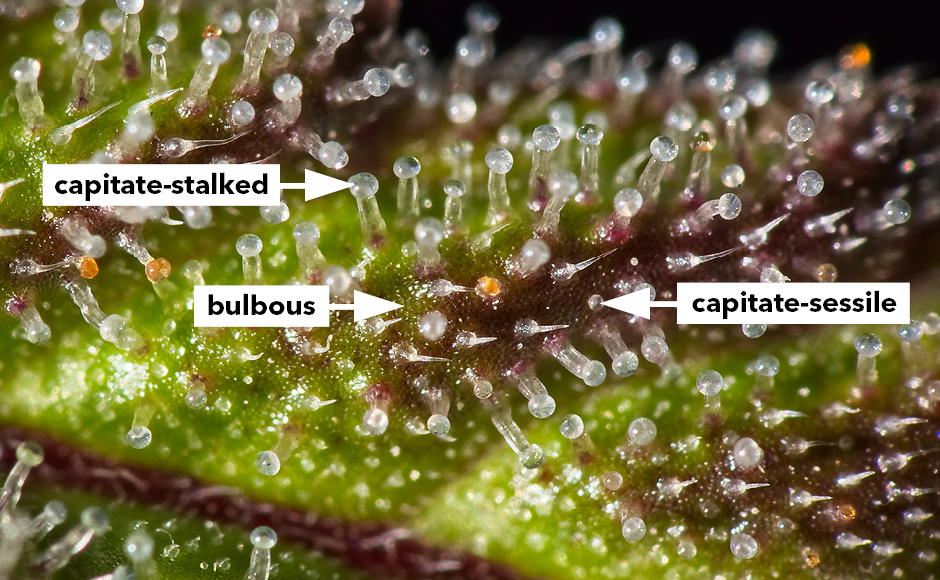
Trichomes on cannabis plants are classified into three main types based on their structure and size:
- Bulbous Trichomes: These are the smallest type of trichomes, usually consisting of just a few cells. They are not visible to the naked eye and typically measure between 10-15 micrometers in diameter. Bulbous trichomes are scattered across the surface of the plant.
- Capitate-Sessile Trichomes: Slightly larger than bulbous trichomes, these have a stalk and a head. They are more abundant and can be found on the surfaces of leaves and flowers. Capitate-sessile trichomes are more productive in terms of resin secretion compared to bulbous trichomes.
- Capitate-Stalked Trichomes: These trichomes on cannabis plants are the biggest and most noticeable. They are made up of a glandular head and a stalk that exude the majority of the resin that contains terpenes and cannabinoids. Capitate-stalked trichomes are most abundant on the flowers and sugar leaves of the cannabis plant and are the primary focus for extraction due to their high concentration of active compounds.
Biological Functions of Trichomes
Trichomes play several crucial roles in the survival and health of plants. Their functions extend beyond merely aesthetic features and are vital for protecting the plant and aiding its growth and development. Here are the primary biological functions of trichomes:
1. Defense Against Herbivores and Insects
One of the most critical functions of trichomes is to serve as a defense mechanism against herbivores and insects. The physical structure of trichomes can deter herbivores from feeding on the plant. Trichomes can be sharp or sticky, making it difficult for herbivores to consume the plant without getting injured or trapped.
In addition to their physical deterrent properties, trichomes often produce and secrete secondary metabolites, such as terpenes and other chemical compounds, which can be toxic, unpalatable, or irritating to herbivores and insects. These secretions can reduce herbivore damage and help protect the plant from being eaten.
2. Protection Against UV Radiation
Trichomes also play a significant role in protecting plants from harmful ultraviolet (UV) radiation. UV light has the potential to damage DNA, resulting in mutations and possibly damaging the plant. Trichomes can reflect and absorb UV rays, reducing the amount of radiation that reaches the plant’s tissues. This protective function is particularly important for plants growing in high-altitude or high-UV environments, where the risk of UV damage is greater.
3. Reducing Water Loss
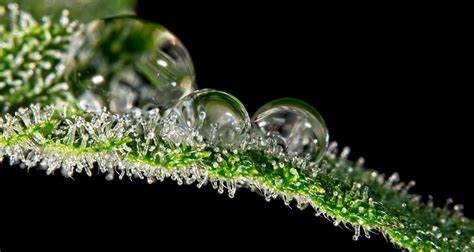
Trichomes help in minimizing water loss through a process called transpiration. Water evaporates from plant surfaces during transpiration, mostly through stomata, which are tiny openings on the surface of leaves. Trichomes can create a microenvironment around the leaf surface that traps humidity and reduces air movement. This microenvironment helps to lower the rate of transpiration, conserving water and maintaining the plant’s hydration status, especially in arid or dry conditions.
4. Temperature Regulation
Trichomes contribute to regulating the plant’s temperature by providing insulation. The layer of trichomes on the plant surface can act as a physical barrier that reduces heat loss during cold weather and minimizes heat gain during hot weather. This insulation effect helps maintain a stable internal temperature for the plant, which is essential for optimal physiological functioning and growth.
5. Antifungal and Antibacterial Properties
Trichomes can also produce and secrete compounds with antifungal and antibacterial properties. These compounds help protect the plant from pathogens, such as fungi and bacteria, that can cause diseases and infections. By producing these defensive chemicals, trichomes enhance the plant’s ability to resist infections and maintain its health.
6. Chemical Signaling
Trichomes are involved in chemical signaling processes within the plant and between the plant and its environment. They can produce volatile organic compounds (VOCs) that serve as chemical signals to attract pollinators, repel herbivores, or signal to neighboring plants about potential threats. These chemical signals play a crucial role in the plant’s interaction with its ecosystem and can influence the behavior of other organisms.
7. Mechanical Protection
The physical presence of trichomes can provide mechanical protection to the plant. For example, in some plants, trichomes form a dense covering on the leaves and stems, which can physically shield the plant from wind, sand, and other environmental stressors. This mechanical barrier can reduce physical damage to the plant and protect its tissues from environmental wear and tear.
Trichomes in Cannabis Plants
In cannabis plants, trichomes are especially important because they produce and store cannabinoids, terpenes, and flavonoids. These substances provide the plant its medicinal qualities and euphoric benefits. The primary cannabinoids produced in cannabis trichomes are:
- Tetrahydrocannabinol (THC): Known for its psychoactive effects, THC is also valued for its analgesic, anti-inflammatory, and antiemetic properties.
- Cannabidiol (CBD): CBD is non-psychoactive and is known for its wide range of therapeutic benefits, including anti-inflammatory, anticonvulsant, and anxiolytic effects.
- Cannabinol (CBN): This cannabinoid is mildly psychoactive and is typically found in aged cannabis. It is noted for its sedative properties.
- Cannabigerol (CBG): A non-psychoactive cannabinoid, CBG is considered the “parent” cannabinoid from which other cannabinoids are synthesized. It has potential therapeutic uses in treating conditions like glaucoma and inflammatory bowel disease.
- Cannabichromene (CBC): Another non-psychoactive cannabinoid, CBC has been found to have anti-inflammatory, antiviral, and antitumor properties.
Trichomes and Terpenes
More than 100 distinct terpenes are found in cannabis, and each one gives the plant its distinct aroma and medicinal qualities. The following are a few of the most prevalent terpenes in cannabis, along with their advantages:
- Myrcene:
- Aroma: Musky, earthy scent, similar to cloves or herbal musk.
- Effects: Myrcene is known for its sedative and muscle-relaxant properties. It enhances the psychoactive effects of THC, promoting relaxation and sleep.
- Medical Benefits: Useful for pain relief, inflammation reduction, and as a sleep aid.
- Limonene:
- Aroma: Citrus scent, reminiscent of lemons and oranges.
- Effects: Limonene has mood-enhancing and anti-anxiety properties. Additionally, it may enhance the way that other terpenes and cannabinoids are absorbed through the skin and mucosal membranes.
- Medical Benefits: Helps in treating anxiety, depression, and gastrointestinal issues. It also has antifungal and antibacterial properties.
- Pinene:
- Aroma: Pine-like scent, similar to pine needles or rosemary.
- Effects: Pinene has anti-inflammatory and bronchodilator properties, making it beneficial for respiratory conditions. It can also improve focus and alertness.
- Medical Benefits: Useful in treating asthma, inflammation, and memory retention. It has been shown to counteract some of the memory-impairing effects of THC.
- Linalool:
- Aroma: Floral, lavender scent.
- Effects: Linalool is known for its calming and sedative effects. It helps reduce anxiety and stress.
- Medical Benefits: Effective in treating anxiety, depression, and sleep disorders. It also possesses anti-inflammatory and analgesic qualities.
- Caryophyllene:
- Aroma: Spicy, peppery scent, similar to black pepper or cloves.
- Effects: The ability of caryophyllene to interact with the body’s endocannabinoid system, particularly the CB2 receptors, sets it apart from other terpenes. The combination has analgesic and anti-inflammatory properties.
- Medical Benefits: Useful for pain relief, reducing inflammation, and treating conditions like arthritis. It also has potential in treating anxiety and depression.
- Humulene:
- Aroma: Earthy, woody scent, similar to hops.
- Effects: Humulene has anti-inflammatory and appetite-suppressant properties.
- Medical Benefits: Beneficial in treating inflammation and as a weight loss aid due to its appetite-suppressant effects.
- Terpinolene:
- Aroma: Smoky or woody scent, with hints of citrus and pine.
- Effects: Terpinolene is known for its sedative and antioxidant properties.
- Medical Benefits: It has potential anti-cancer, antibacterial, and antifungal effects.
Extraction of Trichomes

The extraction of trichomes from cannabis plants is a crucial process for obtaining the valuable cannabinoids and terpenes they contain. There are various methods used to extract these compounds, each with its advantages and limitations. This section explores the different extraction methods, their processes, and the quality of extracts they produce.
Solvent-Based Extraction
Solvent-based extraction methods use chemical solvents to dissolve the cannabinoids and terpenes from the plant material. After that, the solvent evaporates, leaving a concentrated extract in its wake. Common solvents include ethanol, butane, and carbon dioxide (CO2). Here are the primary solvent-based extraction methods:
- Ethanol Extraction:
- Process: Ethanol is used to soak the plant material, dissolving the cannabinoids and terpenes. The mixture is then filtered, and the ethanol is evaporated, leaving behind a concentrated extract.
- Advantages: Ethanol extraction is efficient and capable of producing high yields. It is also relatively safe and can be performed at room temperature.
- Limitations: Ethanol can also dissolve chlorophyll, which can give the extract a bitter taste and dark color. Additional steps may be needed to remove unwanted compounds.
- Butane Hash Oil (BHO) Extraction:
- Process: The plant material is processed to remove terpenes and cannabinoids using butane. The mixture is then heated to evaporate the butane, leaving behind a potent extract.
- Advantages: BHO extraction produces highly concentrated extracts with a high terpene content, resulting in a flavorful product.
- Limitations: Butane is highly flammable, making this method potentially dangerous if not performed in a controlled environment. Residual solvents may remain in the final product if not properly purged.
- Supercritical CO2 Extraction:
- Process: CO2 is pressurized and heated until it reaches a supercritical state, where it behaves like both a liquid and a gas. This supercritical CO2 is passed through the plant material, dissolving the cannabinoids and terpenes. The mixture is then depressurized, allowing the CO2 to evaporate, leaving behind a pure extract.
- Advantages: CO2 extraction is highly efficient and produces a clean, high-quality extract with no residual solvents. It is also safe and environmentally friendly.
- Limitations: The equipment required for CO2 extraction is expensive and requires specialized knowledge to operate.
Solventless Extraction
Solventless extraction methods do not use chemical solvents, making them safer and more natural. These methods rely on physical processes to separate the trichomes from the plant material. Here are the primary solventless extraction methods:
- Dry Sifting:
- Process: Plant material is rubbed or shaken over a series of fine screens, separating the trichomes from the plant matter. The trichomes fall through the screens and are collected as a powdery substance known as kief.
- Advantages: Dry sifting is simple, cost-effective, and does not require solvents. It produces a pure product that retains a high concentration of terpenes.
- Limitations: The yield can be lower compared to solvent-based methods, and the process can be labor-intensive.
- Ice Water Extraction (Bubble Hash):
- Process: Plant material is mixed with ice water, causing the trichomes to become brittle and break off. The mixture is then filtered through a series of fine mesh bags, separating the trichomes from the water and plant matter. The trichomes are collected and dried.
- Advantages: Ice water extraction is effective in producing a high-quality, solventless extract with a high terpene content. It is also relatively safe and straightforward.
- Limitations: The process can be time-consuming, and the yield may be lower than solvent-based methods.
- Rosin Pressing:
- Process: Plant material or hash is placed between parchment paper and subjected to heat and pressure using a rosin press. The heat and pressure cause the trichomes to release their resin, which is collected as rosin.
- Advantages: Rosin pressing produces a clean, solventless extract with a high terpene content. It is an easy-to-use, low-tech procedure that you can do at home with a few simple supplies.
- Limitations: The yield can be lower compared to other methods, and the quality of the extract depends on the quality of the starting material and the precision of the pressing conditions.
Medical Applications of Trichome Extracts
Trichome extracts from cannabis plants have significant potential in the medical field due to their high concentrations of cannabinoids and terpenes. These compounds interact with the body’s endocannabinoid system (ECS) and other physiological pathways, offering therapeutic benefits for a wide range of medical conditions. This section explores the various medical applications of trichome extracts, highlighting their potential in treating specific health issues.
1. Pain Management
One of the most well-documented uses of cannabis trichome extracts is in the management of pain. Cannabinoids like THC and CBD have been shown to have analgesic properties, making them effective in treating various types of pain.
- Chronic Pain: Trichome extracts can help alleviate chronic pain associated with conditions such as fibromyalgia, neuropathy, and rheumatoid arthritis. By interacting with the ECS, cannabinoids modulate pain signals and reduce inflammation.
- Cancer Pain: Cannabis extracts can be particularly beneficial for cancer patients experiencing pain due to the disease itself or as a side effect of treatments like chemotherapy and radiation.
- Post-Surgical Pain: Trichome extracts can also be used to manage pain following surgical procedures, reducing the need for opioid analgesics and their associated risks.
2. Anti-Inflammatory Effects
Cannabinoids have potent anti-inflammatory properties, making trichome extracts useful in treating a variety of inflammatory conditions.
- Arthritis: Both rheumatoid arthritis and osteoarthritis patients can benefit from the anti-inflammatory effects of cannabinoids, which reduce joint inflammation and pain.
- Inflammatory Bowel Disease (IBD): Conditions like Crohn’s disease and ulcerative colitis may be managed with trichome extracts, which can reduce intestinal inflammation and associated symptoms.
- Multiple Sclerosis (MS): MS patients often experience inflammation-related nerve pain and muscle spasticity, both of which can be alleviated with cannabis extracts.
3. Anti-Seizure Effects
Cannabis extracts, particularly those high in CBD, have shown efficacy in reducing the frequency and severity of seizures.
- Epilepsy: CBD-rich extracts have been successful in treating various forms of epilepsy, including Dravet syndrome and Lennox-Gastaut syndrome. The FDA-approved drug Epidiolex, derived from CBD, is a testament to the effectiveness of trichome extracts in managing epilepsy.
- Seizure Disorders: Beyond epilepsy, other seizure disorders can also be treated with cannabinoid extracts, providing relief where traditional medications may fail.
4. Anxiety and Depression
Cannabinoids and terpenes found in trichome extracts can help manage mental health conditions like anxiety and depression.
- Anxiety: CBD and certain terpenes such as limonene and linalool have anxiolytic properties, helping to reduce symptoms of anxiety disorders, including generalized anxiety disorder (GAD), social anxiety disorder (SAD), and post-traumatic stress disorder (PTSD).
- Depression: Trichome extracts can also help alleviate symptoms of depression by modulating the ECS and influencing serotonin levels in the brain, leading to improved mood and emotional regulation.
5. Cancer Treatment
Cannabis extracts have shown promise in various aspects of cancer treatment.
- Anti-Tumor Effects: Some studies suggest that cannabinoids can inhibit the growth of cancer cells and induce apoptosis (programmed cell death), potentially slowing the progression of certain types of cancer.
- Symptom Management: Beyond direct anti-tumor effects, cannabis extracts are highly effective in managing symptoms associated with cancer and its treatments, such as nausea, vomiting, pain, and loss of appetite.
6. Neuroprotection
Cannabinoids have neuroprotective properties, making trichome extracts potential treatments for neurodegenerative diseases.
- Alzheimer’s Disease: Trichome extracts may help protect against the progression of Alzheimer’s by reducing inflammation, oxidative stress, and amyloid plaque formation in the brain.
- Parkinson’s Disease: Cannabis extracts can alleviate symptoms of Parkinson’s, such as tremors, rigidity, and bradykinesia, and may have protective effects on dopaminergic neurons.
- Huntington’s Disease: Trichome extracts may offer neuroprotective benefits for patients with Huntington’s disease by reducing neuronal damage and improving motor function.
7. Skin Conditions
Topical applications of cannabinoid-rich extracts can help treat various skin conditions due to their anti-inflammatory and antimicrobial properties.
- Psoriasis: Trichome extracts can reduce the inflammation and proliferation of skin cells associated with psoriasis, providing relief from itching and discomfort.
- Eczema: The anti-inflammatory effects of cannabinoids can help manage eczema symptoms, reducing redness, itching, and swelling.
- Acne: Cannabinoids and terpenes can regulate sebum production and reduce inflammation, making them effective in treating acne.
8. Sleep Disorders
Cannabis extracts, particularly those containing THC and CBN, can help improve sleep quality and manage sleep disorders.
- Insomnia: THC and CBN have sedative properties that can help induce sleep and improve sleep duration and quality.
- Sleep Apnea: Some studies suggest that cannabinoids may help reduce episodes of sleep apnea by modulating respiratory patterns during sleep.
9. Gastrointestinal Disorders
Trichome extracts can be beneficial in treating various gastrointestinal disorders by reducing inflammation and modulating gut motility.
- Irritable Bowel Syndrome (IBS): The IBS symptoms of cramping, irregular bowel movements, and abdominal pain can be better controlled with the aid of cannabinoids.
- Nausea and Vomiting: Cannabis extracts are highly effective in reducing nausea and vomiting, particularly in patients undergoing chemotherapy or suffering from chronic conditions.
Future Directions and Research
The medical use of trichome extracts is still in its early stages, and ongoing research continues to uncover new therapeutic applications and improve extraction methods. Some areas of focus for future research include:
- Understanding the Entourage Effect: The synergistic combination of terpenes, other chemicals in cannabis, and THC is known as the entourage effect. Research aims to understand how these interactions enhance the therapeutic effects of cannabis extracts.
- Personalized Medicine: As our understanding of the ECS and individual responses to cannabinoids improves, there is potential for personalized cannabis-based treatments tailored to an individual’s specific needs and genetic makeup.
- New Cannabinoids and Terpenes: Researchers are exploring the therapeutic potential of lesser-known cannabinoids and terpenes, expanding the range of conditions that can be treated with cannabis extracts.
- Improved Extraction Methods: Advancements in extraction technology aim to produce purer, more potent extracts with higher yields and fewer impurities.
Conclusion
Trichomes are remarkable structures that play a crucial role in the cannabis plant’s biology and its interaction with the environment. These tiny, glandular outgrowths are not only essential for the plant’s defense mechanisms and survival but also serve as the primary source of cannabinoids and terpenes, the compounds responsible for the plant’s medicinal and psychoactive properties.
The extraction of trichomes and the subsequent isolation of cannabinoids and terpenes have opened up vast possibilities in the medical field. Through various extraction methods, both solvent-based and solventless, high-quality trichome extracts can be obtained, offering concentrated doses of these valuable compounds. Each extraction method, whether it be CO2 extraction, ethanol extraction, dry sifting, or rosin pressing, has its unique advantages and limitations, impacting the purity, potency, and safety of the final product.
Trichome extracts have demonstrated significant therapeutic potential across a wide range of medical conditions. From managing chronic pain and reducing inflammation to controlling seizures and alleviating anxiety and depression, the cannabinoids and terpenes produced in trichomes interact with the body’s endocannabinoid system and other physiological pathways to provide relief and enhance well-being. Moreover, these extracts offer promising applications in treating cancer, neurodegenerative diseases, skin conditions, sleep disorders, and gastrointestinal issues.
The synergy between cannabinoids and terpenes, known as the entourage effect, further enhances the therapeutic efficacy of cannabis extracts, highlighting the importance of using whole-plant extracts for maximum benefit. As research continues to advance, our understanding of these interactions and the development of targeted cannabis-based treatments will likely expand, offering new, natural alternatives to traditional pharmaceuticals with fewer side effects.
In conclusion, the study and utilization of trichomes in cannabis plants represent a significant leap forward in the field of medical cannabis. Through the utilization of these minuscule yet potent structures, we can create natural remedies for a wide range of illnesses, thereby enhancing the well-being of individuals across the globe. The ongoing research and innovation in trichome extraction and application hold great promise for the future of medicine, paving the way for more personalized and effective therapeutic options.
