Table of Contents
98 Aloha White Widow is a unique phenotype of the legendary White Widow strain, originating from the tropical climates of Hawaii. This strain is a balanced hybrid, typically exhibiting a 50/50 indica-to-sativa ratio. Renowned for its potency, aroma, and versatility, 98 Aloha White Widow has gained popularity among recreational and medical cannabis users alike. Its heritage, chemical composition, and diverse uses make it a subject of significant interest in the cannabis community.
Genetic Background and Origin
98 Aloha White Widow traces its lineage back to the original White Widow strain, which emerged in the Netherlands in the 1990s. White Widow is a hybrid of a resin-heavy South Indian indica and a Brazilian landrace sativa. The Hawaiian phenotype, 98 Aloha, is distinguished by its adaptation to Hawaii’s unique growing conditions, resulting in a strain with enhanced resin production, tropical terpenes, and robust growth characteristics.
Physical Characteristics
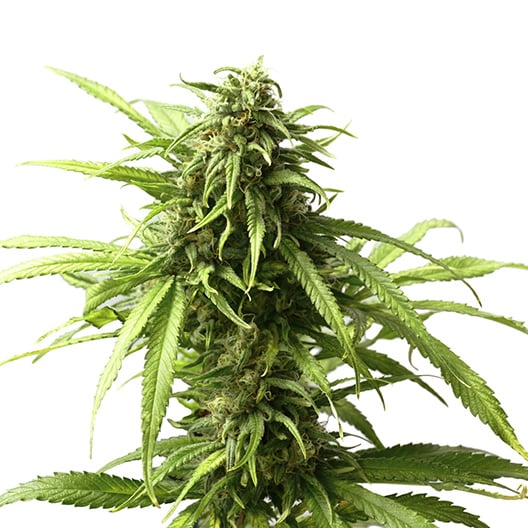
98 Aloha White Widow plants are medium-sized with a bushy structure, characteristic of hybrids. They produce dense, frosty buds that are heavily coated in trichomes, giving them a glittering appearance. The coloration ranges from bright green to deeper shades accented with orange pistils. The buds are sticky to the touch, indicating a high concentration of cannabinoids and terpenes.
Chemical Composition
Cannabinoids
- THC: 15-22% (varies depending on cultivation methods)
- CBD: 0.1-1% (low, but present)
- CBG: 0.5-1%
Terpenes
98 Aloha White Widow is known for its rich terpene profile, which includes:
- Myrcene: Musky and earthy, which adds to the sedative effects.
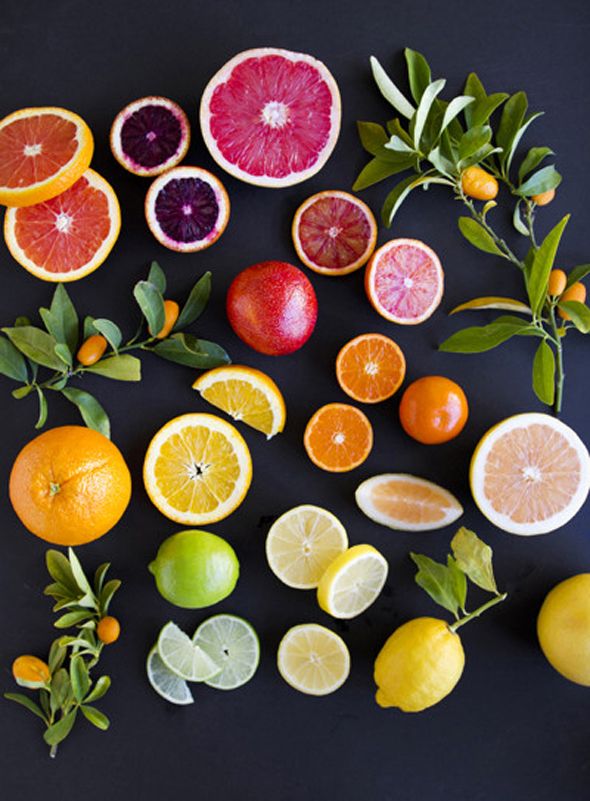
- Limonene: Citrusy, promoting an uplifting and mood-enhancing experience.
- Pinene: Pine-like, known for anti-inflammatory properties and improved focus.
- Caryophyllene: Spicy and peppery, with potential anti-inflammatory and pain-relieving benefits.
- Linalool: Floral and calming, contributing to relaxation.
Aroma and Flavor Profile
98 Aloha White Widow’s aroma is a delightful blend of tropical fruit, citrus, and earthy undertones. Upon inhalation, users report a smooth smoke with flavors of sweet pineapple, tangy citrus, and subtle pine. The exhale leaves a lingering herbal and floral note, making it a sensory delight.
Cultivation of 98 Aloha White Widow
1. Optimal Growing Environment
98 Aloha White Widow benefits from controlled and stable growing conditions. Ideal parameters include:
- Climate: Warm, tropical, and humid conditions, similar to its Hawaiian origins. Outdoor cultivation thrives in regions with long sunny days and consistent warmth.
- Temperature: Ideal range is 70-85\u00b0F (21-29\u00b0C). Temperatures outside this range can stress the plant or slow growth.
- Humidity: Moderate humidity (50-60%) during the vegetative stage promotes growth. Lower humidity (40-50%) during flowering reduces mold or mildew risks.
2. Lighting Requirements
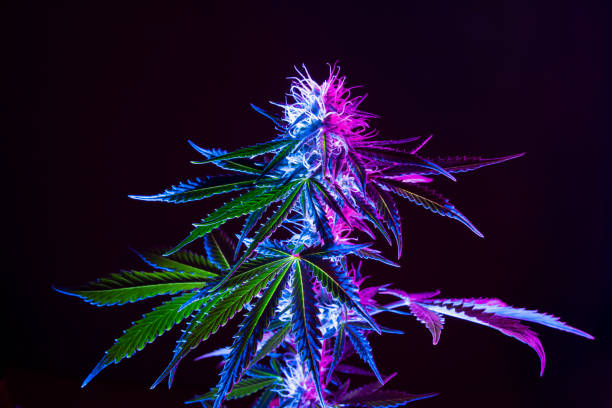
- Indoor Cultivation: Use full-spectrum LED or high-pressure sodium (HPS) lights. Requires 18-24 hours of light during vegetative growth and 12 hours during flowering.
- Outdoor Cultivation: Requires ample direct sunlight. In non-tropical climates, planting during peak summer ensures maximum light exposure.
3. Soil and Medium Preferences
- Soil Type: Nutrient-rich, well-draining organic soil enhances terpene development. Keep the soil’s pH between 6.0 and 6.8.
- Hydroponics: Thrives in hydroponic systems, where nutrients are delivered directly to the roots. This accelerates growth and maximizes yield.
- Aeration: Adding perlite or coco coir improves root oxygenation, essential for healthy growth.
4. Nutrient Requirements
- Vegetative Stage: Requires nitrogen-rich fertilizers for leafy growth. Suggested NPK ratio: 3-1-2.
- Flowering Stage: Needs phosphorus and potassium-rich nutrients for bud production. Suggested NPK ratio: 1-3-2.
- Micro-Nutrients: Magnesium, calcium, and sulfur support enzyme activity, chlorophyll production, and bud density.
- Organic Options: Compost teas and organic fertilizers enhance microbial activity and improve terpene profiles.
5. Watering Practices
- Frequency: Water thoroughly but allow the topsoil to dry between sessions to prevent root rot and overwatering.
- Water Quality: Use filtered or pH-adjusted water (pH 6.0-6.5) to avoid nutrient lockout.
- Irrigation Systems: Drip irrigation ensures consistent moisture levels and reduces water waste.
6. Pruning and Training
- Pruning: Regularly remove yellowing leaves, lower branches, and excess foliage to improve air circulation and light penetration.
- Low-Stress Training (LST): Gently bend branches to encourage lateral growth, increasing light exposure across the canopy.
- Screen of Green (ScrOG): A mesh screen supports horizontal growth and maximizes yield per square meter.
7. Flowering and Harvesting
- Flowering Period: 8-10 weeks under optimal conditions.
- Signs of Readiness: Trichomes turn milky white with some amber hues, and pistils shift from white to orange/brown.
- Harvest Timing: For uplifting effects, harvest when trichomes are mostly milky. For sedative effects, wait for a higher percentage of amber trichomes.
8. Post-Harvest Processing
- Drying: Hang buds in a dark, well-ventilated room at 65-75\u00b0F (18-24\u00b0C) with 50-60% humidity. Drying typically takes 7-14 days.
- Curing: Store dried buds in airtight jars, opening them daily for the first two weeks to release moisture. Maintain storage humidity at 58-62% using humidity packs.
- Storage: Keep cured buds in a cool, dark place to preserve potency and terpene integrity.
9. Pest and Disease Management
- Resistance: 98 Aloha White Widow shows natural resistance to common pests and molds, but proactive measures are essential.
- Integrated Pest Management (IPM): Use predatory insects like ladybugs for natural pest control.
- Common Pests: Monitor for spider mites, aphids, and whiteflies. Neem oil or organic insecticides are effective for treatment.
- Disease Prevention: Maintain proper humidity and airflow to prevent powdery mildew and botrytis.
10. Maximizing Yield and Quality
- CO2 Enrichment: Increasing CO2 levels in grow rooms boosts photosynthesis and yield.
- Environmental Monitoring: Use digital meters to track temperature, humidity, and pH consistently.
- Terpene Enhancement: Supplement with sulfur-rich nutrients and maintain optimal light intensity during flowering to enhance terpene production.
Resistance
98 Aloha White Widow is resistant to common pests and molds, making it beginner-friendly. However, regular pruning is essential to promote airflow and prevent bud rot in dense canopies.
Effects and Benefits

Recreational Uses
98 Aloha White Widow provides a balanced and versatile high, making it suitable for a variety of recreational settings:
- Initial Effects: 98 Aloha White Widow high begins with a cerebral rush, inducing euphoria, creativity, and focus. Users frequently report feeling happier and having better sensory perception.
- Progression: The sativa effects gradually of 98 Aloha White Widow transition to a relaxing body high. This duality makes it ideal for social gatherings, artistic endeavors, or solitary relaxation.
- Duration: The effects last between 2-4 hours, depending on dosage and individual tolerance.
Medical Applications
98 Aloha White Widow is highly regarded in the medical cannabis community for its therapeutic properties. Its balanced effects and rich cannabinoid-terpene profile make it suitable for managing a variety of conditions:
- Pain Management: The presence of myrcene and caryophyllene contributes to its analgesic properties, providing relief from chronic pain, arthritis, and migraines.
- Anxiety and Depression: Limonene and linalool help reduce stress and promote relaxation, making it effective for managing anxiety and depression.
- Sleep Disorders: The calming body high can help users with insomnia achieve restful sleep.
- Inflammation: Caryophyllene and pinene exhibit anti-inflammatory effects, beneficial for conditions like Crohn’s disease and fibromyalgia.
- Appetite Stimulation: The strain’s ability to enhance appetite is useful for individuals undergoing chemotherapy or suffering from eating disorders.
- Focus and ADHD: Low doses can improve focus and concentration, aiding those with ADHD or other attention-related challenges.
Scientific Insights
Cannabinoid Interaction
The high THC content in 98 Aloha White Widow binds to CB1 receptors in the brain, resulting in its psychoactive effects. The low CBD content, while not significant enough to counteract THC’s psychoactivity, may contribute to its subtle calming effects.
Entourage Effect
The combination of terpenes and cannabinoids in 98 Aloha White Widow creates a synergistic effect, enhancing its therapeutic potential. For instance, the interplay of limonene and myrcene balances uplifting and sedative effects, providing a harmonious experience.
Research and Studies
While specific studies on 98 Aloha White Widow are limited, research on its parent strain, White Widow, provides insights:
- A 2018 study published in Frontiers in Pharmacology highlighted the analgesic and anti-inflammatory effects of caryophyllene.
- A 2020 study in Journal of Cannabis Research emphasized the potential of limonene and linalool in reducing anxiety and promoting relaxation.
- Ongoing research explores the neuroprotective properties of THC and CBD combinations, which could have implications for ailments such as Parkinson’s disease and Alzheimer’s.
Methods of Ingestion for 98 Aloha White Widow
1. Smoking
- Description: Smoking involves combusting the flower and inhaling the smoke through a joint, pipe, or bong.
- Onset: Effects typically begin within 1-5 minutes after inhalation.
- Duration: Lasts about 2-4 hours.
- Advantages: Instant effects, precise dosage control, and social enjoyment.
- Disadvantages: Potential respiratory irritation due to combustion by-products.
2. Vaporization (Vaping)
- Description: Heating the flower or concentrate at lower temperatures to release cannabinoids and terpenes without combustion.
- Onset: Within one to three minutes, effects become apparent.
- Duration: Effects last around 2-3 hours.
- Advantages: Cleaner inhalation, preserves terpene profile, and reduced respiratory irritation.
- Disadvantages: Requires a vaporizer, which can be costly initially.
3. Edibles
- Description: Beverages or foods that have been infused with cannabis extracts.
- Onset: Delayed onset, typically 30-90 minutes due to digestion and liver metabolism (first-pass effect).
- Duration: Effects may linger for four to eight hours or more.
- Advantages: Long-lasting effects, discreet consumption, and no inhalation required.
- Disadvantages: Harder to dose accurately, and delayed onset may lead to overconsumption.
4. Tinctures and Sublingual Administration
- Description: Liquid cannabis extracts placed under the tongue for absorption through mucosal membranes.
- Onset: Effects are noticeable within 15-30 minutes.
- Duration: Lasts around 2-6 hours.
- Advantages: Precise dosing, faster onset than edibles, and discreet use.
- Disadvantages: Some may find the taste unpleasant.
5. Topicals
- Description: Creams, balms, or patches that are directly applied to the skin and contain cannabis.
- Onset: Effects typically felt within 20-30 minutes (localized relief only).
- Duration: Relief lasts for several hours.
- Advantages: Non-psychoactive, ideal for localized pain or inflammation.
- Disadvantages: Limited to therapeutic use; no systemic effects.
6. Concentrates (Dabbing)
- Description: Inhaling vapor from high-potency cannabis extracts using a dab rig.
- Onset: Immediate effects, felt within 1-2 minutes.
- Duration: Lasts 2-3 hours.
- Advantages: High potency, quick onset, and flavorful terpene preservation.
- Disadvantages: Requires equipment and is not suitable for beginners due to potency.
Onset, Duration, and Effects
Onset
- Smoking and Vaping: Rapid onset (1-5 minutes) as cannabinoids bypass digestion and enter the bloodstream via the lungs.
- Edibles: Delayed onset (30-90 minutes) due to digestive processes. Cannabinoids are converted into more potent forms like 11-hydroxy-THC in the liver, increasing the intensity of effects.
- Sublingual Tinctures: Intermediate onset (15-30 minutes) due to partial bypass of digestive metabolism.
- Topicals: Onset is localized and non-psychoactive, felt within 20-30 minutes.
Duration
- Smoking and Vaping: Shorter duration, effects fade within 2-4 hours.
- Edibles: Long-lasting effects, up to 8 hours or more.
- Sublingual Tinctures: Moderate duration, effects last 2-6 hours.
- Topicals: Effects persist for localized relief for 4-6 hours.
Effects
Psychoactive Effects
- Cerebral Stimulation: Users experience an uplifted mood, enhanced focus, and heightened creativity due to THC interaction with CB1 receptors in the brain. Perfect for creative projects or social gatherings.
- Body Relaxation: The balanced hybrid nature promotes a calming body high after the initial cerebral effects subside. This is attributed to the synergistic effects of myrcene and THC.
- Euphoria and Sensory Enhancement: The strain often enhances sensory perception, making music, art, and food more enjoyable.
Therapeutic Effects
- Analgesia: Effective for managing chronic pain and inflammation due to the anti-inflammatory properties of caryophyllene and pinene.
- Stress Relief: The combination of limonene and linalool helps reduce stress and anxiety, promoting relaxation.
- Appetite Stimulation: THC stimulates appetite, useful for patients undergoing treatments like chemotherapy.
- Anti-Inflammatory: The presence of caryophyllene supports relief from inflammatory conditions such as arthritis or Crohn disease.
- Insomnia Relief: The sedative effects, especially in higher doses, can help with sleep disorders.
Cognitive and Emotional Effects
- Low doses can improve concentration and productivity, while higher doses may lead to introspection or sedation.
- For recreational users, the cerebral effects make it suitable for daytime use in moderate amounts.
Tips for Optimizing the Experience
- Start Low and Go Slow: Especially with edibles or high-potency forms, begin with a low dose to gauge individual tolerance.
- Hydration: Drink plenty of water to combat dry mouth and stay hydrated throughout the experience.
- Comfortable Setting: Use in a safe and familiar environment, particularly for new users or those consuming high doses.
- Method Selection: Choose a method of ingestion based on the desired onset, duration, and experience (e.g., quick relief vs. prolonged effects).
Dosage Guidelines
Recreational Users
- Beginner: 1-2 hits or 5-10 mg of THC
- Intermediate: 10-20 mg of THC
- Experienced: 20-30 mg or more, depending on tolerance
Medical Users
- Start with a low dose (2.5-5 mg THC) and gradually increase to achieve desired effects. Medical users should consult with a healthcare provider for personalized recommendations.
Side Effects
Common side effects of 98 Aloha White Widow include dry mouth, dry eyes, and mild dizziness. Overconsumption may lead to anxiety or paranoia, particularly in novice users or those sensitive to THC. Staying hydrated and consuming in a comfortable environment can mitigate these effects.
Community and Cultural Impact
98 Aloha White Widow has cultivated a loyal following among cannabis enthusiasts, particularly in regions with legalized recreational and medical cannabis. Its adaptability and balanced effects make it a favorite among growers and consumers alike. The strain’s Hawaiian heritage adds a cultural dimension, symbolizing the fusion of traditional and modern cannabis cultivation practices.
Conclusion
98 Aloha White Widow stands out as a versatile and potent strain with a rich history and diverse applications. Its balanced effects, unique flavor profile, and therapeutic potential make it a valuable addition to the cannabis market. Whether used recreationally or medically, this strain embodies the best qualities of its lineage, providing a well-balanced mix of relaxation and euphoria. With continued research and cultivation, 98 Aloha White Widow is poised to maintain its legacy as a celebrated cannabis strain.
For a complete directory of cultivars, visit our Cannabis Strain Reviews.
