Why I Built This Cold-Room Playbook
My first winter grow felt like wrestling a refrigerator. Night temps slipped to 16–17°C, the concrete floor wicked heat from pots, and leaves went purple for the wrong reasons. After a few seasons of trials, I settled on a system and a short list of cold-hardy cannabis seeds that kept my marijuana harvests steady even when outside frost glazed the windows. This guide distills what worked in my northern garage and in a spare bedroom where the heater pulls double duty. I’m writing from a cultivator’s notebook, not a lab bench—mistakes included.
What Makes A Seed “Cold-Hardy”
No cultivar is invincible, but certain traits stack the odds in cool rooms and northern winters:
- Faster onset of flower and tighter internode control under lower leaf surface temperatures
- Bract structure that resists moisture pooling when RH rises overnight
- Stems that lignify early and hold weight without extra heat
- Root systems that keep sipping when media temp dips to 17–18°C
Environmental baselines that kept my weed happy: - Day temperature 22–25°C, night 18–20°C when possible; a 3–5°C swing max
- Relative humidity 55–62% in early flower, tapering to 48–52% late flower
- VPD 1.1–1.3 kPa during bloom; closer to 0.9–1.1 kPa in cool veg rooms
- PPFD 700–900 µmol/m²/s under LED grow lights, with a 30–45 minute dimmed “sunrise” to reduce lights-on stress
- Feed strength 1.6–1.9 EC in peak bloom; autos stay slightly lower
Those numbers, plus cultivar choice, separated clean jars from cold-stunted disappointments.
How I Tested Cold-Hardy Cannabis Seeds
To choose cold-hardy cannabis seeds for this list, I ran side-by-side cycles in two environments:
- Unheated garage tent (3×3, insulated floor) that dipped to 16–17°C on the worst nights
- Conditioned spare room tent (2×4) with nights stabilized at 18–19°C
Methods and tracking:
LED grow lights at matching PPFD maps using a handheld meter; canopy leveled with clips and soft ties
- Soil vs hydro comparison: coco-perlite in fabric pots indoors, and a small recirculating system trial I retired after root temps fought me
- Nutrients monitored by inflow and runoff EC/PPM; I recorded leaf temps with an IR thermometer
- Weekly photographs and notes on color, transpiration, stretch, and aroma development
- Three packs of feminized seeds per cultivar to compare phenotypes and germination rate
The 9 Cold-Hardy Seeds That Kept Performing
All nine are widely available as feminized seeds. I’ve included how each behaved in cool rooms and what adjustments paid off.
Northern Lights Feminized
A classic among indica strains that tolerates cool nights with minimal sulk. Nodes stay tight, and the leaf-to-bud ratio makes airflow easy.
What worked
- PPFD 750–850 µmol/m²/s, EC 1.7 in mid-bloom
- VPD 1.2 kPa; colder nights needed a small bump in exhaust to keep dew off
- Early lollipopping and light defoliation at week four
In my garage tent, Northern Lights remained one of the most dependable cold-hardy cannabis seeds. The germination rate stayed above 90% across runs from two seed banks.
-
Northern Lights Cannabis Seeds
Northern Lights cannabis seeds, akin to tranquil celestial guides, harbor …From: $24.99 BUY NOW This product has multiple variants. The options may be chosen on the product page
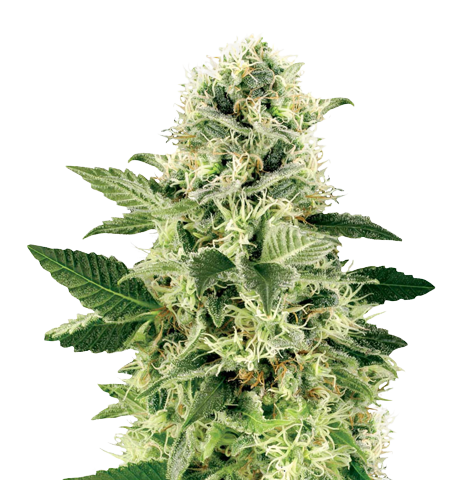
White Widow Feminized
Resinous without marble-hard colas, forgiving on feed, and steady in low 20s Celsius.
What worked
- Leaf temp kept near ambient with steady fan sweep
- PPFD 800–900 µmol/m²/s under LED grow lights, dimmed 10% on the coldest nights
- EC 1.6–1.8, more calcium and magnesium to prevent edge crisping
White Widow bridged indoor winter cycles and shoulder-season outdoor starts. Among hybrid strains, it’s unusually adaptable in cool rooms.
-
White Widow Cannabis Seeds
White Widow cannabis seeds are celebrated for yielding plants rich …From: $24.99 BUY NOW This product has multiple variants. The options may be chosen on the product page
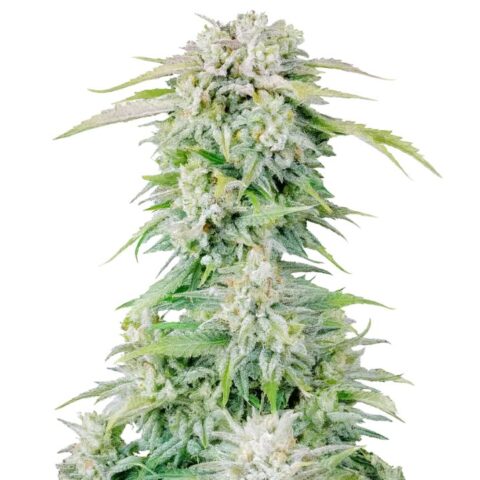
Blueberry Feminized
Shorter plant with medium-density flowers that dry fast in 50% RH. Color comes naturally in cool rooms if the plant is fed and transpiring.
What worked
- Keep nitrogen modest mid-bloom to avoid overly tight bracts
- PPFD 700–800; it resented sudden light spikes when leaf temps were low
- VPD 1.1–1.25 kPa; too dry and it stalled
As feminized seeds, Blueberry showed consistent structure. In soil vs hydro, coco-perlite outperformed DWC when media temps dropped.
-
Blueberry Cannabis Seeds
Blueberry cannabis seeds promise a journey into tranquility, producing plants …From: $24.99 BUY NOW This product has multiple variants. The options may be chosen on the product page
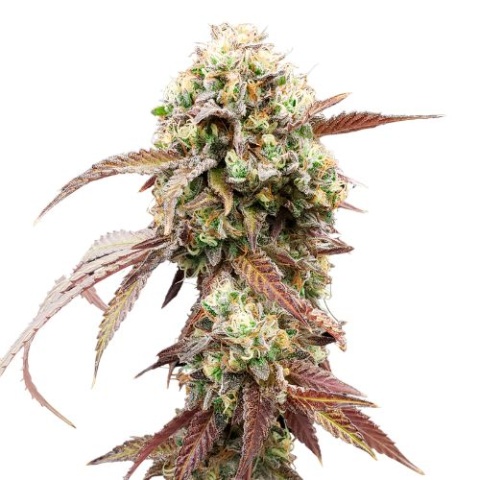
Skunk 1 Feminized
Strong stems and straightforward training. Among indica strains and hybrid strains, Skunk #1 handles temperature swings well.
What worked
- One topping in week three of veg, then low-stress training to spread canopy
- EC 1.7, potassium steady late bloom
- RH pulled down to 50% by day 49 of flower
It’s a workhorse seed I rely on when winter shipping delays push schedules; germination rate stayed high from trusted seed banks.
-
Skunk No. 1 Cannabis Seeds
Skunk No. 1 cannabis seeds, like a fragrant explosion of …From: $24.99 BUY NOW This product has multiple variants. The options may be chosen on the product page
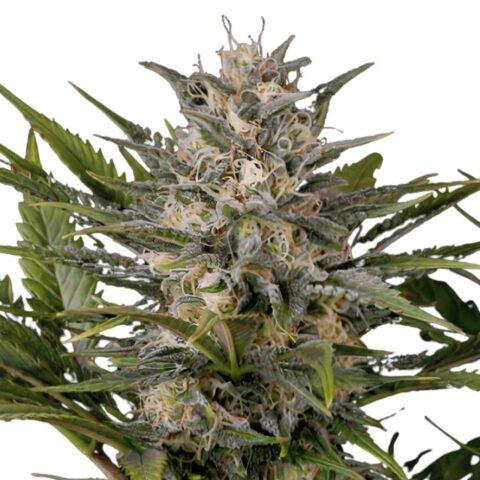
Critical Feminized
Fast finish and open enough structure to resist cold-room moisture spikes.
What worked
- EC 1.6–1.7; too much nitrogen leads to tight cores that hold damp
- PPFD 800 range with gentle sunrise dimming
- Light defoliation at flip and again two weeks into bloom
Critical has been a reliable cold-hardy cannabis seed for quick winter turns in the spare-room tent.
-
Critical 47 Cannabis Seeds
Critical 47 cannabis seeds are the passport to a garden …From: $24.99 BUY NOW This product has multiple variants. The options may be chosen on the product page
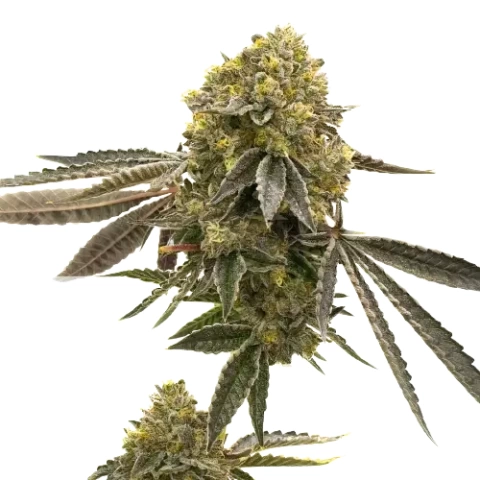
Jack Herer Feminized
Leans into sativa strains architecture with airy spears that breathe in cool air.
What worked
- Higher PPFD tolerated: 850–900 µmol/m²/s with steady temps
- VPD 1.2–1.3 kPa; too low and you’ll see leaf shine and slow resin
- Gentle trellising to prevent wind slap near exhaust
Jack Herer can go long, so I use the conditioned room for the final three weeks. This is where LED grow lights really help maintain productivity in cool rooms.
-
Jack Herer Cannabis Seeds
Jack Herer cannabis seeds yield a renowned strain celebrated for …From: $24.99 BUY NOW This product has multiple variants. The options may be chosen on the product page
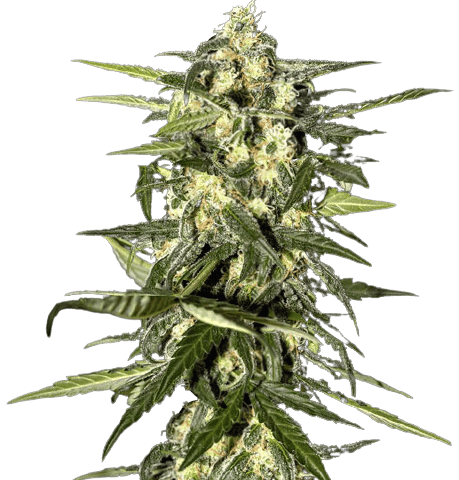
Durban Poison Feminized
Tall, fast-drying colas and a metabolism that doesn’t shut down when pots cool a bit.
What worked
- Stake early; once stretch ends, airflow between mains stays excellent
- EC 1.6; add magnesium modestly
- RH 50–55% in late bloom
Durban Poison has been one of my favorite sativa strains for winter. In soil vs hydro, living soil stayed warmer than water in my trials.
-
Durban Poison Cannabis Seeds
Referred to as the “espresso of the cannabis world,” Durban …From: $24.99 BUY NOW This product has multiple variants. The options may be chosen on the product page
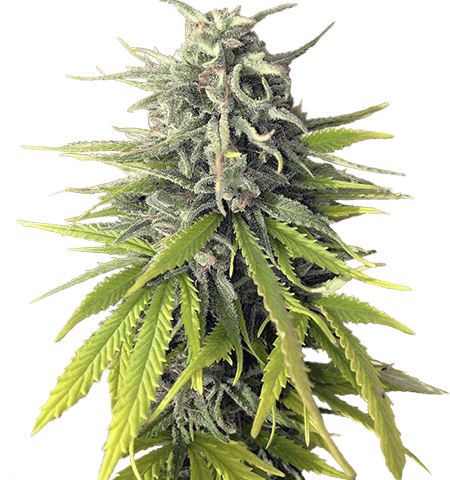
Cheese (UK Cheese) Feminized
Squat, cooperative plant that tolerates temperature dips and still stacks.
What worked
- Keep canopy even; it dislikes harsh side lighting in cold rooms
- PPFD 750–850; VPD 1.15–1.25 kPa
- Defoliate inner fans to prevent damp clustering
Cheese belongs in the cold-hardy cannabis seeds discussion because it’ll still fill jars in an underheated garage with only minor pampering.
-
UK Cheese Cannabis Seeds
UK Cheese Cannabis Seeds hold the potential to nurture a …From: $24.99 BUY NOW This product has multiple variants. The options may be chosen on the product page
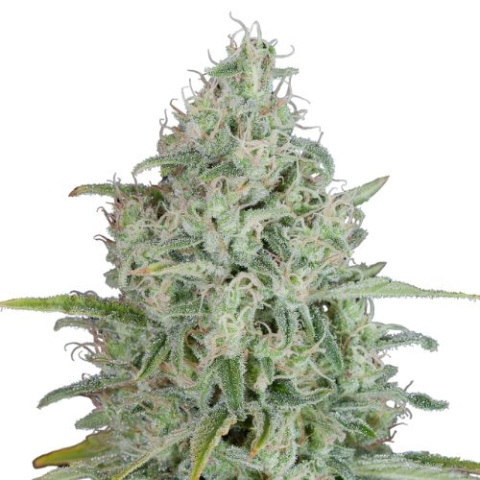
Afghan Kush Feminized
Old mountain stock from colder regions, landing squarely among indica strains that shrug off chilly nights.
What worked
- EC 1.7–1.9 in mid-bloom; watch for excess nitrogen in veg
- Short veg, then early training to keep airflow channels
- RH 48–52% final two weeks
Dense but controllable. If cold pushes RH up, I bump exhaust 10% and tighten watering windows. As feminized seeds, Afghan Kush phenotypes were surprisingly uniform from reputable seed banks.
-
Afghan Kush Cannabis Seeds
Afghan Kush cannabis seeds carry the essence of the rugged …From: $24.99 BUY NOW This product has multiple variants. The options may be chosen on the product page
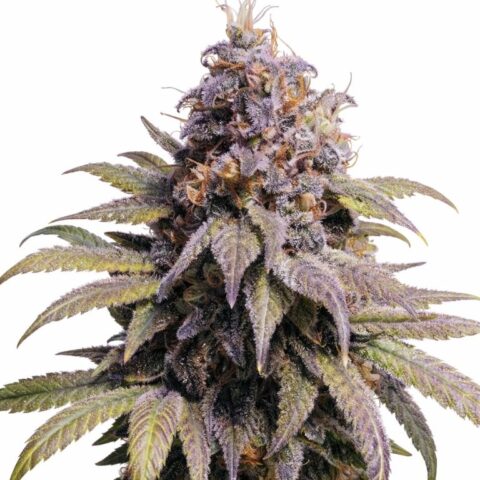
Autoflower Seeds In Cold Rooms
I run a parallel winter program with autoflower seeds because they finish before the coldest months bite hard.
What I change for autos:
- Slightly lower EC (1.5–1.7 peak) to avoid slowdowns
- Earlier training (gentle LST only) during days 12–20 from sprout
- Photoperiod independence means I can keep a consistent 18/6 cycle to stabilize room temps
Autoflower seeds have become my “insurance calendar.” If a photoperiod stretches into the worst freeze, I still have a fast harvest on deck.
Lighting And Heat Strategy For Cool Rooms
LED grow lights are my engine and my heater. To make them work in winter:
- Map PPFD so hot spots don’t push one cola while the rest stall
- Raise fixtures a touch and increase output to maintain the same PPFD while distributing mild radiant warmth
- Start each day with a 30–45 minute low-power ramp to avoid dew and leaf shock
- Use the lights-on window to time irrigation so pots aren’t cold and saturated at night
Media, Roots, And The Soil vs Hydro Question
I’ve run hydro in summer with great results, but winter hydro in a garage is a different animal.
My takeaways:
- Coco-perlite in fabric pots keeps root temps more stable than buckets of cold water
- Living soil in insulated beds retains warmth better than thin plastic pots on concrete
- In soil vs hydro comparisons, hydro required heaters and constant monitoring; coco and soil just asked for patience and airflow
Root-zone best practices when it’s cold:
- Use foam pads or wooden slats to lift pots off the floor
- Keep irrigation solution near room temp (18–20°C)
- If runoff trays hold water, vacuum them immediately to prevent evaporative cooling
Nutrients, EC/PPM, And VPD When The Thermometer Drops
Cool leaves move water differently. That’s why VPD matters more than a single RH number in cold rooms.
Targets that worked repeatedly:
- Veg VPD 0.9–1.1 kPa; Bloom 1.1–1.3 kPa
- Calcium and magnesium a touch higher under intense LED grow lights, especially for hybrid strains with aggressive metabolism
- EC 1.6–1.9 in bloom for photoperiods; autos 1.5–1.7
- Potassium elevated late bloom to help density without inviting moisture traps
- If tips gloss or curl in cool rooms, I reduce overall EC slightly rather than chasing additives.
Pest And Pathogen Prevention In Winter
Winter isn’t pest-free; it just hides problems.
My routine:
- No foliar sprays in bloom; moisture lingers in cool rooms
- Weekly canopy and stem checks with a loupe for early powdery patches
- Defoliate minimally but consistently to maintain airflow lanes
- Keep intake filters clean; cold outside air can still carry spores
- Sanitize scissors and ties; fewer pathogens move when tools are clean
Germination And Early Veg In Cold Weather
Germination rate drops if you let seeds sit on a cold window ledge. I learned that the hard way with a stale 60% success one January.
Now I do the following:
- Store seeds cool and dry, not cold and damp
- Soak and start at 22–24°C; use a seedling mat with a thermostat
- Don’t overwater; saturated media at 18°C is a slow-growth trap
- Transplant as soon as roots ring the starter plug so they can colonize warmer media
These steps lifted my germination rate over 90% consistently for the cold-hardy cannabis seeds on this list.
Buying Seeds, Seed Banks, Shipping, And Compliance
I buy from seed banks that publish realistic test grows, photos across phenotypes, and transparent replacement policies. Winter shipping takes longer; I choose tracked options and ask for crush-resistant packaging. Before sprouting anything, I verify regional grow laws—plant counts, privacy requirements, and whether outdoor or garage grows are permitted.
I don’t provide legal advice; I simply urge every grower to confirm regional grow laws in writing. Reputable seed banks often link to general resources, but final responsibility is on the grower. In my experience, aligning orders with regional grow laws, storage best practices, and documented germination rate expectations reduces headaches and keeps projects moving.
Training That Helps In Cool Rooms
In cold rooms, I want predictable airflow and even light distribution.
What I do repeatedly:
Early topping on photoperiods and gentle LST to open the crown
One trellis layer to keep mains evenly spaced; two layers for vigorous hybrid strains
Avoid heavy strip-outs late in bloom; leaves help manage microclimate if VPD is on target
Checklists You Can Use Today
Cold-Room Environment Checklist
- Insulate tent floor; raise pots on slats or risers
- Set LED grow lights with a sunrise ramp and even PPFD map
- Keep a hygrometer at canopy and pot level
- Exhaust with a slight negative pressure to whisk away damp air
- Track VPD daily instead of chasing a single RH number
Nutrients And Watering Checklist
- Warm nutrient solution to ~19–20°C before feeding
- Aim EC 1.6–1.9 for photoperiod bloom; autos 1.5–1.7
- Add silica and magnesium modestly for sturdy tissue under LEDs
- Water at lights-on so pots aren’t soaked overnight
Genetics And Procurement Checklist
- Choose feminized seeds for space efficiency and consistent comparisons
- Keep a parallel run of autoflower seeds for a backup harvest window
- Order from reputable seed banks with real photos and clear support
- Confirm regional grow laws, storage plan, and label each pack with expected germination rate
Natural-Language Queries Growers Ask (And Short Answers)
What are the best cold-hardy cannabis seeds for a garage tent?
Start with Northern Lights, White Widow, and Afghan Kush; they’re steady in 18–20°C nights under LED grow lights.
How do I improve germination rate in winter?
Warm the starter zone to 22–24°C, avoid overwatering, and transplant promptly. Track results per batch so you can talk to seed banks with data.
Are autoflower seeds better than photoperiods for cold rooms?
Autoflower seeds finish fast and stabilize schedules. I run both; autos are insurance while photoperiods anchor yield.
Which is better in winter: soil vs hydro?
For me, soil vs hydro favors coco-perlite or living soil in cold months; hydro needs heaters and tight monitoring.
Can I run high PPFD in a cool room?
Yes, but use a sunrise ramp, ensure VPD 1.1–1.3 kPa, and watch for dew at lights-on and lights-off.
Do indica strains or sativa strains handle cold better?
Indica strains often tolerate cooler nights but can form dense colas; sativa strains ventilate better. Many hybrid strains combine the right traits for cold rooms.
How do regional grow laws change winter planning?
Regional grow laws dictate plant count and placement. I plan veg/flower room sizes and seed bank orders around those limits before sprouting.
What’s a realistic germination rate from reputable seed banks?
I expect 85–95% if I store seeds correctly and warm the start. Keep logs; data helps with replacements if needed.
Putting It All Together For Northern Winters
When nights drop and floors leach heat, success boils down to three loops: choose cold-hardy cannabis seeds, stabilize your environment with LED grow lights and smart airflow, and match nutrition to leaf temperature and VPD.
In my cool-room cycles, Northern Lights, White Widow, Blueberry, Skunk #1, Critical, Jack Herer, Durban Poison, Cheese, and Afghan Kush proved themselves repeatedly as feminized seeds that don’t fold when the thermostat frowns. Pair them with a small batch of autoflower seeds for schedule insurance. Keep a running log of germination rate, PPFD, EC, and VPD, and don’t be shy about contacting seed banks when something looks off.
I’ve grown cannabis, marijuana, and weed through sleet, wind, and a heater that clanked like an old radiator. The plants will work with you if you give them an even microclimate and genetics that fit the season. Respect regional grow laws, lean into simple soil vs hydro choices that support warm roots, and let your LED grow lights do the heavy lifting. If you do, you’ll put clean winter jars on the shelf without turning your house into a sauna.
FAQ On Cold-Hardy Cannabis Seeds
Do I need a heater inside the tent?
Not always. I often stabilize the room instead and let LED grow lights supply gentle radiant warmth. If nights drop below 18°C at canopy, a small, safe heater outside the tent aimed at the intake helps.
Can I start seeds in a cold basement?
Yes, but use a thermostat-controlled heat mat and a dome to maintain 22–24°C at the root zone. This single step improved my germination rate more than any additive.
Should I switch nutrients in winter?
I don’t overhaul the line. I adjust EC down a notch, keep calcium and magnesium steady under LEDs, and monitor runoff to prevent salt stacking as transpiration slows.
How do I avoid condensation at lights-off?
I stage a 15-minute dim before lights-out and increase exhaust slightly. Keeping VPD within 1.1–1.3 kPa at the end of the cycle also helps prevent leaf wetness.
Are hybrid strains really better for cold rooms?
Many hybrid strains hit the sweet spot: enough vigor to thrive in cool air and enough space between bracts to dry quickly. Still, strain-by-strain notes matter more than labels.
Is there a best schedule for autoflower seeds in winter?
I run 18/6 consistently to stabilize heat and RH. Autoflower seeds don’t need a flip, so I avoid big photoperiod changes that could chill the room.
Where should I buy in winter?
From seed banks with strong reviews, tracked shipping, and responsive support. Keep your receipts and sprout logs in case you need replacements. Always ensure compliance with regional grow laws before placing orders.
What PPFD is safe when the room is cold?
I’ve pushed 850–900 µmol/m²/s in a cool room by ramping up slowly and watching leaf temps with an IR gun. Uniform coverage is more important than a headline number.
Can I do soil vs hydro in the same tent when it’s cold?
You can, but root-zone temps diverge. In winter, I stick to one approach per tent; coco or soil are simpler to keep warm than reservoirs.
What if my feminized seeds show wide phenotype variance?
That happens. Note which phenotypes handled the cold best and keep clones or reorder from the same seed banks lot if possible. Track each plant’s behavior so the next winter run starts smarter.
