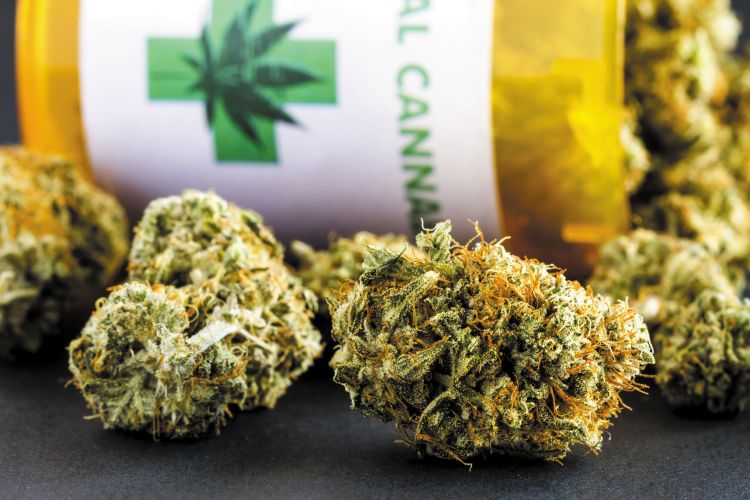
Understanding the Real Benefits of Medical Cannabis
Cannabis has long been a controversial plant, debated by scientists, politicians, and healthcare professionals alike. But for those of us who’ve spent time with our hands in the soil, tending to thriving plants, watching their trichomes swell with resin under the sun, and understanding their impact firsthand—medical cannabis isn’t just a concept. It’s a deeply practical, life-improving tool. When approached responsibly and grown with care, this plant can provide far-reaching health benefits beyond just pain relief.
Here’s an in-depth breakdown of eight potential benefits I’ve witnessed and experienced with medical cannabis.
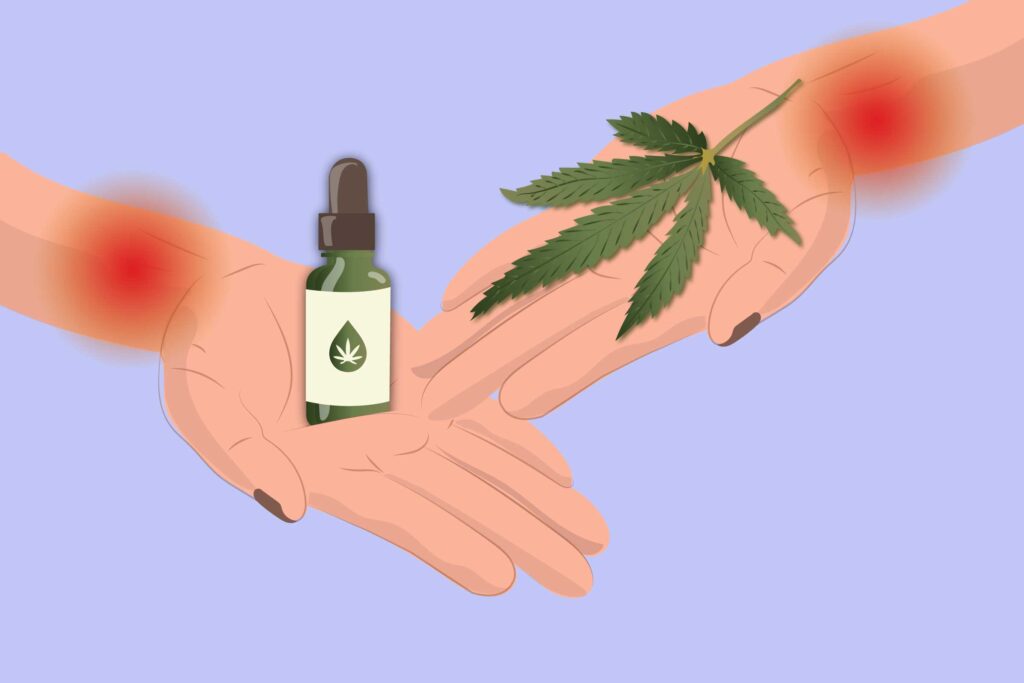
Reducing Inflammation Naturally
Inflammation is at the root of many chronic conditions, including arthritis, multiple sclerosis, and even digestive issues like Crohn’s disease. One of the key reasons I recommend certain cannabis strains for patients dealing with inflammatory pain is their ability to reduce swelling and discomfort without the harsh side effects of NSAIDs.
Cannabinoids like THC and CBD interact with the endocannabinoid system, which plays a role in regulating immune responses. From my own grows, strains high in CBD, like Harlequin or Cannatonic, seem to offer consistent relief for people struggling with arthritis and inflammatory flare-ups. I’ve also seen patients reduce their need for corticosteroids when using medical cannabis under proper guidance.
Stimulating Appetite and Supporting Weight Gain
Growing cannabis for medical patients taught me how vital it is to match strains to specific conditions. Appetite stimulation, often called “the munchies,” is more than a side effect—it’s a powerful therapeutic benefit for those with wasting diseases like HIV/AIDS or undergoing chemotherapy.
Back when I worked with a cancer patient undergoing aggressive treatment, strains like Blue Dream and Northern Lights helped maintain her weight when no other meds were working. Medical-grade cannabis, particularly when vaporized or eaten as an infused edible, can trigger hunger without irritating the stomach. This makes it a practical option for those suffering from nausea or general appetite loss.
Calming Anxiety and Easing the Mind
There’s a common misconception that all cannabis increases anxiety. And yes, the wrong strain or dosage can certainly do that. But in controlled, thoughtful usage, cannabis can rival traditional anti-anxiety medications like Xanax or Valium.
In one personal case, a Vietnam veteran I worked with had struggled for years with PTSD and couldn’t tolerate the side effects of prescription meds. After some trial and error, we found that indica-dominant hybrids like Granddaddy Purple delivered calm without mental fog. He was finally able to sleep through the night.
Microdosing THC or using high-CBD strains such as ACDC has shown success among patients in my community, particularly those who want relief from generalized anxiety without the high.
Targeting Cancer Symptoms—and Potentially More
Let’s be clear: cannabis is not a cure for cancer. But it can significantly improve quality of life for patients dealing with this devastating illness. From nausea relief to pain management, medical cannabis has a legitimate place alongside traditional cancer treatments.
In my own experience helping a terminal brain cancer patient, a combination of Rick Simpson Oil (RSO) and high-CBD tinctures helped reduce seizure frequency and stabilized appetite. Research into cannabinoids like THC and CBD has also shown promising effects in slowing tumor growth in some cases.
When patients are dealing with extreme chemotherapy side effects or end-of-life care, having access to cannabis often brings peace, both physically and mentally.
Supporting Healthy Blood Pressure and Circulation
While cannabis isn’t classified as a direct treatment for hypertension, I’ve seen many patients with blood pressure issues report improvements after using it. Why? Likely because cannabis promotes relaxation, eases anxiety, and reduces pain—each of which plays a role in keeping your circulatory system under control.
Strains like Cherry Pie or Bubba Kush tend to produce a mellow, calming effect that helps the body regulate stress responses. I’ve found that when people sleep better, experience less chronic pain, and feel emotionally balanced, their blood pressure often improves as a result.
Powerful Natural Pain Relief
If there’s one area where medical cannabis truly excels, it’s pain relief. I’ve worked with dozens of patients suffering from nerve pain, fibromyalgia, and post-surgical recovery who’ve found greater comfort through cannabis than prescription opioids.
In fact, many growers I know cultivate strains specifically for neuropathic pain. One example is the strain White Widow—it delivers quick-acting relief without the foggy head that comes with other pain medications. Unlike opioids, which can be habit-forming and dangerous, cannabis offers pain control with a lower risk of dependency.
Patients often say that cannabis helps them re-engage with life—getting back to gardening, walking, or simply sleeping better.
Managing Epilepsy and Seizure Disorders
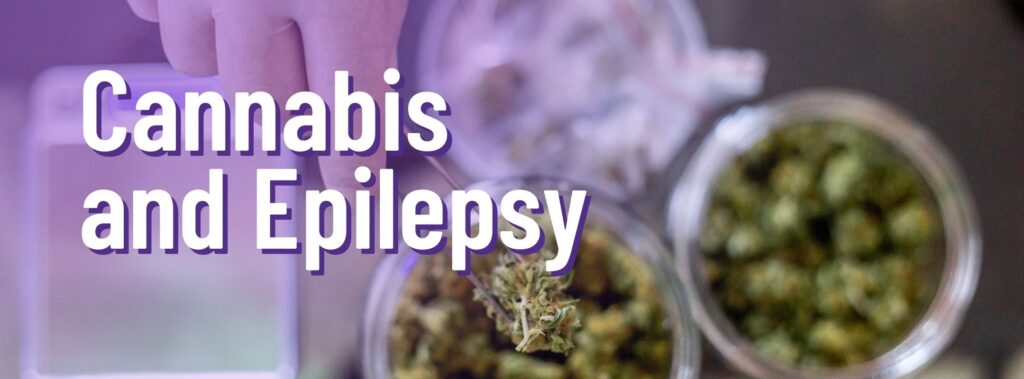
Few moments have stuck with me more than watching a young child with Dravet syndrome—who had been suffering from multiple seizures per day—find relief with a high-CBD cannabis oil. Within weeks, her seizure count dropped dramatically. It was nothing short of life-changing for her family.
This isn’t anecdotal hype either. The FDA-approved medication Epidiolex, derived from CBD, has been shown to significantly reduce seizure frequency in treatment-resistant epilepsy. In my cultivation experience, strains with less than 1% THC and over 15% CBD deliver the most consistent results for these cases.
Parents and caregivers I’ve worked with often choose sublingual tinctures, allowing precise dosage control and quick absorption.
Assisting in Addiction Recovery
This may surprise some people, but cannabis can actually support recovery from more harmful addictions. I’ve seen multiple former opioid users manage their withdrawal symptoms and reduce cravings by switching to cannabis during detox.
While cannabis isn’t without its own risk of dependency, the withdrawal symptoms are generally mild and short-lived—usually comparable to caffeine withdrawal. In my community grow project, one man used cannabis to step away from a 20-year alcohol addiction. Over time, his body healed, and he found emotional balance through a combination of cannabis, therapy, and structure.
Compared to substances like nicotine or cocaine, cannabis appears to carry far less risk and can serve as a transitional tool during early recovery.
Real-Life Lessons from Cultivation
I’ve spent years cultivating cannabis organically—growing outdoors in raised beds, using living soil techniques, compost teas, and careful strain selection. Through this hands-on experience, I’ve seen firsthand how different cultivars influence medical outcomes.
When I grow for patients, I choose strains based on cannabinoid and terpene profiles. My go-to cultivars for inflammation might include ACDC (high CBD), while for sleep, I’ll lean into pure indicas like Hindu Kush.
Understanding the plant’s chemotype is key. Not all THC is the same, and terpenes like myrcene, linalool, and limonene play huge roles in shaping the effects. That’s why I encourage patients to keep a journal, track dosage, and monitor symptoms.
What to Consider Before Using Medical Cannabis
Before trying cannabis for the first time—or if you’re returning to it after a long hiatus—consider these tips:
- Start low, go slow: Begin with the smallest effective dose.
- Know your strain: Indicas tend to be sedating, while sativas are more energizing.
- Track your reactions: Keep a journal to monitor mood, symptoms, and side effects.
- Choose your method: Inhalation works fast, while edibles last longer. Tinctures offer precise dosing.
- Talk to your doctor: Especially if you’re on other medications or managing chronic illness.
The Bottom Line
Medical cannabis is not a miracle cure—but in my years working with patients, growers, and as a cultivator myself, I’ve seen how powerful it can be. Whether it’s easing pain, calming anxiety, stimulating appetite, or managing seizures, the benefits of cannabis are wide-reaching and deeply personal.
When grown with intention and used with respect, cannabis becomes more than just a medicine. It’s a companion in healing—a plant that meets you where you are and helps move you forward, one breath at a time.
About the Author
Jaxon Wilder is a lifelong cannabis cultivator, extraction technician, and patient advocate with over 15 years of experience in organic growing, terpene science, and strain development. Jaxon specializes in therapeutic cannabis applications for chronic pain, anxiety, and neurological disorders, drawing on both laboratory research and real-world cultivation results. He has consulted for dispensaries, trained home growers, and personally guided hundreds of patients toward plant-based wellness. His writing blends technical knowledge with hands-on insight to help educate readers on responsible and effective medical cannabis use.
Related Products
-

$100 OG Cannabis Seeds
From: $24.99 -
24k Gold Cannabis Seeds
From: $24.99 -
3X Crazy Cannabis Seeds
From: $24.99 -
5th Element Cannabis Seeds
From: $24.99