7 Common Mistakes Made When Growing Cannabis for Medical Use
Growing medical cannabis is a delicate process that requires attention to detail, understanding of the plant’s biology, and awareness of environmental factors. Mistakes in the cultivation process can lead to reduced yield, lower potency, or even complete crop failure. This guide will explore seven common mistakes made when growing cannabis, particularly for medical purposes, and how to avoid them.
1. Incorrect Germination and Seedling Care
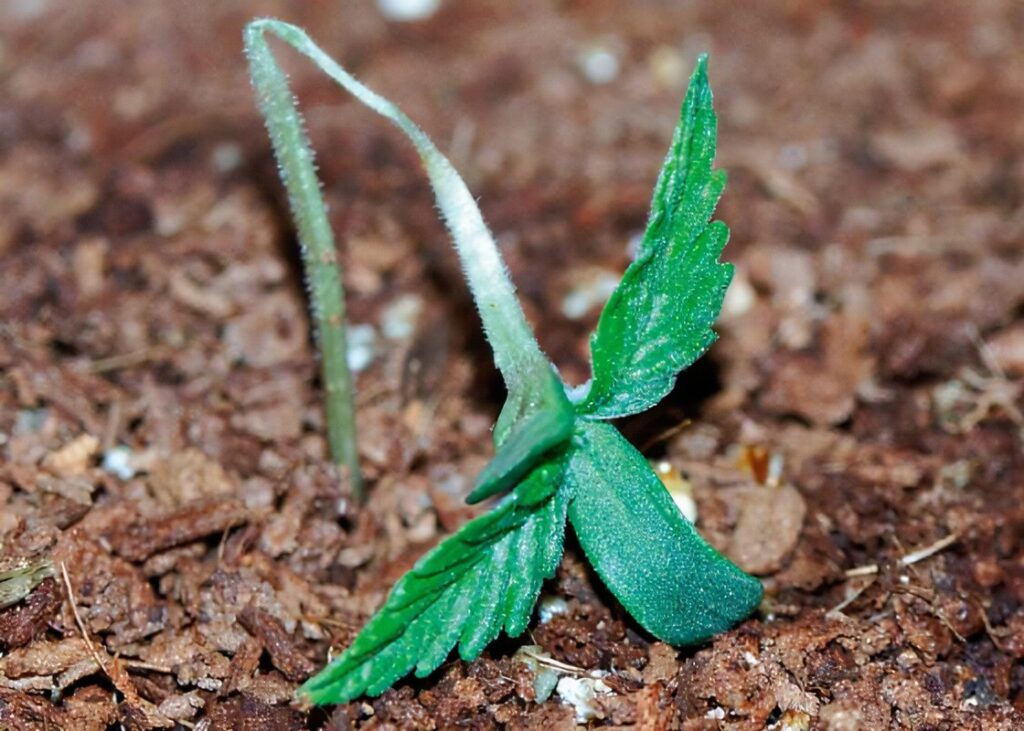
Germination is the first and arguably one of the most critical stages in the cannabis cultivation process. Starting with healthy seeds and proper germination techniques is essential for ensuring robust plant growth. However, mistakes at this stage can set back the entire grow cycle or even prevent plants from maturing.
Common Mistakes:
- Using Poor Quality Seeds: Choosing low-quality seeds can result in weak or non-viable plants. Medical growers must select seeds from reputable suppliers that are known for producing stable strains with consistent cannabinoid profiles.
- Improper Germination Methods: Failing to provide the right conditions for germination, such as incorrect moisture levels, light exposure, or temperature, can lead to poor seedling development.
- Overwatering or Underwatering: Seedlings are delicate and require precise watering. Drowning the seeds or encouraging fungal development can occur from overwatering, whilst dryness and stunted growth might result from underwatering.
Avoiding These Mistakes:
- Select High-Quality Seeds: Invest in seeds from trusted sources, focusing on strains that have been bred specifically for medical use. Before using, make sure the seeds are stored correctly and are fresh.
- Germinate Seeds Properly: Use a controlled environment to germinate seeds, maintaining optimal conditions such as a temperature range of 70-80°F (21-27°C) and a relative humidity of around 70%. Methods such as direct planting in a light-colored, sterile medium or the paper towel approach can work well.
- Monitor Watering: Use a spray bottle to mist the seeds lightly, keeping the medium moist but not soaked. Ensure that the seedlings have proper drainage to prevent root rot.
2. Inadequate Light Management
Light is one of the most critical factors in cannabis growth, influencing photosynthesis, flowering, and overall plant health. Medical cannabis requires consistent and high-quality light to develop the cannabinoids and terpenes necessary for therapeutic use. On the other hand, mismanaging light levels is a frequent error that can negatively affect plant health and productivity.
Common Mistakes:
- Insufficient Light Intensity: Failing to provide enough light can result in spindly plants with weak stems and poor flower development. Medical cannabis, especially when grown indoors, requires high-intensity light sources like LED or HID lamps.
- Incorrect Light Spectrum: During different growth stages, cannabis plants need different light spectrums. Using the wrong light spectrum at the wrong time can lead to reduced growth rates and poor cannabinoid production.
- Poor Light Distribution: Uneven light distribution can result in uneven development and reduced yields by giving some plant portions too much light while others receive too little.
Avoiding These Mistakes:
- Invest in Quality Lighting: Use high-quality LED lights that can be adjusted for intensity and spectrum. LEDs are energy-efficient and allow for precise control over the light spectrum, which is crucial for medical cannabis cultivation.
- Match the Light Spectrum to Growth Stages: Use a blue spectrum (400-500 nm) during the vegetative stage and a red spectrum (620-780 nm) during the flowering stage. Some lights offer full-spectrum capabilities, allowing for seamless transitions between growth phases.
- Ensure Even Light Distribution: Position lights correctly and consider using reflective materials like Mylar to maximize light exposure across all parts of the plant. Regularly adjust the light height and angle as the plants grow to maintain even coverage.
3. Nutrient Imbalances
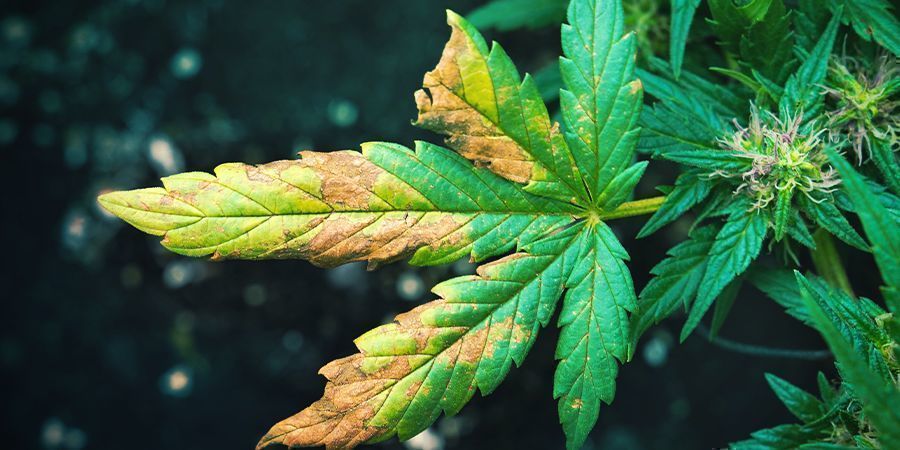
Cannabis plants require a precise balance of nutrients throughout their life cycle. Nutrient imbalances can lead to various deficiencies or toxicities, significantly impacting plant health and the quality of the final product. For medical cannabis growers, ensuring the right nutrient levels is essential to produce plants with consistent therapeutic properties.
Common Mistakes:
- Overfeeding Nutrients: Giving cannabis plants too many nutrients, particularly nitrogen during the flowering stage, can lead to nutrient burn, affecting both yield and cannabinoid content.
- Underfeeding Nutrients: On the other hand, insufficient nutrients can stunt growth, reduce flower production, and result in poor cannabinoid and terpene profiles.
- Ignoring pH Levels: The pH level of the growing medium affects nutrient uptake. If the pH is too high or too low, it can lock out essential nutrients, leading to deficiencies even if nutrients are present.
Avoiding These Mistakes:
- Follow a Nutrient Schedule: Use a nutrient schedule tailored to the specific strain and growth stage of the plants. This should include different formulations for the vegetative and flowering stages, with adjustments made based on plant response.
- Monitor pH Levels: Check and correct the pH levels of the growing medium and water on a regular basis. The ideal pH range for soil is 6.0-7.0, while hydroponic systems require a slightly lower pH of 5.5-6.5.
- Use Organic Nutrients: Consider using organic nutrients, which release nutrients slowly and reduce the risk of nutrient burn. Organic options are often more forgiving and can improve the overall health of the soil or growing medium.
4. Improper Environmental Control
The environment in which cannabis is grown significantly impacts the plant’s health and the quality of the final product. Medical cannabis requires a stable and controlled environment to ensure consistent cannabinoid production and prevent issues like mold, pests, and disease.
Common Mistakes:
- Temperature Fluctuations: Extreme temperature changes can stress plants, leading to slowed growth, hermaphroditism, or reduced potency.
- High Humidity Levels: Excessive humidity can create an environment conducive to mold and mildew growth, which can ruin the entire crop and pose a risk to patients using the cannabis.
- Poor Air Circulation: Inadequate air circulation can lead to hot spots, encourage pest infestations, and promote fungal growth.
Avoiding These Mistakes:
- Maintain Optimal Temperature: Keep the grow room temperature between 70-85°F (21-29°C) during the day and slightly cooler at night. Use heaters, air conditioners, and fans to maintain a consistent temperature.
- Control Humidity Levels: During the vegetative stage, aim for 40-70% relative humidity, gradually lowering it to 30-50% during flowering to prevent mold and mildew. Dehumidifiers and proper ventilation can help maintain these levels.
- Ensure Proper Air Circulation: Use oscillating fans to promote air movement and prevent stagnant air. This will help control temperature and humidity levels while also reducing the risk of pests and diseases.
5. Poor Pruning and Training Techniques
Pruning and training are essential practices in cannabis cultivation, particularly for maximizing yield and ensuring that the plants receive adequate light and air. However, improper techniques can harm the plants, leading to reduced yields and lower quality medical cannabis.
Common Mistakes:
- Over-Pruning: Removing too many leaves or branches at once can shock the plant, slowing growth and reducing flower production.
- Under-Pruning: Failing to remove excess foliage can lead to overcrowding, poor air circulation, and light deprivation, resulting in lower yields and increased risk of mold.
- Improper Training: Techniques like topping, low-stress training (LST), and super cropping can increase yields if done correctly. However, improper timing or technique can damage the plants and reduce their productivity.
Avoiding These Mistakes:
- Prune Gradually: Remove small amounts of foliage at a time, focusing on dead or yellowing leaves, as well as any leaves blocking light from reaching lower branches. Start with lower branches that receive less light.
- Use Training Techniques Wisely: Use methods to maximize light exposure and encourage an even canopy, such as topping and LST. Super cropping can be used to strengthen branches and increase yields, but it should be done carefully to avoid damaging the plants.
- Monitor Plant Response: Always observe how the plants respond to pruning and training. Adjust your approach based on plant health and growth patterns.
6. Inadequate Pest and Disease Management
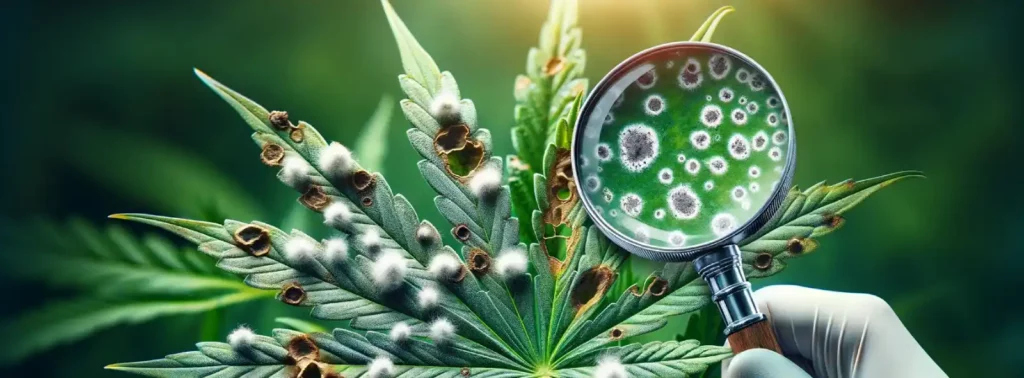
Pests and diseases can devastate a cannabis crop, particularly if they are not identified and treated early. For medical cannabis, where purity and consistency are critical, managing pests and diseases effectively is paramount.
Common Mistakes:
- Failure to Monitor Regularly: Infrequent checks can allow pests or diseases to take hold, making them more difficult to eradicate.
- Overuse of Chemical Pesticides: Using chemical pesticides can introduce harmful residues into the final product, which is particularly concerning for medical cannabis patients.
- Ignoring Early Signs: Failing to act at the first sign of pests or disease can lead to a rapid spread, affecting the entire crop.
Avoiding These Mistakes:
- Regular Inspections: Conduct daily inspections of the plants for signs of pests or disease. Look for common symptoms like yellowing leaves, spots, or abnormal growth patterns.
- Use Organic and Natural Remedies: Whenever possible, use natural pest management techniques like ladybug introduction, insecticidal soap, or neem oil. These methods reduce the risk of harmful residues.
- Quarantine Affected Plants: If you notice signs of pests or disease, isolate the affected plants immediately to prevent the issue from spreading to healthy plants. Treat the affected plants promptly with appropriate remedies.
7. Harvesting and Post-Harvest Handling Errors
The final stages of cannabis cultivation—harvesting and post-harvest handling—are critical for preserving the quality and potency of the medical cannabis. Mistakes during this phase can result in the degradation of cannabinoids and terpenes, reducing the therapeutic efficacy of the final product.
Common Mistakes:
- Harvesting Too Early or Too Late: Timing the harvest is crucial. When cannabinoids are harvested too soon, they may not mature fully, and when they are harvested too late, THC and other significant chemicals may degrade.
- Improper Drying and Curing: Poor drying and curing practices can lead to mold growth or a harsh, unpleasant taste. It can also result in the loss of cannabinoids and terpenes, diminishing the medical value of the cannabis.
- Rough Handling: Handling the buds roughly during trimming or packaging can damage the trichomes, where most cannabinoids and terpenes are concentrated.
Avoiding These Mistakes:
- Monitor Trichome Development: Use a magnifying glass or microscope to monitor the trichomes on the buds. Harvest when the cannabinoid concentration is at its highest, usually when the trichomes are hazy with some amber color.
- Dry and Cure Properly: Dry the buds slowly in a dark, well-ventilated room with a temperature of 60-70°F (15-21°C) and a humidity level of 45-55%. Once dried, cure the buds in airtight jars, opening them daily to release moisture and allow for even curing over 2-4 weeks.
- Handle Gently: During trimming, use sharp scissors and handle the buds carefully to preserve the trichomes. When packaging, avoid compressing the buds too tightly to prevent damage.
Restrictions on Growing Cannabis and Using It in the Medical Field as a Last Resort
1. Legal Restrictions on Cannabis Cultivation for Medical Use
The cultivation of cannabis for medical use is heavily regulated worldwide. Legal restrictions vary significantly by country and even within regions of the same country. These restrictions are designed to control the production, distribution, and use of cannabis to ensure it is only available for legitimate medical purposes and to prevent diversion into the illicit market.
Key Restrictions Include:
- Licensing Requirements: Growers must obtain specific licenses or permits to cultivate cannabis legally for medical purposes. These licenses often come with stringent requirements regarding security, reporting, and the scale of cultivation.
- Cultivation Limits: Many jurisdictions impose limits on the number of plants or the size of the cultivation area to control the amount of cannabis produced. This is particularly strict for personal or small-scale medical grows.
- Location Restrictions: Cannabis cultivation is typically restricted to specific areas, often far from schools, parks, or residential zones, to prevent unauthorized access and reduce the risk of diversion.
- Regulatory Compliance: Growers must comply with a range of regulations, including environmental protection laws, labor laws, and agricultural standards. Serious consequences, such as license revocation, may follow noncompliance.
2. Cannabis as a Last Resort in Medical Treatment
In many medical contexts, cannabis is considered a treatment of last resort. This means it is only prescribed or recommended when other standard treatments have proven ineffective. This cautious approach is due to the need to fully understand the risks and benefits of cannabis, particularly its psychoactive effects, and to ensure that patients are not exposed to unnecessary risks.
Reasons for Last-Resort Status:
- Limited Clinical Evidence: While there is growing evidence of the therapeutic benefits of cannabis, particularly CBD, for conditions such as chronic pain, epilepsy, and certain psychiatric disorders, it is still considered experimental for many conditions. As a result, it is often only recommended after conventional treatments have failed.
- Risk of Psychoactive Effects: THC, the psychoactive component of cannabis, can cause side effects such as anxiety, paranoia, and cognitive impairment. These risks are particularly concerning in vulnerable populations, such as the elderly or those with mental health conditions.
- Regulatory Caution: Medical boards and regulatory agencies often recommend cannabis as a last resort to minimize the potential for misuse and to ensure that its use is closely monitored by healthcare professionals.
3. Monitoring THC Levels in Medications
One of the critical aspects of using cannabis in the medical field is ensuring that THC levels are carefully monitored and controlled to prevent unwanted psychoactive effects. This is particularly important for patients who require the therapeutic benefits of cannabis without the cognitive or psychological effects associated with THC.
Approaches to Monitoring THC Levels:
- Standardized Testing: Before cannabis products are approved for medical use, they undergo rigorous testing to determine the precise levels of THC and other cannabinoids. This ensures consistency and safety in the final product.
- Low-THC Strains: For many medical applications, strains of cannabis with low THC and high CBD content are preferred. CBD can counteract some of the psychoactive effects of THC, making these strains more suitable for patients who need to avoid cognitive impairment.
- Dosage Control: Medical cannabis products are often available in standardized doses, allowing healthcare providers to control the amount of THC a patient receives. This can include microdosing, where very small amounts of THC are administered to provide therapeutic effects without significant psychoactive effects.
- Patient Monitoring: Patients using cannabis-based medications are often closely monitored for side effects. This includes regular assessments of cognitive function and mental health to ensure that the benefits of the medication outweigh any potential risks.
- Regulatory Oversight: In many regions, regulatory agencies require detailed reporting on the THC content of medical cannabis products. This includes regular audits and inspections of cultivation and production facilities to ensure compliance with legal limits on THC levels.
Conclusion
Growing and using cannabis in the medical field involves navigating a complex landscape of regulations, careful cultivation practices, and meticulous monitoring to ensure safety and efficacy. The cultivation process itself is fraught with potential mistakes, from improper germination to inadequate pest management, which can significantly impact the quality of the final product. For medical cannabis, where consistency, potency, and purity are paramount, avoiding these common errors is crucial to producing a reliable therapeutic product.
In addition to the challenges of cultivation, legal and regulatory restrictions play a significant role in the medical use of cannabis. With cannabis often considered a treatment of last resort, healthcare providers must carefully weigh the benefits against the risks, particularly the psychoactive effects of THC. Monitoring THC levels in medical cannabis products is essential to prevent unwanted side effects and to ensure that patients receive the therapeutic benefits they need without compromising their cognitive or mental well-being.
The careful balance between leveraging the therapeutic potential of cannabis and adhering to strict regulations underscores the importance of responsible cultivation and use in the medical field. By understanding and addressing these challenges, growers and healthcare providers can help ensure that medical cannabis continues to be a valuable tool for treating a wide range of conditions, offering relief to patients who may have found limited success with traditional treatments.
