
10 Surprising Medical Uses of CBD Oil: A Detailed Exploration
Owing to its possible medicinal advantages, CBD oil, which is extracted from the cannabis plant, has attracted a lot of interest in the medical community. In contrast to THC, another well-known cannabis ingredient, CBD has no psychoactive effects, which makes it a desirable choice for people looking to treat a variety of illnesses without becoming “high.” This article explores ten unexpected medical applications for CBD oil, all of which are backed by research and clinical trials and demonstrate the oil’s versatility as a therapeutic tool.
1. Anxiety and Depression Relief

Two of the most prevalent mental health conditions affecting millions of people globally are anxiety and depression. Traditional treatments often involve pharmaceuticals, which can have significant side effects and may not be effective for all patients. CBD oil has become a popular substitute.
Mechanism of Action:
CBD interacts with the body’s endocannabinoid system (ECS), particularly the CB1 and CB2 receptors in the brain, which are involved in regulating mood and anxiety. It also affects serotonin receptors, which are known to influence mood and emotional state.
Clinical Evidence:
Several studies have demonstrated CBD’s potential in reducing anxiety and depression symptoms. A 2019 study published in The Permanente Journal found that 79% of participants experienced reduced anxiety within the first month of using CBD oil. Additionally, animal studies have shown that CBD has a similar effect to antidepressants, without the associated risks of long-term pharmaceutical use.
Medical Application:
Some anxiety disorders, including social anxiety disorder (SAD), post-traumatic stress disorder (PTSD), and generalized anxiety disorder (GAD), are being treated with CBD oil as a supplemental therapy. Long-term use is safe because it doesn’t cause addiction.
2. Chronic Pain Management
Chronic pain, often resulting from conditions like arthritis, fibromyalgia, or multiple sclerosis, can severely impact quality of life. Traditional painkillers, including opioids, come with a high risk of dependency and other side effects. For the natural treatment of chronic pain, CBD oil is an option.
Mechanism of Action:
CBD’s analgesic effects are believed to stem from its interaction with the ECS, which plays a crucial role in pain modulation. CBD inhibits the absorption of anandamide, a compound associated with pain regulation, allowing higher concentrations of anandamide in the bloodstream, which reduces pain perception.
Clinical Evidence:
A study published in Therapeutics and Clinical Risk Management in 2008 highlighted CBD’s efficacy in managing chronic pain in patients without the psychoactive effects associated with THC. More recently, a 2020 study in Journal of Pain Research confirmed that CBD significantly reduces pain and improves sleep in chronic pain patients.
Medical Application:
CBD oil is increasingly used as part of a comprehensive pain management plan, particularly for patients with conditions like arthritis, neuropathy, and chronic migraines. Its use allows for the reduction of opioid dosage, minimizing the risk of addiction.
3. Neuroprotective Properties for Neurodegenerative Diseases
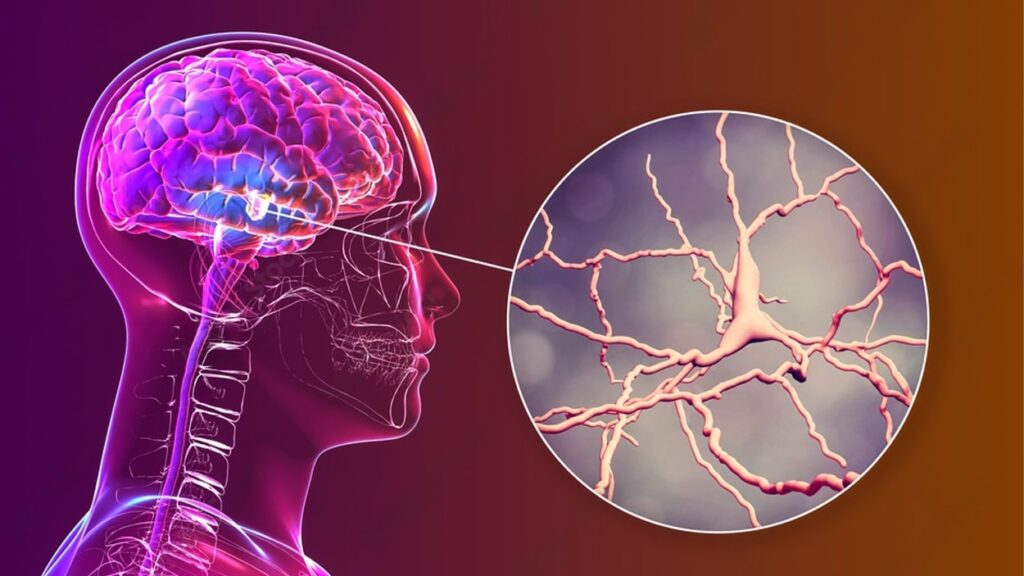
The steady loss of nerve cells in neurodegenerative illnesses, like Parkinson’s, Alzheimer’s, and multiple sclerosis, causes movement dysfunction and cognitive deterioration. The neuroprotective properties of CBD oil have opened new avenues for treatment in these conditions.
Mechanism of Action:
CBD’s antioxidant and anti-inflammatory properties are believed to protect neurons from damage. It also interacts with the brain’s ECS to maintain homeostasis and potentially slow the progression of neurodegenerative diseases.
Clinical Evidence:
Research published in Frontiers in Pharmacology in 2018 demonstrated CBD’s potential in reducing neuroinflammation and oxidative stress, both of which contribute to the progression of neurodegenerative diseases. Moreover, a study in Translational Psychiatry in 2014 showed that CBD could enhance cognitive function in patients with early-stage Alzheimer’s.
Medical Application:
While research is ongoing, CBD oil is being investigated as a potential treatment to slow disease progression in Alzheimer’s, Parkinson’s, and multiple sclerosis. Its potential for treating these disorders stems from its capacity to lessen neuroinflammation and safeguard neurons.
4. Epilepsy and Seizure Control
The treatment of epilepsy is one of the most well-researched medical applications of CBD oil, especially for those who do not react to traditional anti-seizure drugs. For many patients, the ability of CBD to lessen the frequency and intensity of seizures has changed their lives.
Mechanism of Action:
CBD’s anticonvulsant properties are thought to be mediated by its effect on the ECS and its ability to modulate the release of neurotransmitters involved in seizure activity. It also interacts with other receptor systems, such as TRPV1, which is involved in pain and inflammation, further contributing to its anticonvulsant effects.
Clinical Evidence:
A major turning point was reached in 2018 when the FDA approved Epidiolex, a drug based on CBD. Studies in humans with Lennox-Gastaut syndrome and Dravet syndrome, two severe forms of epilepsy, have demonstrated that epidiolex dramatically lowers the frequency of seizures in these patients. 39% less seizures per patient under CBD treatment was observed in a 2017 study that was published in The New England Journal of Medicine.
Medical Application:
CBD oil is now widely accepted as an adjunctive treatment for epilepsy, especially in drug-resistant cases. Its ability to reduce seizure frequency and severity offers hope for improved quality of life in patients with epilepsy.
5. Management of Autoimmune Diseases
Autoimmune diseases, such as rheumatoid arthritis, lupus, and inflammatory bowel disease (IBD), occur when the immune system mistakenly attacks the body’s own tissues. CBD oil has shown promise in modulating immune responses and reducing inflammation in these conditions.
Mechanism of Action:
CBD’s anti-inflammatory effects are primarily due to its interaction with the ECS and its ability to modulate cytokine production, which plays a key role in the immune response. By reducing the release of pro-inflammatory cytokines, CBD helps to dampen the immune response and reduce tissue damage.
Clinical Evidence:
A 2016 study published in Clinical Hemorheology and Microcirculation demonstrated CBD’s effectiveness in reducing inflammation and pain in rheumatoid arthritis. Another study in Phytotherapy Research in 2019 found that CBD reduced intestinal inflammation in patients with Crohn’s disease, a form of IBD.
Medical Application:
CBD oil is being explored as a therapeutic option for various autoimmune diseases, particularly for its ability to reduce inflammation and modulate the immune response. It offers a potential treatment option for patients who do not respond well to conventional immunosuppressive therapies.
6. Cardiovascular Health
Cardiovascular diseases, including hypertension, atherosclerosis, and heart disease, are leading causes of death worldwide. Emerging research suggests that CBD oil may offer protective benefits for the cardiovascular system.
Mechanism of Action:
CBD’s cardiovascular benefits are believed to stem from its ability to reduce blood pressure, protect against vascular damage, and reduce inflammation. It also acts as a vasodilator, helping to improve blood flow and reduce the risk of heart attacks and strokes.
Clinical Evidence:
A 2017 study published in JCI Insight found that a single dose of CBD reduced resting blood pressure in healthy volunteers. Another study in Free Radical Biology and Medicine in 2019 highlighted CBD’s antioxidant properties, which help to protect the heart against damage from free radicals and reduce inflammation in the cardiovascular system.
Medical Application:
While more research is needed, CBD oil is being considered as a potential treatment for hypertension and other cardiovascular conditions. Its ability to reduce blood pressure and protect against vascular damage makes it a promising candidate for cardiovascular health management.
7. Skin Conditions

CBD oil has gained popularity in dermatology for its potential to treat various skin conditions, including acne, psoriasis, and eczema. Its antioxidant and anti-inflammatory qualities make it a desirable choice for enhancing skin health.
Mechanism of Action:
CBD interacts with the skin’s ECS, which plays a role in maintaining skin homeostasis, including the regulation of sebum production and inflammation. Its anti-inflammatory properties help reduce redness and irritation, while its antioxidant effects protect the skin from environmental damage.
Clinical Evidence:
A 2014 study published in the Journal of Clinical Investigation found that CBD inhibits the production of sebum, which is a key factor in the development of acne. Another study in Dermatology Research and Practice in 2019 demonstrated CBD’s effectiveness in reducing inflammation and itching in patients with eczema and psoriasis.
Medical Application:
CBD oil is increasingly being used in topical formulations for the treatment of acne, eczema, and psoriasis. Its ability to reduce inflammation, regulate sebum production, and protect the skin from oxidative damage offers a natural and effective option for managing these skin conditions.
8. Antipsychotic Effects in Schizophrenia
The symptoms of schizophrenia, a serious mental illness, include delusions, hallucinations, and cognitive impairment. While antipsychotic medications are the standard treatment, they often come with significant side effects. CBD oil has shown potential as a novel antipsychotic agent with a more favorable side effect profile.
Mechanism of Action:
CBD’s antipsychotic effects are thought to be mediated by its interaction with the ECS and its ability to modulate dopamine and serotonin receptors, which play a crucial role in the pathophysiology of schizophrenia.
Clinical Evidence:
A 2012 study published in Translational Psychiatry found that CBD was as effective as standard antipsychotic medications in reducing psychotic symptoms in patients with schizophrenia, without the associated side effects. Another study in The American Journal of Psychiatry in 2018 reported that CBD improved cognitive function and reduced symptoms in patients with schizophrenia.
Medical Application:
CBD oil is being explored as an adjunctive treatment for schizophrenia, particularly for patients who experience significant side effects from traditional antipsychotic medications. Its potential to improve cognitive function and reduce psychotic symptoms offers a promising alternative for managing schizophrenia.
9. Substance Abuse Treatment
Substance abuse and addiction are major public health challenges, with traditional treatment options often being limited in their effectiveness. CBD oil has shown potential in reducing cravings and withdrawal symptoms in patients with substance use disorders.
Mechanism of Action:
CBD is believed to exert its effects on substance abuse by modulating the brain’s reward system, particularly through its interaction with the ECS and serotonin receptors. It may also reduce anxiety and stress, which are common triggers for relapse.
Clinical Evidence:
A 2015 review published in Substance Abuse: Research and Treatment highlighted CBD’s potential in reducing heroin-seeking behavior and cravings in animal models. More recently, a 2019 study in The American Journal of Psychiatry found that CBD reduced cravings and anxiety in patients with heroin use disorder.
Medical Application:
Research is being done on CBD oil as a potential treatment for a number of substance use disorders, such as addiction to alcohol, cigarettes, and opioids. Its ability to reduce cravings and withdrawal symptoms, along with its anxiolytic effects, makes it a promising candidate for addiction treatment.
10. Cancer Symptom Relief
Cancer and its treatment often come with debilitating symptoms, including pain, nausea, and loss of appetite. While CBD oil is not a cure for cancer, it has shown promise in alleviating these symptoms and improving the quality of life for cancer patients.
Mechanism of Action:
CBD’s effects on cancer symptoms are believed to be due to its interaction with the ECS, which plays a role in regulating pain, nausea, and appetite. It also has anti-inflammatory and antiemetic properties, which help reduce nausea and vomiting associated with chemotherapy.
Clinical Evidence:
A 2011 study published in the British Journal of Clinical Pharmacology found that CBD significantly reduced pain and improved quality of life in cancer patients. Another study in Frontiers in Pharmacology in 2018 highlighted CBD’s potential in reducing nausea and vomiting associated with chemotherapy.
Medical Application:
CBD oil is increasingly being used as part of palliative care for cancer patients, particularly for managing pain, nausea, and loss of appetite. Its ability to improve quality of life without the psychoactive effects of THC makes it an attractive option for cancer symptom management.
Restrictions on Using Cannabis in the Medical Field as a Last Resort
In the medical field, the use of cannabis, particularly in forms containing THC, is often regulated and considered a last-resort treatment. This approach is primarily due to concerns about the psychoactive effects of THC, the legal status of cannabis, and the potential for misuse.
- Legal and Regulatory Constraints: In many regions, cannabis remains a controlled substance, and its use in medicine is heavily restricted. Physicians may only prescribe cannabis-based medications when all other conventional treatments have failed, and even then, the use must be justified and carefully monitored.
- Patient Safety Concerns: The psychoactive effects of THC can impair cognitive and motor functions, which poses significant risks, especially in vulnerable populations such as the elderly, children, or those with mental health conditions. This risk necessitates stringent guidelines and often limits the use of THC-containing medications to specific, severe cases.
- Clinical Evidence Requirements: Generally speaking, medical cannabis is only recommended when there is strong clinical proof for both its safety and effectiveness in treating a specific ailment. This restriction ensures that the benefits outweigh the risks for patients.
Monitoring THC Levels in Medications
To minimize the psychoactive effects of THC in medical cannabis products, monitoring THC levels is crucial. This involves:
- Standardized Dosing: Medical cannabis products are formulated with precise THC concentrations to ensure consistent dosing. This standardization helps in controlling the psychoactive effects and allows for more predictable outcomes.
- Regular Testing and Quality Control: Medical cannabis products undergo rigorous testing to verify THC content. This testing ensures that the levels are within the therapeutic range and below the threshold that could induce significant psychoactive effects.
- Patient Monitoring: Physicians closely monitor patients using THC-containing medications, adjusting doses as needed to manage any psychoactive effects. This monitoring includes regular assessments of cognitive function, mood, and overall well-being.
- CBD-THC Ratios: To mitigate the psychoactive effects of THC, many medical cannabis products are formulated with higher levels of CBD, which can counteract THC’s psychoactive properties. This approach is particularly common in treatments aimed at managing chronic pain, epilepsy, and anxiety.
Conclusion
The medical use of cannabis, particularly CBD oil and THC, represents a significant advancement in the treatment of various complex health conditions. Over the past few years, CBD oil has emerged as a versatile and non-psychoactive therapeutic agent, offering relief from conditions such as anxiety, chronic pain, neurodegenerative diseases, and epilepsy. The scientific community has increasingly recognized CBD’s potential, backed by a growing body of clinical evidence that supports its efficacy and safety in a wide range of medical applications.
CBD’s interaction with the body’s endocannabinoid system (ECS) underlies much of its therapeutic promise. By influencing receptors involved in mood, pain perception, and immune response, CBD provides a natural alternative to traditional pharmaceuticals, often with fewer side effects. This has made it particularly appealing for patients who have not found relief through conventional treatments or who seek a more natural approach to managing their symptoms.
On the other hand, the use of THC in the medical field is far more complex and tightly regulated. THC’s psychoactive properties, while potentially beneficial in certain contexts, also pose significant challenges in terms of patient safety, legal restrictions, and the potential for misuse. As a result, THC is typically reserved as a last-resort treatment, prescribed only when other options have proven ineffective. This cautious approach is essential to balancing the therapeutic benefits of THC with the need to minimize risks, particularly the psychoactive effects that could impair a patient’s cognitive and motor functions.
The regulation of THC in medical cannabis is stringent, with careful attention paid to dosing, product formulation, and patient monitoring. Healthcare providers must ensure that THC levels are carefully controlled to prevent unwanted psychoactive effects while still delivering therapeutic benefits. The use of CBD-THC combinations, where CBD mitigates some of THC’s psychoactive effects, has become a common strategy in medical formulations, further enhancing the safety profile of these treatments.
Moreover, the legal landscape surrounding medical cannabis is evolving, with many regions gradually recognizing its therapeutic potential and adjusting regulations accordingly. However, these legal frameworks often come with strict guidelines on when and how cannabis can be used, reflecting the ongoing need to balance access with control.
In summary, the integration of cannabis into the medical field represents a significant development with the potential to transform patient care across a range of conditions. CBD oil stands out for its broad applicability and minimal side effects, making it a valuable tool in modern medicine. THC, while more challenging to manage, offers unique benefits in specific cases where other treatments fail.
The future of medical cannabis will likely involve further research into its mechanisms of action, continued refinement of dosing and delivery methods, and ongoing adjustments to legal frameworks to ensure patient safety. As our understanding of cannabis grows, so too will its role in medical practice, offering new hope to patients who have exhausted other avenues of treatment. However, the medical community must continue to approach cannabis with the same rigor and caution applied to all other therapeutic agents, ensuring that its use is both safe and effective for all patients.
